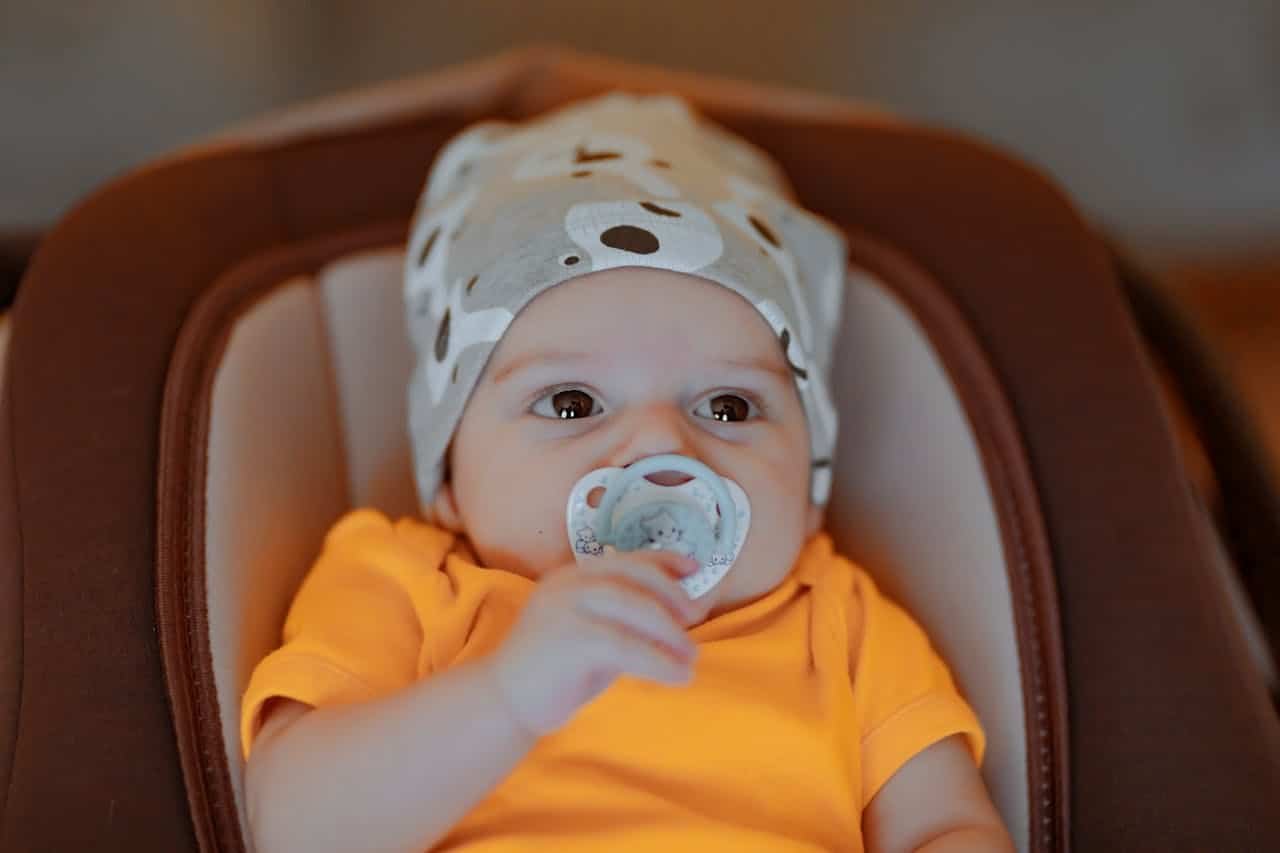

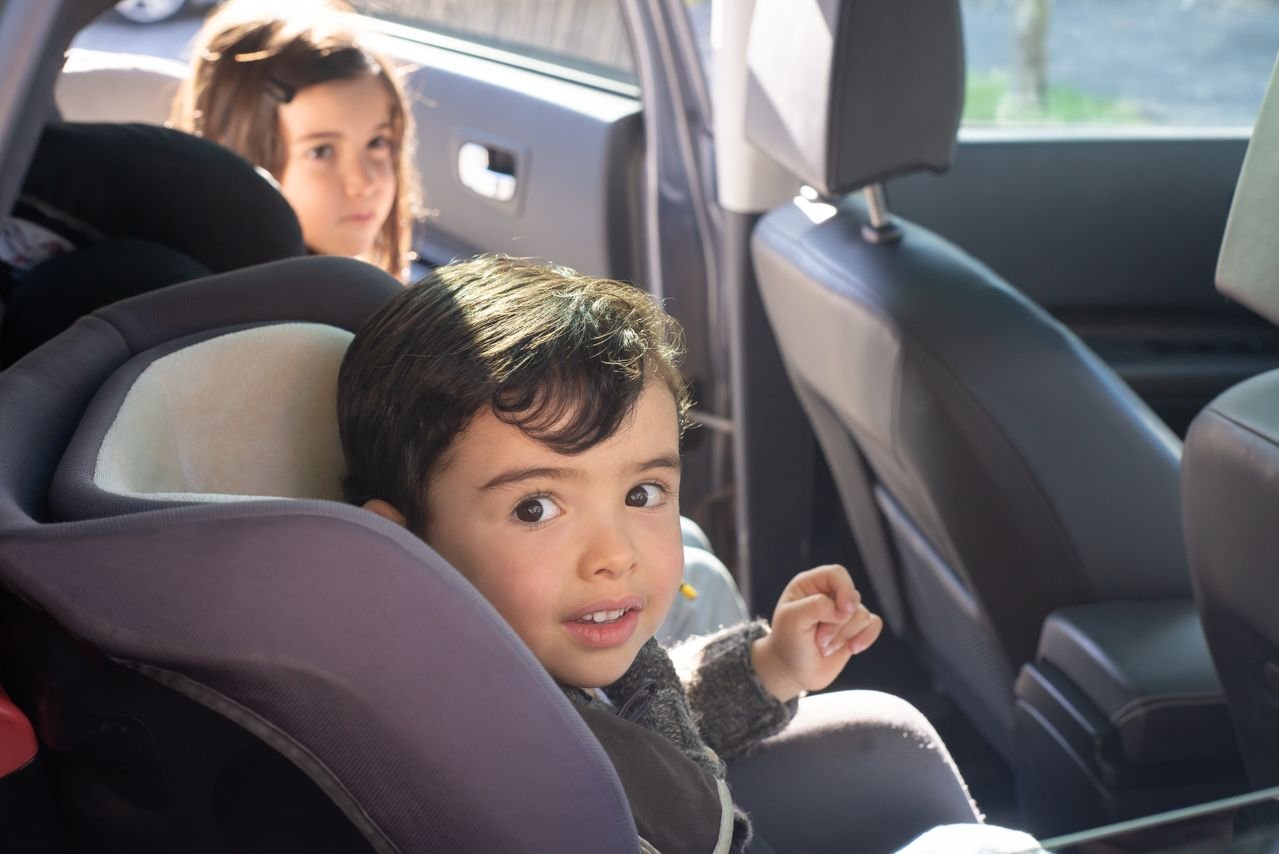
Travelling with a baby can be one of the most memorable experiences for parents—but it also comes with its fair share of challenges. One of the biggest concerns during a long drive is helping your little one sleep peacefully without frequent crying, fussiness, or discomfort. Whether you’re planning a weekend getaway, visiting grandparents, or heading on a family vacation, knowing how to make your baby sleep comfortably during long road trips can make the journey enjoyable for everyone in the car.
The good news is that with proper planning, a safe sleep setup, and a few practical travel hacks, your baby can enjoy long naps even while you’re on the road. Over the years, we’ve taken several road trips with our little one and discovered what genuinely works—and what doesn’t. In this guide, we’re sharing our real-life experience, expert-backed safety tips, and must-have baby travel essentials to help you travel stress-free.
You’ll also find recommendations for useful Amazon products that can make your road trip smoother. Wherever relevant, we’ve included links to Amazon products so you can easily explore them and later replace them with your own affiliate links.
By the end of this guide, you’ll learn:
- How to help your baby sleep during long car rides.
- Safe sleep practices for babies in car seats.
- The best road trip sleep hacks for babies.
- A complete list of baby travel essentials.
- Parent-tested tips to reduce crying during car travel.
- Products that make traveling with a baby by car much easier.
Let’s get started!
Why Babies Struggle to Sleep During Long Road Trips
Many parents assume that babies naturally fall asleep as soon as the car starts moving. While this may happen occasionally, it’s not always the case. Babies thrive on routine, familiar surroundings, and comfort. A moving vehicle introduces new sounds, changing light conditions, vibrations, and frequent interruptions, making it harder for some babies to settle.
Understanding why babies struggle to sleep during road trips can help you prevent many common issues before they even begin.
1. Their Routine Gets Disrupted
Babies love predictable schedules. If nap time, feeding time, or bedtime changes significantly because of travel, they may become overtired and resist sleeping.
Instead of falling asleep, an overtired baby often becomes fussier, cries more, and finds it even harder to settle down.
Pro Tip: Whenever possible, schedule your departure around your baby’s regular nap schedule. This simple adjustment often works better than trying to force sleep during an unfamiliar time.
2. An Uncomfortable Car Seat Setup
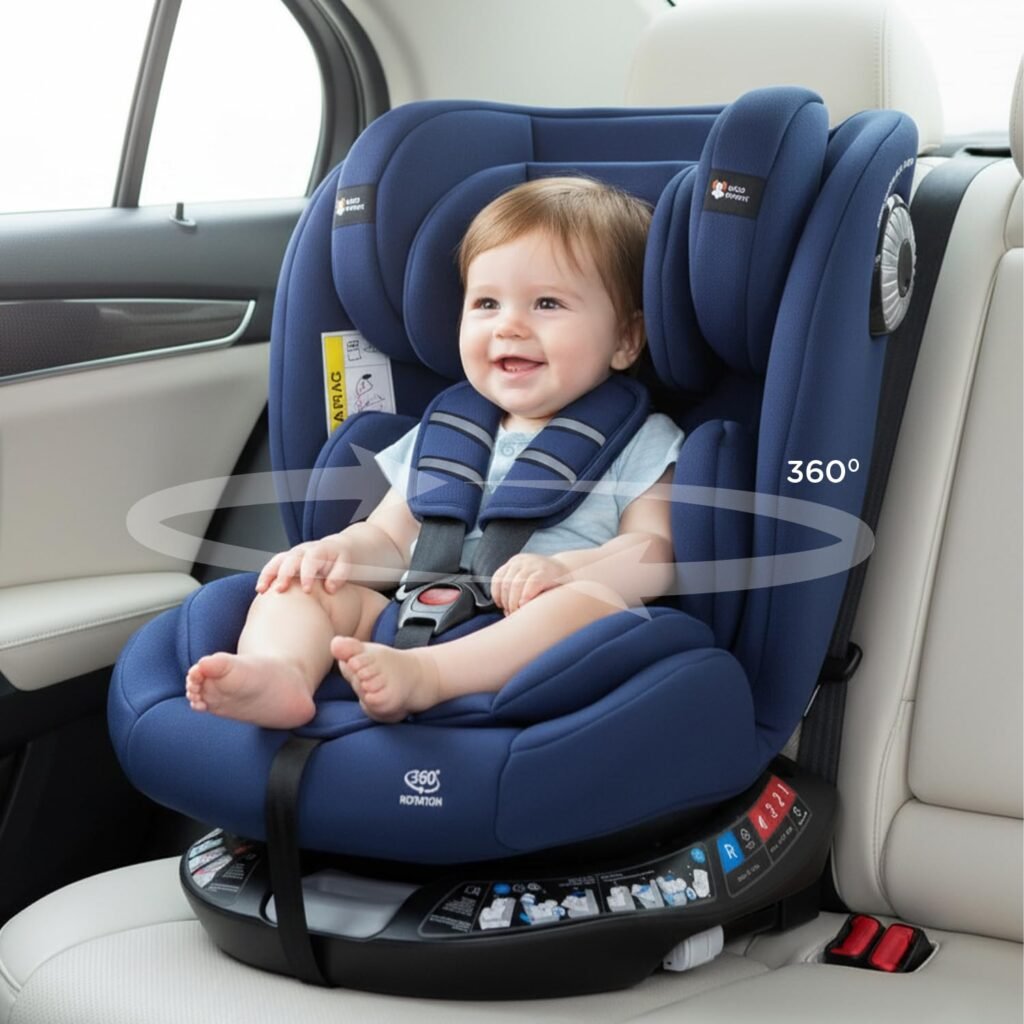
Even the best baby car seat can’t compensate for poor positioning or uncomfortable clothing.
Common reasons babies become uncomfortable include:
- Harness straps that are too tight or too loose
- Thick winter jackets creating pressure points
- Bulky clothing
- Incorrect recline angle
- Poor ventilation
A properly installed car seat is one of the most important factors for ensuring your baby sleeps safely and comfortably during long drives.
Related Reading: Best Baby Car Seats in India
3. Hunger or Feeding Too Close to Departure
A hungry baby rarely sleeps well.
On the other hand, feeding immediately before placing your baby into the car seat without burping can also cause discomfort, reflux, or spit-ups during the drive.
For most babies, a good routine is:
- Feed your baby.
- Burp thoroughly.
- Change the diaper.
- Let them relax for a few minutes.
- Then begin your journey.
This routine helps babies feel full, comfortable, and ready for a nap.
4. Dirty Diapers
A wet or dirty diaper can wake even the deepest sleeper.
Before starting your journey, always check your baby’s diaper and keep extra diapers, wipes, diaper rash cream, and disposal bags easily accessible.
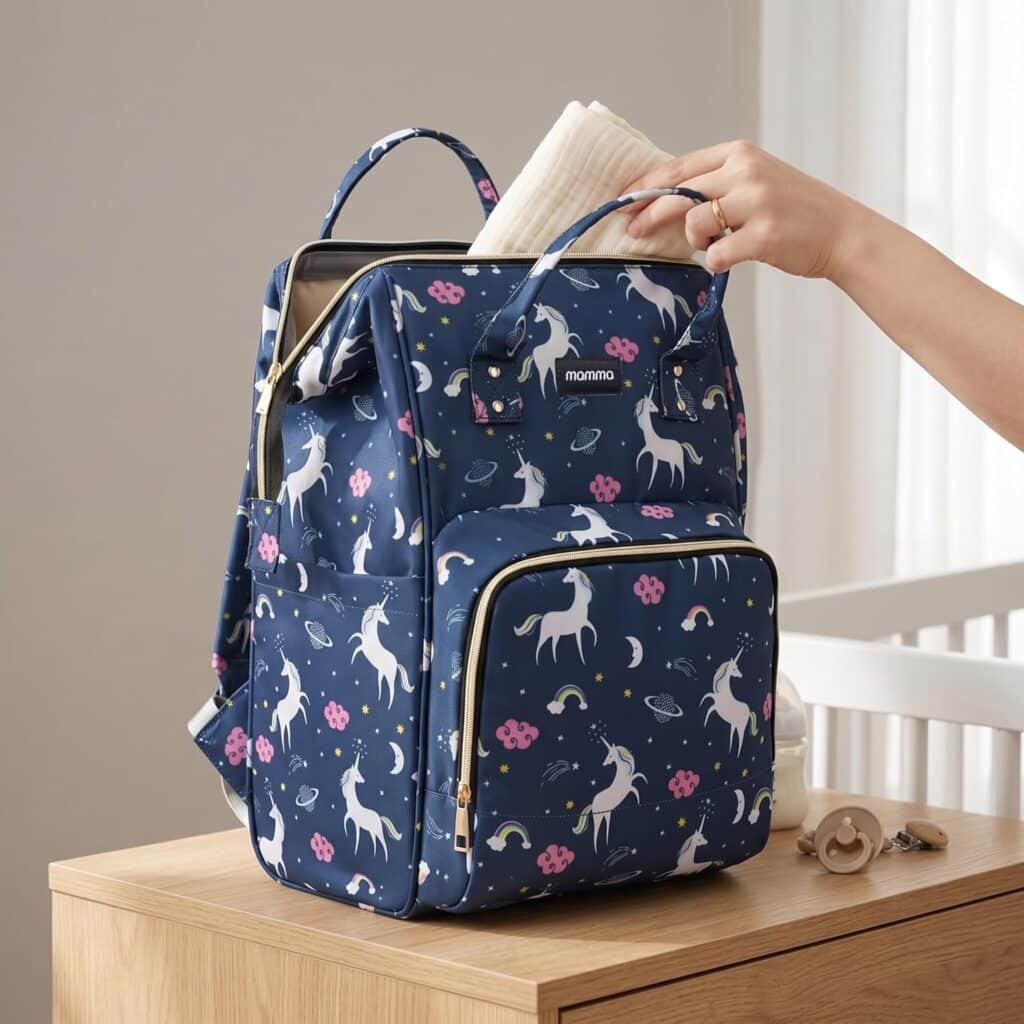
A well-organized diaper backpack can save you from searching through luggage during quick roadside stops.
Amazon Recommendation: Search for a Diaper Backpack with Insulated Bottle Pockets on Amazon. It keeps diapers, wipes, bottles, and spare clothes organized in one place.
5. Temperature Inside the Car
Babies are much more sensitive to temperature changes than adults.
If the car becomes:
- Too hot
- Too cold
- Too humid
your baby may wake up frequently.
The ideal approach is to maintain a comfortable cabin temperature and dress your baby in breathable layers that can be adjusted easily.
Avoid covering your baby with heavy blankets while driving, as this may increase the risk of overheating.
6. Too Much Stimulation
Bright sunlight, loud conversations, flashing lights, and constant activity inside the car can make it difficult for babies to relax.
Simple additions like:
- Baby car window sun shades
- Soft lullabies
- White noise
- Keeping voices low
can significantly improve your baby’s ability to fall asleep.
7. Lack of Familiar Sleep Cues
At home, babies often associate sleep with familiar routines such as:
- Sleeping bag
- Swaddle (for younger infants)
- Favorite blanket
- White noise
- Pacifier
- Bedtime songs
During road trips, recreating some of these familiar sleep cues can help your baby understand that it’s time to nap—even in a moving car.
8. Motion Doesn’t Always Mean Sleep
Many parents believe every baby instantly sleeps once the car starts moving. While gentle motion can be soothing, some babies become overstimulated by long drives, especially if they’re already tired or uncomfortable.
Every baby is different. The key is to observe your baby’s sleep cues and adjust your travel routine accordingly.
Signs Your Baby Is Ready for a Nap During Travel
Watch for early sleep cues such as:
- Rubbing eyes
- Looking away from stimulation
- Yawning
- Quietness
- Reduced activity
- Mild fussiness
Starting your journey when these cues appear can often help your baby fall asleep more easily.
Is It Safe for Babies to Sleep in a Car Seat?
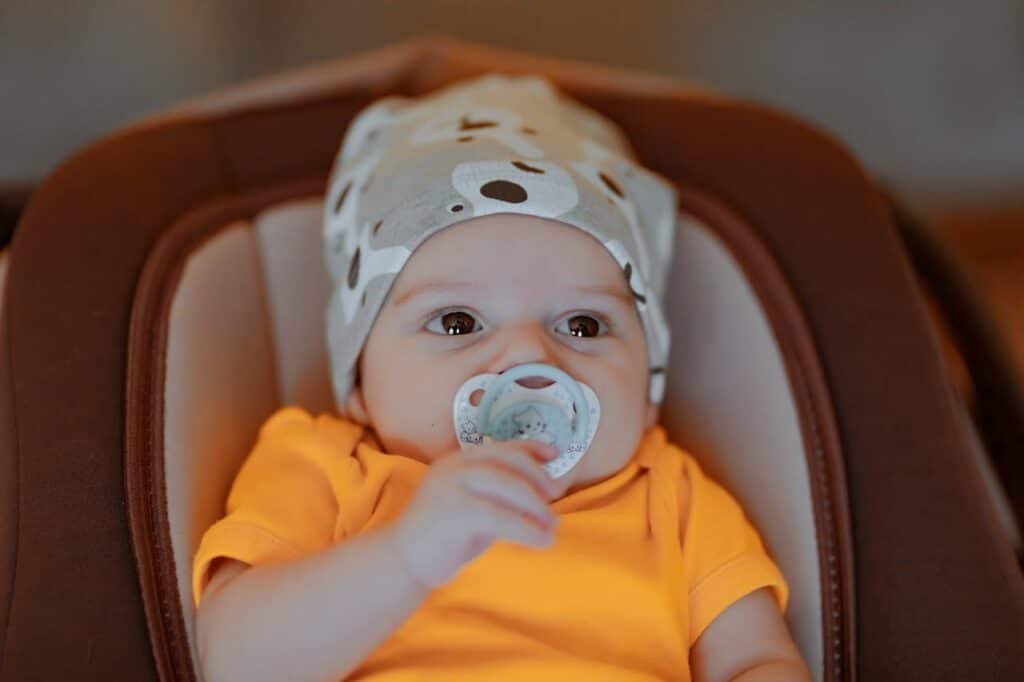
One of the most common questions parents ask is:
“Can babies sleep in a car seat during long trips?”
The answer is yes—but only while the car is actively traveling and the car seat is installed correctly.
A properly installed rear-facing car seat is designed to protect your baby during travel and can safely support short naps while you’re driving. However, it’s important to understand that a car seat is not a replacement for a crib, bassinet, or other flat sleep surface once you’ve reached your destination.
Follow Proper Car Seat Safety
For safe car travel:
- Always use a rear-facing car seat appropriate for your baby’s age, height, and weight.
- Ensure the harness is snug and positioned correctly.
- The chest clip should sit at armpit level.
- Avoid placing blankets or cushions behind your baby.
- Do not add aftermarket head supports or accessories that weren’t included or approved by the car seat manufacturer, as they may interfere with the harness or safety performance.
- Ensure the seat is installed at the correct recline angle according to the manufacturer’s instructions.
These simple precautions not only improve safety but also help your baby remain comfortable enough to sleep.
Take Regular Breaks
Although babies may sleep soundly during a drive, it’s recommended to stop regularly on long journeys. These breaks give your baby a chance to stretch, feed, have a diaper change, and spend a little time out of the car seat before continuing the trip.
Planning these breaks also makes the overall journey more comfortable for parents.
Avoid Unsafe Car Seat Accessories
Many products claim to improve sleep during travel, but not all are safe.
Avoid using:
- Loose pillows
- Bulky cushions
- Thick head supports not approved by the manufacturer
- Extra padding behind your baby
- Heavy blankets over the harness
Instead, focus on choosing a high-quality, properly fitted car seat and maintaining a comfortable environment.
Plan Your Journey Around Your Baby’s Sleep Schedule
One of the easiest and most effective baby travel sleep hacks is to work with your baby’s natural sleep rhythm instead of against it. Rather than hoping your little one will eventually fall asleep, try planning your departure to coincide with their usual nap time.
For longer trips, build your itinerary around regular feeding and nap breaks instead of trying to cover the maximum distance in the shortest time. A well-rested baby is far more likely to remain calm and comfortable throughout the journey.
10 Parent-Tested Tips to Help How to Make Your Baby Sleep Comfortably During Long Drives
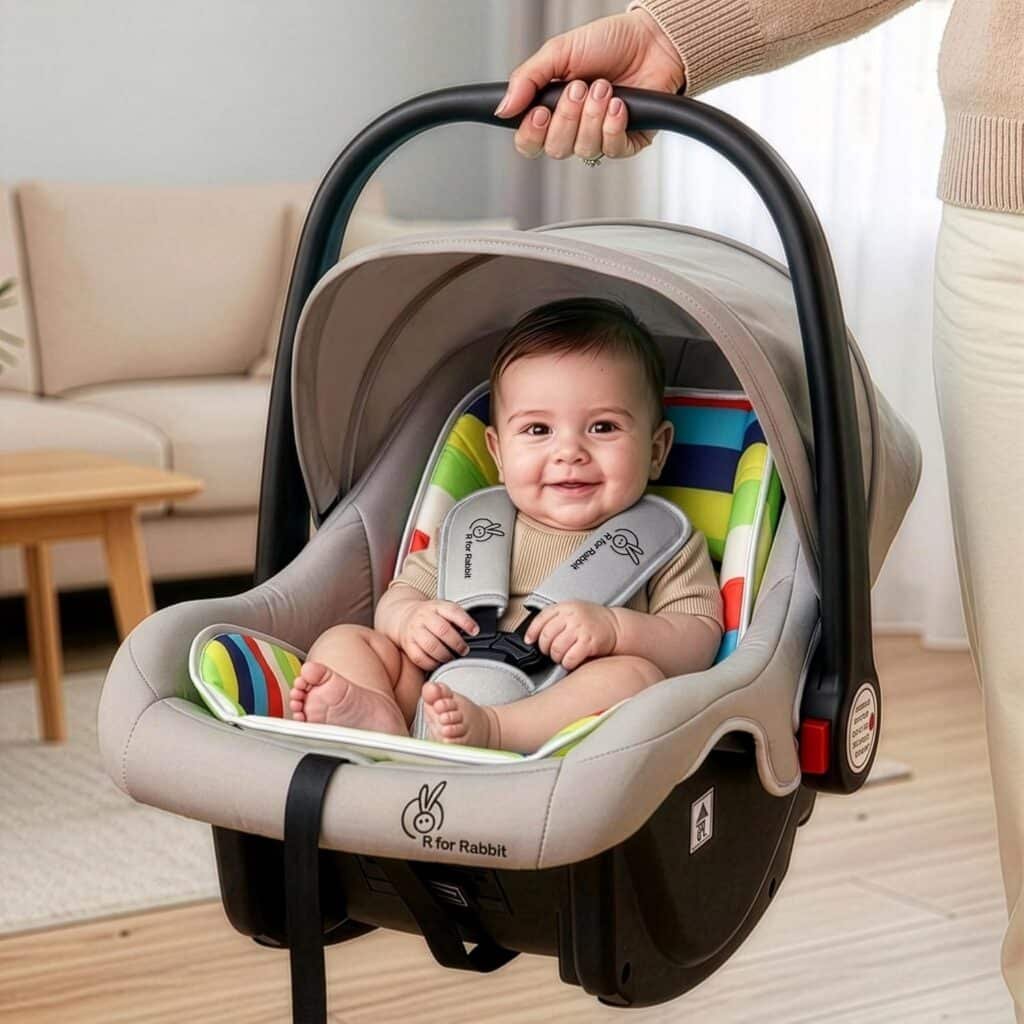
After several family road trips, we’ve learned that small adjustments often make the biggest difference. The following tips have helped us enjoy smoother journeys with fewer interruptions and more peaceful naps.
Tip #1: Feed Your Baby Before Leaving
A full tummy often helps babies settle more easily.
Feed your baby about 20–30 minutes before departure, allowing enough time for burping and a diaper change.
Avoid rushing directly from feeding to the car seat, as this may increase the likelihood of discomfort or spit-up.
If your baby is formula-fed, carrying pre-measured formula in a portable formula dispenser can make feeding during breaks much easier.
Buy Portable Formula Dispenser
Tip #2: Change the Diaper Right Before Departure
This simple step can delay your first stop by quite a while.
Fresh diapers help babies remain comfortable for longer naps.
Don’t forget to pack:
- Extra diapers
- Wet wipes
- Rash cream
- Disposable bags
Buy Travel Changing Mat
Tip #3: Time Your Departure with Nap Time
One of the best road trip sleep hacks for babies is leaving just before your baby’s regular nap begins.
For example:
| Baby’s Routine | Best Departure Time |
|---|---|
| Nap at 10 AM | Leave around 9:45–10:00 AM |
| Afternoon nap at 2 PM | Leave around 1:45 PM |
The gentle movement of the car often helps babies fall asleep naturally.
Tip #4: Avoid Overheating
Parents sometimes worry their baby might feel cold because of the air conditioning and add extra blankets.
However, overheating is a much more common issue during car travel.
Instead:
- Dress your baby in light layers.
- Use breathable fabrics.
- Adjust clothing instead of adding thick blankets.
A cooler, well-ventilated environment usually promotes better sleep.
Tip #5: Stick to Your Baby’s Normal Sleep Routine
If your bedtime routine includes:
- Feeding
- Singing
- White noise
- Pacifier
- Gentle rocking
try incorporating parts of that same routine before starting your drive.
Consistency helps babies recognize that it’s time to sleep—even while traveling.
Tip #6: Play Soft Music or Lullabies
Many babies respond positively to calm, repetitive music.
Choose:
- Instrumental lullabies
- Nature sounds
- White noise
- Soft piano music
Avoid upbeat songs with sudden changes in volume.
A calm audio environment encourages longer naps.
Tip #7: Offer the Pacifier (If Your Baby Uses One)
For babies who already use a pacifier, it can provide comfort and help them self-soothe during travel.
Always pack a few clean extras in case one falls or gets misplaced.
Store them in a hygienic pacifier case for easy access.
Buy Pacifier
Tip #8: Stop Every 1.5–2 Hours
Even if your baby seems content, regular breaks are beneficial on longer journeys.
During each stop:
- Feed if needed.
- Change diapers.
- Let your baby stretch and move around (when age-appropriate and safe).
- Offer cuddles and interaction.
- Check if clothing or temperature needs adjusting.
These short breaks can help prevent fussiness and make the rest of the drive more comfortable for everyone.
Tip #9: Carry Simple Entertainment for Wake Windows
Your baby won’t sleep for the entire trip.
When they wake up, offer gentle entertainment before they become cranky.
Great travel-friendly options include:
- Soft rattles
- Crinkle books
- Silicone teething toys
- Activity rings
- Sensory toys
- Finger puppets
Avoid toys with loud electronic sounds that may overstimulate your baby or distract the driver.
Buy Baby Travel Toy Set
Tip #10: Prepare Milk and Snacks in Advance
A hungry baby rarely sleeps comfortably.
Before leaving home, prepare everything you’ll need for feeding.
For breastfed babies:
- Nursing cover (optional)
- Burp cloth
- Nursing pillow (for use during breaks, not while driving)
For formula-fed babies:
- Formula dispenser
- Sterilized bottles
- Warm water flask
For babies eating solids:
- Fruit puree
- Soft snacks
- Homemade finger foods
- Silicone snack cup
Essential Baby Travel Products That Make Road Trips Easier

The right travel accessories won’t magically make your baby sleep—but they can significantly improve comfort, organization, and convenience.
Below are some of our favorite baby road trip essentials that we’ve found genuinely useful.
Baby Road Trip Essentials Comparison Table
| Product | Why You Need It | Best For | Approx. Price |
|---|---|---|---|
| Rear-Facing Baby Car Seat | Safe travel and comfortable sleep | Newborns & Infants | ₹5,000–₹20,000 |
| Portable White Noise Machine | Better sleep during travel | All ages | ₹1,000–₹3,000 |
| Car Window Sun Shades | Reduces sunlight and heat | All ages | ₹400–₹1,200 |
| Diaper Backpack | Organizes baby essentials | All parents | ₹1,200–₹3,500 |
| Portable Bottle Warmer | Warm milk on the go | Formula-fed babies | ₹2,000–₹4,500 |
| Formula Dispenser | Easy feeding during breaks | Formula-fed babies | ₹300–₹900 |
| Travel Changing Mat | Hygienic diaper changes | All parents | ₹500–₹1,500 |
| Baby Car Mirror | Monitor rear-facing baby | Infants | ₹700–₹2,000 |
| Backseat Organizer | Keeps essentials within reach | Families | ₹700–₹2,000 |
| Muslin Blanket | Lightweight comfort | Newborns & Infants | ₹500–₹1,500 |
| Portable Stroller Fan | Keeps baby cool during stops | Summer travel | ₹800–₹2,500 |
| Silicone Snack Cup | Mess-free snacks | 6+ months | ₹300–₹900 |
| Reusable Wet Bag | Store wet or dirty clothes | All parents | ₹300–₹800 |
1. Rear-Facing Baby Car Seat
This is the single most important purchase for safe travel.
Look for features like:
- Rear-facing installation
- Side-impact protection
- Adjustable recline
- Washable covers
- Comfortable cushioning
Best Rear-Facing Baby Car Seat on Amazon
2. Portable White Noise Machine
White noise helps many babies relax by masking road noise and creating a familiar sleep environment.
Ideal features:
- Rechargeable battery
- Multiple sound options
- Compact size
- USB charging
Portable White Noise Machine
3. Baby Car Window Sun Shades
These inexpensive accessories make a huge difference during daytime travel.
Benefits include:
- UV protection
- Reduced heat
- Better naps
- Less glare
Baby Car Window Sun Shades
4. Diaper Backpack
Instead of carrying multiple bags, invest in one spacious diaper backpack.
Choose one with:
- Insulated bottle pockets
- Waterproof compartment
- Laptop sleeve (optional)
- Easy-access wipes pocket
- Comfortable shoulder straps
Travel Diaper Backpack
5. Portable Bottle Warmer
A lifesaver for formula-fed babies.
Look for:
- USB charging
- Fast heating
- Leak-proof design
- Universal bottle compatibility
Portable Bottle Warmer
6. Portable Formula Dispenser
This simple product saves time and avoids messy scooping during travel.
Benefits:
- Pre-measured portions
- Airtight storage
- BPA-free materials
- Compact design
7. Travel Changing Mat
Roadside diaper changes become much easier with a foldable changing mat.
Choose one that’s:
- Waterproof
- Easy to wipe clean
- Foldable
- Lightweight
Portable Baby Changing Mat
8. Backseat Organizer
Keeps everything organized throughout the trip.
Store:
- Toys
- Bottles
- Snacks
- Wipes
- Books
- Chargers
A clutter-free car also makes traveling less stressful.
9. Rear-Seat Baby Mirror
Perfect for parents driving with a rear-facing infant.
Benefits:
- Quick visual checks
- Peace of mind
- Adjustable angle
- Shatter-resistant
10. Muslin Swaddle or Lightweight Blanket
A breathable muslin blanket is one of the most versatile travel items.
Use it during stops for:
- Feeding
- Light warmth
- Shade (without covering the baby’s face while in the car seat)
- Burping
Organic Muslin Blanket
11. Reusable Wet Bags
Perfect for storing:
- Dirty clothes
- Wet bibs
- Used cloth diapers
- Soiled muslin cloths
These waterproof bags help keep the rest of your luggage clean and organized.
Reusable Wet Bag
Baby Road Trip Checklist: Don’t Leave Home Without These Essentials

A successful road trip with a baby starts long before you buckle them into the car seat. Having everything organized not only saves time but also reduces stress when unexpected situations arise.
Instead of packing at the last minute, prepare a dedicated baby travel bag the night before your journey. This simple habit can make traveling with a baby by car much smoother.
Here’s our complete baby road trip checklist, based on real travel experiences.
Baby Travel Essentials Checklist
Documents
✔ Baby’s health records (if needed)
✔ Health insurance card
✔ Pediatrician’s contact number
✔ Emergency contact list
Feeding Essentials
✔ Breastfeeding cover (optional)
✔ Baby bottles
✔ Formula powder
✔ Formula dispenser
✔ Warm water flask
✔ Portable bottle warmer
✔ Bottle cleaning brush
✔ Sterilized bottles
✔ Bibs
✔ Burp cloths
✔ Silicone snack cup (6+ months)
✔ Healthy snacks for toddlers
Diapering Essentials
✔ Diapers (carry more than you think you’ll need)
✔ Wet wipes
✔ Diaper rash cream
✔ Disposable diaper bags
✔ Portable changing mat
✔ Extra changing clothes
✔ Wet bags for dirty clothes
Sleep Essentials
✔ Lightweight muslin blanket
✔ Extra pacifiers
✔ White noise machine
✔ Favorite bedtime toy (offer during breaks or when supervised, not loose in the car seat)
✔ Baby sun shades
Clothing
✔ Extra rompers
✔ Socks
✔ Cotton cap (weather permitting)
✔ Jacket (winter)
✔ Rain cover (monsoon)
Safety Essentials
✔ Properly installed rear-facing car seat
✔ Rear-seat baby mirror
✔ Baby-safe hand sanitizer
✔ First-kit
✔ Digital thermometer
✔ Baby medicines prescribed by your doctor
Entertainment
✔ Soft rattles
✔ Teething toys
✔ Cloth books
✔ Finger puppets
✔ Music playlist
Parent Essentials
Don’t forget yourself!
✔ Phone charger
✔ Power bank
✔ Water bottles
✔ Healthy snacks
✔ Cash
✔ Toll payments/Fastag balance
✔ Sunglasses
✔ Travel pillows
Our Real Experience: How We Helped Our Baby Sleep Peacefully During a Long Road Trip
Like many first-time parents, we were nervous before our first long road trip with our baby. We wondered:
- Would the baby cry throughout the journey?
- How often would we need to stop?
- Would our little one sleep at all?
- Were we carrying enough essentials?
Fortunately, the trip turned out to be much smoother than we expected, and it taught us a few valuable lessons that we now follow on every road trip.
What We Did Before Leaving
About 30 minutes before departure, we:
- Fed our baby.
- Burped thoroughly.
- Changed into a fresh diaper.
- Dressed our little one in comfortable cotton clothing.
- Packed all frequently used items in an easy-to-reach diaper backpack.
We also made sure the car seat harness was adjusted correctly and that the rear-facing car seat was installed securely.
Timing Made a Huge Difference
Instead of leaving as soon as we were ready, we planned our departure just before our baby’s regular nap time.
Within a short while of the journey beginning, the gentle motion of the car helped our baby drift off to sleep naturally.
That one change made the biggest difference to the entire trip.
Small Things That Helped
A few simple habits made the drive much easier:
- Keeping the cabin cool and comfortable.
- Using window sun shades to block harsh sunlight.
- Playing soft instrumental music at a low volume.
- Avoiding loud conversations while the baby was asleep.
- Stopping every couple of hours for feeding, diaper changes, and a short stretch.
Rather than trying to cover the distance as quickly as possible, we focused on keeping our baby comfortable—and the journey felt far less stressful.
The Travel Products We Actually Used
While we packed many items, these were the ones we found ourselves reaching for repeatedly:
- Rear-facing baby car seat
- Diaper backpack
- Portable changing mat
- Muslin blanket
- Wet wipes
- Baby car mirror
- Window sun shades
- Portable bottle warmer
- Formula dispenser (when required)
These essentials helped us stay organized without overpacking.
Watch Our Baby Road Trip in Action
Seeing these tips in action can be even more helpful than reading about them.
We recently shared our real road trip experience, where our baby stayed calm and comfortable throughout the journey. You’ll see how we prepared before leaving, how our baby settled into sleep during the drive, and some of the simple travel habits that made the trip easier for our family.
How We Made Our Baby Sleep Comfortably During a Long Road Trip
A Glimpse of Our Baby’s Peaceful Road Trip
If you’re planning your baby’s first road trip, these short videos offer a practical look at the tips we’ve shared throughout this guide.
Final Tips Before You Hit the Road
Every family and every baby is different, but a few principles remain the same:
- Prioritize safety over convenience.
- Follow your baby’s natural routine whenever possible.
- Pack thoughtfully instead of overpacking.
- Keep expectations realistic.
- Stay flexible if your plans change.
With a little preparation, long drives can become enjoyable family memories rather than stressful experiences.
Frequently Asked Questions About Baby Sleep During Long Road Trips
These are some of the most common questions parents ask before planning a road trip with their baby. The answers below are concise, practical, and optimized for both readers and AI search engines.
1. Can babies sleep in a car seat during long road trips?
Yes, babies can safely sleep in a properly installed rear-facing car seat while the vehicle is moving. Ensure your baby’s harness is correctly fastened, the seat is installed according to the manufacturer’s instructions, and you take regular breaks during longer journeys.
2. How long can a baby stay in a car seat?
For longer journeys, it’s a good idea to plan regular breaks so your baby can be fed, changed, and spend some time out of the car seat before continuing the trip. The exact timing may vary depending on your baby’s age and needs, so follow your pediatrician’s advice and your car seat manufacturer’s guidance.
3. What is the best time to start a road trip with a baby?
The ideal time is just before your baby’s regular nap.
Many parents find success by:
- Feeding the baby.
- Burping properly.
- Changing the diaper.
- Leaving just as the baby starts showing sleepy cues.
Planning your journey around your baby’s sleep schedule is one of the easiest baby travel sleep hacks.
4. How do I stop my baby from crying during long car rides?
While every baby is different, these strategies often help:
- Feed before leaving.
- Keep the car cool and comfortable.
- Use baby window sun shades.
- Play soft white noise or lullabies.
- Offer a pacifier if your baby already uses one.
- Take regular breaks.
- Keep your baby comfortable in a properly fitted car seat.
5. Should I wake my baby for feeding during a road trip?
This depends on your baby’s age, feeding schedule, and your pediatrician’s advice.
If your baby has specific feeding requirements, follow your doctor’s recommendations. Otherwise, plan your travel around regular feeding times whenever possible.
6. What should I pack for a baby’s first road trip?
Your road trip essentials should include:
- Rear-facing car seat
- Diaper bag
- Diapers
- Wet wipes
- Extra clothes
- Muslin blanket
- Formula or breastfeeding supplies
- Portable bottle warmer (if required)
- Pacifier
- Toys
- Baby medicines
- Travel changing mat
- Snacks (for older babies)
Our checklist earlier in this guide covers everything in detail.
7. Is white noise safe for babies during travel?
Yes, when used appropriately.
Keep the volume low and avoid placing the device too close to your baby’s ears. Many babies find consistent background sounds calming because they help mask road noise.
8. Which baby travel products are actually worth buying?
If you’re on a budget, prioritize products that improve safety, comfort, and convenience:
- Rear-facing baby car seat
- Baby window sun shades
- Diaper backpack
- Portable changing mat
- Portable bottle warmer (if formula feeding)
- White noise machine (if it helps your baby)
- Baby car mirror
These are among the most useful baby road trip essentials for most families.
Final Thoughts
A long road trip with a baby may seem overwhelming at first, but with thoughtful planning, realistic expectations, and a focus on safety, it can become a wonderful family experience.
The secret isn’t finding a magical product that guarantees hours of uninterrupted sleep. Instead, it’s about understanding your baby’s routine, preparing for their needs, and creating a calm, familiar environment that encourages rest.
Whether you’re heading to visit family, planning your baby’s first vacation, or simply taking a weekend getaway, these tips can help your little one stay comfortable and sleep more peacefully throughout the journey.
We’ve personally used many of these strategies on our own family road trips, and they have made traveling significantly easier. We hope they help your family create happy memories on the road too.