

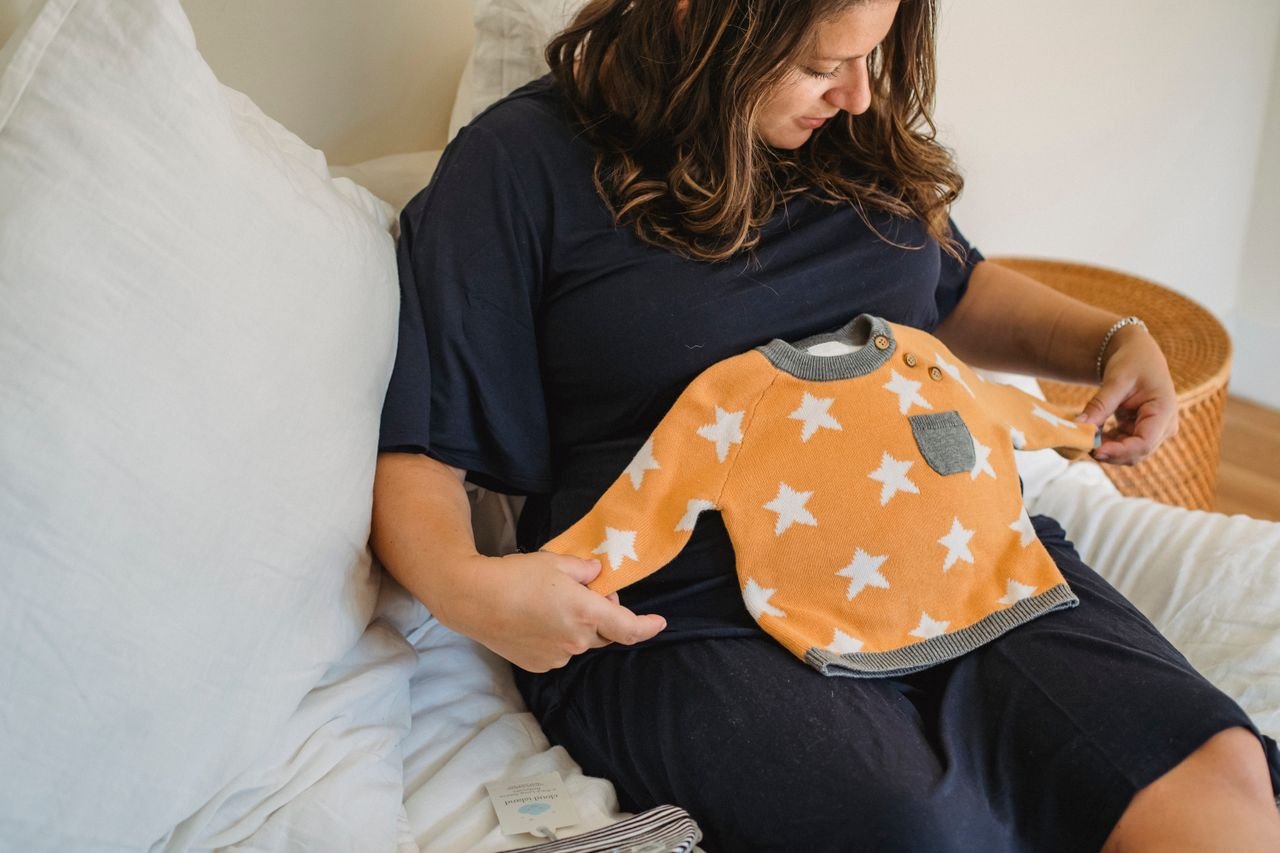
The last weeks of pregnancy can feel like waiting for a phone call. Labour may begin at 2 a.m., in heavy traffic, or a week before your due date. A packed bag and a list of answered questions remove much of the panic from that moment.
This guide covers both halves of the preparation. The first half explains what to pack for you, your baby and your birth partner. The second half lists questions to ask your doctor before labour starts. The advice draws on World Health Organization (WHO) recommendations, CDC guidance and Indian health data. It also reflects practical needs in the Chandigarh Tricity region, such as highway travel and paperwork.
Key Takeaways
- Pack two bags by 36 to 37 weeks: one for labour and one for the ward stay.
- Keep your Mother and Child Protection (MCP) card, photo ID, scan reports and insurance papers in one folder.
- Ask your doctor about induction, C-section, pain relief, birth companions and newborn care before labour begins.
- Learn when to go to the hospital: strong, regular contractions, leaking water, bleeding, or reduced baby movement.
- Visit the hospital once before your due date and test your route.
- Know the warning signs that need urgent help after birth.
When to Pack Your Hospital Bags
Most maternity guides suggest packing by 36 to 37 weeks. Babies rarely follow the calendar, so an early bag saves stress. If you are expecting twins, or your doctor expects an early delivery, pack sooner.
Many parents find two bags easier. One is for labour. The other is for you and your baby after the birth. Your birth partner can bring the second bag later, which keeps the labour room uncluttered.
Pack for at least a couple of days, even if you hope to go home early. A planned C-section usually means a longer stay, so ask your hospital what to expect. Many hospitals also supply basics such as towels and blankets. Ask which items they provide so you do not carry duplicates.
What to Pack for Yourself
The labour bag
This bag holds what you need from the first strong contraction until the baby arrives.
- A loose, old cotton nightdress or T-shirt that you do not mind staining
- Socks, plus slippers or flip-flops for walking around the ward
- Hair ties, a small towel or flannel, and lip balm
- A water bottle with a straw or sports cap, which is easier than a cup
- Light snacks and glucose sweets, if the hospital allows food from home
- Your phone, a charger and a power bank, ideally with a long cable
- Your regular medicines in their original packs
- A copy of your birth plan, if you have written one
- Headphones and a calming playlist
A birth plan is a short note of your preferences. It can cover pain relief, birth positions and who stays with you. Keep it to one page and discuss it with your doctor first.
Avoid heavy meals during labour, since nausea is common. Light snacks and sips of fluid are easier to manage.
The after-birth bag
This bag covers your stay on the ward.
- Two or three front-opening nightdresses or loose kurtas, which make breastfeeding easier
- Nursing bras and breast pads, if you plan to breastfeed
- Large packs of maternity pads, since bleeding after birth is heavier than a period
- Soft cotton underwear in a large size, or disposable briefs
- A toothbrush, toothpaste, soap, shampoo and a comb
- Comfortable clothes for going home
- A small pillow, if you sleep better with your own
- A plastic bag for used clothes
- Some cash and a bank card
Maternity pads are usually thicker and softer than ordinary sanitary pads. They are a comfortable choice after birth.
Documents to Carry in One Folder
Paperwork can cause more delay at admission than a forgotten nightdress. Keep everything together in a waterproof folder. Photograph each page on your phone as a backup.
- Your Mother and Child Protection (MCP) card, a joint initiative of two government ministries. The card tells mothers to keep it safe and carry it along.
- Photo ID for you and your partner, such as an Aadhaar card
- All antenatal records, including ultrasound scans, blood group and other test reports
- Your health insurance policy, cards and any cashless approval details
- A list of your medicines, allergies and past surgeries
- Phone numbers for your doctor, the hospital and a family member who can help
Ask the admission desk which documents the hospital needs for registration. Also ask how the hospital helps families register the baby at birth.
What to Pack for Your Baby
Newborns need very little in the first few days. Pack a few soft items and keep them easy to find.
- Three or four cotton sleepsuits and vests in newborn size
- Two or three caps, plus socks and scratch mittens
- Soft swaddle cloths or light blankets
- A pack of newborn nappies and cotton wool or gentle wipes
- One outfit for going home
- An infant car seat, if you will travel by car
Choose layers, so you can add or remove clothing as your baby’s temperature changes. Place a nappy, hat and vest in a zip bag at the top. Your partner can then find them in seconds.
Carry your baby’s vaccination record too. India’s National Immunization Schedule lists three vaccines at birth. They are BCG, oral polio vaccine (zero dose) and the hepatitis B birth dose. Ask your pediatrician when your baby will receive them.
What Your Birth Partner Should Bring
Birth partners often forget themselves. A tired, hungry partner cannot support you well.
- Comfortable clothes and a spare set
- Their own ID, phone, charger and power bank
- Water and snacks
- Cash for the pharmacy, parking and vending machines
- A list of people to call after the birth
Your partner should also know the fastest route to the hospital. Keep the fuel tank full from 36 weeks onwards. Highway traffic can slow you down at certain hours, so test the drive at different times of day.
If You Are Having a Planned C-Section
A planned caesarean follows a different timetable. Your bags stay mostly the same, but a few details change.
- Ask when to arrive and when to stop eating and drinking. The hospital will give exact instructions.
- Choose soft, loose clothing with a high waist. Many women find it more comfortable around the wound.
- Pack extra pads, underwear and nightwear for a longer stay.
- Ask whether your partner can stay with you in the theatre and afterwards.
Planned surgery is the right choice for many women. The aim is to understand your reasons, so you feel prepared.
What to Ask Your Doctor Before Delivery
Questions matter as much as nappies. The WHO describes a positive childbirth experience in clear terms. It includes a healthy baby, kind and skilled staff, and support from a companion. The WHO recommends respectful care, clear communication and informed choice for every woman.
Raise these questions in your last trimester, with a month or more to spare. Write the answers down. Bring your partner, so two people hear the same advice.
Who will manage my delivery?
Ask whether your own doctor will deliver your baby. If she is unavailable, find out who covers for her. Ask whether you can meet that person during your antenatal visits.
Also ask which specialists are in the hospital around the clock. These include an anaesthetist and a pediatrician. Emergencies do not wait for office hours.
When should I come to the hospital, and whom do I call?
Every doctor gives slightly different advice. Ask for your personal rule on contractions, leaking water and baby movements. Ask which number to call at night and which entrance to use.
What are my chances of induction or a C-section?
This question needs honest, calm answers. A C-section saves lives when labour is obstructed or the baby is in distress. It is also major surgery, and it is not always necessary.
Indian data show why the question matters. NFHS-5 figures report C-sections in about 47% of births in private facilities, against about 12% in public ones. A study in The Lancet Regional Health Southeast Asia found the national rate was 21.5%, with wide variation between states. The Government of India has also told Parliament what the WHO says. Population rates above 10% were not linked to fewer maternal and newborn deaths, as noted in a Lok Sabha reply.
These numbers describe populations. They do not describe your pregnancy. Ask questions about your own situation:
- What medical reasons would make you recommend a C-section for me?
- If my labour is slow, what will you try first?
- If I want a vaginal birth, how will you support that?
- If you recommend induction, what is the reason and what are the risks?
A good doctor will welcome these questions. You deserve clear reasons, not vague answers.
What pain relief is available?
The WHO recommends pain relief based on the woman’s own preference. Ask what the hospital offers, and when each option is available. An epidural needs an anaesthetist, so ask whether one is present at night.
Also ask about non-drug methods, such as walking, changing position and massage. Antenatal classes can teach breathing and coping skills. Hospitals such as Advamed Hospital run pregnancy care classes, including Lamaze and Baby Blooms, so check what your hospital offers.
Can my birth companion stay with me?
The WHO recommends a companion of choice for all women throughout labour and birth. Policies differ between hospitals. Ask whether your companion can stay during normal birth, in the operation theatre and overnight on the ward.
What happens to my baby in the first hour?
WHO guidance and India’s national schedule cover several simple steps for healthy newborns. Ask whether your hospital follows each of them:
- Drying and warming the baby straight after birth
- Skin-to-skin contact with you for the first hour
- Starting breastfeeding within the first hour
- Waiting at least one minute before clamping the cord, unless the baby needs urgent help
- A vitamin K injection for the baby
- The three birth-dose vaccines on India’s national schedule
The WHO newborn care guidance says skin-to-skin contact helps keep the baby warm and supports breastfeeding. You can read more in the WHO essential newborn care handbook.
Is a newborn intensive care unit available?
Most babies need no special care. Some need help with breathing, temperature or jaundice. Ask whether the hospital has a NICU on site. Ask who looks after babies there, and what equipment is available.
If the baby must be moved elsewhere, you also need to know where and how. A hospital with maternity and neonatal care under one roof can avoid a rushed transfer. That is a useful point to settle before labour.
How long will I stay, and what will it cost?
Ask for a written estimate for normal delivery and for a C-section. Check what it includes: the room, doctor fees, medicines, baby care and any NICU stay. If you have insurance, ask how approval works and how long it takes.
Money worries add stress at a hard time. Clear numbers early prevent arguments later.
What feeding and follow-up support will I get?
Ask whether a trained person helps with latching in the first days. Ask when the baby’s first check-up is due. Ask when you should return for your own review.
When to Leave for the Hospital
Early labour can last many hours. Maternity guides note that it often lasts 6 to 12 hours, and sometimes 24 or more. Most women do best at home during this phase, resting and drinking fluids.
Go to the hospital, or call your doctor, if any of these happen:
- Your water breaks, with or without contractions
- You have bleeding that is heavier than spotting
- Your baby moves much less than usual
- Contractions become strong and regular, in the pattern your doctor gave you
- You feel severe, constant pain
- You feel worried and cannot settle at home
Some hospitals use a “5-1-1” pattern as a guide. That means contractions about five minutes apart, lasting a minute each, for an hour. Others use a different rule, so follow your own doctor’s advice.
If your water breaks, note the colour, smell and amount of fluid. Tell the staff when you call. Going to hospital after the water breaks lowers the risk of infection.
You may be sent home if labour is still early. That is normal and does not mean you came for nothing. Being checked is better than waiting at home with a worry.
If You Conceived Through IVF or Fertility Treatment
Many couples reach the delivery stage after long months of treatment. Your care may need a little extra planning.
A report from the Royal College of Obstetricians and Gynaecologists (RCOG) found higher risks after IVF. These include preterm birth and low birth weight. Part of the risk comes from twins and other multiple pregnancies. For most women, the absolute risk remains small.
This is a reason to plan, not a reason to fear. Ask your doctor these questions:
- Do you treat my pregnancy as higher risk, and why?
- At what week do you expect to deliver?
- What is the plan if my baby arrives early?
- Is a NICU available at the hospital where I will deliver?
Bring your fertility treatment summary to the hospital. It should include the date of embryo transfer and any medicines you took. Your obstetric team can then see the full picture.
Continuity helps here. An advanced IVF hospital in Zirakpur that also provides maternity and neonatal care can make handovers between teams simpler. Advamed Hospital is one such example. Its fertility programme is led by Dr. Nupur Sharma, who has over 15 years of experience in infertility and high-risk pregnancies. You can read more about its fertility care team on the hospital website.
Visit the Hospital Before Your Due Date
A short tour calms many nerves. If you are weighing an advanced IVF hospital or another centre, ask whether it offers one. Use the visit to check the practical details:
- Where to park and which entrance to use at night
- How the admission process works
- What the labour room and ward look like
- Where the NICU is and what it contains
- What the rules are for visitors and birth companions
Check your own comfort level too. Do the staff answer questions patiently? Do you feel heard?
Whichever hospital you choose, ask to see these things yourself. A tour tells you more than a brochure.
Warning Signs to Know Before You Go Home
Complications can appear after you leave the hospital. The CDC’s Hear Her campaign says problems from pregnancy can occur up to a year after birth. It is normal to feel tired and sore, but some symptoms need urgent care.
Get medical help right away if you have any of these:
- A severe headache that does not go away or keeps getting worse
- Dizziness or fainting, or changes in your vision
- A fever of 38°C (100.4°F) or higher
- Trouble breathing, chest pain or a fast heartbeat
- Heavy vaginal bleeding, or discharge that smells bad
- Severe belly pain that does not settle
- Swelling, redness or pain in one leg
- Extreme swelling of the hands or face
- Overwhelming tiredness
- Thoughts of harming yourself or your baby
You can read the full list on the CDC maternal warning signs page. If you cannot reach your doctor, go to an emergency department. Tell the staff that you recently gave birth.
Share this list with your partner and family. They may notice a change before you do.
FAQs
1. When should I pack my hospital bag for delivery?
Many expectant parents prepare their hospital bags around 36–37 weeks of pregnancy. If you are expecting twins or your healthcare provider anticipates an early delivery, prepare sooner.
2. What documents should I carry for hospital delivery in India?
Keep your MCP card, photo ID, antenatal records, ultrasound reports, test results, blood group information, insurance documents and a list of medicines and allergies together. Check your hospital’s admission requirements in advance.
3. What should I pack in a hospital bag for my newborn?
Pack a few newborn outfits, vests, caps, socks, nappies, swaddle cloths and an outfit for going home. Confirm what the hospital supplies before packing.
4. What questions should I ask my doctor before delivery?
Ask when to come to the hospital, whom to contact after hours, what pain-relief options are available, when induction or a C-section might be recommended, whether a birth companion can stay with you, and what newborn care and follow-up support the hospital provides.
5. What are the warning signs that mean I should go to the hospital during pregnancy?
Urgent concerns include vaginal bleeding, leaking fluid, reduced baby movements, severe or persistent pain and other symptoms identified by your healthcare provider. Contact your maternity team promptly, and seek emergency care for urgent warning signs rather than waiting for contractions to follow a particular pattern.
6. What should I pack for a planned C-section?
In addition to standard maternity essentials, consider extra nightwear, maternity pads, comfortable high-waisted clothing and personal-care items for a potentially longer stay. Follow your hospital’s specific instructions on eating, drinking and admission timing.
Final Thoughts
Preparing for delivery comes down to two jobs. Pack the things that make the stay comfortable, and ask the questions that make the birth safer. Start both by 36 weeks, and keep your bags and folder by the door.
Your doctor knows your health history best, so her advice comes first. This article is general information and does not replace medical care. Write your questions down, take your partner to the next antenatal visit, and ask for clear answers.