


Pregnancy is an exciting journey, but for many moms-to-be, it also comes with an unpleasant side effect—morning sickness. If you’ve been searching for morning sickness remedies that really work, you’re not alone. Around 70–80% of pregnant women experience some degree of nausea or vomiting during early pregnancy. While it’s commonly called “morning sickness,” these symptoms can occur at any time of the day—or even last all day.
The good news is that several safe, natural, and doctor-recommended pregnancy nausea remedies can help reduce discomfort and make your first trimester more manageable. From eating the right foods and staying hydrated to using ginger, lemon, and lifestyle changes, small adjustments can make a significant difference.
In this comprehensive guide, we’ll explore the best morning sickness remedies, explain what causes pregnancy nausea, discuss when symptoms usually start and end, and share practical tips backed by medical recommendations. Whether you’re looking for natural remedies for morning sickness, home remedies for pregnancy nausea, or wondering how to stop morning sickness naturally, this guide has you covered.
Quick Answer: The most effective morning sickness remedies include eating small, frequent meals, staying hydrated, trying ginger or lemon, getting enough rest, avoiding trigger foods, and speaking with your healthcare provider about Vitamin B6 or other treatments if symptoms become severe.
What Is Morning Sickness?
Morning sickness refers to nausea and vomiting during pregnancy, most commonly experienced during the first trimester. Despite its name, morning sickness during pregnancy isn’t limited to the morning. Some women feel nauseous only after waking up, while others experience symptoms throughout the day or even during the night.
The intensity also varies from one pregnancy to another. Some women have mild nausea that doesn’t interfere with daily life, while others may experience frequent vomiting that requires medical attention.
Morning Sickness vs. Pregnancy Nausea
Although people often use these terms interchangeably, they are slightly different:
| Morning Sickness | Pregnancy Nausea |
|---|---|
| May include nausea with or without vomiting | Refers specifically to the feeling of nausea |
| Common during the first trimester | Can occur throughout pregnancy |
| Often triggered by hormonal changes | May also be influenced by smell, food, fatigue, and stress |
The exact cause isn’t fully understood, but experts believe that pregnancy hormones, increased sensitivity to smells, slower digestion, and changes in metabolism all contribute to first-trimester nausea.
Can Morning Sickness Last All Day?
Yes. Many women experience what’s often called all-day morning sickness. Despite the misleading name, nausea can strike:
- Early morning
- Afternoon
- Evening
- During the night
- After eating
- When the stomach is empty
If you’re experiencing morning sickness all day, don’t worry—it doesn’t necessarily indicate a problem with your pregnancy. However, if you’re unable to keep food or fluids down for an extended period, it’s important to consult your healthcare provider.
Common Symptoms of Morning Sickness
Morning sickness symptoms can include:
- Persistent nausea
- Vomiting
- Food aversions
- Increased sensitivity to smells
- Excessive salivation
- Loss of appetite
- Feeling queasy after eating
- Motion sickness that worsens during pregnancy
These symptoms often come and go, and the severity may change from day to day.
Quick Facts About Morning Sickness
| Fact | Details |
|---|---|
| How common is it? | Around 70–80% of pregnant women experience it. |
| When does it start? | Usually between weeks 4 and 6 of pregnancy. |
| When is it worst? | Often peaks around weeks 8–10. |
| When does it improve? | Most women feel better by weeks 14–16. |
| Can it last all day? | Yes, despite the name “morning sickness.” |
| Is it dangerous? | Usually no, but severe vomiting requires medical attention. |
When Does Morning Sickness Start and End?

One of the most common questions expecting mothers ask is, “When does morning sickness start?”
While every pregnancy is different, there’s a general timeline most women experience.
Morning Sickness Timeline
| Pregnancy Week | What Usually Happens |
|---|---|
| Week 4 | Mild nausea may begin for some women. |
| Week 5–6 | Symptoms become more noticeable. |
| Week 7–8 | Food aversions and nausea often increase. |
| Week 8–10 | Symptoms usually reach their peak. |
| Week 11–13 | Many women begin noticing gradual improvement. |
| Week 14–16 | Morning sickness often subsides. |
| After Week 16 | Some women continue experiencing nausea into the second or even third trimester. |
It’s important to remember that these milestones are averages. Some women never experience morning sickness, while others may continue feeling nauseous throughout pregnancy.
How Long Does Morning Sickness Last?
For most pregnancies, morning sickness lasts from the first trimester until around 14–16 weeks. However:
- Some women recover earlier.
- Some experience occasional nausea until delivery.
- Women carrying twins or higher-order multiples may have more prolonged symptoms due to higher pregnancy hormone levels.
If you’re wondering how long morning sickness lasts, the answer depends on your body, hormone levels, and individual pregnancy.
ParentingFinds Tip: Keep a symptom diary to identify patterns. You may notice that certain foods, smells, or times of day trigger your nausea, making it easier to avoid them.
What Causes Morning Sickness?
Despite decades of research, scientists still don’t know one exact cause of morning sickness during pregnancy. Instead, experts believe several factors work together to trigger pregnancy nausea.
1. Pregnancy Hormones (hCG)
One of the biggest contributors is human chorionic gonadotropin (hCG), a hormone produced soon after implantation.
Interestingly, hCG levels rise rapidly during the same weeks that morning sickness is most severe, suggesting a strong connection.
Women with:
- Twin pregnancies
- Multiple pregnancies
- Molar pregnancies
often have higher hCG levels and may experience more intense nausea.
2. Increased Estrogen Levels
During pregnancy, estrogen levels increase significantly. Higher estrogen levels may heighten your sense of smell and make everyday odors feel overwhelming.
Common smell triggers include:
- Coffee
- Perfumes
- Cooking oil
- Garlic
- Onion
- Cigarette smoke
- Cleaning products
This increased sensitivity explains why certain smells suddenly become unbearable during early pregnancy.
3. Slower Digestion
Pregnancy hormones also relax the muscles of your digestive tract. As a result:
- Food stays in the stomach longer.
- Digestion slows down.
- Acid reflux may become more common.
- Feelings of fullness and nausea increase.
This is one reason eating small, frequent meals is often one of the most effective morning sickness remedies.
4. Blood Sugar Fluctuations
Going too long without eating can cause blood sugar levels to drop, making nausea worse.
Many women notice they feel especially sick:
- First thing in the morning
- Between meals
- After skipping breakfast
Keeping healthy snacks nearby can help stabilize blood sugar and reduce nausea.
5. Heightened Sense of Smell
Pregnancy often makes your nose incredibly sensitive. Even pleasant scents can suddenly trigger nausea.
Some common triggers include:
- Fried foods
- Strong spices
- Fish
- Eggs
- Garbage bins
- Air fresheners
- Pet food
Avoiding strong odors and improving ventilation at home are simple but effective pregnancy nausea remedies.
6. Evolutionary Protective Response
Some researchers believe morning sickness may have evolved as a natural protective mechanism. The theory suggests that nausea and food aversions encourage pregnant women to avoid foods that could have posed a higher risk of foodborne illness during early fetal development.
While this idea is still debated, it may help explain why aversions often occur with foods such as meat, eggs, fish, and strong-smelling dishes.
Is Morning Sickness Normal?
Yes. In most cases, morning sickness is a normal part of pregnancy and does not harm your baby. Many women experience nausea without any complications, while others have healthy pregnancies without any morning sickness at all.
However, if you’re unable to keep liquids down, experience significant weight loss, feel dizzy, or notice signs of dehydration, seek medical advice promptly, as these symptoms could indicate a more serious condition such as Hyperemesis Gravidarum, which requires medical treatment.
15 Morning Sickness Remedies That Really Work

The good news is that there isn’t a single “magic cure” for morning sickness during pregnancy, but there are many doctor-recommended and natural remedies for morning sickness that have helped millions of pregnant women find relief. Since every pregnancy is unique, you may need to try a combination of these strategies to discover what works best for you.
1. Eat Small, Frequent Meals
One of the most effective morning sickness remedies first trimester experts recommend is eating small meals every 2–3 hours instead of three large meals.
An empty stomach can worsen nausea because stomach acids continue to build up, while large meals may overload your digestive system and make you feel even sicker.
Why It Works
- Keeps blood sugar stable.
- Prevents an empty stomach.
- Reduces acid buildup.
- Easier on your digestive system.
Foods to Include
- Plain toast
- Dry crackers
- Oatmeal
- Yogurt
- Banana
- Apple slices
- Roasted makhana
- Plain poha
- Idli
- Khichdi
Best for: Women wondering how to stop morning sickness naturally or what helps morning sickness throughout the day.
2. Never Let Your Stomach Stay Empty
Many women notice that nausea is worst first thing in the morning because they haven’t eaten for several hours overnight.
Keeping a light snack by your bedside and eating it before getting out of bed can significantly reduce morning nausea.
Good Bedside Snacks
- Plain digestive biscuits
- Whole-grain crackers
- Dry cereal
- Rice cakes
- Roasted chana
- Unsalted nuts
After eating, wait 10–15 minutes before standing up.
Why It Works
Low blood sugar is a common trigger for pregnancy nausea. Eating before you feel hungry helps maintain stable energy levels and may reduce nausea.
Pro Tip: Don’t wait until you’re starving to eat. Hunger often makes first trimester nausea worse.
3. Eat Plain Crackers Before Getting Out of Bed
This simple trick has been recommended by obstetricians for decades—and for good reason.
Dry crackers help absorb excess stomach acid and gently settle the stomach before you begin your day.
How to Use This Remedy
- Keep crackers beside your bed.
- Eat 2–3 crackers immediately after waking.
- Stay seated for about 10 minutes.
- Sip a little water if tolerated.
- Get out of bed slowly.
This small habit may noticeably improve morning sickness relief, especially during the first trimester.
Other Good Alternatives
- Plain toast
- Dry biscuits
- Rice crackers
- Plain rusk
- Dry cereal
4. Try Fresh Ginger
When people ask, “What is the best natural remedy for morning sickness?”, ginger is almost always at the top of the list.
Research suggests that ginger may help reduce pregnancy-related nausea for many women when consumed in moderation.
Why Ginger Helps
Ginger contains natural compounds called gingerols and shogaols, which may help calm the stomach and improve digestion.
Ways to Use Ginger
- Fresh ginger tea
- Ginger slices in warm water
- Ginger candies
- Ginger chews
- Ginger biscuits
- Ginger capsules (only under medical guidance)
Simple Ginger Tea Recipe
Ingredients
- 1-inch fresh ginger
- 1 cup hot water
- Lemon slice (optional)
- Honey (optional)
Steep for 5–10 minutes and sip slowly.
Safety Note
While ginger is generally considered safe in moderate amounts during pregnancy, consult your healthcare provider before taking ginger supplements or consuming large quantities.
Best for: Women searching for ginger for morning sickness, natural remedies for morning sickness, and pregnancy nausea relief.
5. Sip Lemon Water
Lemon is another popular home remedy for morning sickness that many pregnant women find refreshing.
The citrus aroma and flavor may help reduce feelings of nausea, especially when strong food smells are triggering symptoms.
Ways to Try Lemon
- Warm lemon water
- Cold lemon water
- Lemon slices in drinking water
- Fresh lemonade (low sugar)
- Smelling a freshly cut lemon
Why It Helps
- Refreshes the palate.
- Encourages hydration.
- May reduce unpleasant tastes in the mouth.
- Helps some women manage food aversions.
ParentingFinds Tip
Freeze lemon slices into ice cubes and add them to your water bottle for a refreshing drink throughout the day.
Remember: Lemon helps many women, but not everyone. If citrus worsens acid reflux, choose another remedy instead.
6. Stay Hydrated
Dehydration can quickly make nausea worse, and vomiting increases fluid loss.
Even if you don’t feel like drinking, aim to sip fluids throughout the day rather than consuming large amounts at once.
Best Drinks for Pregnancy Nausea
- Water
- Coconut water
- Lemon water
- Oral rehydration solution (if advised)
- Clear vegetable broth
- Ginger tea
- Electrolyte drinks (doctor-approved)
- Homemade fruit-infused water
Hydration Tips
- Sip every 15–20 minutes.
- Drink between meals instead of during meals.
- Use a straw if it helps.
- Try chilled drinks if warm beverages worsen nausea.
- Keep a reusable water bottle nearby.
Signs of Dehydration
- Dark urine
- Dry mouth
- Dizziness
- Fatigue
- Headache
- Reduced urination
If you’re unable to keep fluids down for several hours, contact your healthcare provider promptly.
Best for: Women looking for pregnancy vomiting remedies and safe remedies for pregnancy nausea.
7. Ask Your Doctor About Vitamin B6
Vitamin B6 (pyridoxine) is one of the most commonly recommended treatments for mild to moderate morning sickness.
Several medical organizations recognize Vitamin B6 as a treatment option for pregnancy-related nausea, but it should always be taken under medical supervision.
How Vitamin B6 May Help
- Reduces nausea in some pregnant women.
- May decrease the frequency of vomiting.
- Often recommended before stronger medications.
Important Safety Advice
- Never self-medicate during pregnancy.
- Only take the dosage recommended by your healthcare provider.
- Inform your doctor about all supplements you’re taking.
Sometimes, if Vitamin B6 alone isn’t enough, your healthcare provider may recommend combining it with other safe anti-nausea treatments.
ParentingFinds Reminder: Every pregnancy is different. What works for one mom may not be suitable for another.
8. Wear Acupressure Wristbands
Acupressure wristbands, often sold under brands such as Sea-Band®, are drug-free bands that apply gentle pressure to the P6 (Neiguan) pressure point on your wrist.
These bands have been used for motion sickness and are also popular among pregnant women seeking natural remedies for pregnancy nausea.
How They Work
The wristband continuously stimulates a pressure point believed to help reduce nausea signals.
Benefits
- Drug-free
- Reusable
- Easy to wear all day
- No known medication interactions
- May help mild nausea
Do They Work?
Some women report noticeable relief, while others experience little change. Scientific studies show mixed results, but because the bands are non-invasive and generally considered safe, they may be worth trying after discussing them with your healthcare provider.
Best Times to Wear Them
- During travel
- Before meals
- While cooking
- During periods when nausea is usually strongest
9. Eat More Protein-Rich Snacks
Many pregnant women find that meals containing protein keep them feeling satisfied longer and may help reduce nausea better than meals high in refined carbohydrates alone.
Protein also helps maintain stable blood sugar levels, which can prevent sudden hunger-related nausea.
Protein-Rich Pregnancy Snacks
- Greek yogurt
- Plain yogurt with fruit
- Paneer cubes
- Boiled eggs (if tolerated)
- Roasted chana
- Almonds
- Walnuts
- Peanuts (if no allergy)
- Cottage cheese
- Peanut butter on whole-grain toast
- Chickpea salad
- Sprouts (well-cooked during pregnancy)
Why It Works
Protein digests more slowly than simple carbohydrates, helping you avoid sudden drops in blood sugar that can worsen first trimester nausea.
ParentingFinds Tip
Try combining protein with healthy carbohydrates.
Examples:
- Apple + peanut butter
- Yogurt + oats
- Paneer + whole wheat toast
- Banana + almonds
10. Avoid Foods That Trigger Nausea
One of the easiest ways to reduce morning sickness during pregnancy is to identify foods that consistently make your symptoms worse.
Since every pregnancy is different, your trigger foods may be completely different from someone else’s.
Common Trigger Foods
- Deep-fried foods
- Oily curries
- Spicy dishes
- Very sugary desserts
- Processed snacks
- Strong-smelling seafood
- Heavy cream-based meals
- Fast food
- Excessively greasy foods
Strong Smells Can Also Trigger Nausea
You may notice nausea around:
- Coffee
- Garlic
- Onion
- Perfumes
- Cleaning products
- Cigarette smoke
- Cooking oil
Keep a Food Journal
Writing down what you eat and when nausea occurs can help you identify patterns and avoid unnecessary discomfort.
11. Get Plenty of Rest
Fatigue can significantly worsen pregnancy nausea.
Your body is working incredibly hard during the first trimester, and lack of sleep may increase stress hormones that make nausea feel even worse.
Tips for Better Rest
- Sleep 7–9 hours each night.
- Take short daytime naps if needed.
- Avoid staying up late.
- Reduce screen time before bed.
- Keep your bedroom cool and well-ventilated.
Why It Helps
Better sleep supports hormone regulation, improves energy levels, and may make it easier to cope with morning sickness throughout the day.
12. Improve Air Circulation
Fresh air may not seem like a treatment, but many pregnant women report immediate relief after stepping outside or improving ventilation indoors.
Simple Ways to Improve Air Quality
- Open windows while cooking.
- Use an exhaust fan.
- Spend time outdoors.
- Avoid smoky environments.
- Ask someone else to cook if food smells trigger nausea.
ParentingFinds Tip
If cooking smells are overwhelming, prepare cold meals or ask a family member to help during the first trimester.
13. Try Cold Foods Instead of Hot Meals
Hot foods release stronger aromas, which can trigger nausea.
Cold or room-temperature foods usually have milder smells and are often easier to tolerate.
Pregnancy-Friendly Cold Foods
- Yogurt
- Fruit salad
- Watermelon
- Apples
- Grapes
- Smoothies (pasteurized ingredients)
- Overnight oats
- Chilled coconut water
- Curd rice
- Cold pasta salad (prepared safely)
Why It Helps
Less aroma means fewer smell triggers, making cold foods one of the easiest home remedies for morning sickness.
14. Stay Active with Gentle Exercise
Although exercise may sound difficult when you’re feeling nauseous, light movement can actually improve digestion and reduce stress.
Always consult your healthcare provider before starting any exercise routine during pregnancy.
Safe Activities
- Walking
- Prenatal yoga
- Gentle stretching
- Deep breathing exercises
- Pregnancy-approved fitness classes
Benefits
- Better digestion
- Reduced stress
- Improved sleep
- Increased energy
- Enhanced overall well-being
Even a 15–20 minute walk after meals may help reduce bloating and mild nausea.
15. Take Prenatal Vitamins at the Right Time
Prenatal vitamins are essential for a healthy pregnancy, but some women notice that taking them on an empty stomach increases nausea.
Helpful Tips
- Take vitamins after a meal if advised by your healthcare provider.
- Many women tolerate them better after dinner or before bedtime.
- Never skip prenatal vitamins without medical advice.
If iron-containing prenatal vitamins worsen nausea, your healthcare provider may suggest an alternative formulation or timing.
Important: Always follow your healthcare provider’s recommendations regarding prenatal supplements.
Best Foods for Morning Sickness
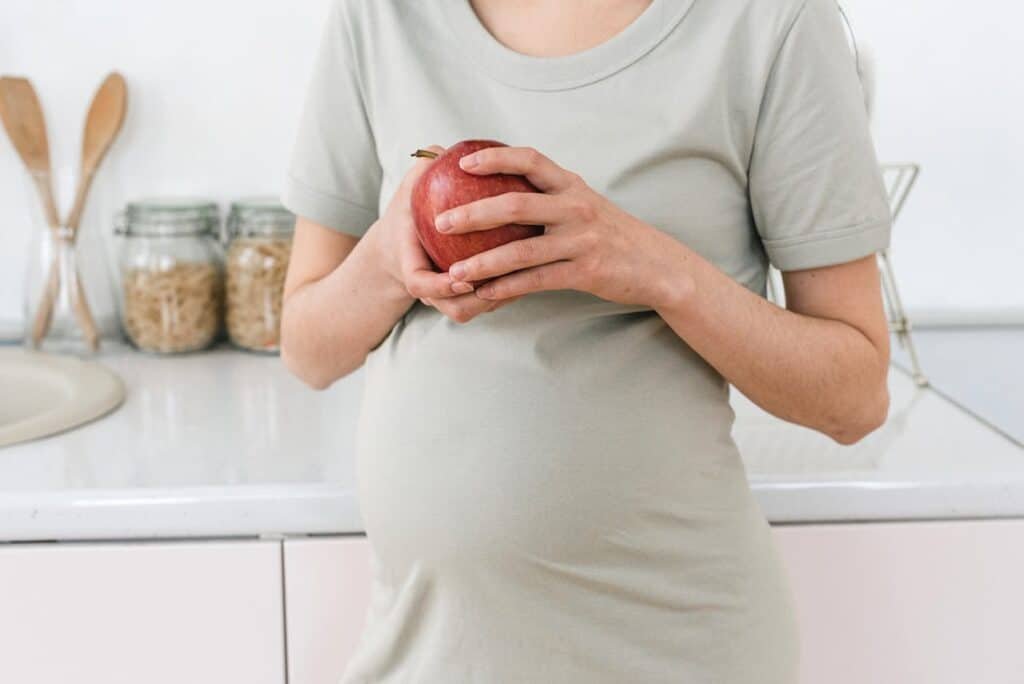
Choosing the right foods can make a noticeable difference in managing pregnancy nausea. The goal is to select foods that are easy to digest, nutritious, and less likely to trigger nausea.
Foods That Help Morning Sickness
| Food | Why It Helps |
|---|---|
| Bananas | Gentle on the stomach and rich in potassium. |
| Apples | Easy to digest and refreshing. |
| Plain toast | Helps absorb stomach acid. |
| Dry crackers | Excellent before getting out of bed. |
| Oatmeal | Provides slow-release energy. |
| Rice | Mild, bland, and easy to digest. |
| Plain khichdi | Light, nutritious, and comforting. |
| Idli | Soft, low in fat, and easy to digest. |
| Poha | Light breakfast option when lightly seasoned. |
| Curd rice | Cooling and gentle on digestion. |
| Yogurt | Good source of protein and probiotics. |
| Coconut water | Helps maintain hydration and electrolytes. |
| Watermelon | Hydrating and easy to tolerate. |
| Ginger | May naturally reduce nausea. |
| Lemon | Refreshing flavor that may ease nausea. |
| Boiled potatoes | Bland and filling. |
| Roasted makhana | Light, crunchy, and nutritious. |
| Roasted chana | Protein-rich and convenient. |
Also Read: Pregnancy Diet Chart Month-by-Month (Indian Moms Guide for Healthy Baby & Easy Delivery)
Sample One-Day Meal Plan for Morning Sickness
| Time | Meal |
|---|---|
| Upon waking | 2–3 plain crackers before getting out of bed |
| Breakfast | Vegetable poha with yogurt |
| Mid-morning | Banana and coconut water |
| Lunch | Plain khichdi with curd |
| Evening snack | Roasted makhana and lemon water |
| Dinner | Soft rice, dal, and lightly cooked vegetables |
| Before bed | Whole-grain crackers or toast |
This meal pattern helps prevent an empty stomach, supports hydration, and provides steady energy throughout the day.
Foods and Drinks to Avoid During Morning Sickness
Certain foods may worsen nausea or be harder to digest during early pregnancy.
| Food | Why It May Worsen Nausea |
|---|---|
| Deep-fried foods | High fat content slows digestion. |
| Greasy curries | Can increase stomach discomfort. |
| Very spicy foods | May trigger heartburn and nausea. |
| Sugary drinks | Cause rapid blood sugar fluctuations. |
| Excess caffeine | May irritate the stomach; stay within your healthcare provider’s recommended limits. |
| Carbonated sugary beverages | Can increase bloating for some women. |
| Strong-smelling seafood | Common smell trigger. |
| Processed fast food | Often high in fat and sodium. |
| Heavy cream sauces | Difficult to digest. |
| Large desserts | High sugar may worsen nausea. |
Also Read: 10 Foods to Avoid During Pregnancy (And Safe Alternatives)
Is Morning Sickness a Good Sign?
One of the most common pregnancy myths is that severe morning sickness always means your baby is healthier.
The truth is more nuanced.
What Research Suggests
Some studies have found an association between nausea in pregnancy and lower miscarriage rates. One theory is that rising pregnancy hormones, particularly hCG, may contribute to both healthy placental development and nausea.
However, this does not mean:
- More nausea equals a healthier baby.
- No nausea means something is wrong.
Many women experience:
✔ Healthy pregnancies with severe morning sickness.
✔ Healthy pregnancies with no morning sickness at all.
Every pregnancy is different, and symptoms vary widely from one person to another.
ParentingFinds Reassurance: Don’t compare your pregnancy with others. The presence or absence of nausea alone isn’t a reliable measure of your baby’s health.
When Morning Sickness May Be Serious
Most cases improve with lifestyle changes and time.
However, severe vomiting can sometimes develop into a condition called Hyperemesis Gravidarum (HG).
Unlike typical morning sickness, HG often requires medical treatment.
What Is Hyperemesis Gravidarum?
Hyperemesis Gravidarum is a severe form of pregnancy-related nausea and vomiting that can lead to:
- Significant dehydration
- Weight loss
- Electrolyte imbalance
- Difficulty eating or drinking
- Hospitalization in some cases
Although uncommon, early diagnosis and treatment are important.
Symptoms of Hyperemesis Gravidarum
Seek medical attention if you experience:
- Vomiting many times each day
- Inability to keep food down
- Inability to keep fluids down
- Weight loss
- Severe weakness
- Dizziness or fainting
- Very dark urine
- Rapid heartbeat
- Confusion
- Signs of dehydration
Do not try to “push through” severe symptoms on your own.
When to Call Your Doctor
While mild nausea is usually a normal part of pregnancy, certain symptoms require prompt medical evaluation.
Contact Your Healthcare Provider If You:
✔ Cannot keep liquids down for 24 hours.
✔ Cannot eat for an extended period.
✔ Notice signs of dehydration.
✔ Lose weight unintentionally.
✔ Vomit blood.
✔ Have severe abdominal pain.
✔ Develop a fever.
✔ Feel faint or lose consciousness.
✔ Have persistent dizziness.
✔ Experience vomiting that suddenly becomes much worse.
Your healthcare provider can assess whether additional treatment, hydration, or medication is needed.
Red Flags: Seek Immediate Medical Care
| Symptom | Why It’s Concerning |
|---|---|
| Vomiting blood | May indicate bleeding that requires urgent evaluation. |
| Severe dehydration | Can affect both maternal and fetal well-being if untreated. |
| Fainting | May be related to dehydration or other medical issues. |
| Rapid weight loss | Could indicate Hyperemesis Gravidarum. |
| Persistent inability to drink fluids | Increases the risk of dehydration and electrolyte imbalance. |
| Severe abdominal pain | Needs prompt medical assessment. |
| High fever | May suggest an infection rather than typical morning sickness. |
Frequently Asked Questions (FAQs)
These frequently asked questions are optimized for Google Featured Snippets, People Also Ask (PAA), and Generative Engine Optimization (GEO).
1. What is the fastest remedy for morning sickness?
There isn’t a single instant cure, but the fastest morning sickness remedies often include eating a few plain crackers before getting out of bed, sipping ginger tea or lemon water, staying hydrated, and eating small, frequent meals throughout the day. If your symptoms are severe or persistent, your healthcare provider may recommend pregnancy-safe medications.
2. Does ginger really help pregnancy nausea?
Yes. Ginger is one of the most widely studied natural remedies for morning sickness. Research suggests it may help reduce mild to moderate pregnancy-related nausea for many women. Fresh ginger tea, ginger candies, or ginger added to meals are common options, but supplements should only be taken after consulting your healthcare provider.
3. Can morning sickness last all day?
Absolutely. Despite the name, morning sickness can occur at any time of the day or night. Some women experience occasional nausea, while others may feel sick throughout the day, especially during the first trimester.
4. Which fruits help with morning sickness?
Many women tolerate hydrating, easy-to-digest fruits well during pregnancy.
Some of the best options include:
- Bananas
- Apples
- Watermelon
- Pears
- Grapes
- Oranges (if they don’t worsen acid reflux)
Choose fruits that you personally tolerate well, as triggers vary from person to person.
5. Is lemon water safe during pregnancy?
For most healthy pregnancies, lemon water is considered safe and may help reduce nausea while encouraging hydration. If you have acid reflux, heartburn, or citrus sensitivity, speak with your healthcare provider about whether lemon is suitable for you.
6. Can stress make morning sickness worse?
Yes. Although stress doesn’t directly cause morning sickness, it can make nausea feel more intense. Getting enough rest, practicing relaxation techniques, taking short walks, and asking for help with daily tasks may improve your overall well-being during pregnancy.
7. What week is morning sickness usually the worst?
For most women, morning sickness peaks between weeks 8 and 10 of pregnancy. Symptoms usually begin improving around weeks 14–16, although every pregnancy is different.
8. Should I force myself to eat when I feel nauseous?
No. Instead of forcing large meals, try eating small portions of bland foods every few hours. Crackers, toast, bananas, yogurt, poha, or khichdi are often easier to tolerate than heavy meals.
9. Can morning sickness return later in pregnancy?
Yes. While many women feel better after the first trimester, some continue to experience occasional nausea during the second or even third trimester. If nausea suddenly becomes severe later in pregnancy, consult your healthcare provider.
10. Is vomiting every day during pregnancy normal?
Occasional vomiting can be a normal part of early pregnancy. However, vomiting several times a day, losing weight, or being unable to keep food or fluids down may indicate Hyperemesis Gravidarum, which requires medical evaluation.
11. What foods help reduce pregnancy nausea?
Some of the best foods for morning sickness include:
- Dry crackers
- Plain toast
- Bananas
- Apples
- Yogurt
- Oatmeal
- Rice
- Plain khichdi
- Idli
- Roasted makhana
- Coconut water
- Ginger
Eating small meals every 2–3 hours often works better than eating three large meals.
12. When should I call my doctor about morning sickness?
Contact your healthcare provider if you:
- Cannot keep fluids down.
- Lose weight unintentionally.
- Notice signs of dehydration.
- Vomit blood.
- Feel faint or dizzy.
- Have severe abdominal pain.
- Develop a fever.
- Experience persistent vomiting that interferes with daily life.
Early treatment can help prevent complications.
Quick Summary: Morning Sickness Remedies That Really Work
| Remedy | Effectiveness |
|---|---|
| Small, frequent meals | ⭐⭐⭐⭐⭐ |
| Avoid an empty stomach | ⭐⭐⭐⭐⭐ |
| Dry crackers before getting up | ⭐⭐⭐⭐☆ |
| Fresh ginger | ⭐⭐⭐⭐⭐ |
| Lemon water | ⭐⭐⭐⭐☆ |
| Stay hydrated | ⭐⭐⭐⭐⭐ |
| Vitamin B6 (doctor-guided) | ⭐⭐⭐⭐⭐ |
| Acupressure wristbands | ⭐⭐⭐☆☆ |
| Protein-rich snacks | ⭐⭐⭐⭐☆ |
| Avoid trigger foods | ⭐⭐⭐⭐⭐ |
| Adequate rest | ⭐⭐⭐⭐☆ |
| Fresh air | ⭐⭐⭐⭐☆ |
| Cold foods | ⭐⭐⭐⭐☆ |
| Gentle exercise | ⭐⭐⭐⭐☆ |
| Take prenatal vitamins at night (if advised) | ⭐⭐⭐⭐☆ |
Final Thoughts
Morning sickness is one of the most common symptoms of early pregnancy, affecting nearly three out of four expecting mothers. While nausea and vomiting can be physically and emotionally challenging, they are usually temporary and tend to improve as pregnancy progresses.
The most effective morning sickness remedies often involve a combination of healthy eating habits, staying hydrated, getting enough rest, and avoiding personal triggers. Simple changes—such as eating small, frequent meals, trying ginger or lemon, and keeping your stomach from becoming empty—can make a significant difference for many women.
Remember that every pregnancy is unique. A remedy that works well for one person may not work for another, so don’t be discouraged if it takes some trial and error to find the right combination. Most importantly, never hesitate to seek medical advice if your symptoms become severe or you have trouble keeping food or fluids down.
With the right support, practical strategies, and guidance from your healthcare provider, you can navigate this phase with greater comfort and confidence.
Disclaimer: This article is intended for educational purposes only and should not replace professional medical advice. Always consult your obstetrician, gynecologist, or healthcare provider before taking any medication, supplement, or herbal remedy during pregnancy.