

Becoming a parent comes with countless exciting milestones, and introducing your baby to solid foods is one of the biggest. If you’ve been researching Baby-Led Weaning (BLW), you’re probably wondering whether it’s the right approach for your little one.
Unlike traditional spoon-feeding, Baby-Led Weaning allows babies to feed themselves soft, age-appropriate finger foods right from the beginning of their complementary feeding journey. Instead of being spoon-fed purees, babies explore different textures, tastes, and shapes while developing important eating skills at their own pace.
Today, more parents are choosing Baby-Led Weaning for beginners because it encourages independence, supports healthy eating habits, and allows babies to enjoy family meals from an early age. While the process may seem messy at first, it can be a fun and rewarding experience when done safely.
It’s important to remember that breast milk or infant formula remains your baby’s primary source of nutrition during the first year, especially in the early months after starting solids. Baby-Led Weaning is meant to complement milk feeds—not replace them.
In this complete Baby-Led Weaning guide, you’ll learn:
- What Baby-Led Weaning is
- Baby-Led Weaning vs traditional weaning
- When to start Baby-Led Weaning
- Signs your baby is ready
- Best first foods for Baby-Led Weaning
- Baby-Led Weaning food chart
- Safe finger foods for babies
- Baby-Led Weaning meal plan
- Foods to avoid
- Baby-Led Weaning recipes
- Choking vs gagging
- Expert tips for success
- Frequently asked questions
Whether you’re planning to start Baby-Led Weaning at 6 months, combine it with purees, or simply want to understand how it works, this guide covers everything you need to begin confidently.
What is Baby-Led Weaning?
Understanding Baby-Led Weaning
Baby-Led Weaning (BLW) is a method of introducing solid foods where babies feed themselves instead of being spoon-fed by parents. They are offered soft, easy-to-hold finger foods that they can grasp, explore, and eat independently.
The term “weaning” in Baby-Led Weaning refers to introducing complementary foods while continuing breast milk or formula—not stopping milk feeds altogether.
Rather than starting with smooth purees, babies learn to:
- Pick up food
- Bring it to their mouths
- Bite or gum soft foods
- Chew according to their developmental stage
- Swallow when ready
- Decide how much to eat
This responsive approach allows babies to control the pace of eating and helps them recognize their own hunger and fullness cues.
How Does Baby-Led Weaning Work?
When your baby shows developmental readiness—typically around 6 months of age—you can begin offering soft, appropriately prepared finger foods during family mealtimes.
For example, instead of spoon-feeding mashed banana, you might offer:
- A peeled banana cut in half
- Soft avocado slices
- Steamed carrot sticks
- Sweet potato wedges
- Soft broccoli florets
Your baby may initially:
- Touch the food
- Squeeze it
- Throw it
- Smell it
- Lick it
- Gum it
- Eventually eat small amounts
This exploration is a normal and valuable part of learning.
Remember, during the early weeks of Baby-Led Weaning, your baby may consume very little food. The primary goal is learning—not replacing milk feeds.
Why is Baby-Led Weaning Becoming So Popular?
Many families are choosing Baby-Led Weaning because it aligns with a baby’s natural curiosity and developmental abilities.
Some reasons for its growing popularity include:
- Encourages self-feeding from the start
- Builds confidence during mealtimes
- Helps babies experience different textures
- Promotes family-style eating
- May reduce mealtime battles
- Supports fine motor development
- Allows babies to practice chewing skills naturally
Parents also appreciate that Baby-Led Weaning can simplify family meals since babies can often eat modified versions of the same healthy foods the rest of the family is eating.
Is Baby-Led Weaning Right for Every Baby?
While many healthy babies enjoy Baby-Led Weaning, every child develops at their own pace.
Your pediatrician may recommend modifications if your baby:
- Was born prematurely
- Has developmental delays
- Has oral-motor difficulties
- Has certain medical conditions
- Needs additional nutritional support
Always discuss your baby’s feeding plan with your pediatrician if you have concerns or if your baby has special healthcare needs.
Baby-Led Weaning vs Traditional Weaning
One of the biggest questions parents ask is whether they should choose Baby-Led Weaning or traditional spoon-feeding.
The good news is that there’s no one-size-fits-all approach. Many families even choose a combination of both methods.
Here’s how they compare:
| Feature | Baby-Led Weaning | Traditional Weaning |
|---|---|---|
| Feeding style | Baby feeds themselves | Parent feeds baby |
| First foods | Soft finger foods | Purees |
| Control | Baby decides how much to eat | Parent controls spoon-feeding |
| Texture progression | Various textures from the beginning | Gradual progression from smooth to chunky |
| Motor skill development | Strong emphasis on self-feeding | Develops later as finger foods are introduced |
| Mealtime experience | Family-style meals | Separate feeding sessions are common |
| Independence | Encouraged from the start | Develops gradually |
| Mess level | Usually higher | Generally lower initially |
Can You Combine Both Methods?
Absolutely!
Many pediatricians support a responsive feeding approach where parents combine spoon-fed foods with self-feeding opportunities.
For example:
Breakfast:
- Oatmeal offered on a pre-loaded spoon
- Banana strips for self-feeding
Lunch:
- Soft idli fingers
- Mashed dal offered on a spoon if needed
Dinner:
- Steamed vegetables
- Paneer fingers
- Yogurt served on a pre-loaded spoon
This flexible approach is often called combination feeding or combo weaning and works well for many families.
Benefits of Baby-Led Weaning
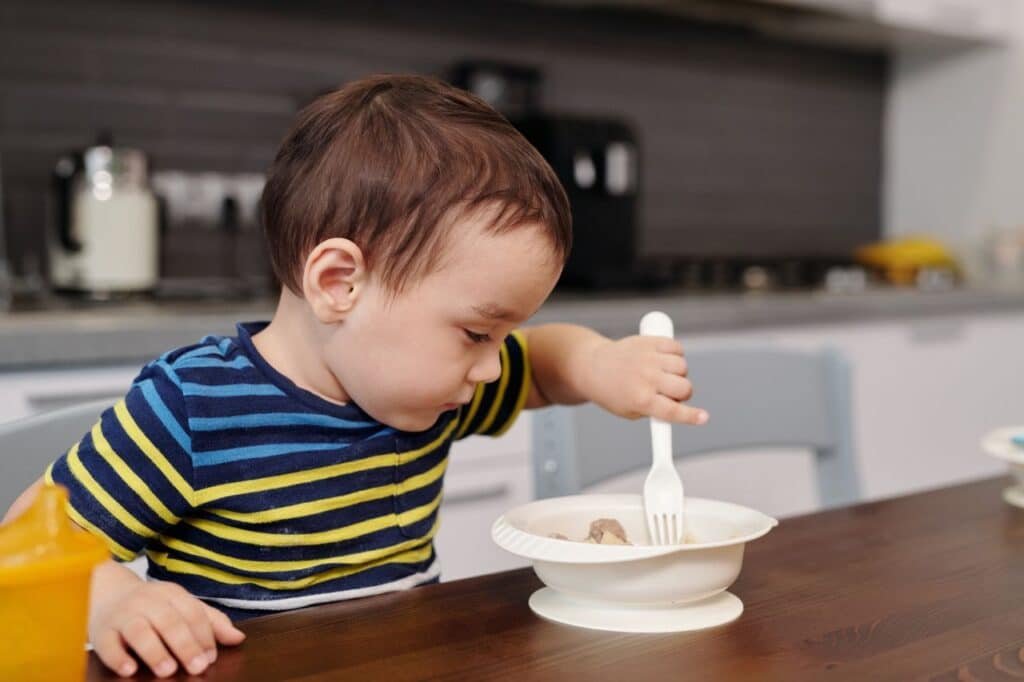
Baby-Led Weaning offers more than just a different way of introducing solids. It can support your baby’s physical, emotional, and developmental growth while making mealtimes enjoyable for the whole family.
Let’s explore the key benefits.
1. Encourages Independence
One of the biggest advantages of Baby-Led Weaning is that babies learn to feed themselves from the very beginning.
Instead of waiting for each spoonful, they:
- Choose which food to pick up
- Decide when to eat
- Learn how much they need
- Develop confidence during meals
This independence often carries over into other developmental milestones as babies grow.
2. Develops Fine Motor Skills
Picking up food requires babies to coordinate their hands, fingers, and eyes.
As they practice grasping different foods, they strengthen:
- Finger muscles
- Hand-eye coordination
- Pincer grasp
- Bilateral hand coordination
- Self-feeding skills
These abilities also support future skills such as writing, drawing, and using utensils.
3. Improves Hand-Eye Coordination
During Baby-Led Weaning, babies repeatedly practice:
- Looking at food
- Reaching for it
- Picking it up
- Bringing it to their mouth
This repetitive movement helps refine coordination and body awareness.
4. Introduces Different Textures Early
Unlike traditional puree feeding, BLW allows babies to experience a wide variety of textures from the start.
They may explore:
- Soft fruits
- Steamed vegetables
- Scrambled eggs
- Soft pasta
- Ripe mango
- Avocado
- Idli
- Paneer
- Oat fingers
Exposure to diverse textures can help babies become more comfortable with different foods as they grow.
5. Supports Healthy Eating Habits
Because babies decide how much they want to eat, they learn to recognize their own hunger and fullness cues.
This responsive feeding style may encourage:
- Better appetite regulation
- Less pressure during meals
- Reduced overeating
- Positive food experiences
- Curiosity about healthy foods
Parents focus on what foods to offer, while babies decide whether and how much to eat.
6. Makes Family Meals Easier
One of the most enjoyable aspects of Baby-Led Weaning is that babies can often eat modified versions of family meals.
Instead of preparing separate baby foods, parents can offer suitable portions of:
- Steamed vegetables
- Soft rice
- Dal
- Idli
- Paneer
- Scrambled eggs
- Soft chapati strips
- Well-cooked pasta
This encourages babies to participate in family mealtimes and observe healthy eating behaviors.
7. Encourages Food Exploration
During the first few months, babies learn through all their senses.
Expect them to:
- Squish food
- Smell it
- Taste it
- Throw it
- Drop it
- Touch different textures
Although this can create a mess, it’s an important part of sensory development and learning.
8. Helps Build Chewing Skills
Even before babies have many teeth, they use their gums and jaws to mash soft foods.
This practice helps develop:
- Jaw strength
- Oral muscles
- Chewing coordination
- Tongue movement
- Swallowing skills
These foundational skills are important as babies transition to a wider variety of foods.
9. Encourages a Positive Relationship with Food
When babies are allowed to explore food without pressure, mealtimes often become more relaxed and enjoyable.
Parents can:
- Avoid forcing bites
- Respect hunger cues
- Offer a variety of foods
- Celebrate progress instead of perfection
Over time, this can foster confidence and curiosity around eating.
Is Baby-Led Weaning Safe?
One of the first questions parents ask is, “Is Baby-Led Weaning safe?” The short answer is yes—when your baby is developmentally ready and foods are prepared safely.
Health organizations recommend introducing complementary foods around 6 months of age, while continuing breast milk or formula. Before starting Baby-Led Weaning (BLW), your baby should show signs of developmental readiness, such as sitting with minimal support, having good head and neck control, and being able to bring food to their mouth.
The key to safe Baby-Led Weaning is offering appropriate foods, supervising every meal, and understanding the difference between gagging and choking.
Important: If your baby was born prematurely, has developmental delays, swallowing difficulties, or any medical condition that affects feeding, consult your pediatrician before starting Baby-Led Weaning.
Why Baby-Led Weaning Can Be Safe
Many parents worry that self-feeding may increase the risk of choking. However, when practiced correctly, Baby-Led Weaning can be a safe way to introduce solids.
Safe Baby-Led Weaning focuses on:
- Starting around 6 months when your baby is developmentally ready
- Offering soft, appropriately sized finger foods
- Ensuring your baby sits upright in a high chair during meals
- Supervising your baby at all times while eating
- Allowing your baby to feed themselves rather than placing food directly into their mouth
- Avoiding high-risk choking foods
Remember, breast milk or infant formula should continue to provide most of your baby’s nutrition during the first year, while solid foods gradually become a larger part of their diet.
Gagging vs Choking: What’s the Difference?
Gagging and choking are not the same thing.
| Gagging | Choking |
|---|---|
| A protective reflex | Airway obstruction |
| Baby may cough or make sounds | Baby may be unable to breathe, cry or cough effectively |
| Can look alarming | Can become life-threatening quickly |
| Common while learning new textures | Requires immediate action |
Gagging can occur as babies learn to manage new textures. Choking is different and requires immediate first aid.
Parents beginning baby-led weaning choking prevention should consider taking a recognized infant CPR and choking first-aid course rather than relying only on online videos or written instructions.
How to Reduce Choking Risk During BLW
Follow these basic principles:
- Always supervise your baby while eating.
- Keep your baby sitting upright.
- Use a properly secured high chair.
- Never allow your baby to eat while lying down.
- Avoid distractions while eating.
- Prepare foods until they are soft enough for your baby’s developmental stage.
- Avoid hard, round, sticky or difficult-to-chew foods.
- Modify foods such as grapes appropriately.
- Avoid whole nuts and other known choking hazards.
- Do not allow babies to walk, crawl or play while eating.
- Learn infant choking first aid.
The AAP recommends finger-shaped foods for young self-feeders and emphasizes soft textures that babies can mash with their gums or manage with limited teeth.
Essential Baby-Led Weaning Safety Tips
Following these safety guidelines can help make mealtimes enjoyable and reduce potential risks.
1. Always Seat Your Baby Upright
Your baby should:
- Sit in a stable high chair
- Maintain good head and neck control
- Face forward while eating
- Have feet supported if possible
Avoid feeding your baby:
- In a stroller
- While reclining
- In a car seat
- While crawling or walking around
Good posture supports safer swallowing.
2. Never Leave Your Baby Unattended
This is the most important safety rule.
Even if your baby has been eating solids for several months:
- Stay within arm’s reach
- Watch them throughout the meal
- Avoid distractions like phones or television
Mealtimes require your full attention.
3. Offer Soft Finger Foods
Choose foods that can be easily mashed between your fingers.
Examples include:
Fruits
- Ripe banana
- Avocado
- Mango
- Papaya
- Soft pear
- Steamed apple slices
Vegetables
- Sweet potato wedges
- Steamed carrots
- Broccoli florets
- Pumpkin
- Zucchini
Protein
- Scrambled eggs
- Paneer strips
- Soft tofu
- Shredded chicken
- Well-cooked fish (with bones removed)
Grains
- Soft idli
- Oat fingers
- Soft pasta
- Rice balls
- Soft chapati strips
These are excellent BLW first foods and safe finger foods for babies.
4. Cut Foods into Safe Shapes
Food size matters.
For beginners, foods should generally be:
- Long enough for your baby to hold in their fist
- Soft enough to squash easily
- Easy to grasp
Examples:
✔ Steamed carrot sticks
✔ Sweet potato wedges
✔ Banana halves
✔ Avocado slices
✔ Broccoli florets
Avoid small, hard, round pieces that could block the airway.
5. Learn Infant CPR
Every parent and caregiver should know:
- Infant CPR
- First aid for choking
- Emergency response steps
Hopefully you’ll never need these skills, but being prepared can provide confidence and peace of mind.
6. Introduce New Foods One at a Time
Although variety is encouraged, introducing one new food at a time makes it easier to:
- Observe allergies
- Notice digestive issues
- Identify foods your baby enjoys
After your baby tolerates a food well, continue offering it regularly while gradually introducing other nutritious options.
7. Avoid Pressure During Meals
One of the principles of Baby-Led Weaning for beginners is allowing babies to decide:
- Whether to eat
- How much to eat
- How quickly to eat
Never:
- Force bites
- Distract-feed
- Pressure your baby to finish everything
Responsive feeding helps babies develop healthy eating habits.
Choking Hazards to Avoid
Certain foods should not be offered during Baby-Led Weaning because they can increase the risk of choking.
| Avoid These Foods | Safer Alternative |
|---|---|
| Whole grapes | Quartered grapes (when age-appropriate) or mashed grapes |
| Whole cherries | Remove pit and cut into small pieces when appropriate |
| Popcorn | Soft puffed snacks designed for babies (age-appropriate) |
| Whole nuts | Thin nut butter spread on toast or mixed into oatmeal |
| Hard candy | Not suitable for babies |
| Marshmallows | Avoid |
| Raw carrot coins | Steamed carrot sticks |
| Apple chunks | Steamed apple slices |
| Large spoonfuls of peanut butter | Thinly spread peanut butter on toast or mixed into yogurt/oatmeal |
| Hot dogs (round slices) | Lengthwise strips and small pieces when appropriate |
Always prepare foods in a way that matches your baby’s age and developmental abilities.
Signs Your Baby Is Ready for Baby-Led Weaning
One of the most common questions is:
“How do I know my baby is ready for Baby-Led Weaning?”
Age alone isn’t enough. Your baby should also show developmental readiness.
1. Around 6 Months Old
Most babies are ready to begin complementary feeding at approximately six months.
Starting too early may increase the risk of:
- Poor swallowing coordination
- Inadequate readiness
- Reduced milk intake
- Digestive challenges
2. Sits Upright with Minimal Support
Your baby should be able to:
- Sit steadily
- Maintain balance
- Stay upright during meals
This is one of the most important readiness signs.
3. Good Head and Neck Control
Your baby should easily:
- Hold their head upright
- Turn toward food
- Maintain a stable position while eating
4. Can Pick Up Objects
Your baby begins reaching for:
- Toys
- Cups
- Food
- Spoons
This ability helps them self-feed successfully.
5. Brings Objects to Their Mouth
Babies naturally explore by putting things in their mouths.
If your baby frequently:
- Picks up toys
- Brings fingers to their mouth
- Reaches for food
they may be developing the coordination needed for BLW.
6. Shows Interest in Food
Watch for behaviors such as:
- Watching you eat
- Reaching for your plate
- Opening their mouth
- Leaning toward food
- Trying to grab your spoon
These are exciting signs that your baby is curious about eating.
7. Tongue-Thrust Reflex Has Reduced
Younger babies automatically push food back out with their tongue.
As this reflex decreases, they become better able to move food around the mouth and swallow safely.
How to Start Baby-Led Weaning
Starting Baby-Led Weaning doesn’t need to be complicated. Follow these simple steps to help your baby begin exploring solids with confidence.
Step 1: Choose the Right Time
Pick a meal when your baby is:
- Alert
- Calm
- Not overly hungry
- Not too tired
Many parents start with breakfast or lunch because babies are often more energetic earlier in the day.
Step 2: Seat Your Baby Correctly
Place your baby:
- Upright in a high chair
- Feet supported if possible
- At the family table
Eating together helps babies learn by watching others.
Step 3: Offer One or Two Foods
Keep it simple.
Good Baby-Led Weaning foods for the first few meals include:
- Banana
- Avocado
- Steamed sweet potato
- Soft broccoli
- Ripe mango
- Soft pear
Avoid overwhelming your baby with too many choices initially.
Step 4: Let Your Baby Explore
Remember:
Food isn’t just for eating—it’s also for learning.
Your baby may:
- Squish it
- Drop it
- Throw it
- Smell it
- Taste it
- Lick it
This is completely normal.
Step 5: Don’t Expect Much Eating
During the first weeks, babies often eat very small amounts.
The goals are to:
- Practice self-feeding
- Learn textures
- Build confidence
- Develop chewing skills
- Enjoy mealtime
Milk feeds remain the main source of nutrition.
Step 6: Follow Your Baby’s Cues
End the meal if your baby:
- Turns away
- Closes their mouth
- Throws food repeatedly
- Becomes upset
- Loses interest
Avoid encouraging “just one more bite.”
Step 7: Offer Foods Repeatedly
Babies often need multiple exposures before accepting a new food.
If your baby rejects broccoli today, try again next week.
Consistency and patience are key.
Best Fruits for Baby-Led Weaning
Fruits are naturally sweet, colorful, and rich in vitamins, making them excellent BLW first foods.
| Fruit | How to Serve |
|---|---|
| Banana | Half peeled or cut lengthwise |
| Avocado | Thick slices or wedges |
| Mango | Large soft slices |
| Papaya | Thick wedges |
| Pear | Ripe slices or lightly steamed |
| Apple | Steamed wedges (never raw for beginners) |
| Peach | Soft slices |
| Kiwi | Peeled slices |
| Watermelon | Seedless thick strips |
| Muskmelon | Soft finger-sized slices |
Benefits
- Rich in Vitamin C
- Easy to digest
- Naturally soft
- Supports hydration
- Introduces sweet flavors naturally
Best Vegetables for Baby-Led Weaning
Vegetables provide essential vitamins, minerals, and fiber while helping babies develop a taste for savory foods.
| Vegetable | How to Serve |
|---|---|
| Sweet Potato | Steamed wedges |
| Carrot | Soft steamed sticks |
| Pumpkin | Soft cubes or wedges |
| Broccoli | Large florets |
| Cauliflower | Steamed florets |
| Zucchini | Steamed sticks |
| Potato | Soft wedges |
| Green Beans | Well-cooked whole beans |
| Beetroot | Soft wedges |
| Bottle Gourd (Lauki) | Soft sticks |
Why Vegetables Matter
Introducing vegetables early can help babies become familiar with a wide range of flavors and textures.
Best Protein Foods for Baby-Led Weaning
Protein supports healthy growth, muscle development, and brain function.
Animal Protein
- Scrambled eggs
- Shredded chicken
- Soft fish (bones completely removed)
- Turkey
- Well-cooked minced meat
Vegetarian Protein
- Paneer fingers
- Tofu strips
- Lentil patties
- Moong dal chilla
- Chickpea patties
- Rajma patties (well mashed)
- Soft cooked beans
Protein-rich foods are among the most nutritious Baby-Led Weaning first foods.
Best Grains for Baby-Led Weaning
Whole grains provide energy, fiber, and B vitamins.
Some excellent options include:
- Soft idli
- Dosa strips
- Oats fingers
- Rice balls
- Soft cooked rice
- Whole wheat pasta
- Soft chapati strips
- Quinoa
- Millet khichdi (formed into soft patties)
- Ragi pancakes
These are especially popular Baby-Led Weaning Indian foods that can be adapted for family meals.
Healthy Fats for Growing Babies
Healthy fats are important for brain development and overall growth.
Offer foods such as:
- Avocado
- Full-fat plain yogurt
- Paneer
- Nut butters (thinly spread or mixed into foods; introduce allergens carefully as advised by your pediatrician)
- A small amount of ghee on cooked foods
- Olive oil for cooking
Iron-Rich Foods
Babies need more iron once they begin solids.
Excellent choices include:
- Eggs
- Lentils
- Chickpeas
- Kidney beans
- Spinach (well cooked)
- Chicken
- Fish
- Beef (where culturally appropriate)
- Iron-fortified infant cereal (if using)
Pair iron-rich foods with vitamin C-rich fruits such as mango, kiwi, or papaya to help with iron absorption.
Baby-Led Weaning Food Chart by Age
Every baby develops differently, but this Baby-Led Weaning food chart provides a helpful guide for introducing foods between 6 and 12 months.
Baby-Led Weaning Food Chart (6 Months)
At this stage, your baby is learning how to hold, explore, and taste food.
| Meal | Examples |
|---|---|
| Breakfast | Banana, avocado, oatmeal fingers |
| Lunch | Sweet potato wedges, broccoli florets |
| Dinner | Soft idli, steamed pumpkin |
Meal Frequency
- 1–2 small meals per day
- Continue breast milk or formula on demand
- Focus on exploration rather than quantity
Baby-Led Weaning Food Chart (7–8 Months)
Your baby may become more confident with chewing and self-feeding.
| Meal | Examples |
|---|---|
| Breakfast | Scrambled eggs, banana |
| Lunch | Paneer fingers, soft rice, dal |
| Dinner | Dosa strips, steamed vegetables |
Meal Frequency
- 2–3 meals daily
- 1 optional snack if your baby shows interest
- Continue milk feeds
Baby-Led Weaning Food Chart (9–12 Months)
By now, many babies are eating a wider variety of foods and joining family meals more often.
| Meal | Examples |
|---|---|
| Breakfast | Vegetable omelet strips, toast fingers |
| Lunch | Dal rice, soft vegetables, paneer |
| Snack | Yogurt with mashed fruit |
| Dinner | Khichdi patties, steamed vegetables, shredded chicken or tofu |
Meal Frequency
- 3 meals daily
- 1–2 healthy snacks
- Continue breastfeeding or formula alongside solids
7-Day Baby-Led Weaning Meal Plan
This Baby-LLed Weaning meal plan includes nutritious and easy Baby-Led Weaning meal ideas, with many familiar Indian foods.
Note: Adjust portions based on your baby’s appetite. Babies may eat only small amounts at first, and that’s completely normal.
Day 1
Breakfast
- Banana strips
- Plain yogurt
Lunch
- Sweet potato wedges
- Steamed broccoli
Dinner
- Soft idli fingers
- Mashed moong dal (pre-loaded spoon if desired)
Day 2
Breakfast
- Avocado slices
- Oat fingers
Lunch
- Paneer fingers
- Soft carrot sticks
Dinner
- Rice mixed with dal
- Steamed pumpkin
Day 3
Breakfast
- Scrambled egg strips
- Mango slices
Lunch
- Soft pasta
- Steamed zucchini
Dinner
- Moong dal chilla strips
- Yogurt
Day 4
Breakfast
- Ragi pancake fingers
- Papaya slices
Lunch
- Soft potato wedges
- Steamed cauliflower
Dinner
- Vegetable khichdi formed into soft patties
- Paneer cubes (soft)
Day 5
Breakfast
- Dosa strips
- Avocado slices
Lunch
- Lentil patties
- Beetroot wedges
Dinner
- Soft rice
- Shredded chicken (or tofu for vegetarian families)
- Steamed vegetables
Day 6
Breakfast
- Whole wheat toast fingers
- Thinly spread peanut butter (if already introduced safely)
- Banana
Lunch
- Broccoli florets
- Paneer fingers
Dinner
- Soft pasta
- Pumpkin wedges
Day 7
Breakfast
- Vegetable omelet strips
- Mango slices
Lunch
- Soft chapati strips
- Dal
- Lauki (bottle gourd)
Dinner
- Sweet potato wedges
- Yogurt
- Soft pear slices
Baby-Led Weaning Indian Foods
Parents in India have many wholesome and nutritious options that fit perfectly into a BLW approach.
Some favorite Baby-Led Weaning Indian foods include:
- Soft idli fingers
- Dosa strips
- Vegetable uttapam
- Moong dal chilla
- Paneer fingers
- Soft chapati strips
- Vegetable khichdi patties
- Ragi pancakes
- Rice with dal
- Upma (soft texture)
- Poha (well-cooked and lightly mashed if needed)
- Steamed lauki
- Pumpkin
- Sweet potato
- Boiled potato wedges
These foods can often be prepared with minimal salt and spices, making them suitable for babies while allowing them to enjoy modified family meals.
Foods to Introduce Regularly
Try rotating foods throughout the week to expose your baby to a variety of nutrients and flavors.
Fruits
- Banana
- Papaya
- Mango
- Pear
- Kiwi
- Peach
Vegetables
- Broccoli
- Carrot
- Pumpkin
- Sweet potato
- Beetroot
- Zucchini
Protein
- Eggs
- Paneer
- Lentils
- Tofu
- Chicken
- Fish
Whole Grains
- Oats
- Idli
- Dosa
- Whole wheat pasta
- Rice
- Quinoa
- Ragi
Healthy Fats
- Avocado
- Yogurt
- Ghee (small amounts)
- Olive oil
- Nut butters (introduced safely)
Offering a colorful variety of foods helps your baby experience different tastes, textures, and nutrients while supporting healthy eating habits.
10 Easy Baby-Led Weaning Recipes
One of the best things about Baby-Led Weaning (BLW) is that you don’t need to prepare separate, complicated meals. Most Baby-Led Weaning recipes use simple, wholesome ingredients that the entire family already enjoys.
These beginner-friendly recipes are soft, nutritious, and easy for babies to hold, making them perfect BLW first foods.
Pro Tip: Avoid adding salt or sugar to your baby’s food during the first year. Let them enjoy the natural flavors of fresh ingredients.
1. Banana Oat Pancakes
Perfect for: Breakfast
Ingredients
- 1 ripe banana
- 1 egg
- 3 tablespoons rolled oats (ground into oat flour)
- A pinch of cinnamon (optional, for babies who have already tried it)
Method
- Mash the banana until smooth.
- Mix in the egg and oat flour.
- Heat a non-stick pan over low heat.
- Cook small pancakes for 2–3 minutes on each side until fully cooked.
- Allow to cool slightly before serving as finger-sized strips.
Benefits
- Rich in fiber
- Easy to digest
- Great source of energy
- Excellent Baby-Led Weaning breakfast
2. Sweet Potato Wedges
One of the most popular Baby-Led Weaning foods.
Ingredients
- 1 sweet potato
- 1 teaspoon olive oil
Method
- Peel and cut into thick wedges.
- Toss lightly with olive oil.
- Bake or steam until very soft.
- Serve warm.
Benefits
- Rich in Vitamin A
- Soft texture
- Easy to hold
- Ideal BLW first food
3. Soft Idli Fingers
A favorite Baby-Led Weaning Indian food.
Ingredients
- Homemade or fresh plain idli
Method
- Slice idli into finger-length strips.
- Serve plain or with a little homemade dal.
Benefits
- Soft texture
- Easy to chew
- Gentle on tiny gums
- Great for self-feeding
4. Paneer Fingers
Paneer is an excellent source of protein and calcium.
Ingredients
- Fresh paneer
- A small amount of ghee (optional)
Method
- Cut paneer into thick strips.
- Lightly sauté until warm, keeping it soft.
- Cool before serving.
Benefits
- High in protein
- Rich in calcium
- Easy finger food
5. Vegetable Omelette Strips
Ingredients
- 1 egg
- Finely grated carrot
- Finely chopped spinach
- A splash of milk (optional)
Method
- Beat all ingredients together.
- Cook into a thin omelette.
- Slice into strips.
Benefits
- High-quality protein
- Iron
- Vitamin A
- Excellent Baby-Led Weaning meal idea
6. Broccoli Bites
Ingredients
- Fresh broccoli
Method
- Steam broccoli until extremely soft.
- Serve whole florets.
Benefits
- Vitamin C
- Fiber
- Easy to grip
- Encourages chewing
7. Moong Dal Chilla Fingers
One of the healthiest Baby-Led Weaning Indian recipes.
Ingredients
- Soaked moong dal
- Water
- Grated vegetables (optional)
Method
- Blend soaked dal into a smooth batter.
- Cook thin pancakes.
- Slice into strips.
Benefits
- High in plant protein
- Iron-rich
- Easy to digest
8. Avocado Toast Fingers
Ingredients
- Whole wheat bread
- Ripe avocado
Method
- Toast bread lightly.
- Mash avocado.
- Spread a thin layer.
- Cut into finger-sized strips.
Benefits
- Healthy fats
- Fiber
- Brain development
9. Soft Vegetable Pasta
Ingredients
- Whole wheat pasta
- Steamed zucchini
- Pumpkin
- Carrots
Method
- Cook pasta until very soft.
- Mix with steamed vegetables.
- Lightly mash if necessary.
Benefits
- Balanced meal
- Introduces new textures
- Family-friendly recipe
10. Ragi Banana Fingers
Ingredients
- Ragi flour
- Mashed banana
- Water
Method
- Mix ingredients into a thick batter.
- Cook into small pancakes.
- Slice into strips.
Benefits
- Calcium
- Iron
- Great breakfast option
Foods to Avoid During Baby-Led Weaning
Knowing foods to avoid during Baby-Led Weaning is just as important as knowing what to serve. Certain foods can pose choking risks, while others are unsuitable for babies because of their nutritional profile or food safety concerns.
1. Whole Grapes
Whole grapes are a common choking hazard because of their round shape.
Instead: When age-appropriate, cut grapes lengthwise into small pieces.
2. Whole Nuts
Avoid:
- Almonds
- Cashews
- Peanuts
- Walnuts
These can block a baby’s airway.
Instead: Offer thinly spread nut butter or mix smooth nut butter into oatmeal or yogurt after appropriate allergen introduction.
3. Popcorn
Popcorn is difficult to chew and can easily become lodged in the airway.
Avoid completely for young babies and toddlers.
4. Hard Raw Vegetables
Examples include:
- Raw carrots
- Raw beetroot
- Raw radish
Serve these vegetables only after steaming until very soft.
5. Apple Chunks
Raw apple pieces are too hard for beginners.
Safer option:
- Steamed apple wedges
6. Honey
Do not give honey to babies under 12 months because of the risk of infant botulism.
7. Added Salt
Babies’ kidneys are still developing, so avoid adding salt to their meals.
Use natural herbs and mild spices (when appropriate) for flavor instead.
8. Added Sugar
Avoid:
- Sweets
- Chocolates
- Cakes
- Sugary cereals
- Sweetened drinks
Natural fruit provides enough sweetness.
9. Sugary Drinks
Do not offer:
- Soda
- Juice drinks
- Energy drinks
- Sweetened milk beverages
Instead:
- Breast milk
- Formula
- Small amounts of water with meals (from around 6 months)
10. Large Spoonfuls of Peanut Butter
Sticky foods can be difficult to manage.
Instead:
- Spread a thin layer on toast
- Mix into yogurt or oatmeal
11. Processed Foods
Limit or avoid:
- Chips
- Instant noodles
- Processed meats
- Packaged snacks high in sodium
Choose fresh, minimally processed foods whenever possible.
Common Baby-Led Weaning Mistakes Parents Make
Starting Baby-Led Weaning for beginners is exciting, but a few common mistakes can make the experience more challenging. Avoiding these pitfalls can help create safer and more enjoyable mealtimes.
1. Starting Too Early
One of the biggest mistakes is beginning before your baby is developmentally ready.
Most babies are ready around 6 months, when they can:
- Sit upright with minimal support
- Hold their head steady
- Bring food to their mouth
- Show interest in eating
2. Offering Unsafe Foods
Avoid giving foods that are:
- Hard
- Round
- Sticky
- Difficult to chew
Always prepare foods in a baby-safe texture and shape.
3. Expecting Your Baby to Eat Full Meals Immediately
Many parents worry because their baby only plays with food.
Remember:
During the first weeks, babies are learning to:
- Touch
- Smell
- Taste
- Chew
- Coordinate movements
Exploration is success.
4. Forcing Your Baby to Eat
Never:
- Push food into your baby’s mouth
- Insist on “one more bite”
- Distract your baby into eating
Instead, follow your baby’s hunger and fullness cues.
5. Comparing Your Baby to Others
Some babies eat enthusiastically from day one.
Others may take weeks to become comfortable with solids.
Both are completely normal.
Focus on your baby’s individual progress.
6. Giving Too Many New Foods at Once
Offering five or six unfamiliar foods in one meal can be overwhelming.
Instead:
- Introduce one or two new foods.
- Pair them with familiar favorites.
- Repeat foods often to build acceptance.
7. Skipping Iron-Rich Foods
Around six months, babies need more iron from complementary foods.
Include foods such as:
- Eggs
- Lentils
- Paneer
- Beans
- Chicken
- Fish
- Tofu
Rotate these throughout the week.
8. Stopping Milk Feeds Too Soon
A common misconception is that solids should quickly replace milk.
In reality:
- Breast milk or formula should remain your baby’s primary source of nutrition during the first year.
- Solids gradually increase over time.
- Let your baby’s appetite guide the transition.
9. Being Afraid of the Mess
Messy eating is part of learning.
Your baby learns through:
- Touching
- Squishing
- Smearing
- Dropping
- Exploring food
Use washable bibs, floor mats, and easy-to-clean utensils to make cleanup simpler.
10. Giving Up Too Quickly
Many babies need 10–15 (or even more) exposures to a new food before accepting it.
If your baby refuses broccoli today:
- Try it again next week.
- Offer it in a different form.
- Eat it together as a family to model enjoyment.
Patience and consistency are essential for long-term success.
Baby-Led Weaning: Choking vs Gagging
One of the biggest concerns parents have when starting Baby-Led Weaning (BLW) is the fear of choking. However, it’s important to understand that gagging and choking are not the same.
Gagging is a normal protective reflex that helps babies learn how to move food around their mouths and prevents food from traveling too far back before they are ready to swallow it. Choking, on the other hand, is a medical emergency that requires immediate action.
Understanding the difference can help parents stay calm and respond appropriately.
Choking vs Gagging Comparison
| Feature | Gagging | Choking |
|---|---|---|
| Sound | Baby coughs, gags, or makes noises | Silent or unable to make sounds |
| Color | Normal or slightly red | Blue or gray lips/face |
| Breathing | Baby can breathe | Airway is blocked |
| Coughing | Strong coughing | Weak or no cough |
| Baby’s Response | Continues trying to clear food | Appears distressed and unable to clear food |
| Parent’s Action | Stay calm and allow baby to work through it while supervising closely | Call emergency services immediately and begin appropriate infant first aid if trained |
Can You Combine Purees and Baby-Led Weaning?
Absolutely!
Many parents wonder:
“Can I combine purees and Baby-Led Weaning?”
The answer is yes. This approach is often called combination feeding or combo weaning.
Instead of choosing only one method, many families successfully offer:
- Soft finger foods for self-feeding
- Pre-loaded spoons with yogurt or oatmeal
- Mashed vegetables
- Purees alongside finger foods
The important thing is to encourage your baby to actively participate in feeding rather than relying only on passive spoon-feeding.
Frequently Asked Questions (FAQs)
1. What age should I start Baby-Led Weaning?
Most babies are ready to begin Baby-Led Weaning at around 6 months, provided they can:
- Sit upright with minimal support
- Hold their head steady
- Bring food to their mouth
- Show interest in eating
Always consider your baby’s developmental readiness rather than age alone.
2. Is Baby-Led Weaning safe?
Yes, Baby-Led Weaning is safe when:
- Your baby is developmentally ready.
- Foods are prepared safely.
- Meals are supervised.
- Choking hazards are avoided.
Following safe feeding practices is essential.
3. What are the best first foods for Baby-Led Weaning?
Some of the best Baby-Led Weaning first foods include:
- Banana
- Avocado
- Sweet potato
- Broccoli
- Pumpkin
- Soft pear
- Scrambled eggs
- Paneer
- Soft idli
- Oat fingers
4. How many meals should my baby eat?
General guidance:
| Age | Meals Per Day |
|---|---|
| 6 months | 1–2 meals |
| 7–8 months | 2–3 meals |
| 9–12 months | 3 meals + 1–2 healthy snacks |
Breast milk or formula should continue alongside solid foods.
5. Can I continue breastfeeding during Baby-Led Weaning?
Yes.
Breastfeeding can continue for as long as you and your baby wish. Breast milk remains an important source of nutrition while your baby gradually increases their intake of solid foods.
The same applies to babies who are formula-fed.
6. Can babies drink water?
Yes.
From around 6 months, babies can be offered small sips of water with meals in an open cup or straw cup while continuing breast milk or formula as their main source of hydration.
7. What if my baby doesn’t eat much?
This is completely normal.
During the first weeks of Baby-Led Weaning, babies spend much of their time:
- Exploring food
- Smelling it
- Touching it
- Practicing chewing
- Learning self-feeding skills
Remember the saying:
“Food before one is complementary, not the primary source of nutrition.”
Progress is measured by learning, not by the amount eaten.
8. How long does Baby-Led Weaning take?
Every baby is different.
Some babies quickly enjoy eating a variety of foods, while others need several weeks or months to become confident.
Stay patient and continue offering a variety of nutritious foods.
9. Can I give eggs during Baby-Led Weaning?
Yes.
Well-cooked eggs are an excellent source of:
- Protein
- Healthy fats
- Choline
- Iron
Introduce eggs one at a time and watch for signs of an allergic reaction, particularly if your child has risk factors for food allergies.
10. What foods should I avoid?
Avoid:
- Whole grapes
- Popcorn
- Whole nuts
- Honey before 12 months
- Hard candies
- Raw hard vegetables
- Excess salt
- Added sugar
- Sticky spoonfuls of nut butter
Final Thoughts
Starting Baby-Led Weaning is an exciting milestone that allows your baby to discover the joy of food while developing independence, confidence, and essential eating skills.
Although the journey can be messy and sometimes unpredictable, it is also filled with wonderful moments as your little one explores new tastes, textures, and family mealtimes.
Remember these key points:
- Start when your baby shows signs of readiness, usually around 6 months.
- Continue breastfeeding or formula feeding while introducing solids.
- Offer soft, safe finger foods.
- Include a variety of nutrient-rich foods, especially iron-rich options.
- Supervise every meal and understand the difference between gagging and choking.
- Follow your baby’s hunger and fullness cues.
- Be patient—every baby learns at their own pace.
Whether you choose Baby-Led Weaning, traditional spoon-feeding, or a combination of both, the goal is the same: helping your child build a healthy, positive relationship with food that lasts a lifetime.
Happy feeding!