

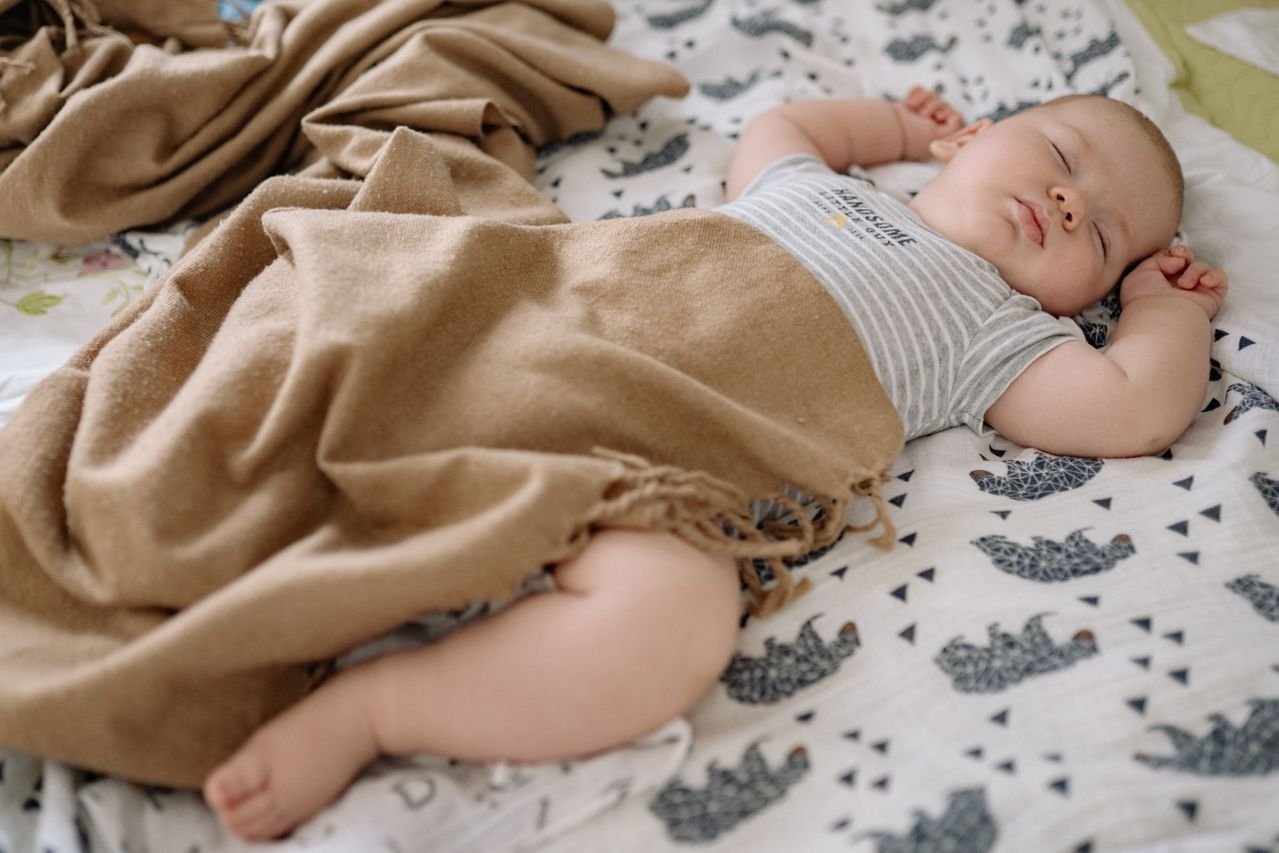
A peaceful bedtime routine can make a big difference when you are trying to settle your little one for sleep. One of the simplest and most comforting parts of that routine is a gentle lullaby song for babies. Whether you sing softly to your newborn, hum a familiar tune, or play gentle baby sleep music, lullabies can create a calm transition from playtime to bedtime.
So, do lullabies help babies sleep? They can help create a soothing and predictable bedtime environment, especially when the same gentle song is used regularly as part of a baby’s sleep routine. There is no single lullaby that works for every baby, but many parents find that slow, repetitive and familiar songs help their babies relax.
From classic English lullabies such as “Twinkle, Twinkle, Little Star” to traditional Hindi lori songs for babies, there are plenty of options to explore. In this guide, you’ll find more than 30 lullaby songs for babies, age-wise suggestions, Hindi lori ideas, baby sleep music tips, and practical ways to make lullabies part of your bedtime routine.
What Is a Lullaby for Babies?
A lullaby is a gentle song traditionally sung to babies and young children, particularly around bedtime or naptime. Baby lullaby songs are usually slower, repetitive and easy to sing, making them naturally suited to quiet moments.
Lullabies can be sung by parents, grandparents or caregivers, or they can be played as recorded music. Many families also create their own lullabies using a familiar melody and their baby’s name.
A traditional lullaby often includes:
- A slow or gentle rhythm
- Simple, repetitive melodies
- Soft vocals
- Predictable lyrics
- Calming sounds
- Short musical phrases
- A peaceful overall mood
The goal isn’t to give a perfect musical performance. For many babies, hearing a familiar caregiver’s voice and experiencing the same calming routine can be more important than how well the song is sung.
What Makes a Good Baby Lullaby?
The best lullabies for babies are usually simple and gentle. You don’t need complicated music or elaborate instruments.
Look for or create songs with:
- A slow, soothing tempo
- Gentle and predictable melodies
- Low, comfortable volume
- Repetitive words or sounds
- Minimal sudden changes
- A calm emotional tone
If your baby becomes more alert or excited when a particular song plays, it may not be the right bedtime song for your child. Try something slower and quieter instead.
30+ Best Lullaby Songs for Babies
There is no universally best lullaby for every baby. Some babies prefer a parent’s voice, while others respond well to instrumental music or familiar recorded songs.
Here are some popular lullaby songs for babies to sleep and calming songs that parents can consider for bedtime.
1. Twinkle, Twinkle, Little Star
“Twinkle, Twinkle, Little Star” is one of the most recognizable baby lullaby songs. Its simple melody and repetitive structure make it easy for parents to sing.
It can work well as a consistent bedtime cue, particularly when sung softly in a dim and quiet room.
2. Rock-a-Bye Baby
“Rock-a-Bye Baby” is a traditional English lullaby that has been sung to generations of children. Its familiar melody makes it a popular choice among lullabies for babies.
Parents can sing it gently rather than using a loud or animated singing style at bedtime.
3. Hush, Little Baby
“Hush, Little Baby” is another familiar traditional lullaby. Its repetitive structure makes it relatively easy to remember, which can be useful when parents want a consistent bedtime song for babies.
4. Brahms’ Lullaby
Often known simply as “Brahms’ Lullaby,” this gentle melody is a classic choice for baby bedtime routines. Its slow and soothing character makes it suitable for quiet moments before sleep.
5. Are You Sleeping?
“Are You Sleeping?” is a simple, repetitive song that many parents already know. Because the melody is easy to remember, it can become one of the easiest lullabies to sing to babies.
6. You Are My Sunshine
“You Are My Sunshine” is not traditionally considered a lullaby in every version, but its gentle melody makes it a popular choice for parents who want to sing something meaningful to their baby.
7. Golden Slumbers
“Golden Slumbers” has a gentle melody and a natural bedtime theme. It can be included in a relaxing playlist of songs to put baby to sleep.
8. Lavender’s Blue
This traditional folk song has a soft, repetitive quality that can work well as part of a calm bedtime routine.
9. All Through the Night
“All Through the Night” is a traditional Welsh lullaby often associated with nighttime and peaceful sleep.
10. Frère Jacques
“Frère Jacques” is a simple traditional French song known for its repetitive melody. It can also be sung in different languages, making it a flexible option for multilingual families.
11. Hush-a-Bye
Soft repetitive songs such as “Hush-a-Bye” can be incorporated into a collection of relaxing lullabies for newborns.
12. Sleep, Baby, Sleep
As the name suggests, this traditional-style lullaby is centered around the theme of a baby sleeping and can fit naturally into a nighttime routine.
13. Baby Mine
“Baby Mine” is a tender song that many parents choose because of its affectionate tone. It can be used as a special bonding song rather than only as a sleep cue.
14. Somewhere Over the Rainbow
Although not specifically written as a baby lullaby, a soft version of “Somewhere Over the Rainbow” can work as a relaxing song for babies when performed gently.
15. Moon River
A quiet instrumental or softly sung version of “Moon River” can add variety to a baby sleep music playlist.
16. Scarborough Fair
This traditional English folk song has a slow, melodic quality that some parents may enjoy incorporating into a calming playlist.
17. The Water Is Wide
This traditional folk song can be performed slowly and softly, making it another option for parents looking for gentle songs.
18. Dream a Little Dream of Me
A quiet, instrumental or softly sung interpretation can be used during a relaxing bedtime routine.
19. Edelweiss
“Edelweiss” has a slow melody that can work well for parents who prefer gentle musical arrangements.
20. Can’t Help Falling in Love
A soft version of this familiar song can become a special parent-and-baby bedtime song.
21. Que Sera, Sera
A gentle version can be used as a relaxing family song, particularly if the parent already has an emotional connection with it.
22. You Are My Sunshine
This classic family favorite can be personalized by parents and sung quietly as part of a nighttime bonding routine.
23. Soft Instrumental Piano Lullabies
Instrumental piano versions of familiar lullabies can be useful for parents who prefer music without vocals.
24. Gentle Guitar Lullabies
Soft acoustic guitar arrangements can create a warm and relaxing atmosphere before bedtime.
25. Humming Instead of Singing
You don’t always need lyrics. A parent can simply hum a familiar melody. For some families, humming becomes an easy way to create a consistent baby sleeping song without remembering lyrics.
26. A Parent’s Own Childhood Lullaby
A song passed down through generations can be especially meaningful. It could be something your own parents or grandparents sang to you.
27. A Family Prayer or Bedtime Song
Families who have a traditional bedtime song or peaceful family prayer may choose to include it as part of their routine.
28. A Personalized Baby Song
Creating a simple song using your baby’s name can turn an ordinary bedtime into a special bonding moment.
29. A Simple Humming Melody
Even a melody made up on the spot can become a familiar sleep cue if you use it consistently.
30. A Custom Goodnight Song
A short original song about saying goodnight, closing the eyes and going to sleep can be an excellent lullaby for baby sleep.
31. Traditional Family Lori
Indian families can also use a traditional lori song for babies that has been passed down through generations.
32. Regional Indian Lullabies
India has a rich tradition of lullabies in Hindi and regional languages. A parent can choose a song in the language they naturally speak at home.
Best Hindi Lullaby Songs (Lori) for Babies
For Indian parents, Hindi lullaby songs for babies can be a particularly meaningful part of bedtime. A lori for baby isn’t just a sleep song; it can also carry cultural traditions, family memories and affectionate expressions from one generation to another.
Here are some popular Hindi and Indian-style lullaby options to explore.
Chanda Hai Tu, Mera Suraj Hai Tu
“Chanda Hai Tu, Mera Suraj Hai Tu” is one of the most recognizable Hindi songs associated with a mother’s love for her child. Its affectionate theme makes it a natural choice for a parent looking for a Hindi baby sleep song.
Nanhi Kali Sone Chali
“Nanhi Kali Sone Chali” is another well-known Hindi song associated with a child going to sleep. Its theme and melody make it a popular choice when searching for Hindi lori for baby.
Chanda Mama Door Ke
“Chanda Mama Door Ke” is a familiar children’s song involving the moon and a child. A soft version can be included in a Hindi bedtime playlist.
Soja Rajkumari
Traditional-style “soja” songs are often associated with bedtime and comforting a little child.
Maa Ki Lori
Many Indian families use the phrase “maa ki lori” to describe the special lullaby a mother sings to her child. It does not necessarily refer to one specific song.
A mother’s own improvised lullaby can be just as meaningful as a famous song.
Traditional Indian Lullabies
Traditional Indian lullabies for babies vary significantly by region and language. Hindi, Punjabi, Bengali, Marathi, Gujarati, Tamil, Telugu, Malayalam and other Indian-language lullabies can all become part of a baby’s bedtime routine.
For families who speak more than one language, alternating between languages can also make bedtime more culturally meaningful.
Best Lullabies for Newborn Babies
Newborn babies don’t need elaborate entertainment at bedtime. A calm environment, a consistent routine and a parent’s gentle voice may be enough.
When selecting lullabies for newborn sleep, focus on songs that are:
- Slow and gentle
- Familiar
- Easy to repeat
- Played or sung at a comfortable volume
- Not overly stimulating
Lullabies for 0–3 Months
During the newborn stage, parents can choose very simple songs, humming or soft singing.
At this stage, the goal isn’t necessarily to make the baby fall asleep immediately. Instead, the lullaby can become part of a predictable sequence that signals that bedtime is approaching.
Good choices include:
- Twinkle, Twinkle, Little Star
- Brahms’ Lullaby
- Hush, Little Baby
- A traditional Hindi lori
- A parent’s own humming melody
Lullabies for 3–6 Months
As babies become more alert, they may begin recognizing familiar voices and routines.
Choose one or two soothing lullabies to help baby sleep and use them consistently. You can also experiment with whether your baby prefers singing, humming or instrumental music.
Lullabies for 6–12 Months
Older babies may respond strongly to familiar songs. A repeated lullaby can become a recognizable part of the bedtime routine.
Parents can also gently personalize songs by adding the baby’s name or changing a line to something familiar.
Lullabies for Toddlers
Toddlers may enjoy participating in bedtime songs. Simple repetitive songs can eventually become songs they try to sing themselves.
At this stage, parents can use a longer bedtime routine that includes bathing, changing, reading a book and finishing with a familiar lullaby.
How Lullabies Help Babies Relax Before Sleep
Lullabies don’t work like a sleep medicine, and they won’t make every baby fall asleep instantly. However, they can be a useful part of a calm and predictable bedtime environment.
Lullabies Can Become a Bedtime Cue
When the same baby lullaby song is used regularly before sleep, the song can become associated with the bedtime routine.
For example, if you sing “Twinkle, Twinkle, Little Star” after changing your baby’s clothes and dimming the lights every evening, your baby may gradually learn that the song is part of the transition toward sleep.
Singing Can Support Parent-Baby Bonding
Singing gives parents an opportunity to interact closely with their baby.
Eye contact, gentle touch and a familiar voice can make bedtime feel warm and reassuring.
Familiar Voices Can Be Comforting
Your baby doesn’t need you to have a professional singing voice. Your familiar voice can be a meaningful part of the bedtime routine.
This is one reason parents shouldn’t feel discouraged if they cannot sing perfectly.
Repetition Can Make Bedtime More Predictable
Babies often benefit from predictable routines. Repeating the same sequence every night can make bedtime easier to understand.
A routine might look like:
Bath → pajamas → feeding → dim lights → lullaby → sleep
The exact routine will depend on the child’s age and family schedule.
Gentle Music Can Help Create a Calm Environment
Soft music can contribute to a peaceful atmosphere, especially when combined with low lighting and reduced stimulation.
The important point is to keep expectations realistic. Lullabies for babies can support a calming routine, but they aren’t guaranteed to solve sleep difficulties.
Should You Sing a Lullaby or Play Baby Sleep Music?
Both options can work. The choice depends on what your baby responds to and what is practical for your family.
| Singing a Lullaby | Playing Baby Sleep Music |
|---|---|
| Uses the parent’s familiar voice | Convenient when parents don’t want to sing |
| Encourages parent-baby interaction | Can provide consistent background music |
| No device required | Many recorded options are available |
| Can be personalized | Instrumental versions are easy to find |
| Can become a special family ritual | Useful for parents who prefer recorded music |
Which Is Better for Baby Sleep?
There isn’t one universally best option.
A parent singing a quiet lullaby song for baby sleep can be a lovely way to connect with a baby. Recorded baby sleep music can also be useful when played appropriately.
What matters most is creating a calm, predictable environment rather than finding one magical song.
How to Create a Baby Bedtime Routine With Lullabies
A lullaby is most useful when it becomes part of a broader bedtime routine.
Try this simple sequence:
1. Dim the Lights
Reducing stimulation can help create a clear transition from daytime activity to bedtime.
2. Change Your Baby’s Diaper
A clean diaper and comfortable clothing can help your baby settle.
3. Put on Comfortable Sleepwear
Choose clothing appropriate for the room temperature and your baby’s sleep environment.
4. Feed Your Baby if Appropriate
Follow your baby’s normal feeding routine and your pediatrician’s advice where applicable.
5. Reduce Stimulation
Turn down bright lights and avoid energetic play immediately before bedtime.
6. Sing the Same Lullaby
Choose one or two bedtime songs for babies and sing them gently.
7. Put Your Baby Down for Sleep
Follow age-appropriate safe-sleep recommendations and place your baby in their appropriate sleep space.
Use the Same Lullaby Every Night
Using the same song repeatedly can make it a recognizable part of the bedtime routine.
You don’t have to sing the entire song every night. Even a short verse or repeated melody can become a familiar cue.
Keep the Singing Gentle and Quiet
Bedtime singing should be calming rather than energetic. Avoid suddenly increasing the volume or turning the lullaby into an interactive play session.
Let the Lullaby Become a Sleep Signal
With consistency, the song can become one part of a sequence that tells your baby, “It is time to wind down.”
How to Choose the Right Lullaby for Your Baby
The best lullaby depends on your baby’s response and your family’s routine.
Consider these factors:
- Your baby’s age
- Your baby’s response to different sounds
- Your preferred language
- Singing versus instrumental music
- Your family’s cultural traditions
- The song’s tempo
- The volume
- Whether the song is easy to repeat
Does Your Baby Prefer Singing or Instrumental Music?
Try both and observe your baby.
Some babies may relax when they hear their parent’s voice, while others may respond well to soft instrumental relaxing music for babies.
If recorded music seems to make your baby more alert, try humming or singing instead.
What If Your Baby Doesn’t Like Traditional Lullabies?
That’s completely fine.
Not every baby enjoys traditional lullabies. You can try:
- Humming
- Gentle instrumental music
- A simple original melody
- A favorite quiet song
- A family song
- Repeating a soft phrase
- Singing in your home language
The goal is not to force your baby to enjoy a particular lullaby for newborns. The goal is to find something that fits naturally into your calming bedtime routine.
Can Lullabies Help a Crying or Fussy Baby?
A lullaby may help some babies calm down, but it should not be considered a guaranteed solution for crying.
If your baby is crying, first consider basic needs such as:
- Hunger
- A wet or dirty diaper
- Being too hot or cold
- Tiredness
- Overstimulation
- Need for comfort
- Possible discomfort or illness
Once basic needs have been considered, a quiet lullaby for a fussy baby may become one way to provide comfort.
If your baby’s crying is unusual, persistent or accompanied by concerning symptoms, contact your pediatrician.
Lullabies for Baby Naps vs Nighttime Sleep
Lullabies can be used for both naps and nighttime sleep, but you may want to adapt the routine.
Lullabies for Daytime Naps
For naps, a shorter version may be enough.
You might:
- Lower the lights
- Reduce noise
- Sing one familiar song
- Keep the routine brief
Lullabies for Night Sleep
At night, you can make the routine more consistent.
Try:
- Dim lighting
- Quiet activities
- A familiar bedtime routine
- A gentle lullaby
- Minimal stimulation after the song
A consistent nighttime routine can be more useful than continuously playing lullaby music for babies for hours.
Should You Play Lullabies All Night?
No, your baby does not need to listen to lullabies continuously throughout the entire night.
For many families, a short lullaby can simply be one part of the bedtime routine. If you use recorded baby sleep music, keep it at a low, comfortable volume and position sound sources safely away from the baby’s ears and sleep space.
Parents should also avoid treating music as a replacement for safe sleep practices.
The goal is to create a peaceful sleep environment, not to keep music playing as loudly or continuously as possible.
Baby Lullaby Songs With Lyrics
Parents often search for lullaby songs for babies with lyrics so they can sing along at bedtime.
However, many popular songs are copyrighted, so it’s better to use legitimate lyric sources rather than reproducing complete copyrighted lyrics on your website.
Instead, parents can:
- Learn traditional public-domain lullabies
- Use official lyric sources
- Sing family songs
- Create original lullabies
- Personalize simple melodies
- Use their own words
Where to Find Lullaby Lyrics
For copyrighted songs, look for lyrics through legitimate sources or official music platforms.
For traditional songs that are in the public domain, parents may be able to find lyrics through reputable educational or cultural resources.
How Parents Can Make Their Own Lullaby
You don’t need musical training.
Start with a simple melody and use words your baby hears every day.
For example:
“Goodnight, my little one,
The moon is shining bright.
Close your little eyes,
And dream sweet dreams tonight.”
This is a simple original baby lullaby that parents can personalize.
Simple Original Lullaby Example
Parents can replace “little one” with their baby’s name and add familiar details such as a favorite toy, blanket or family nickname.
Keeping the song short makes it easier to remember and repeat every night.
How to Make Your Own Lullaby for Your Baby
Creating a personal lullaby can become one of the sweetest family traditions.
Use Your Baby’s Name
Adding your baby’s name makes the song feel personal.
For example:
“Sleep, sleep, little Aarav,
The moon is shining bright.”
You can replace the name with your child’s own name.
Keep the Melody Simple
You don’t need complicated music. Use a melody you already know or hum a simple tune.
Repeat the Same Lines
Repetition makes a lullaby easier to remember and creates familiarity.
Sing About Familiar Things
You can include:
- Your baby’s name
- Favorite toy
- Family members
- The moon
- Stars
- Home
- Bedtime
- Dreams
Keep the Tempo Slow
A gentle tempo generally fits a bedtime routine better than an energetic song.
Baby Lullaby Playlist Ideas
Instead of creating one enormous playlist, parents can organize songs according to their needs.
10-Minute Bedtime Lullaby Playlist
A short playlist might include:
- Twinkle, Twinkle, Little Star
- Brahms’ Lullaby
- Hush, Little Baby
- A traditional family lullaby
- One original goodnight song
Hindi Lori Playlist
A Hindi-focused playlist could include:
- Chanda Hai Tu, Mera Suraj Hai Tu
- Nanhi Kali Sone Chali
- Chanda Mama Door Ke
- Traditional Hindi lori
- A personalized maa ki lori
Newborn Lullaby Playlist
For newborns, choose very gentle songs and keep the environment quiet.
Try:
- Soft humming
- Brahms’ Lullaby
- Twinkle, Twinkle, Little Star
- Gentle instrumental lullabies
- A parent’s original song
Instrumental Lullaby Playlist
Parents who prefer instrumental sleep music for babies can try:
- Soft piano
- Gentle acoustic guitar
- Quiet orchestral arrangements
- Instrumental versions of traditional lullabies
Lullabies for Baby Naps
A shorter playlist can be useful for daytime naps.
Choose one or two familiar songs rather than playing an extended playlist.
Parent-Sung Lullaby Playlist
You don’t need a recording.
Your own voice can be the playlist.
Choose three songs that you enjoy singing and rotate them depending on your baby’s mood.
Lullabies From Around the World
Lullabies are found in cultures around the world. Although melodies and languages vary, many share themes of comfort, love, sleep, family and protection.
Indian Lullabies
Indian families can choose traditional Indian lullabies for babies in Hindi or regional languages.
English Lullabies
Classic English-language lullabies include songs such as “Twinkle, Twinkle, Little Star,” “Rock-a-Bye Baby” and “Hush, Little Baby.”
Spanish Lullabies
Spanish-speaking families may enjoy traditional canciones de cuna passed down through families.
French Lullabies
Traditional French songs such as “Frère Jacques” are familiar worldwide.
Japanese Lullabies
Japanese families have their own traditional lullaby traditions, with songs often passed through generations.
African Lullabies
African countries and communities have diverse lullaby traditions, with songs reflecting local languages, culture and family life.
The beauty of traditional lullabies is that they don’t have to be limited to one language. Families can choose songs that represent their culture and heritage.
Baby Lullaby Safety Tips
Lullabies can be a lovely part of bedtime, but parents should keep the overall sleep environment safe.
Keep the Volume Low
Music should never be loud or uncomfortable for a baby. If you are using recorded music, keep the volume gentle.
Avoid Loud or Sudden Sounds
Songs with sudden volume changes or energetic sections may be less suitable for a calming bedtime environment.
Don’t Place Headphones Directly on Your Baby’s Ears
Babies don’t need headphones to enjoy lullabies. If music is used, play it from a safe distance at an appropriate volume.
Keep Electronic Devices Safely Away From the Sleep Space
Phones, speakers and other devices should not be placed inside the baby’s sleep area.
Don’t Use Music Instead of Safe Sleep Practices
A lullaby cannot replace safe sleep recommendations. Parents should continue following age-appropriate guidance for the baby’s sleep position and sleep environment.
Keep the Baby’s Sleep Area Free From Unnecessary Objects
The sleep space should remain appropriate for safe infant sleep rather than being filled with toys, speakers or decorative objects.
Common Mistakes Parents Make With Baby Lullabies
Lullabies are simple, but a few common mistakes can make bedtime less relaxing.
Playing Music Too Loud
One of the most common mistakes is assuming louder music will be more effective. Bedtime music should remain gentle.
Changing Songs Every Night
There is nothing wrong with variety, but if you want a lullaby to become a bedtime cue, consistency can be useful.
Using High-Energy Songs at Bedtime
Fast, loud or highly interactive songs may encourage play rather than relaxation.
Keeping Screens On During Bedtime
If you use a phone or television to play baby sleep music, avoid turning bedtime into screen time. Prepare the music beforehand and keep the environment as calm as possible.
Expecting One Song to Instantly Put Baby to Sleep
There is no guaranteed best song to make baby sleep.
A lullaby can support a routine, but babies may still wake, fuss or take time to settle.
Using Music Instead of Addressing Baby’s Basic Needs
If your baby is hungry, uncomfortable, overtired or unwell, a lullaby alone won’t address the underlying problem.
Frequently Asked Questions About Baby Lullabies
What is the best lullaby for a baby?
There is no single best lullaby for every baby. Gentle songs such as “Twinkle, Twinkle, Little Star,” “Brahms’ Lullaby,” “Hush, Little Baby” and traditional Hindi lori songs are popular choices. The best option is usually one your baby finds calming and that you can use consistently as part of bedtime.
What songs help babies fall asleep?
Slow, gentle and repetitive songs may help create a relaxing bedtime environment. Popular options include “Twinkle, Twinkle, Little Star,” “Brahms’ Lullaby,” “Rock-a-Bye Baby” and traditional Hindi baby sleep songs. A parent’s own soft humming or singing can also work well.
Are lullabies good for newborn babies?
Yes, gentle lullabies can be included as part of a newborn’s bedtime routine. Keep the volume low and the environment calm. A newborn does not need continuous music, and lullabies should complement rather than replace safe sleep practices.
Can lullabies help babies sleep?
Lullabies can help create a predictable and calming bedtime routine, and some babies may find familiar songs soothing. However, they do not guarantee that a baby will fall asleep immediately. Consistency, a calm environment and an age-appropriate bedtime routine are also important.
What is the best Hindi lori for a baby?
Popular choices include “Chanda Hai Tu, Mera Suraj Hai Tu,” “Nanhi Kali Sone Chali” and “Chanda Mama Door Ke.” However, a traditional family lori for baby can be just as meaningful. Parents can also create an original Hindi lullaby using their baby’s name.
Should I sing to my baby every night?
You can include singing in your baby’s nightly bedtime routine if your baby enjoys it. Singing the same lullaby songs for babies regularly can make the song a familiar part of the transition to sleep.
Is singing better than playing recorded lullabies?
Neither is universally better. Singing gives your baby the opportunity to hear a familiar caregiver’s voice, while recorded lullaby music for babies can be convenient. Choose whichever creates a calm and consistent routine for your family.
What type of music is best for baby sleep?
Gentle, slow and quiet music is generally more suitable for bedtime than loud or energetic music. Traditional lullabies, soft instrumental music and a parent’s gentle singing are all options for creating a relaxing environment.
Can I play lullabies while my baby sleeps?
You can use a lullaby as part of your baby’s bedtime routine. If you use recorded music, keep the volume low and position the sound source safely away from the baby’s ears and sleep space. Continuous music throughout the entire night is not necessary.
Should lullabies be played all night?
No. A lullaby can simply be part of the bedtime routine. Many parents sing one or two songs before putting their baby down to sleep rather than playing music continuously throughout the night.
How long should I sing a lullaby?
There is no fixed length required. One or two songs or a few minutes of gentle singing may be enough. The purpose is to create a predictable transition into bedtime rather than to continue singing until the baby falls completely asleep.
What lullaby is best for a newborn?
Gentle, repetitive songs such as “Twinkle, Twinkle, Little Star,” “Brahms’ Lullaby” or a traditional family lori can work well for newborns. Parents can also simply hum softly if they don’t want to sing full lyrics.
Can lullabies calm a crying baby?
A lullaby may comfort some babies, but crying can have many causes. Check basic needs such as hunger, a wet diaper, temperature, tiredness or discomfort first. If crying is persistent or unusual, seek appropriate medical advice.
Can babies sleep better with music?
Some babies may find gentle music calming, while others may prefer silence or a parent’s voice. Music isn’t essential for healthy sleep. If you use baby sleep music, keep it gentle and make sure the overall sleep environment remains appropriate.
Final Thoughts
The perfect lullaby songs for babies don’t have to be complicated, famous or professionally performed. Sometimes the simplest song sung softly by a parent is the one a baby comes to recognize and love.
You can experiment with classic lullabies, Hindi lori songs, traditional Indian lullabies, instrumental music, humming or a completely original song created especially for your child.
The most important thing is consistency. When a gentle lullaby becomes part of a predictable bedtime routine, it can give your baby a familiar signal that the day is winding down.
Whether you choose “Twinkle, Twinkle, Little Star,” a traditional maa ki lori, a soft instrumental melody or your own personalized goodnight song, focus on keeping the experience calm, quiet and comforting.
After all, a lullaby is about much more than sleep. It can become a beautiful little bedtime ritual that your child associates with your voice, your presence and the feeling of being loved.