

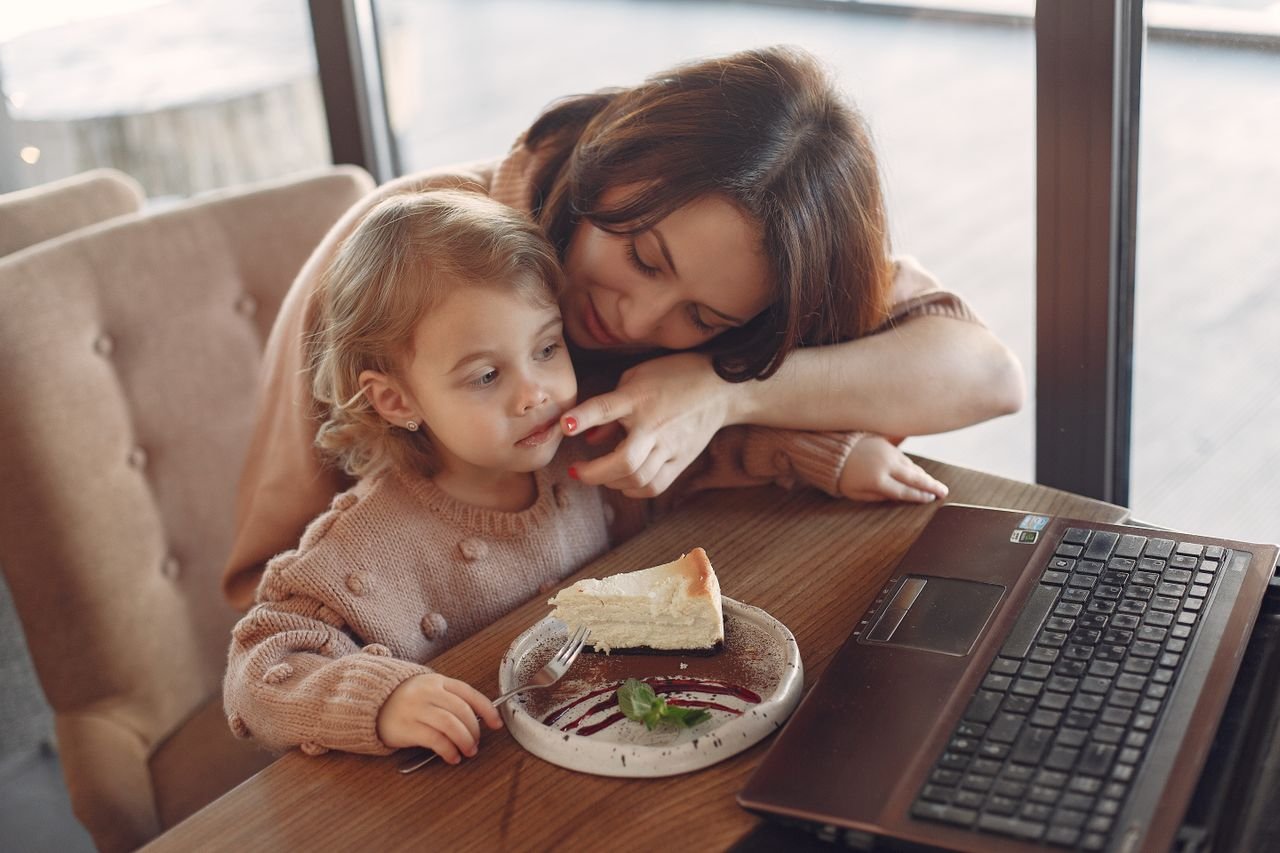
Eating out with kids can feel like a carefully planned mission that goes sideways the moment you sit down. Someone is hungry, someone needs the bathroom, someone doesn’t like the food, and the toddler suddenly decides the restaurant floor is the perfect place for a meltdown.
The good news? Eating at restaurants with kids doesn’t have to be stressful. With the right preparation, realistic expectations, a few simple activities, and a backup plan, family meals can become much more manageable.
The goal isn’t to make your children sit perfectly still or behave like miniature adults. It’s to make dining out with kids predictable enough that everyone—including the parents—can actually enjoy the experience.
How can parents make restaurant trips easier with kids? Choose a kid-friendly restaurant, pick a realistic dining time, prepare children beforehand, bring a few quiet activities, order strategically, and have a calm plan for restlessness or tantrums.
Why Eating at Restaurants With Kids Can Be So Challenging
Even children who behave beautifully at home can struggle in a restaurant. The environment is different, meals may take longer than expected, and children have to manage hunger, excitement, boredom, and unfamiliar surroundings at the same time.
Understanding the reasons behind the chaos can make restaurant tips for parents much easier to apply.
Kids Get Hungry Before the Food Arrives
Adults can usually tolerate a 20- or 30-minute wait for dinner. Young children may not be nearly as patient.
A hungry toddler can quickly become cranky, restless, or emotional. If your child is already hungry when you arrive, waiting for menus, drinks, appetizers, and the main meal can feel endless.
If possible, check the restaurant menu beforehand and choose a few realistic options before you arrive. For particularly long waits, a small snack before leaving home may help, depending on your child’s normal eating routine.
Restaurants Are Full of New Sights, Sounds, and Distractions
Restaurants can be busy places. There may be loud conversations, music, clattering dishes, unfamiliar smells, bright lights, crowded tables, and people constantly moving around.
Some children love the stimulation. Others can become overwhelmed by it.
If your child becomes unusually irritable or restless in busy environments, consider a quieter restaurant, an earlier dining time, or outdoor seating when appropriate.
Young Children Have Limited Patience
Young children are still developing the ability to wait, manage frustration, and regulate their emotions.
Expecting a toddler to sit quietly through a long meal may simply be unrealistic. Eating out with toddlers often requires shorter meals, more preparation, and more flexibility than dining out with older children.
Parents Often Expect Too Much Too Soon
Restaurant manners are learned through practice. A child who has never spent much time eating in restaurants isn’t automatically going to know how to behave.
Instead of expecting perfect behavior, focus on a few age-appropriate skills. Staying near the table, using a reasonably calm voice, and treating restaurant staff respectfully are good starting points.
Before You Go: Set Your Family Up for Success
One of the best family restaurant tips is to start preparing before you leave home. A few minutes of planning can prevent many predictable problems.
Choose a Kid-Friendly Restaurant
The best restaurant for your family isn’t necessarily the fanciest one. When eating at restaurants with kids, convenience often matters more than atmosphere.
Look for:
- Shorter or predictable wait times
- A casual, family-friendly atmosphere
- High chairs or booster seats
- Simple kid-friendly menu choices
- Enough space for your stroller, when needed
- Outdoor seating if your child enjoys it
- Convenient parking or accessibility
- Reservations when appropriate
What makes a restaurant kid-friendly? A kid-friendly restaurant generally offers a relaxed atmosphere, practical seating, reasonably quick service, accessible menu options, and an environment where families don’t feel out of place.
Pick the Right Time to Eat
Timing can make a surprisingly big difference.
If your toddler normally becomes tired and cranky at 7 p.m., choosing a 7 p.m. restaurant reservation probably isn’t the best strategy.
For many families, an earlier lunch or dinner works better. Consider your child’s normal nap, hunger, and bedtime schedule rather than choosing a restaurant time based only on adult convenience.
Give Kids a Simple Preview
Before you leave, tell your child what to expect.
You might say:
“We’re going to a restaurant. We’ll sit at the table, choose our food, and wait for our meal. You can bring one small activity to use while we wait.”
This simple preview can help children understand what is coming and what you expect from them.
Don’t Arrive With an Extremely Hungry Child
Being hungry can make waiting much harder.
If your child has gone several hours without eating, consider whether a small snack before the restaurant makes sense for your family’s routine. The goal isn’t to fill them up before dinner; it’s to avoid starting the meal when everyone is already desperate for food.
What to Pack in Your Restaurant Survival Kit
A small restaurant survival kit can make eating out with young children much easier. You don’t need to bring an entire toy box. A few carefully selected items are usually enough.
Restaurant Essentials for Babies and Toddlers
Depending on your child’s age and needs, consider packing:
- Wipes
- Bib
- Extra clothes
- Diapers and changing supplies
- Spill-resistant cup
- Familiar snack, if appropriate
- Child-sized utensils
- Feeding accessories your child normally uses
Extra clothes are particularly useful because spills happen. A meal can be going perfectly until one cup suddenly ends up upside down.
Entertainment Items That Actually Help
For how to keep toddlers entertained at a restaurant, think small, quiet, and easy to clean up.
Useful options include:
- Coloring books and crayons
- Sticker books
- Small puzzles
- Magnetic drawing boards
- Reusable activity books
- Small quiet toys
- Books
- Simple card games for older children
Screen-free “busy bags” are another option some parents use to keep children occupied while waiting for food. The idea is simple: pack a small collection of activities that can be used independently and don’t create a mess.
The best entertainment isn’t necessarily the most expensive toy. Often, a sticker book or small drawing activity is enough.
What Not to Bring
Avoid packing activities that are:
- Extremely loud
- Difficult to clean up
- Made up of dozens of tiny pieces
- Likely to distract everyone at the table
A restaurant activity should make the meal easier—not create another problem for parents to manage.
How to Keep Kids Entertained While Waiting for Food
Waiting is often the hardest part of dining out with kids. Fortunately, you don’t need a suitcase full of toys to fill the time.
Start With Conversation
Turn waiting time into a game.
Try questions such as:
- “What do you think you’ll order?”
- “Can you find something red?”
- “What sounds can you hear?”
- “What was your favorite part of today?”
- “How many people can you see wearing blue?”
These simple questions can keep younger children engaged without requiring anything extra.
Use Simple Table Games
Some easy family dining tips involve games that require absolutely no equipment.
Try:
- I Spy
- Would You Rather
- Restaurant scavenger hunts
- Guess the object
- Alphabet games
- Drawing challenges
For younger children, keep the games simple. For older children, you can make them more challenging.
Rotate Activities Instead of Giving Everything at Once
Don’t put every activity on the table at the beginning.
Start with conversation. If that stops working, introduce a sticker book. Save a favorite activity for later in the meal.
This gives children something new to look forward to instead of exhausting all your entertainment options within the first five minutes.
What About Screens?
Screens can be one tool families choose to use during restaurant visits. They aren’t the only option, and there is no need to turn the decision into a parenting competition.
Some families prefer books and games. Others use a phone or tablet during a particularly long wait. What matters most is choosing an approach that works for your family and situation.
Ordering Food Without the Mealtime Meltdown
Food decisions can either make restaurant visits easier or add another layer of frustration.
Order for Kids Early When Appropriate
If your child becomes impatient quickly, ask whether the restaurant can start the child’s meal early.
A simple appetizer, bread, fruit, or another quick option may help bridge a long waiting period, depending on the restaurant and your child’s needs.
Keep Familiar Foods in Mind
A restaurant outing may not be the best time to pressure a child into eating an unfamiliar food.
If your child is selective about food, look for simple options they are more likely to accept. You can still encourage trying new foods without making the entire meal a negotiation.
Be Flexible About Portions
Children’s appetites can vary from one meal to another.
A child may eat a large portion one day and barely touch dinner the next. Sharing an appropriate portion or ordering a smaller serving can sometimes reduce waste and pressure.
The goal isn’t necessarily an empty plate. A successful family meal can simply mean everyone had an opportunity to eat comfortably.
Think About Drinks Strategically
For younger children, a spill-resistant cup can be helpful when available.
You may also want to consider what your child normally drinks. Very sugary drinks aren’t necessary for every restaurant visit, and some parents prefer water or another familiar option.
Restaurant Manners: What Should You Actually Expect From Kids?
Teaching restaurant behavior tips for kids works best when expectations are simple and age-appropriate.
Teach a Few Restaurant Rules Before You Arrive
Instead of giving your child a long list of rules, focus on three to five basics:
- Stay near the table.
- Use a calm voice.
- Keep hands to yourself.
- Ask before leaving the table.
- Treat restaurant staff respectfully.
These rules are easier for children to remember and easier for parents to reinforce.
Practice Restaurant Behavior at Home
You don’t need to wait for a real restaurant visit to teach dining skills.
At home, practice:
- Sitting at the table
- Waiting briefly for food
- Using “please” and “thank you”
- Taking turns during conversation
- Helping clean up small spills
Gradually increasing expectations can help children become more comfortable with restaurant routines.
Praise the Behavior You Want to See
Instead of only pointing out problems, notice when your child is doing well.
Try:
“I noticed you waited patiently while we were ordering.”
Or:
“Thank you for using your quiet voice.”
Specific praise helps children understand exactly which behavior you want them to repeat.
What to Do When Your Child Starts Getting Restless
Even the best preparation doesn’t guarantee a peaceful meal. When your child starts becoming restless, try to identify the reason before deciding what to do.
Step 1 — Identify the Problem
Ask yourself:
- Is my child hungry?
- Are they tired?
- Are they bored?
- Are they overstimulated?
- Are they frustrated?
- Have they finished eating?
Sometimes the solution is surprisingly simple.
Step 2 — Change the Environment
If possible, try:
- Taking a short walk outside
- Moving somewhere quieter
- Letting your child stand briefly with a parent
- Offering a different activity
- Taking a short break from the table
A small change can sometimes prevent a situation from escalating.
Step 3 — Keep Your Response Calm
When children become dysregulated, lengthy explanations often don’t help.
Use short, clear instructions and keep your voice calm. The goal isn’t to prove that you’re in charge; it’s to help your child regain control.
Step 4 — Know When It’s Time to Leave
Sometimes leaving is the right decision.
Ending a restaurant meal early doesn’t mean you failed as a parent. It means you recognized that your child—or the whole family—had reached its limit.
That’s part of learning how to make dining out with kids easier.
How to Handle a Toddler Tantrum at a Restaurant
A toddler having a tantrum in a restaurant can feel especially uncomfortable because other people are nearby. Remember that young children can have difficult moments in public just as they can at home.
Stay Calm and Keep Your Response Simple
Lower your voice and keep your instructions brief.
During the peak of a tantrum, a long explanation about restaurant etiquette is unlikely to be useful. Focus first on safety and helping your child calm down.
Don’t Turn the Restaurant Into a Power Struggle
Trying to “win” a public argument can make everyone more stressed.
Instead, focus on the immediate situation. If your child needs a boundary, state it clearly and calmly. Then give them an opportunity to settle.
Consider Taking a Short Break Outside
If appropriate, one parent can take the child outside for a few minutes.
A quieter environment may help reduce stimulation. Once your child is calmer, you can decide whether to return to the table or end the meal.
Don’t Let Other Diners Define Your Parenting
Parents often worry that everyone in the restaurant is judging them.
Some people may notice. Most people also understand that children sometimes have difficult moments.
Your priority is your child and your family—not achieving a perfectly silent meal for the benefit of strangers.
Eating Out With Toddlers vs. Older Kids: What Changes?
The best restaurant tips for parents depend partly on a child’s age and developmental stage.
Babies
For babies, preparation usually centers around feeding and basic care.
Consider:
- Feeding supplies
- High-chair availability
- Nap timing
- Diapers and changing supplies
- Extra clothes
- A familiar feeding routine
Toddlers
Toddlers generally need more active preparation.
Focus on:
- Shorter dining times
- Simple activities
- Clear expectations
- Familiar foods when appropriate
- Earlier dining times
- A plan for restlessness
Preschoolers
Preschoolers can begin taking a more active role.
They can:
- Help choose between menu options
- Practice ordering
- Use simple restaurant manners
- Play table games
- Practice saying “please” and “thank you”
School-Age Kids
Older children can handle more responsibility.
Encourage them to:
- Read the menu
- Make their own food choices
- Practice appropriate restaurant etiquette
- Participate in conversations
- Help younger siblings when appropriate
- Understand how to treat restaurant workers respectfully
Common Restaurant Mistakes Parents Can Avoid
Knowing what not to do can be just as useful as knowing what works.
Arriving When Everyone Is Exhausted
A restaurant visit that starts during your child’s normal meltdown window is already fighting an uphill battle.
Choosing a Restaurant With a Very Long Wait
If your child struggles with waiting, a restaurant known for slow service may not be the best choice for an early family dining experience.
Bringing Too Many Activities
More toys don’t always mean more entertainment. Too many choices can create clutter and make it harder for your child to focus.
Expecting Toddlers to Sit Perfectly Still
Toddlers are not miniature adults. Expecting them to remain completely motionless for a long meal is usually unrealistic.
Waiting Until a Child Is Melting Down Before Intervening
Watch for early signs of hunger, boredom, tiredness, or overstimulation. Addressing a problem early is often easier than responding after a full meltdown begins.
Turning Food Into a Battle
Don’t make finishing a plate the measure of a successful meal. Keep the focus on creating positive experiences around family dining.
Worrying Too Much About What Other People Think
Your family doesn’t need to perform a perfect restaurant experience for everyone around you.
The more calmly you handle normal childhood behavior, the easier it can become for your family to enjoy eating out.
A Simple Restaurant Survival Formula for Parents
When you need a quick reminder, use this six-step formula:
Choose → Prepare → Pack → Order → Engage → Adapt
Choose
Pick a restaurant and dining time that fit your child’s age, temperament, hunger, and routine.
Prepare
Tell your child where you’re going and explain a few simple expectations.
Pack
Bring practical essentials and one or two quiet activities.
Order
Reduce unnecessary waiting when possible and choose realistic food options.
Engage
Talk, play simple games, and give your child something appropriate to do while waiting.
Adapt
If your original plan isn’t working, change it. Take a break, move somewhere quieter, or leave if necessary.
This is the heart of a practical restaurant survival guide with kids: preparation reduces predictable problems, while flexibility helps you handle everything else.
Restaurant Survival Guide: Quick Checklist for Parents
Before heading out, run through this quick restaurant survival checklist:
- Choose a family-friendly restaurant
- Check the menu beforehand
- Pick a realistic dining time
- Avoid arriving extremely hungry or overtired
- Pack wipes and essential supplies
- Bring one or two quiet activities
- Set simple behavior expectations
- Order strategically
- Watch for signs of hunger, boredom, or overstimulation
- Take a break if needed
- Leave if the situation genuinely isn’t working
You don’t have to follow every item perfectly. The checklist is simply there to help you prepare for the things most likely to make family dining difficult.
Frequently Asked Questions About Eating at Restaurants With Kids
How do you make eating at a restaurant with kids easier?
Make the experience easier by choosing a kid-friendly restaurant, dining at a suitable time, preparing children for what to expect, bringing a few quiet activities, and having a backup plan for restlessness or tantrums. Keeping expectations realistic is just as important as packing the right supplies.
How do you keep a toddler entertained at a restaurant?
Keep a toddler entertained with simple, quiet activities such as sticker books, coloring, small puzzles, books, or magnetic drawing boards. Conversation and table games such as I Spy can also work well. Introduce activities gradually rather than putting everything on the table at once.
What should I bring to a restaurant with kids?
Useful items include wipes, diapers for babies and toddlers, a bib, extra clothes, a spill-resistant cup, familiar snacks when appropriate, child-sized utensils, and one or two quiet activities. The exact restaurant survival kit depends on your child’s age and individual needs.
How do you teach kids restaurant manners?
Start with a few simple expectations, such as staying near the table, using a reasonably calm voice, keeping hands to themselves, and treating restaurant staff respectfully. Practice these skills at home and use specific positive feedback when your child demonstrates appropriate restaurant behavior.
What should you do if your child has a tantrum at a restaurant?
Stay calm, keep your response brief, and focus on safety. If possible, reduce stimulation by taking your child outside or moving somewhere quieter. Once the child is calmer, decide whether to return to the table or end the meal. Leaving early can be a reasonable choice.
What is the best time to take toddlers to a restaurant?
The best time depends on your toddler’s normal hunger, nap, and bedtime schedule. For many families, eating earlier can be easier because children may be less tired and restaurants may be less crowded. Choose a time when your child is most likely to be comfortable.
Should parents let kids use screens at restaurants?
That decision is up to each family. Screens can be one tool for managing a particularly long wait, but they aren’t the only option. Books, games, conversation, and small activities can also keep children engaged. The best approach is the one that fits your family’s circumstances.
How long can a toddler reasonably be expected to sit at a restaurant?
There isn’t one universal amount of time that works for every toddler. Age, temperament, hunger, tiredness, the restaurant environment, and the length of the meal all matter. Rather than expecting a toddler to sit perfectly still, plan for movement, activities, and realistic breaks.
The Goal Isn’t a Perfect Restaurant Meal
The goal of eating out with kids isn’t a flawless meal where everyone sits quietly from the first bite to the last.
The goal is to build positive family experiences while helping children gradually learn how restaurants work.
Some days, your child may surprise you with wonderful manners. Other days, someone may spill a drink, reject their food, become restless, or have a full-blown tantrum.
That’s normal.
The more you practice, prepare, and adjust your expectations, the easier dining out with kids can become. Choose the right environment, bring what you need, keep children engaged, and remember that leaving early is always an option.
The secret to eating out with kids isn’t eliminating every possible problem. It’s preparing for the predictable ones, keeping expectations realistic, and having a backup plan when things don’t go as expected.