

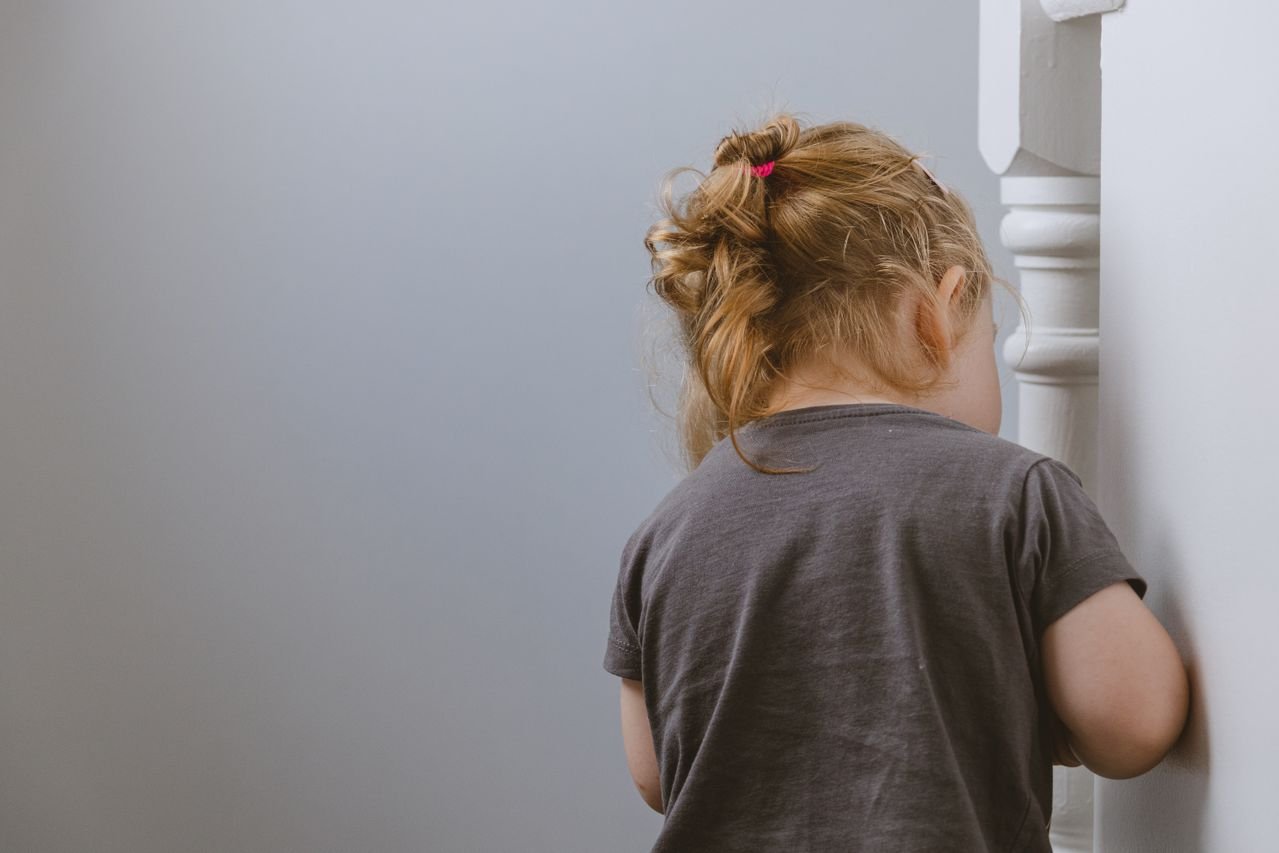
Does your toddler cry the moment you leave the room? Do they cling to your legs at daycare drop-off, refuse to stay with grandparents, or suddenly want you beside them all day and night?
If this sounds familiar, you may be dealing with toddler separation anxiety.
Separation anxiety in toddlers is common and is often a normal part of early childhood development. Children may become clingy, cry when separated from a parent or caregiver, resist daycare or bedtime, or become upset when a familiar adult leaves. Separation anxiety is especially common from infancy through the toddler and preschool years.
While toddler separation anxiety can be emotionally exhausting for parents, it does not automatically mean that your child is overly dependent or that you have done something wrong. In many cases, it reflects a strong attachment to familiar caregivers and a child’s developing understanding of separation and reunion.
The good news is that there are practical ways to help a toddler with separation anxiety. Short, predictable goodbyes, consistent routines, gradual practice with separation, reassurance, and opportunities to develop independence can make transitions easier.
This guide explains what toddler separation anxiety looks like, why it happens, how to handle separation anxiety at daycare and bedtime, what parents should avoid, and when it may be time to seek professional help.
What Is Toddler Separation Anxiety?
Separation anxiety is the distress a young child experiences when separated from a parent, primary caregiver, or another familiar person they are strongly attached to.
For a toddler, even a simple event such as a parent walking into another room can feel significant. Your child may not yet have the emotional skills to understand that you are leaving temporarily and will reliably return.
As children develop, they become increasingly aware of their surroundings and relationships. Their strong attachment to familiar caregivers can make separation feel uncomfortable or frightening. The NHS describes separation anxiety as a normal developmental stage that is particularly common from around 6 months through 3 years.
Is Separation Anxiety Normal for Toddlers?
Yes. Normal toddler separation anxiety is very common.
A toddler may cry when Mom leaves, cling to Dad at daycare, become upset when a babysitter arrives, or repeatedly ask where a parent is. These behaviors can be part of normal emotional development.
The intensity varies from child to child. Some toddlers adjust quickly after a parent leaves, while others may cry intensely and need more time to become comfortable with another caregiver.
Separation anxiety can also become stronger when a child is:
- Tired
- Hungry
- Sick
- Experiencing a change in routine
- Starting daycare or preschool
- Traveling
- Adjusting to a new caregiver
- Experiencing a major family change
The American Academy of Pediatrics notes that separation can be particularly difficult during toddlerhood, with many children experiencing stronger reactions around 15 to 18 months.
When Does Separation Anxiety Start?
There is no single age at which separation anxiety begins or ends. Children develop at different rates, but there are some general patterns.
Separation Anxiety by Age
| Age | What Parents May Notice |
|---|---|
| 6–12 months | Crying when a caregiver leaves, stranger anxiety and increased attachment to familiar adults |
| 12–18 months | More clinginess, crying, following parents and difficulty separating |
| 18–24 months | Strong protests, tantrums and difficulty with daycare or caregiver transitions |
| 2–3 years | Growing independence alongside continued difficulty with some separations |
| 3+ years | Separation generally becomes easier, although some children continue to experience anxiety |
The NHS says separation anxiety is common from approximately 6 months to 3 years and generally improves as children become more confident with separation and reunion.
For some children, separation anxiety may peak during the second year of life. The AAP also notes that separation can be especially challenging between 12 and 24 months.
So if you are wondering, “Is separation anxiety normal at age 2?”, the answer can be yes. A 2-year-old may still cry at daycare drop-off, refuse to sleep without a parent, or become upset when Mom leaves.
Signs and Symptoms of Separation Anxiety in Toddlers
The signs of separation anxiety in toddlers can look different from child to child.
Emotional Signs
Common emotional symptoms include:
- Crying when a parent leaves
- Clinging to Mom or Dad
- Becoming upset when a parent walks into another room
- Saying “Don’t go”
- Refusing to be held by another caregiver
- Becoming distressed during goodbye
- Having tantrums at separation
- Wanting constant reassurance
Behavioral Signs
A toddler experiencing separation anxiety may:
- Follow a parent around the house
- Refuse daycare or preschool
- Become upset when left with grandparents
- Refuse to stay with a babysitter
- Want a parent nearby during play
- Resist sleeping alone
- Wake up looking for Mom or Dad
Physical Signs
Anxiety can sometimes appear through physical complaints, particularly when separation becomes difficult. These may include:
- Stomachaches
- Headaches
- Difficulty sleeping
- Changes in appetite
- Feeling generally unwell
AACAP lists clinginess, tantrums during separation, school refusal, physical complaints, difficulty sleeping and intense worries about caregivers among possible symptoms of significant separation anxiety.
However, having one or two of these behaviors does not automatically mean your toddler has an anxiety disorder. The severity, persistence and effect on everyday life matter.
Why Does Separation Anxiety Happen?
Parents often ask, “Why is my toddler suddenly so clingy?”
There can be several reasons.
Strong Attachment to Parents
A toddler’s attachment to a parent or primary caregiver is an important part of healthy development.
When your child strongly prefers you, it does not necessarily mean they are spoiled or overly dependent. They may simply feel safest with the person they know best.
Growing Awareness
As toddlers become more aware of their environment, they begin to understand that a parent can leave even when the parent is no longer visible.
This growing awareness can initially make separation more difficult.
Developing Independence
Toddlerhood is full of contradictions.
Your child may want to feed themselves, choose their clothes, explore the house and say “I do it!”—but then become upset the moment you try to leave.
This combination of independence and attachment is normal during toddler development.
Changes in Routine
A toddler may experience stronger separation anxiety after:
- Starting daycare
- Starting preschool
- Moving house
- Getting a new caregiver
- Having a new sibling
- Traveling
- Returning to work after parental leave
- Becoming sick
- Experiencing a significant change in routine
Even positive changes can temporarily increase toddler anxiety.
Tiredness, Hunger and Illness
Separation can be harder when toddlers are hungry, tired or unwell. The AAP specifically notes that these factors can intensify separation reactions.
This is why a child who normally handles daycare well may suddenly have a very difficult morning after a poor night’s sleep.
Toddler Separation Anxiety vs. Normal Clinginess
It can be difficult for parents to know whether their child’s behavior is simply normal toddler clinginess or something that deserves further attention.
| Normal Separation Anxiety | Possible Anxiety Problem |
|---|---|
| Usually occurs around separation | Anxiety may begin well before separation |
| Child eventually settles | Child remains extremely distressed |
| Comes and goes | Persists or becomes worse |
| Improves with predictable routines | Continues despite consistent support |
| Does not significantly disrupt daily life | Interferes with daycare, sleep or family activities |
| Child can gradually manage short separations | Child repeatedly refuses necessary separation |
The key question is not simply “Does my toddler cry when I leave?” Instead, consider how intense the anxiety is, how long it lasts, how often it occurs, and whether it interferes with your child’s normal activities.
AACAP explains that developmentally appropriate fears become more concerning when they do not subside or become severe enough to impair day-to-day functioning.
How to Help a Toddler With Separation Anxiety
If you are wondering how to help a toddler with separation anxiety, focus on consistency rather than trying to eliminate every tear immediately.
Your goal is to help your child learn:
“Mom or Dad can leave, I can be safe with another trusted caregiver, and they come back.”
Create a Short Goodbye Routine
Create a predictable goodbye ritual.
It could be:
- One hug
- One kiss
- A special phrase
- A wave at the door
- A high-five
- Handing the child their comfort toy
For example:
“One big hug, one kiss, and I’ll see you after nap time.”
The AAP recommends short, consistent goodbye rituals because lingering can prolong the difficult transition.
Tell Your Toddler When You Will Return
Toddlers may not understand adult concepts of time very well.
Instead of saying:
“I’ll be back in three hours.”
Try:
“I’ll come back after your nap.”
Or:
“I’ll come back after snack time.”
Using events your toddler understands can make your return feel more predictable.
Never Sneak Away
It may be tempting to leave while your toddler is distracted to avoid tears.
However, making departures predictable can help build trust. Tell your child that you are leaving, say goodbye, and follow through with your return.
A consistent goodbye-and-reunion pattern teaches your toddler that separation is temporary.
Stay Calm and Confident
Your toddler may notice your emotions.
If you look extremely worried, repeatedly say “Are you sure you’ll be okay?” or continue returning for more hugs, your child may interpret the situation as more frightening.
Instead, acknowledge the feeling while remaining confident.
“I know you’re sad. It’s okay to miss me. You are safe, and I’ll come back.”
Practice Short Separations
If your toddler struggles with separation, start small.
You can practice by:
- Leaving your child with Dad while you go into another room
- Having Grandma watch them for 15–30 minutes
- Going out briefly with a trusted caregiver
- Practicing daycare drop-offs
- Gradually increasing the length of separations
Short, successful experiences can help your child develop confidence.
Build a Consistent Daily Routine
Predictability can make separation easier.
Try to maintain relatively consistent times for:
- Waking
- Meals
- Play
- Nap
- Outdoor time
- Bath
- Bedtime
- Daycare
A predictable routine can help your toddler understand what comes next.
Introduce a Comfort Object
A familiar object can provide emotional reassurance during separation.
Consider:
- A favorite stuffed animal
- A small blanket
- A favorite book
- A family photo
- Another age-appropriate comfort item
The NHS also suggests that familiar objects can provide comfort during separation.
Give Your Toddler Something to Do
Have an activity ready before you leave.
For example:
- A favorite puzzle
- A board book
- Blocks
- Coloring
- A sensory activity
- A familiar toy
- A simple snack
A caregiver can begin the activity while you complete your short goodbye routine.
Encourage Independence
Independence does not mean forcing your toddler to separate before they are ready.
Instead, provide small opportunities for independence:
- Let them choose between two outfits.
- Allow them to carry their own small bag.
- Let them choose which toy to take.
- Encourage independent play.
- Let them help with simple household tasks.
- Praise their effort.
Healthy toddler development includes growing autonomy, and supportive opportunities for independence can build confidence. The AAP’s current developmental guidance emphasizes offering choices, encouraging exploration and supporting growing autonomy during toddlerhood.
How to Handle Toddler Separation Anxiety at Daycare
Toddler separation anxiety at daycare is extremely common, particularly when a child is new to childcare.
Before Daycare
Before the first day:
- Visit the daycare together.
- Meet the caregivers.
- Let your toddler explore the environment.
- Explain what will happen in simple language.
- Practice short separations at home.
- Establish your goodbye routine.
At Drop-Off
Keep your daycare drop-off routine simple.
Give your toddler attention, offer reassurance, complete your goodbye ritual and leave confidently.
Repeatedly delaying departure can make the transition longer and more difficult. AAP guidance recommends being understanding but consistent during child-care drop-offs.
What If My Toddler Cries at Daycare?
A toddler crying at daycare drop-off does not automatically mean daycare is harmful or that your child is unhappy there all day.
Ask the caregiver:
- How long did my child cry?
- Did they eventually calm down?
- Did they play?
- Did they eat and drink normally?
- Did they interact with other children?
- Did they participate in activities?
The most useful information is what happens after you leave, not just what happens during the goodbye.
How Long Does Separation Anxiety Last at Daycare?
There is no universal timeline.
Some toddlers settle quickly. Others need more time, especially if they are naturally cautious or are adjusting to a new environment.
If your child remains intensely distressed for a prolonged period, is unable to participate in normal activities, or the problem continues for weeks without improvement, discuss your concerns with your pediatrician or another appropriate professional. The NHS recommends seeking advice when separation causes significant distress, lasts for more than a few weeks, or continues to interfere with nursery and daily life.
Toddler Separation Anxiety at Bedtime and During the Night
Toddler separation anxiety at night can be particularly difficult because parents are already tired.
Your toddler may:
- Refuse to sleep alone
- Ask you to stay beside them
- Cry when you leave the bedroom
- Wake up calling for Mom or Dad
- Become upset after being put back to bed
- Want to sleep with a parent
Separation anxiety can contribute to disrupted sleep in young children. The AAP notes that children experiencing separation anxiety may wake and cry for one or both parents.
How to Help Toddler Separation Anxiety at Night
Try:
- A consistent bedtime routine
- A predictable bedtime
- A favorite comfort object
- A short reassurance phrase
- Consistent responses to nighttime waking
- Plenty of connection and attention during the daytime
For example:
“You are safe. It’s bedtime. I’ll see you in the morning.”
The goal is reassurance without turning every nighttime wake-up into a long negotiation.
What Parents Should NOT Do
Knowing what not to do with separation anxiety can be just as important as knowing what to do.
Don’t Sneak Away
Sneaking away may prevent an immediate goodbye but can make future separations harder if your toddler becomes worried that you might disappear without warning.
Don’t Shame Your Toddler
Avoid statements such as:
- “You’re a big kid now.”
- “Stop crying.”
- “Why are you acting like a baby?”
- “There’s nothing to be scared of.”
Your toddler’s feelings are real even when the situation is objectively safe.
Don’t Make Dramatic Goodbyes
Long hugs, repeated promises and emotional goodbyes can unintentionally make separation feel like a major event.
Keep it loving but brief.
Don’t Return Repeatedly
If you say goodbye and then come back several times because your toddler is crying, the separation may become harder.
AAP guidance recommends consistency and avoiding repeated reappearances after leaving unless you are actually prepared to stay.
Don’t Avoid Every Separation
It is understandable to want to protect your toddler from distress.
However, completely avoiding separation can prevent your child from practicing the skill of being away from you.
Instead, use gradual separation with a trusted caregiver and predictable routines.
What to Say When Your Toddler Cries When You Leave
Parents often ask, “What should I say when my toddler cries when I leave?”
Try simple, calm phrases.
Helpful Phrases
- “I know you don’t want me to go.”
- “You are safe with Grandma.”
- “It’s okay to feel sad.”
- “I’ll come back after your nap.”
- “You can keep your teddy with you.”
- “Let’s have our goodbye hug.”
- “I love you. I’ll see you after snack time.”
- “You can have fun while I’m away, and I’ll come back.”
The goal is not to convince your toddler that they should not feel sad. Instead, you are showing them that their feelings are safe and manageable.
Phrases to Avoid
Try not to rely on:
- “Don’t cry.”
- “There’s nothing to be scared of.”
- “You’re being naughty.”
- “You’re a big kid now.”
- “If you cry, I’ll stay.”
- “I’ll never leave you.”
A better approach is to acknowledge the emotion while confidently maintaining the separation.
When Is Toddler Separation Anxiety a Problem?
Most toddler separation anxiety gradually becomes easier as children develop confidence and experience successful separations.
But parents should consider seeking professional guidance when anxiety is unusually intense, persistent or disruptive.
Talk to your pediatrician or an appropriate child mental-health professional if:
- Your toddler experiences severe distress whenever separation occurs.
- Your child remains extremely upset long after you leave.
- Daycare or preschool becomes nearly impossible.
- Sleep is significantly affected.
- Your child repeatedly reports physical symptoms around separation.
- Your toddler has intense fears about something happening to you.
- Anxiety is getting worse rather than gradually improving.
- Family routines and daily life are significantly affected.
AACAP recommends professional evaluation when anxiety becomes severe or begins interfering with normal activities.
Remember that when to worry about toddler separation anxiety depends on more than the presence of crying. The intensity, persistence and impact on your child’s functioning are important.
What Is Separation Anxiety Disorder?
Separation anxiety disorder is different from the normal separation anxiety many toddlers experience.
Normal separation anxiety can involve crying, clinginess and protests when a parent leaves. Separation anxiety disorder involves excessive anxiety about separation that is inappropriate for the child’s developmental level and significantly interferes with everyday functioning.
Possible signs can include:
- Excessive fear about being away from caregivers
- Persistent refusal to separate
- Refusal to attend school or childcare
- Significant difficulty sleeping without a caregiver
- Repeated nightmares involving separation
- Frequent physical complaints associated with separation
- Persistent worries about something happening to a parent
AACAP notes that anxiety becomes more concerning when it is severe or interferes with activities such as separating from parents, attending school or participating in everyday life.
Parents should not attempt to diagnose separation anxiety disorder in toddlers based on one symptom or a difficult daycare drop-off. If you are concerned, speak with your pediatrician or a qualified child mental-health professional.
How Is Separation Anxiety Disorder Treated?
Treatment depends on the child’s age, symptoms, severity and individual circumstances.
Professional support may include:
- Pediatric evaluation
- Parent guidance
- Child or family therapy
- Behavioral strategies
- Cognitive behavioral therapy when developmentally appropriate
- Gradual exposure to separation
- Collaboration with childcare or school
- Medication in selected cases when recommended by a qualified clinician
For significant childhood anxiety, treatment often involves caregivers because parents play an important role in helping children practice coping skills and manage anxious situations.
For ordinary toddler separation anxiety, however, professional treatment is usually not necessary. Consistent parenting, predictable routines and gradual experiences with separation are often the starting points.
Frequently Asked Questions About Toddler Separation Anxiety
Is separation anxiety normal in toddlers?
Yes. Separation anxiety is common during infancy, toddlerhood and the preschool years. A toddler may cry, cling to a parent or resist daycare when separated. These behaviors can be part of normal emotional development.
At what age is separation anxiety the worst?
There is no exact age that is the same for every child. Separation anxiety often becomes particularly noticeable during the second year of life. Some children experience their strongest reactions around 12–24 months.
How long does toddler separation anxiety last?
It varies. Many children gradually become more comfortable with separation as they gain confidence and experience predictable reunions. The NHS notes that separation anxiety commonly improves by around ages 2 to 3, although individual children may differ.
Why does my toddler cry whenever I leave?
Your toddler may cry because they have a strong attachment to you and are still developing the emotional skills needed to manage separation. Tiredness, hunger, illness, changes in routine and unfamiliar environments can make separation more difficult.
How can I stop my toddler from crying at daycare?
You may not be able to prevent every tear. Instead, make daycare drop-off predictable: use the same short goodbye routine, reassure your child, give them a familiar comfort object if appropriate, and leave consistently. Ask caregivers how your child settles after you leave.
Should I sneak away when my toddler is distracted?
It is generally better to say goodbye rather than disappear without warning. A predictable goodbye-and-reunion routine can help build trust and confidence.
How do I help my toddler become more independent?
Give your toddler small, age-appropriate opportunities to make choices, explore, play independently and complete simple tasks. Encourage their efforts without forcing separation before they are ready.
Can separation anxiety affect toddler sleep?
Yes. Separation anxiety can contribute to bedtime resistance, nighttime waking and crying for a parent. A consistent bedtime routine and calm, predictable responses can help.
When should I worry about my toddler’s separation anxiety?
Consider seeking professional advice when anxiety is severe, persistent, worsening or significantly interfering with daycare, sleep, family routines, social activities or other areas of daily life.
What is the difference between separation anxiety and separation anxiety disorder?
Normal separation anxiety is common during early childhood and generally improves with development. Separation anxiety disorder involves excessive or persistent anxiety that is inappropriate for the child’s developmental level and significantly interferes with everyday functioning.
Can separation anxiety suddenly start at age 2?
Yes. Separation anxiety can become noticeable or stronger during toddlerhood, including around age 2. Changes in routine, daycare, illness, travel, a new sibling or other stressful events can also make separation more noticeable.
Does separation anxiety mean my toddler is too attached to me?
No. A strong attachment to a parent is not, by itself, a sign of unhealthy dependence. Separation anxiety can occur precisely because a child has formed a meaningful relationship with a trusted caregiver.
Key Takeaways for Parents
Toddler separation anxiety can be challenging, but it is often a normal part of early childhood development.
Remember these key points:
- Toddler separation anxiety is common.
- Crying or clinginess does not automatically mean something is wrong.
- Separation anxiety can become stronger when toddlers are tired, hungry, sick or experiencing change.
- Keep goodbyes short, warm and predictable.
- Tell your toddler when you will return using language they understand.
- Avoid sneaking away or repeatedly returning after goodbye.
- Practice short separations with trusted caregivers.
- Give your toddler opportunities to build independence.
- A comfort object can help some children during separation.
- Daycare crying does not necessarily mean your child is unhappy throughout the day.
- Separation anxiety can affect bedtime and nighttime sleep.
- Seek professional guidance when anxiety is severe, persistent or significantly interferes with everyday life.
Most importantly, remember that your toddler is learning a new emotional skill: being apart from someone they love and discovering that they are safe, capable and able to reunite with them again.
With patience, consistency and plenty of reassurance, many children gradually become more confident with separation. And while those tearful goodbyes can be difficult for parents, they can also be a normal part of a child’s journey toward greater independence.