
If you have ever prepared a beautifully balanced snack only to hear, “I don’t want this,” you are definitely not alone. Finding healthy snack ideas for kids can be surprisingly challenging—especially when your child prefers biscuits, chips, chocolate, or the same two foods every day.
The good news is that healthy snacks do not have to be complicated. The best snacks are often simple combinations of familiar foods, fruits or vegetables, whole grains, and protein-rich ingredients. The American Academy of Pediatrics recommends using snack time as an opportunity to offer nutrient-dense foods such as fruits and vegetables, while USDA MyPlate suggests combining different food groups to create satisfying snacks.
Whether you need healthy snacks for kids, quick healthy snacks for kids, healthy snacks for picky eaters, or healthy school snack ideas, this guide has plenty of practical options that fit real family life.
What Makes a Healthy Snack for Kids?
A healthy snack for children does not need to be perfect or completely homemade. A good snack should provide useful nutrients while being appropriate for your child’s age, appetite, and eating schedule.
One easy way to think about a balanced snack is:
Fruit or vegetable + protein/dairy + whole grain or other filling food
For example:
- Apple + cheese + whole-grain crackers
- Banana + peanut or seed butter
- Yogurt + berries + oats
- Cucumber + hummus + whole-grain pita
- Paneer + fruit
- Boiled egg + whole-grain toast
USDA MyPlate recommends choosing foods from fruits, vegetables, grains, protein foods, and dairy or fortified soy alternatives, while limiting foods and drinks high in added sugars, saturated fat, and sodium.
Include More Than One Food Group
Combining food groups can make snacks more satisfying and nutritious. Try pairing:
- Fruit with yogurt
- Vegetables with hummus
- Crackers with cheese
- Banana with nut or seed butter
- Whole-grain toast with egg
- Paneer with cucumber
- Apple with cheese
You do not need to include every food group in every snack. Think about the overall balance of your child’s meals and snacks throughout the day.
Choose Nutrient-Dense Foods
Some useful foods to keep available include:
- Fresh or frozen fruits
- Vegetables
- Whole grains
- Yogurt and cheese
- Eggs
- Paneer
- Beans and lentils
- Hummus
- Nuts and seeds when age-appropriate
- Nut or seed butters
Keep Added Sugar and Excess Salt in Check
Cookies, candy, sweetened drinks, and highly processed snacks can be convenient, but they do not need to be the default choice every time your child is hungry.
Instead, gradually build a snack routine around naturally nutritious foods. For example, offer fruit for sweetness, yogurt with fruit instead of heavily sweetened yogurt, or homemade banana-oat bites instead of sugary cookies.
Keep the Snack Filling but Not Meal-Sized
A snack should bridge the gap between meals rather than become another full meal.
The right amount varies considerably by age, activity level, appetite, and the child’s individual needs. Rather than focusing on a fixed portion for every child, offer an age-appropriate amount and allow your child to respond to hunger and fullness cues.
25+ Healthy Snack Ideas for Kids They Will Actually Eat
Here are some kid-friendly healthy snacks that combine nutrition with familiar flavors, appealing textures, and easy preparation.
Fruit-Based Snacks
Fruit is one of the easiest ways to add naturally sweet foods to snack time.
Try:
- Banana with peanut or seed butter
- Apple slices with yogurt dip
- Fruit and cheese skewers
- Berries with plain yogurt
- Frozen banana bites
- Apple “nachos” with yogurt or nut/seed butter
- Mango yogurt bowl
- Mild fruit chaat
- Homemade fruit popsicles
- Banana-oat bites
For younger children, adapt the size and texture of fruit to their developmental stage.
Protein-Rich Snacks
Protein-rich foods can be especially useful when your child gets hungry soon after eating.
Try:
- Boiled egg with fruit
- Greek yogurt with berries
- Paneer cubes
- Cheese sticks
- Whole-grain toast with peanut or seed butter
- Hummus with cucumber
- Roasted chickpeas
- Homemade egg muffins
- Paneer sandwich bites
- Yogurt and fruit smoothie
There are plenty of ways to include protein without relying on processed foods. AAP also points to options such as lentils, nut butter, hummus, oatmeal, whole-wheat pasta, soy foods, and certain vegetables as useful protein-containing foods for children.
Crunchy Snacks
If your child loves crunchy textures, you do not have to fight that preference. Use it to your advantage.
Try:
- Roasted makhana
- Whole-grain crackers
- Roasted chickpeas
- Cucumber sticks with dip
- Carrot sticks with hummus
- Homemade baked vegetable chips
- Age-appropriate plain popcorn
Remember that some crunchy foods can be choking hazards for young children, so always modify foods according to your child’s age and developmental abilities.
Healthy Homemade Snacks
If you enjoy cooking, homemade snacks can be a great way to control ingredients while introducing familiar flavors.
Some easy healthy homemade snacks for kids include:
- Banana-oat muffins
- Ragi pancakes
- Oat energy bites
- Mini vegetable sandwiches
- Homemade granola bars
- Mini idli with yogurt
- Vegetable uttapam bites
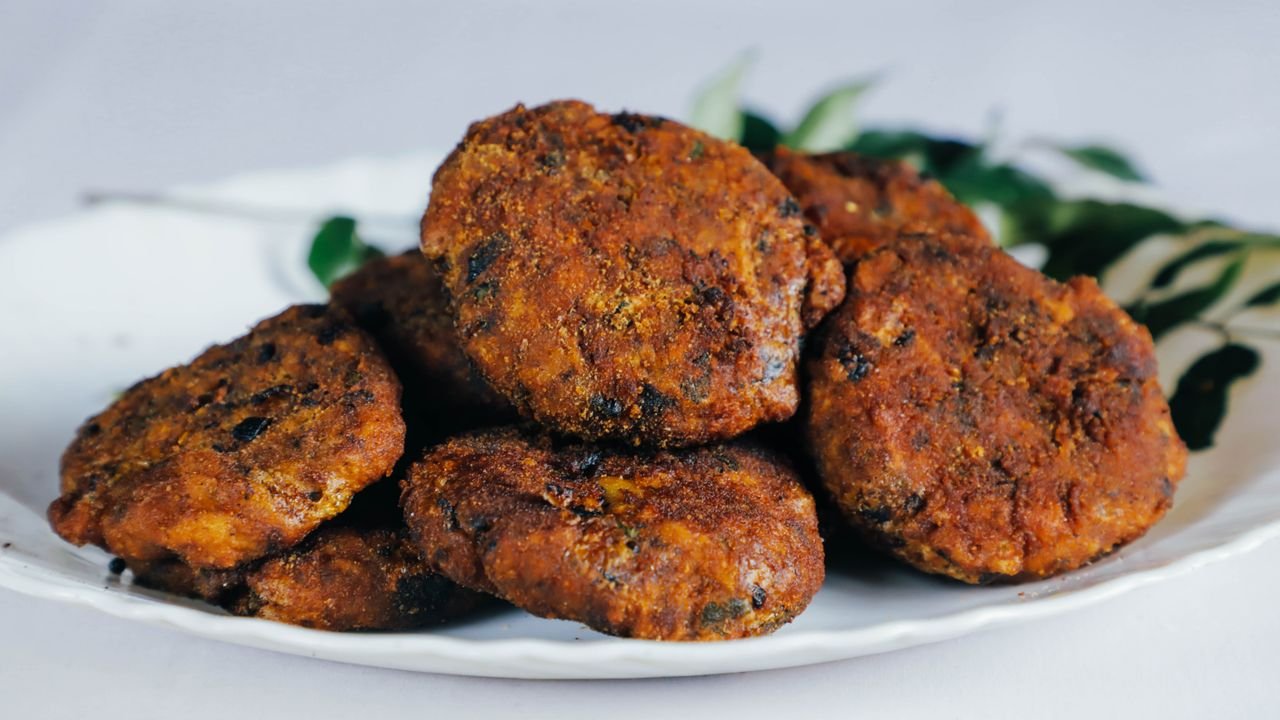
- Poha cutlets
- Homemade trail mix
- Makhana snack mix
You do not need to prepare everything from scratch. A mixture of homemade foods and nutritious convenience options can make healthy eating much easier for busy parents.
Healthy Snack Ideas for Picky Eaters
Getting a picky eater to accept healthy food can feel like a daily negotiation.
The most important thing is to avoid turning snack time into a battle. Picky eating is common in childhood, particularly during the toddler and preschool years. AAP recommends offering a food the child enjoys alongside a food they have previously rejected and continuing to offer foods without pressure.
Pair a New Food With a Favorite
Instead of giving your child an entirely unfamiliar snack, combine one new food with something they already like.
For example:
- Apple + familiar cheese
- New vegetable + favorite hummus
- New fruit + yogurt
- Whole-grain cracker + preferred dip
- Cucumber + cheese
- New fruit + banana
This approach gives your child something familiar while providing an opportunity to explore something new.
Change the Shape and Texture
Sometimes the problem isn’t the food itself—it is the way it is presented.
Try:
- Grated carrots instead of carrot sticks
- Cucumber sticks instead of cucumber slices
- Fruit cubes instead of whole fruit
- Sandwiches cut into stars or hearts
- Mini pancakes
- Vegetable rolls
- Small snack cups
AAP specifically recommends making foods visually appealing and involving children in food preparation as strategies that can make eating more enjoyable.
Give Two Healthy Choices
Instead of asking, “Do you want a snack?” try:
“Would you like an apple or banana?”
Or:
“Would you like yogurt or cheese?”
This gives your child some control without turning the snack into an unlimited choice between healthy food and junk food.
Don’t Force Your Child to Finish
A child does not have to clean the plate to have eaten a successful snack.
Parents can decide what nutritious foods are offered, while children can generally have a role in deciding whether and how much they eat from the foods provided. Pressuring children can make food battles worse.
Repeated exposure also matters. A child may reject a food several times before becoming comfortable with it, so one “no” does not necessarily mean the food will always be rejected.
Healthy Snacks for Toddlers
Toddlers can be unpredictable eaters. One day they may love bananas, and the next day they may refuse to look at one.
Some healthy snacks for toddlers include:
- Soft banana pieces
- Unsweetened yogurt
- Soft-cooked vegetables
- Mini idli
- Soft paneer pieces
- Banana pancakes
- Soft oatmeal bites
- Avocado toast
- Egg pieces prepared appropriately
- Unsweetened applesauce
For toddlers, texture and food size matter as much as nutrition.
Avoid giving young children foods that are choking hazards, and always consider their developmental readiness. Children should eat while seated and supervised.
If your toddler has persistent feeding difficulties, difficulty swallowing, frequent choking, poor growth, or a very restricted diet, speak with your pediatrician.
Healthy Snacks for Preschoolers
Preschoolers are becoming more independent, which makes snack time a great opportunity to teach healthy eating habits.
Some easy healthy snacks for preschoolers include:
- Fruit + cheese
- Yogurt parfait
- Mini vegetable sandwich
- Hummus + pita
- Homemade banana muffins
- Ragi bites
- Paneer roll
- Banana smoothie
- Roasted makhana
- Fruit chaat
AAP notes that preschoolers commonly have one to two healthy snacks each day, although individual needs vary. Fresh fruits and vegetables, whole grains, and dairy foods can all contribute to nutritious snack choices.
Healthy School Snack Ideas
School snacks need to be more than nutritious—they also need to be portable, reasonably mess-free, easy to eat, and acceptable to your child.
Some healthy school snack ideas include:
| Snack | Prep Time | Easy to Pack | Protein |
|---|---|---|---|
| Apple + cheese | 5 min | Yes | Yes |
| Yogurt + berries | 3 min | Yes | Yes |
| Roasted makhana | 10 min | Yes | Moderate |
| Mini paneer sandwich | 10 min | Yes | Yes |
| Whole-grain crackers + cheese | 3 min | Yes | Yes |
| Fruit + seed butter | 5 min | Yes | Yes |
| Mini idli | 10 min | Yes | Moderate |
Always check your child’s school allergy policy before packing foods containing peanuts or other common allergens.
For perishable foods, use an insulated lunch bag and an appropriate ice pack when needed.
10 Quick Healthy Snacks for Kids in Under 5 Minutes
When everyone is hungry and dinner is still an hour away, complicated recipes are not realistic.
These quick healthy snacks for kids can be assembled in minutes:
- Banana + peanut or seed butter
- Yogurt + berries
- Cheese + apple
- Hummus + cucumber
- Whole-grain toast + avocado
- Fruit smoothie
- Paneer cubes + fruit
- Apple slices + cinnamon yogurt dip
- Whole-grain crackers + cheese
- Pre-prepared overnight oats
Keep frequently used ingredients visible and easy to reach. USDA MyPlate recommends prepping and portioning snacks ahead of time and keeping fruits and vegetables accessible in the refrigerator.
Healthy Indian Snacks for Kids
For Indian families, there is no reason to abandon familiar foods when trying to make snacks healthier.
In fact, some traditional foods can make excellent healthy Indian snacks for kids.
Traditional Indian Options
Try:
- Mini idli
- Dhokla
- Poha
- Upma
- Vegetable cheela
- Mini dosa
- Paneer bites
- Roasted makhana
- Ragi dosa
- Homemade murmura mix
The key is to pay attention to preparation, portion, and what the snack is paired with.
Healthy Indian Snacks for Picky Eaters
If your child prefers familiar Indian foods, try making small modifications rather than introducing something completely unfamiliar.
Ideas include:
- Vegetable-stuffed paratha triangles
- Mini paneer rolls
- Fruit yogurt
- Mild vegetable poha
- Cheese dosa
- Ragi pancakes
- Mini uttapam with finely chopped vegetables
- Paneer sandwich bites
A familiar format can make a new ingredient less intimidating.
High-Protein Snacks for Kids
Parents often worry that picky eaters are not getting enough protein.
Fortunately, high protein snacks for kids do not have to involve complicated recipes or supplements.
Kid-friendly protein-rich foods include:
- Yogurt
- Milk
- Paneer
- Eggs
- Cheese
- Beans
- Lentils
- Hummus
- Nut or seed butter
- Soy foods
Easy combinations include:
- Yogurt + fruit
- Egg + whole-grain toast
- Paneer + cucumber
- Hummus + whole-grain pita
- Peanut/seed butter + banana
- Cheese + whole-grain crackers
Rather than focusing on whether every individual snack contains a large amount of protein, consider the child’s overall dietary pattern across meals and snacks.
Healthy After-School Snacks
After a long school day, children often arrive home extremely hungry.
Instead of immediately reaching for packaged snacks, prepare a simple healthy after school snack using this formula:
Protein + Produce + Whole Grain/Filling Carbohydrate
For example:
- Cheese + apple + whole-grain crackers
- Hummus + cucumber + pita
- Yogurt + banana + oats
- Egg + toast + fruit
- Paneer roll + cucumber
- Peanut/seed butter toast + banana
The goal is not to make the snack huge. It should provide enough food to satisfy hunger while still leaving room for the next meal.
Healthy Sweet Snacks for Kids
Kids naturally tend to enjoy sweet flavors, so instead of making every sweet food forbidden, use naturally sweet ingredients where possible.
Some healthy sweet snacks for kids include:
- Frozen banana bites
- Yogurt bark with fruit
- Homemade fruit popsicles
- Banana-oat cookies
- Apple slices with cinnamon
- Date-and-oat bites
- Chia pudding with fruit
- Homemade fruit yogurt
- Banana smoothies
Fruit can be particularly useful because it provides natural sweetness while also contributing nutrients and fiber.
For example, instead of serving heavily sweetened yogurt, try plain yogurt topped with banana, mango, strawberries, or blueberries.
Healthy Snacks for Kids Without Added Sugar
If you are looking for healthy snacks for kids without added sugar, start with naturally sweet foods.
Try:
- Fresh fruit
- Plain yogurt + fruit
- Banana-oat bites
- Homemade smoothies
- Apple + nut or seed butter
- Chia pudding + berries
- Banana pancakes
- Unsweetened oatmeal with fruit
It is important to distinguish naturally occurring sugars from added sugars. A banana and a sugary packaged snack are not nutritionally equivalent simply because both taste sweet.
Instead of aiming for a completely “sugar-free” childhood, focus on a balanced diet with plenty of nutrient-dense foods and fewer foods and drinks high in added sugars.
How to Make Healthy Snacks More Appealing to Kids
Sometimes your child doesn’t hate healthy food—they simply find the presentation boring.
A few small changes can make a surprising difference.
Make Food Colorful
Try combining different colors:
- Red strawberries
- Yellow banana
- Orange carrot
- Green cucumber
- Purple berries
- Red bell pepper
AAP recommends using colorful fruits and vegetables to make healthy foods more visually appealing.
Make Fun Shapes
Use cookie cutters to make:
- Sandwich stars
- Heart-shaped fruit
- Cheese shapes
- Mini pancakes
- Vegetable shapes
Create Snack Plates
Instead of giving one large bowl of one food, make a mini snack plate containing three or four small components.
For example:
Apple + cheese + crackers + cucumber
This creates variety without requiring a complicated recipe.
Let Kids Help
Depending on their age, children can:
- Wash fruit
- Stir yogurt
- Assemble a snack plate
- Choose between two fruits
- Add toppings
- Arrange food into shapes
Children are often more interested in foods they helped select or prepare. AAP recommends involving children in food preparation as one strategy for encouraging greater food exploration.
Focus on Texture
Some children are highly motivated by texture.
Offer different options such as:
- Crunchy
- Creamy
- Soft
- Cold
- Warm
- Smooth
A child who rejects cooked vegetables might enjoy a crunchy cucumber or carrot preparation, if age-appropriate.
How to Build a Balanced Snack Plate
A simple snack formula can make planning easier:
Choose 1 + 1 + optional 1
Option 1: Fruit or Vegetable
Choose from:
- Apple
- Banana
- Berries
- Mango
- Cucumber
- Carrot
- Bell pepper
- Pear
Option 2: Protein or Dairy
Choose:
- Yogurt
- Cheese
- Paneer
- Egg
- Hummus
- Nut or seed butter
Option 3: Whole Grain or Filling Carbohydrate
Choose:
- Whole-grain crackers
- Toast
- Oats
- Homemade muffin
- Whole-grain pita
- Mini dosa
Example Combinations
Apple + cheese + whole-grain crackers
Banana + peanut/seed butter
Cucumber + hummus + pita
Berries + yogurt + oats
Paneer + fruit + whole-grain toast
USDA’s MyPlate snack guidance similarly encourages combining food groups to create satisfying snacks.
Healthy Snack Prep Tips for Busy Parents
Healthy eating becomes much easier when the food is ready before your child gets hungry.
Wash and Prepare Fruit Ahead of Time
Wash suitable fruits when you bring them home and store them appropriately so they are easy to grab.
Keep Grab-and-Go Snack Boxes Ready
Prepare small containers containing combinations such as:
- Crackers + cheese
- Fruit + yogurt
- Makhana + fruit
- Cucumber + hummus
Batch-Make Homemade Snacks
Make a larger batch of:
- Banana-oat muffins
- Ragi pancakes
- Makhana
- Roasted chickpeas
- Homemade energy bites
Store them appropriately and use them throughout the week.
Stock a “Healthy Snack Drawer”
For older children, create an accessible snack area containing appropriate options such as:
- Whole-grain crackers
- Roasted makhana
- Dried fruit in suitable portions
- Unsweetened cereal
- Homemade snacks
Keep refrigerated foods in the refrigerator and supervise younger children.
Keep Emergency Snacks in Your Bag or Car
For busy days, portable options can prevent an emergency drive-through snack.
Depending on age and safety considerations, options might include:
- Whole-grain crackers
- Fruit
- Roasted makhana
- Homemade oat bites
- Shelf-stable unsweetened options
Healthy Store-Bought Snacks for Kids
You don’t have to cook every snack to feed your child well.
There are plenty of situations when packaged foods are convenient or necessary. The goal is to learn how to choose better options.
When comparing healthy store-bought snacks for kids, check:
- Added sugar
- Sodium
- Protein
- Fiber
- Ingredient list
- Portion size
- Allergens
Look beyond the front-of-package claims. A product labeled “natural,” “multigrain,” or “made with fruit” is not automatically a nutritious choice.
A simple ingredient list and a food that contributes useful nutrients can be a better everyday option.
Snacks to Limit for Kids
No single food needs to become a forbidden food.
Instead, think about frequency.
Foods to limit as everyday snacks can include:
- Candy
- Sugary drinks
- Highly sugary cereals
- Cookies
- Very salty packaged snacks
- Highly processed snack foods
This does not mean your child can never enjoy cookies, chocolate, chips, or other treats. The goal is to make nutrient-dense foods the regular foundation of snack time.
AAP recommends using snacks to increase children’s intake of fruits and vegetables while limiting processed foods and added sugars.
Common Healthy Snack Mistakes Parents Make
Mistake 1: Making Every Snack From Scratch
Healthy food does not have to mean homemade food every single time.
Better approach: Keep nutritious ingredients and convenient options available.
Mistake 2: Offering Only Vegetables
If your child is hungry and receives only raw vegetables, they may simply reject the snack.
Better approach: Pair vegetables with hummus, yogurt dip, cheese, or another familiar food.
Mistake 3: Forcing Kids to Eat
Pressure can turn healthy eating into a power struggle.
Better approach: Offer nutritious choices and allow your child to decide whether and how much to eat.
Mistake 4: Allowing All-Day Grazing
Constant snacking can make children less interested in regular meals.
Better approach: Establish predictable meal and snack times appropriate for your family’s routine. Structured snack times are also recommended as part of a low-pressure approach to picky eating.
Mistake 5: Making Snacks Too Large
A giant snack can easily become a meal.
Better approach: Start with a modest, age-appropriate portion and offer more if your child is still hungry.
Mistake 6: Forgetting Presentation
Even nutritious foods can be rejected if they look unappealing to a child.
Better approach: Experiment with colors, shapes, dips, and textures.
7-Day Healthy Snack Plan for Kids
Here’s a simple healthy snack plan for kids that can help take the guesswork out of snack time.
| Day | Morning/School Snack | After-School Snack |
|---|---|---|
| Monday | Apple + cheese | Banana yogurt bowl |
| Tuesday | Mini idli + yogurt | Roasted makhana + fruit |
| Wednesday | Fruit + whole-grain crackers | Paneer sandwich |
| Thursday | Banana oat bites | Hummus + cucumber + pita |
| Friday | Dhokla + fruit | Smoothie + toast |
| Saturday | Ragi pancake | Cheese + apple |
| Sunday | Homemade fruit yogurt | Vegetable cheela bites |
Adjust ingredients and portions according to your child’s age, appetite, allergies, preferences, and developmental stage.
Healthy Snack Ideas by Age
Different ages call for different approaches to food preparation and independence.
Toddlers
Focus on:
- Soft, age-appropriate textures
- Safe food sizes
- Simple flavors
- Supervised eating
- Familiar foods alongside new foods
Preschoolers
Focus on:
- Variety
- Colorful presentation
- Self-feeding
- Small choices
- Helping with preparation
School-Age Children
Focus on:
- Portable snacks
- Protein and fiber
- Lunchbox-friendly foods
- Age-appropriate independence
- Balanced combinations
Older Kids
Focus on:
- Reading food labels
- Preparing simple snacks
- Understanding balanced choices
- Recognizing hunger and fullness
- Making independent but nutritious decisions
Frequently Asked Questions About Healthy Snack Ideas for Kids
What are the healthiest snacks for kids?
The healthiest snacks for kids are generally nutrient-dense foods such as fruits, vegetables, whole grains, yogurt, cheese, eggs, beans, lentils, hummus, and age-appropriate nuts or seeds. Combining two food groups—for example, apple and cheese or yogurt and berries—can make a more satisfying snack.
What are healthy snacks for picky eaters?
Healthy snacks for picky eaters should include at least one familiar food your child already enjoys, paired with another nutritious food you want them to explore. Try yogurt with fruit, cheese with crackers, banana with nut or seed butter, or cucumber with hummus. Continue offering rejected foods without pressure.
What can I give my child as a quick healthy snack?
Some quick healthy snacks for kids include banana with peanut or seed butter, yogurt with fruit, cheese with apple, hummus with cucumber, whole-grain toast with avocado, paneer with fruit, and whole-grain crackers with cheese.
What is a good after-school snack for kids?
A good after-school snack can combine protein, produce, and a filling carbohydrate. Examples include cheese with apple and whole-grain crackers, yogurt with banana and oats, hummus with cucumber and pita, or egg with toast and fruit.
What are healthy school snacks?
Healthy school snacks should be nutritious, portable, easy to eat, and appropriate for the child’s age. Fruit, cheese, yogurt, whole-grain crackers, mini sandwiches, paneer bites, and roasted makhana can all work depending on school rules, storage requirements, allergies, and the child’s developmental stage.
What are high-protein snacks for kids?
High-protein snacks for kids can include yogurt, eggs, paneer, cheese, hummus, beans, lentils, soy foods, and nut or seed butter. Simple combinations include yogurt and fruit, egg and toast, paneer and cucumber, or hummus and whole-grain pita.
What are healthy snacks for toddlers?
Healthy snacks for toddlers can include soft fruit, yogurt, soft-cooked vegetables, mini idli, paneer, appropriately prepared egg, avocado toast, banana pancakes, and unsweetened applesauce. Foods should be prepared according to the child’s developmental abilities, with appropriate choking precautions and supervision.
How do I get my picky eater to eat healthy snacks?
Start with foods your child already accepts and pair them with a small amount of a less familiar food. Offer choices, make foods visually appealing, involve your child in preparation, and avoid forcing them to eat. Repeated exposure can gradually increase acceptance of unfamiliar foods.
How many snacks should kids have each day?
There is no single snack schedule that works for every child. Needs depend on age, appetite, activity, meal timing, and individual circumstances. For example, AAP guidance notes that preschoolers commonly have one to two healthy snacks per day.
Are homemade snacks healthier than packaged snacks?
Not necessarily. Homemade snacks can make it easier to control ingredients, but nutritious packaged foods can also be part of a healthy eating routine. Compare ingredients, added sugar, sodium, fiber, protein, and portion size instead of assuming every homemade food is healthier.
The Bottom Line: Healthy Snacks Don’t Have to Be Perfect
The best healthy snack ideas for kids are the ones that fit into your family’s real life—and that your child will actually eat.
You do not need to create elaborate snack boxes every afternoon. Start with simple combinations:
Fruit + protein
Vegetable + dip
Whole grain + cheese
Yogurt + fruit
Paneer + fruit
Banana + nut or seed butter
If you have a picky eater, remember that one rejected snack does not mean you’ve failed. Continue offering a variety of nutritious foods, include something familiar, give your child reasonable choices, and keep mealtimes and snack times low-pressure. Picky eating is common during childhood, and repeated exposure can help children gradually become more comfortable with new foods.
The goal isn’t to make every snack perfect. The goal is to help your child build healthy eating habits one snack at a time.
Safety note: This article provides general nutrition information and is not a substitute for individualized medical or dietary advice. Always adapt foods to your child’s age and developmental stage, particularly regarding choking hazards. If your child has food allergies, feeding difficulties, poor growth, swallowing problems, or a highly restricted diet, consult your pediatrician or a qualified pediatric dietitian.