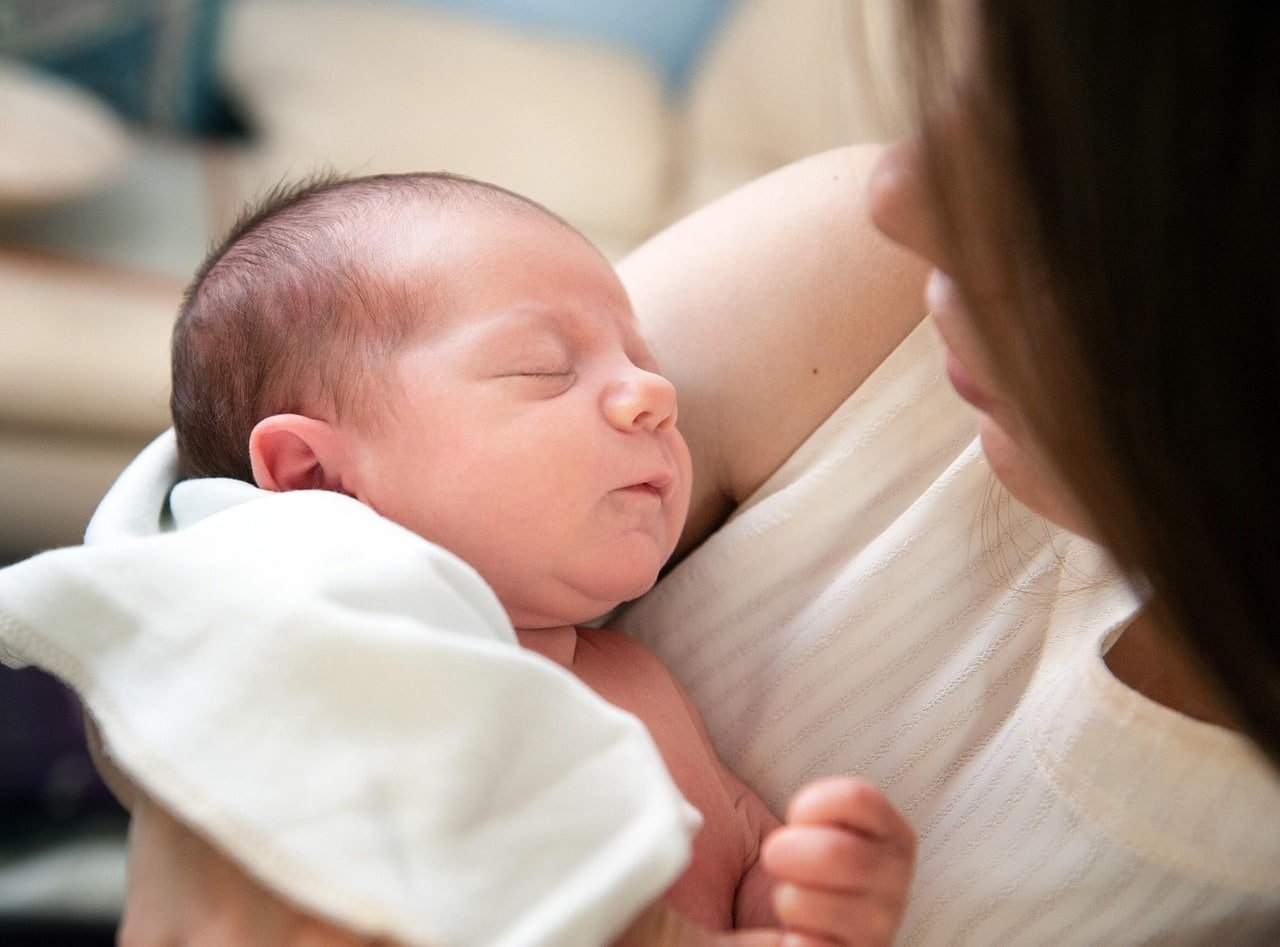

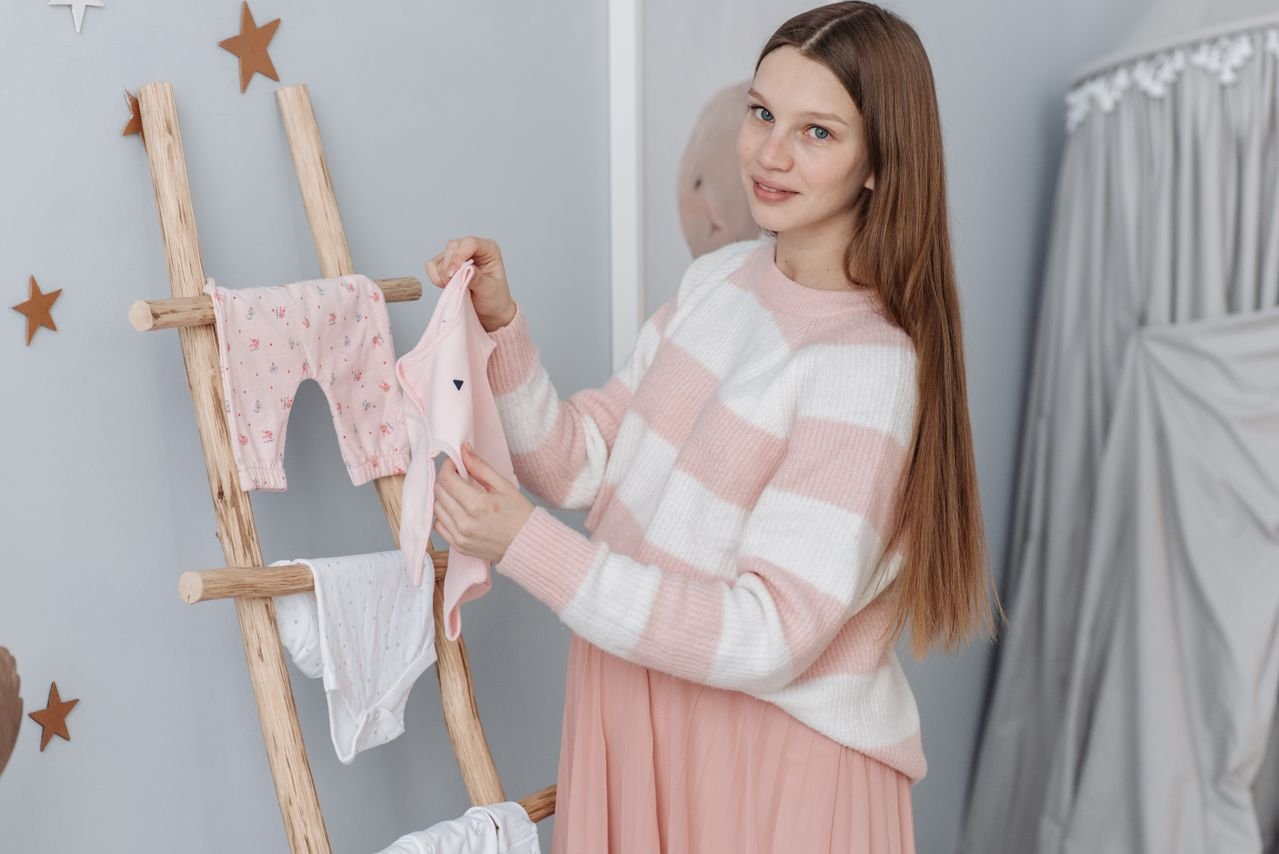
Bringing home a newborn is one of life’s most exciting milestones, but it can also feel overwhelming—especially if you’re a first-time parent. With thousands of baby products available online and in stores, it’s easy to wonder what your baby actually needs and what can wait.
A well-planned newborn essentials checklist helps you focus on the products that truly matter. Instead of filling your nursery with items your baby may never use, you can create a practical baby shopping checklist that includes only the newborn baby essentials required for the first few months.
Whether you’re preparing a newborn baby shopping checklist before delivery, planning a baby shower registry, or searching for a complete newborn essentials checklist for first-time parents, this guide has you covered. We’ll walk you through every category, including:
- Clothing essentials
- Feeding supplies
- Diapering products
- Bath and hygiene items
- Nursery and sleep essentials
- Baby health and safety products
- Travel gear
- Hospital-to-home must-haves
- Budget-friendly buying tips
You’ll also find recommended quantities, practical shopping advice, and expert-backed safety considerations so you can prepare your home without overspending.
Quick Tip: Every family is different. Use this checklist as a starting point and customize it based on your baby’s needs, your lifestyle, and your budget.
Why You Need a Newborn Essentials Checklist
Shopping for a newborn is exciting, but it’s also easy to get carried away. Cute outfits, high-tech gadgets, and trendy baby gear can quickly add up, leaving parents with items they rarely use. A thoughtfully prepared baby essentials checklist helps you prioritize what your newborn truly needs while avoiding unnecessary expenses.
Here’s why every expecting parent should create a newborn checklist before the due date.
1. Helps You Buy Only the Essentials
Many parents discover after delivery that babies need surprisingly few items during the first few weeks. A clear newborn items list allows you to focus on practical necessities such as diapers, clothing, feeding supplies, and a safe sleeping space instead of impulse purchases.
Remember, your baby’s comfort and safety matter far more than having the latest baby gadgets.
2. Saves Money on Baby Shopping
Babies grow incredibly fast. Many newborn clothes fit for only a few weeks, and some products may never be used.
Creating a newborn baby shopping list allows you to:
- Compare prices before purchasing.
- Buy during seasonal sales.
- Avoid duplicate gifts.
- Invest in high-quality essentials.
- Skip products with limited usefulness.
If you’re looking for newborn baby essentials on a budget, prioritizing must-have products first can significantly reduce overall spending.
3. Makes Baby Registry Planning Easier
If friends and family are asking what you need, a well-organized baby registry checklist ensures you receive useful gifts instead of multiple versions of the same item.
Organizing your registry by category—feeding, diapering, clothing, nursery, and travel—also makes shopping easier for gift-givers.
4. Reduces Last-Minute Stress
The final weeks of pregnancy can be unpredictable. Having your things to buy before baby arrives ready well before your due date means you’ll have one less thing to worry about if labor begins earlier than expected.
Ideally, aim to complete your newborn baby shopping checklist before delivery by around 34–36 weeks of pregnancy.
5. Helps You Organize Your Nursery
Preparing your baby’s space before birth allows you to:
- Arrange clothing by size.
- Organize diapers and wipes.
- Set up feeding supplies.
- Prepare a changing station.
- Create a safe sleeping environment.
A tidy nursery makes those first sleep-deprived weeks much easier to manage.
6. Prevents Overbuying Newborn Clothes
One of the biggest mistakes new parents make is purchasing too many newborn-sized outfits. Since babies grow at different rates, some may wear newborn sizes for only a short time.
A balanced newborn clothing checklist includes enough everyday clothing without overcrowding your baby’s wardrobe.
7. Ensures You Don’t Forget Important Safety Items
While adorable clothes often grab attention, essential safety products should never be overlooked. Your newborn baby products list with quantity should include:
- Digital thermometer
- Nasal aspirator
- Infant car seat
- Safe crib and firm mattress
- Baby first aid supplies
- Night light for nighttime care
These items may not be exciting to shop for, but they play a crucial role in keeping your baby healthy and safe.
Complete Newborn Essentials Checklist (Master List)
Before we explore each category in detail, here’s a quick overview of the newborn baby essentials you’ll need during the first few months. This master list serves as a handy reference when creating your baby shopping checklist or preparing your baby registry.
| Category | Essential Items |
|---|---|
| Clothing | Onesies, bodysuits, sleepers, socks, mittens, caps, bibs, swaddles |
| Feeding | Nursing pillow, bottles, burp cloths, breast pump (if needed), bottle brush, sterilizer |
| Diapering | Newborn diapers, wipes, diaper rash cream, changing mat, diaper bag |
| Bath & Hygiene | Baby bathtub, gentle baby wash, shampoo, towels, lotion, nail clippers |
| Sleep & Nursery | Crib, firm mattress, fitted sheets, waterproof mattress protector, swaddles, baby monitor |
| Health & Safety | Digital thermometer, nasal aspirator, medicine dropper, first aid kit, baby-safe detergent |
| Travel | Infant car seat, stroller, baby carrier, diaper bag, portable changing mat |
| Hospital Essentials | Going-home outfit, blanket, diapers, wipes, mittens, cap |
Essential vs Nice-to-Have
Not every baby product is essential from day one. As you build your minimal newborn essentials checklist, prioritize:
✅ Must-Have Essentials
- Safe sleep space
- Weather-appropriate clothing
- Feeding supplies
- Diapers and wipes
- Bath essentials
- Health kit
- Infant car seat (if traveling by car)
⭐ Nice-to-Have Items
- Bottle warmer
- White noise machine
- Baby swing
- Nursing chair
- Sterilizer (if not exclusively breastfeeding)
- Baby wrap carrier
- Portable bassinet
❌ Optional Items
- Fancy newborn shoes
- Designer outfits
- Wipe warmer
- Crib bumpers
- Baby pillows
- Excessive toys during the newborn stage
ParentingFinds Tip: Start with the essentials and purchase additional items as your baby’s needs become clearer. This approach is especially helpful for families looking for newborn essentials on a budget and prevents unnecessary spending on products that may go unused.
Newborn Clothing Essentials
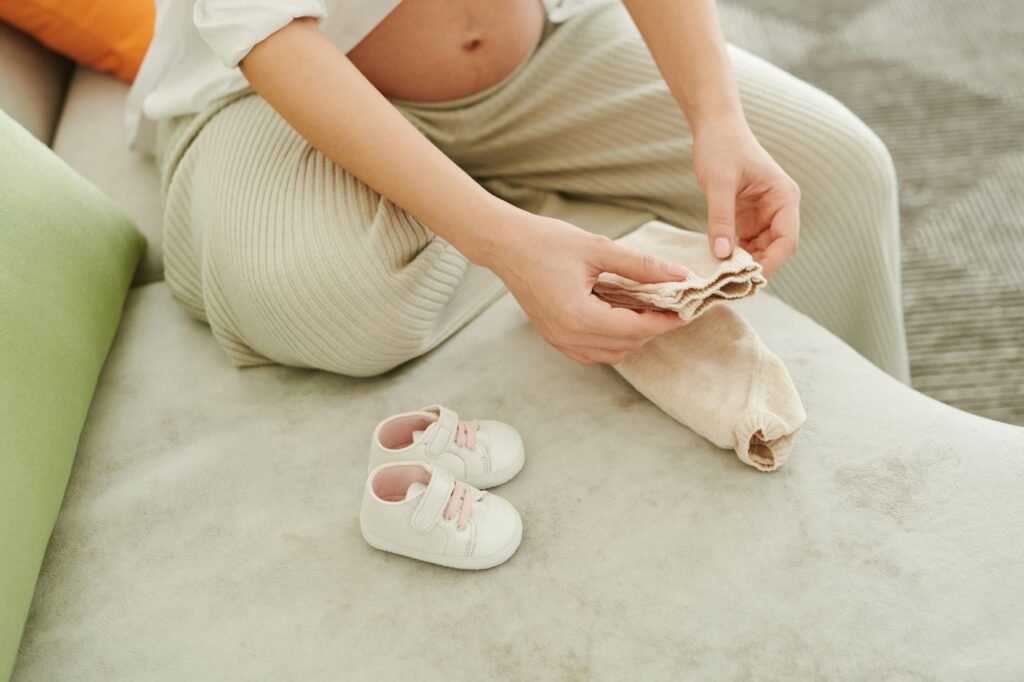
Your baby’s wardrobe doesn’t need to be overflowing with adorable outfits. During the first few months, comfort, softness, and practicality matter much more than fashion. Since newborns spend most of their time sleeping, feeding, and being cuddled, choose breathable fabrics that are gentle on delicate skin.
When creating your newborn clothing checklist, remember that babies can go through several outfit changes in a day due to spit-ups, diaper leaks, and drooling. It’s better to have enough everyday basics than dozens of special occasion outfits.
Shopping Tip: Choose 100% cotton clothing whenever possible. Cotton is breathable, soft, and less likely to irritate sensitive newborn skin.
Newborn Clothing Checklist
| Item | Recommended Quantity | Essential |
|---|---|---|
| Short-sleeve bodysuits (Onesies) | 6–8 | ✅ |
| Long-sleeve bodysuits | 4–6 | ✅ |
| Sleepsuits/Footed pajamas | 6–8 | ✅ |
| Pants/Leggings | 4–6 | ✅ |
| Sweaters/Jackets (seasonal) | 2–3 | ⭐ |
| Mittens | 3–4 pairs | ✅ |
| Socks | 6–8 pairs | ✅ |
| Soft cotton caps | 2–3 | ✅ |
| Bibs | 8–10 | ✅ |
| Burp cloths | 10–12 | ✅ |
| Swaddle blankets | 3–5 | ✅ |
| Wearable sleep sacks | 2–3 | ⭐ |
How Many Newborn Clothes Do You Really Need?
One of the most common questions first-time parents ask is, “How many newborn clothes should I buy?”
The answer depends on:
- How often you do laundry.
- Your local climate.
- Whether your baby is expected to be smaller or larger than average.
A good rule is to buy only enough newborn-sized clothes for the first few weeks and gradually purchase larger sizes as your baby grows. Many babies outgrow newborn clothing within the first month.
Seasonal Clothing Tips
Summer Babies
- Lightweight cotton onesies
- Sleeveless bodysuits
- Thin swaddle blankets
- Breathable cotton caps for outdoor use
Winter Babies
- Full-sleeve sleepsuits
- Layered clothing
- Warm socks and mittens
- Fleece blanket (avoid loose blankets during sleep)
- Soft sweaters for outdoor trips
Clothing Buying Tips
- Wash all baby clothes before first use using baby-safe detergent.
- Remove tags that may irritate the skin.
- Avoid clothes with complicated buttons or decorative accessories.
- Skip expensive newborn shoes—they’re unnecessary until your baby starts walking.
Feeding Essentials
Feeding is one of the biggest parts of newborn care, whether you choose breastfeeding, bottle feeding, or a combination of both. Having the right newborn feeding essentials ready before your baby arrives makes feeding sessions more comfortable and stress-free.
Breastfeeding Essentials
If you plan to breastfeed, these items can make the experience easier for both mother and baby.
| Item | Recommended Quantity |
|---|---|
| Nursing pillow | 1 |
| Nursing bras | 3–4 |
| Nursing pads | 1–2 packs |
| Breast pump (manual or electric) | 1 (optional) |
| Milk storage bags | 1 pack |
| Burp cloths | 10–12 |
| Nipple cream | 1 tube |
| Water bottle for mom | 1 |
Helpful Tip: A nursing pillow can improve positioning and reduce strain on your back and shoulders during feeding sessions.
Bottle Feeding Essentials
Whether you’re formula feeding, expressing breast milk, or combining both methods, these supplies are useful.
| Item | Recommended Quantity |
|---|---|
| Feeding bottles | 6–8 |
| Newborn bottle nipples | 6–8 |
| Bottle cleaning brush | 1 |
| Sterilizer | 1 (optional but helpful) |
| Drying rack | 1 |
| Formula dispenser | 1 (if formula feeding) |
| Bottle warmer | Optional |
Burping Essentials
Burping helps reduce trapped air and keeps your baby more comfortable after feeds.
Keep these nearby:
- Burp cloths
- Bibs
- Soft muslin cloths
- Comfortable chair for feeding
Feeding Tips for First-Time Parents
- Feed your baby on demand, especially during the first few weeks.
- Always sterilize bottles before initial use.
- Hold your baby upright while feeding.
- Burp your baby after each feed.
- Watch for hunger cues rather than relying only on the clock.
Diapering Essentials
Changing diapers will quickly become one of your most frequent daily tasks. Newborns typically need 8–12 diaper changes per day, making a well-stocked diaper station essential.
Whether you choose disposable or cloth diapers, your newborn diaper checklist should include everything needed to keep your baby clean, dry, and comfortable.
Newborn Diapering Checklist
| Item | Recommended Quantity | Essential |
|---|---|---|
| Newborn diapers | 2–3 packs | ✅ |
| Baby wipes | 4–6 packs | ✅ |
| Diaper rash cream | 1 tube | ✅ |
| Changing mat | 1–2 | ✅ |
| Diaper caddy | 1 | ⭐ |
| Diaper bag | 1 | ✅ |
| Disposable diaper bags | 1 pack | ⭐ |
| Cloth diapers (optional) | 12–24 | Optional |
| Waterproof changing pad liners | 3–4 | ⭐ |
Disposable vs Cloth Diapers
Both options have advantages, and many families use a combination.
| Disposable Diapers | Cloth Diapers |
|---|---|
| Convenient for travel | Eco-friendly |
| Easy to use | Cost-effective over time |
| Less laundry | Reusable |
| Higher ongoing cost | Requires regular washing |
Choose the option that best fits your family’s lifestyle and budget.
Setting Up a Diaper Changing Station
A dedicated changing area saves time and keeps everything within reach.
Keep these items together:
- Diapers
- Wipes
- Rash cream
- Extra clothes
- Hand sanitizer
- Disposable bags
- Burp cloths
Organizing supplies in a portable diaper caddy also makes it easy to move between rooms.
Preventing Diaper Rash
Diaper rash is common, but a few simple habits can help prevent it.
- Change diapers promptly after they’re soiled.
- Allow your baby’s skin to air dry before putting on a new diaper.
- Apply diaper rash cream as needed.
- Use fragrance-free wipes if your baby has sensitive skin.
- Give your baby short periods of diaper-free time each day to let the skin breathe.
Expert Tip: If a diaper rash persists for several days, worsens, or is accompanied by fever or blisters, consult your pediatrician.
Quick Summary: Clothing, Feeding & Diapering Essentials
| Category | Must-Have Items |
|---|---|
| Clothing | Onesies, sleepers, socks, mittens, caps, bibs, swaddles |
| Feeding | Nursing pillow, bottles, burp cloths, breast pump (if needed), bottle brush |
| Diapering | Diapers, wipes, diaper rash cream, changing mat, diaper bag |
Bath & Hygiene Essentials
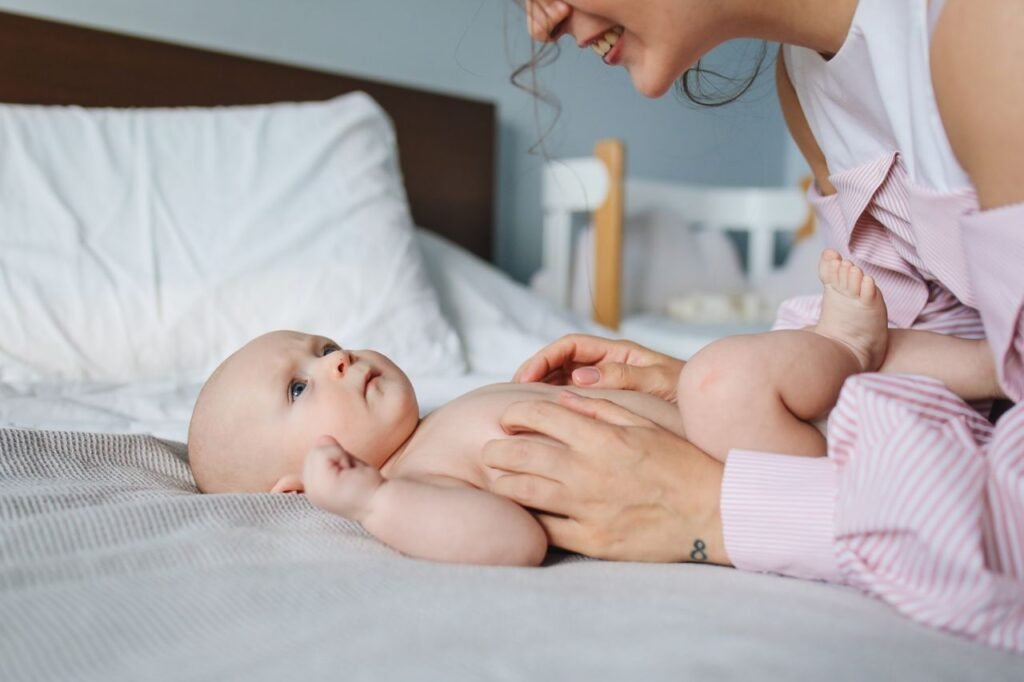
A newborn doesn’t need a daily bath. In fact, giving your baby a bath 2–3 times a week is usually enough during the first few months unless they become particularly messy. However, keeping your baby’s face, neck folds, hands, and diaper area clean every day is important.
Choosing gentle, fragrance-free baby hygiene products helps protect your newborn’s delicate skin and reduces the risk of irritation.
ParentingFinds Tip: Less is more. Babies don’t need a shelf full of skincare products—just a few high-quality essentials.
Newborn Bath Essentials Checklist
| Item | Recommended Quantity | Essential |
|---|---|---|
| Baby bathtub | 1 | ✅ |
| Mild baby body wash | 1 | ✅ |
| Tear-free baby shampoo | 1 | ✅ |
| Hooded towels | 2–3 | ✅ |
| Soft washcloths | 6–8 | ✅ |
| Baby lotion | 1 | ⭐ |
| Baby oil (optional) | 1 | Optional |
| Soft baby hairbrush | 1 | ✅ |
| Baby comb | 1 | ⭐ |
| Nail clippers | 1 | ✅ |
| Nail file | 1 | ⭐ |
| Cotton balls/pads | 1 pack | ✅ |
| Bath thermometer (optional) | 1 | Optional |
Bath Time Safety Tips
Bath time should always be calm, gentle, and supervised.
- Check that the room is warm before undressing your baby.
- Use lukewarm water (around 37–38°C).
- Support your baby’s head and neck at all times.
- Keep all bath supplies within arm’s reach.
- Never leave your baby unattended, even for a few seconds.
- Pat your baby’s skin dry instead of rubbing it.
Daily Hygiene Routine
Besides bathing, your newborn benefits from a simple daily hygiene routine:
- Clean the face with warm water.
- Wipe around the eyes using separate cotton pads.
- Gently clean the neck folds to remove milk residue.
- Wash hands frequently.
- Keep nails trimmed to prevent accidental scratches.
- Clean the diaper area thoroughly during every diaper change.
Skin Care Tips for Newborns
A baby’s skin is much thinner and more sensitive than an adult’s. To keep it healthy:
- Choose fragrance-free products.
- Avoid powders unless recommended by your pediatrician.
- Moisturize if the skin becomes dry.
- Dress your baby in breathable cotton clothing.
- Avoid harsh soaps and alcohol-based wipes.
Nursery & Sleep Essentials
Creating a safe sleeping environment is one of the most important parts of your newborn essentials checklist. During the first few months, your baby will spend 14–17 hours a day sleeping, making safe sleep practices a top priority.
A simple, clutter-free nursery is not only safer but also easier to maintain during those busy newborn weeks.
Nursery Essentials Checklist
| Item | Recommended Quantity | Essential |
|---|---|---|
| Crib or bassinet | 1 | ✅ |
| Firm crib mattress | 1 | ✅ |
| Waterproof mattress protector | 2 | ✅ |
| Fitted crib sheets | 3–4 | ✅ |
| Swaddle blankets | 3–5 | ✅ |
| Wearable sleep sacks | 2–3 | ⭐ |
| White noise machine | 1 | Optional |
| Baby monitor | 1 | ⭐ |
| Night light | 1 | ⭐ |
| Nursery organizer | 1 | Optional |
| Comfortable feeding chair | 1 | Optional |
Safe Sleep Guidelines
Following safe sleep recommendations significantly reduces the risk of sleep-related accidents.
Always Remember:
✅ Place your baby on their back for every sleep.
✅ Use a firm, flat mattress.
✅ Keep the crib free from:
- Pillows
- Blankets
- Stuffed toys
- Crib bumpers
- Loose bedding
✅ Dress your baby appropriately for the room temperature instead of using heavy blankets.
✅ Share a room, not a bed, during the first several months if possible.
Organizing Your Nursery
A functional nursery saves valuable time during late-night diaper changes and feedings.
Organize supplies into dedicated areas:
Sleeping Area
- Crib
- Sheets
- Swaddles
- Night light
Feeding Station
- Burp cloths
- Bottles
- Nursing pillow
- Water bottle
- Snacks for mom
Changing Station
- Diapers
- Wipes
- Rash cream
- Extra clothes
- Hand sanitizer
Storage Area
- Larger-size clothing
- Extra diapers
- Blankets
- Seasonal clothing
Newborn Sleep Essentials
Your baby doesn’t need expensive sleep gadgets. Focus on products that promote safe, comfortable sleep.
Must-have newborn sleep essentials include:
- Firm crib mattress
- Fitted sheets
- Swaddle blankets
- Sleep sacks
- Room thermometer
- Night light
Optional sleep aids:
- White noise machine
- Blackout curtains
- Pacifier (if recommended after breastfeeding is established)
Baby Health & Safety Essentials
A well-stocked newborn health kit helps you handle minor concerns at home while knowing when to seek medical advice. Most of these items won’t be used every day, but they’re invaluable when you need them.
Baby Health Essentials Checklist
| Item | Recommended Quantity | Essential |
|---|---|---|
| Digital thermometer | 1 | ✅ |
| Nasal aspirator | 1 | ✅ |
| Medicine syringe/dropper | 1 | ✅ |
| Infant first aid kit | 1 | ✅ |
| Saline nasal drops | 1 | ⭐ |
| Baby-safe detergent | 1 | ✅ |
| Soft toothbrush/finger brush | 1 | Optional |
| Humidifier | 1 | Optional |
| Vitamin D drops* | As advised | ⭐ |
*Use supplements only if recommended by your pediatrician.
Baby Safety Essentials
Your baby’s safety extends beyond medical supplies.
Include these baby safety essentials in your home:
- Smoke detector
- Carbon monoxide detector (where applicable)
- Fire extinguisher
- Cabinet locks (for later months)
- Corner protectors (for later stages)
- Non-slip rugs
- Safe storage for medicines and cleaning products
Planning ahead makes your home safer as your baby begins to roll and crawl.
Building a Basic Newborn First Aid Kit
Your baby’s first aid kit doesn’t need to be complicated.
Include:
- Digital thermometer
- Saline drops
- Nasal aspirator
- Sterile gauze
- Cotton balls
- Medicine dropper
- Baby nail clippers
- Pediatrician’s contact number
- Emergency contact list
Store the kit in an easily accessible location.
When to Call Your Pediatrician
While many newborn concerns are normal, contact your healthcare provider if your baby:
- Has a fever (especially in the first few months).
- Refuses multiple feedings.
- Has difficulty breathing.
- Appears unusually sleepy or difficult to wake.
- Shows signs of dehydration (fewer wet diapers).
- Develops persistent vomiting.
- Has a rash that spreads rapidly.
- Has ongoing diarrhea or blood in the stool.
When in doubt, it’s always best to seek medical advice rather than wait.
Newborn Essentials: Health & Hygiene Tips
- Wash your hands before handling your baby.
- Keep visitors with cold or flu symptoms away.
- Clean bottles and feeding equipment thoroughly.
- Wash baby clothes separately using baby-safe detergent.
- Keep your baby’s vaccination schedule up to date.
- Attend all recommended newborn check-ups.
Quick Summary: Bath, Nursery & Health Essentials
| Category | Must-Have Items |
|---|---|
| Bath & Hygiene | Baby bathtub, body wash, shampoo, towels, washcloths, nail clippers |
| Nursery & Sleep | Crib, firm mattress, fitted sheets, swaddles, waterproof protector |
| Health & Safety | Thermometer, nasal aspirator, first aid kit, medicine syringe, baby-safe detergent |
Travel Essentials
Whether you’re heading home from the hospital, visiting family, or planning your baby’s first road trip, having the right baby travel essentials makes every outing safer and more convenient.
Newborns don’t require a lot of travel gear, but a few carefully chosen products can make traveling much easier for both parents and baby.
ParentingFinds Tip: Start with the essentials. You can always purchase additional travel gear as your baby grows and your lifestyle changes.
Newborn Travel Checklist
| Item | Recommended Quantity | Essential |
|---|---|---|
| Infant car seat | 1 | ✅ |
| Baby stroller | 1 | ⭐ |
| Soft baby carrier or wrap | 1 | ⭐ |
| Diaper bag | 1 | ✅ |
| Portable changing mat | 1 | ✅ |
| Travel wipes | 1 pack | ✅ |
| Extra diapers | 6–8 | ✅ |
| Extra clothes | 2 sets | ✅ |
| Muslin blanket | 1–2 | ✅ |
| Burp cloths | 2–3 | ✅ |
| Feeding bottles (if needed) | 2–3 | ✅ |
| Formula container (if needed) | 1 | Optional |
| Pacifier (if used) | 1–2 | Optional |
Choosing the Right Infant Car Seat
One of the most important newborn baby products you’ll buy is an infant car seat. Even if you don’t own a car, you’ll likely need one for rides with family, taxis, or other vehicles.
When selecting a car seat:
- Ensure it meets recognized safety standards.
- Choose one designed specifically for newborns.
- Follow the manufacturer’s weight and height limits.
- Install it according to the instructions before your due date.
- Always secure your baby using the harness correctly.
Never place a rear-facing infant car seat in front of an active airbag.
Diaper Bag Essentials
A well-packed diaper bag can save the day when you’re away from home.
Pack These Every Time
- Diapers
- Baby wipes
- Changing mat
- Extra outfit
- Bib
- Burp cloth
- Rash cream
- Plastic bags for dirty clothes
- Feeding supplies
- Hand sanitizer
- Small toy (for older babies)
Keeping a diaper bag stocked and ready helps reduce last-minute stress before leaving the house.
Baby Carrier vs Stroller
Many first-time parents wonder whether they need both.
Baby Carrier
Pros
- Keeps baby close.
- Hands-free convenience.
- Great for crowded places.
- Easier on stairs.
Stroller
Pros
- Ideal for longer outings.
- Carries extra baby supplies.
- Less strain on parents.
- Better for walks and shopping trips.
Many families find that having baby carriers and strollers provides the most flexibility, though you can start with one based on your lifestyle.
Travel Tips for Newborns
- Pack more diapers than you think you’ll need.
- Dress your baby in comfortable layers.
- Schedule trips around feeding times when possible.
- Carry a lightweight blanket.
- Keep feeding supplies easily accessible.
- Avoid exposing newborns to crowded places during the early weeks whenever possible.
Hospital Bag Essentials for Baby
Packing your hospital bag around 34–36 weeks of pregnancy ensures you’re prepared if labor begins unexpectedly.
While hospitals usually provide some newborn supplies, bringing your own essentials helps make your baby’s first journey home more comfortable.
Related Reading: Be sure to check out ParentingFinds’ complete Hospital Bag Checklist for a detailed list of items for both mom and baby.
Baby Hospital Bag Checklist
| Item | Quantity |
|---|---|
| Going-home outfit | 1–2 |
| Newborn diapers | 8–10 |
| Baby wipes | Small pack |
| Cotton cap | 1–2 |
| Mittens | 1–2 pairs |
| Socks | 2 pairs |
| Swaddle blanket | 1–2 |
| Burp cloths | 2 |
| Car seat (for discharge) | 1 |
| Baby nail mittens | 1 pair |
Don’t Forget These
Although they’re not packed inside the baby’s bag, make sure you also have:
- Infant car seat installed before delivery.
- Weather-appropriate blanket.
- Camera or phone charger.
- Copies of important documents.
- Pediatrician’s contact information.
Baby Essentials You Can Skip
One of the biggest surprises for new parents is discovering how many baby products are marketed as “must-haves” but rarely get used.
If you’re creating a minimal newborn essentials checklist or shopping on a budget, skipping unnecessary items can save both money and storage space.
Products You Can Usually Skip
1. Baby Shoes
Newborns don’t walk, so shoes are purely decorative.
Soft socks are usually all your baby needs.
2. Crib Bumpers
These are not recommended because they can pose safety risks.
A firm mattress with a fitted sheet is all your baby needs for safe sleep.
3. Baby Pillows
Newborns should sleep on a flat, firm surface without pillows.
4. Wipe Warmers
Most babies are perfectly comfortable with room-temperature wipes.
5. Bottle Warmer
While convenient for some families, bottles can also be safely warmed using warm water.
6. Fancy Designer Outfits
Babies quickly outgrow newborn sizes.
Invest in comfortable everyday clothing instead.
7. Large Stuffed Toys
They won’t be used during the newborn stage and should never be placed inside the crib.
8. Excessive Newborn Clothing
Buying dozens of newborn outfits often leads to unused clothes because babies grow so quickly.
9. Expensive Nursery Decorations
Focus your budget on products that improve safety and functionality.
10. Too Many Baby Gadgets
Many electronic gadgets promise to make parenting easier, but most aren’t essential during the first few months.
Essential vs Optional Checklist
| Must Buy | Nice to Have | Skip for Now |
|---|---|---|
| Crib | White noise machine | Wipe warmer |
| Mattress | Baby swing | Crib bumper |
| Diapers | Bottle warmer | Baby pillow |
| Feeding supplies | Nursery chair | Baby shoes |
| Clothing | Baby carrier | Fancy outfits |
| Thermometer | Baby monitor | Large toys |
Budget-Friendly Newborn Essentials Checklist
Preparing for a baby doesn’t have to be expensive. In fact, many experienced parents recommend purchasing fewer, higher-quality items instead of buying every trending product.
If you’re looking for newborn baby essentials on a budget, these practical tips can help you save money while ensuring your baby has everything they need.
1. Prioritize Needs Over Wants
Start with the absolute essentials:
- Safe place to sleep
- Feeding supplies
- Diapers
- Clothing
- Bath products
- Health kit
Everything else can be added later if needed.
2. Buy Multi-Purpose Products
Look for products that serve more than one purpose.
Examples include:
- Convertible stroller systems.
- Convertible cribs.
- Multi-stage high chairs (for later use).
- Wearable blankets instead of multiple loose blankets.
3. Accept Hand-Me-Downs
Many baby items are used only briefly.
Good second-hand options include:
- Clothing
- Swaddles
- Books
- Nursery furniture (if it meets current safety standards)
Avoid buying used car seats unless you’re certain of their history and they haven’t been involved in an accident.
4. Don’t Stockpile Newborn Sizes
Babies grow rapidly.
Instead of purchasing dozens of newborn outfits or large quantities of newborn diapers, buy a moderate amount and purchase more if needed.
5. Compare Prices Before Buying
Before purchasing, compare:
- Baby specialty stores
- Online marketplaces
- Seasonal sales
- Combo packs
- Baby registry discounts
Shopping strategically can save a significant amount over time.
6. Create a Baby Registry
A thoughtful baby registry checklist helps friends and family gift practical items instead of duplicates.
Include products across different price ranges to suit every budget.
7. Buy Gradually During Pregnancy
Rather than making one large purchase, spread your shopping across several months.
This approach:
- Reduces financial pressure.
- Allows you to take advantage of sales.
- Gives you time to research products carefully.
Smart Shopping Checklist
Before purchasing any baby product, ask yourself:
- ✅ Will my baby use this during the first three months?
- ✅ Is it safe?
- ✅ Is it easy to clean?
- ✅ Can it grow with my child?
- ✅ Does it fit my available space?
- ✅ Is it recommended by trusted experts or experienced parents?
If the answer is “no” to most of these questions, you may not need it right away.
Frequently Asked Questions
1. What are the absolute must-have newborn items?
The most important newborn baby essentials include a safe crib or bassinet, firm mattress, diapers, wipes, cotton clothing, feeding supplies, burp cloths, swaddles, baby bathtub, digital thermometer, and an infant car seat. These essentials cover your baby’s basic needs during the first few months.
2. When should I start buying newborn essentials?
Most healthcare professionals recommend beginning your newborn baby shopping checklist before delivery during the second trimester and aiming to complete it by 34–36 weeks of pregnancy. This gives you enough time to compare products, prepare the nursery, and avoid last-minute shopping.
3. How many clothes does a newborn really need?
A practical newborn clothing checklist includes approximately:
- 6–8 Onesies
- 6–8 Sleepsuits
- 6–8 Pairs of Socks
- 3–4 Mittens
- 2–3 Caps
- 8–10 Bibs
- 10–12 Burp Cloths
The exact number depends on your laundry routine and your local climate.
4. How many diapers does a newborn use each day?
Newborns usually require 8–12 diaper changes daily. It’s a good idea to keep at least two to three packs of newborn diapers at home before your baby arrives.
5. What should I avoid buying before the baby arrives?
Many first-time parents can safely skip:
- Baby pillows
- Crib bumpers
- Wipe warmers
- Baby shoes
- Large stuffed toys
- Excessive newborn clothing
- Fancy nursery decorations
Prioritize safety and functionality over trendy gadgets.
6. Do I need both a stroller and a baby carrier?
Not necessarily. A baby carrier is excellent for keeping your newborn close during short outings and in crowded places, while a stroller is ideal for longer walks and carrying additional baby supplies. Many families eventually use both, but you can start with the option that best suits your lifestyle.
7. What is the difference between a baby registry checklist and a newborn essentials checklist?
A newborn essentials checklist focuses on everything your baby needs for daily care after birth. A baby registry checklist is a list of products you share with friends and family so they can purchase useful gifts before your baby arrives.
8. Can I create a minimal newborn essentials checklist?
Absolutely. A minimal newborn essentials checklist focuses only on the essentials:
- Safe sleeping space
- Clothing
- Feeding supplies
- Diapers and wipes
- Bath essentials
- Health kit
- Infant car seat
Everything else can be purchased later as your baby’s needs change.
Final Thoughts
Preparing for your baby’s arrival doesn’t have to be stressful or expensive. A carefully planned newborn essentials checklist helps you focus on what truly matters—keeping your baby safe, comfortable, and well cared for from day one.
Remember that every family is different. While this guide provides a comprehensive newborn baby shopping list, your final checklist should reflect your lifestyle, budget, climate, and feeding preferences. Start with the essentials, avoid unnecessary purchases, and add additional items as your baby’s needs evolve.
Most importantly, don’t feel pressured to buy every product marketed to new parents. Babies need love, care, a safe environment, and a handful of well-chosen essentials far more than an overflowing nursery.
We hope this complete newborn essentials checklist for first-time parents helps you feel more confident and prepared for one of life’s most exciting journeys.