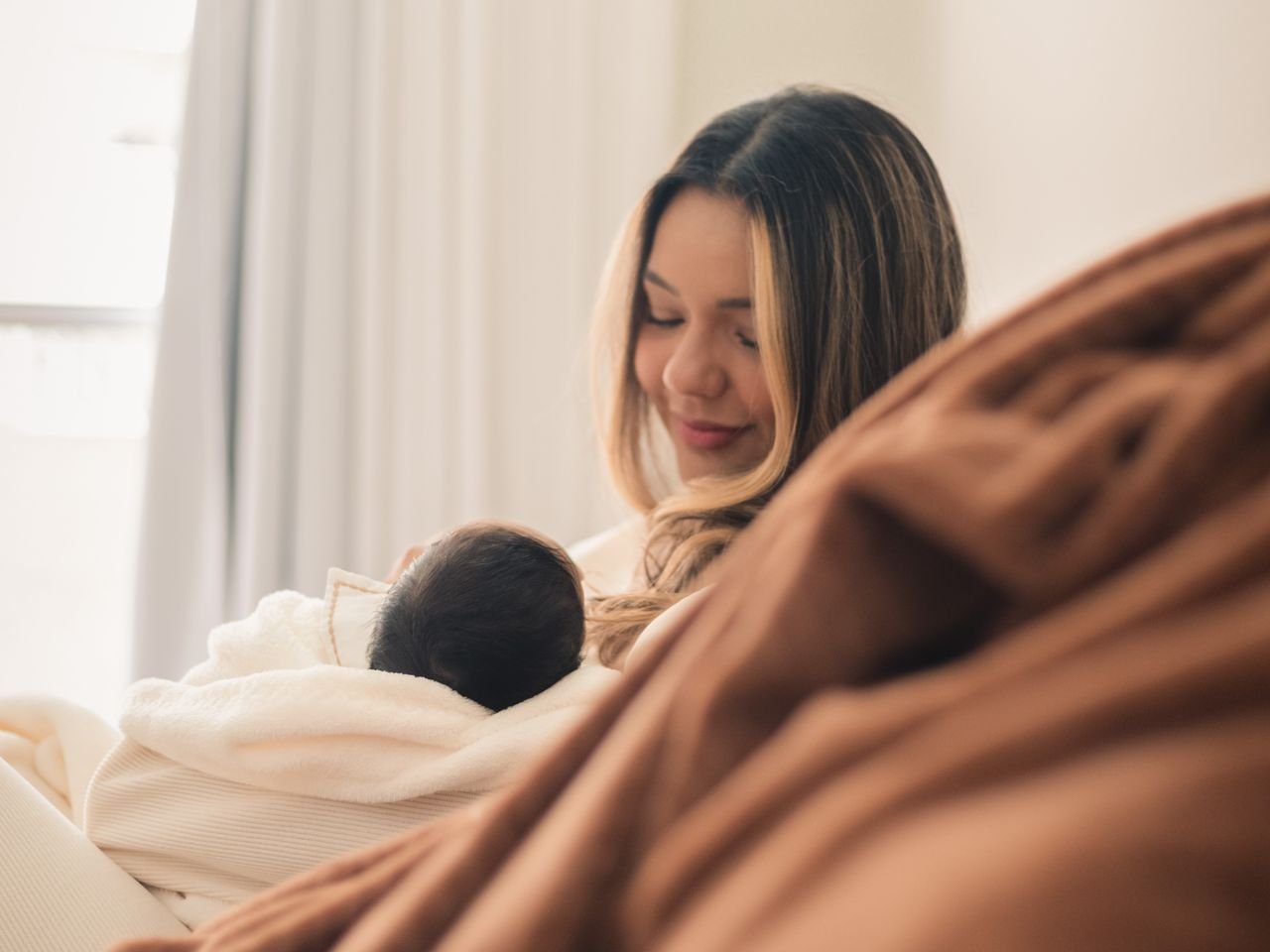

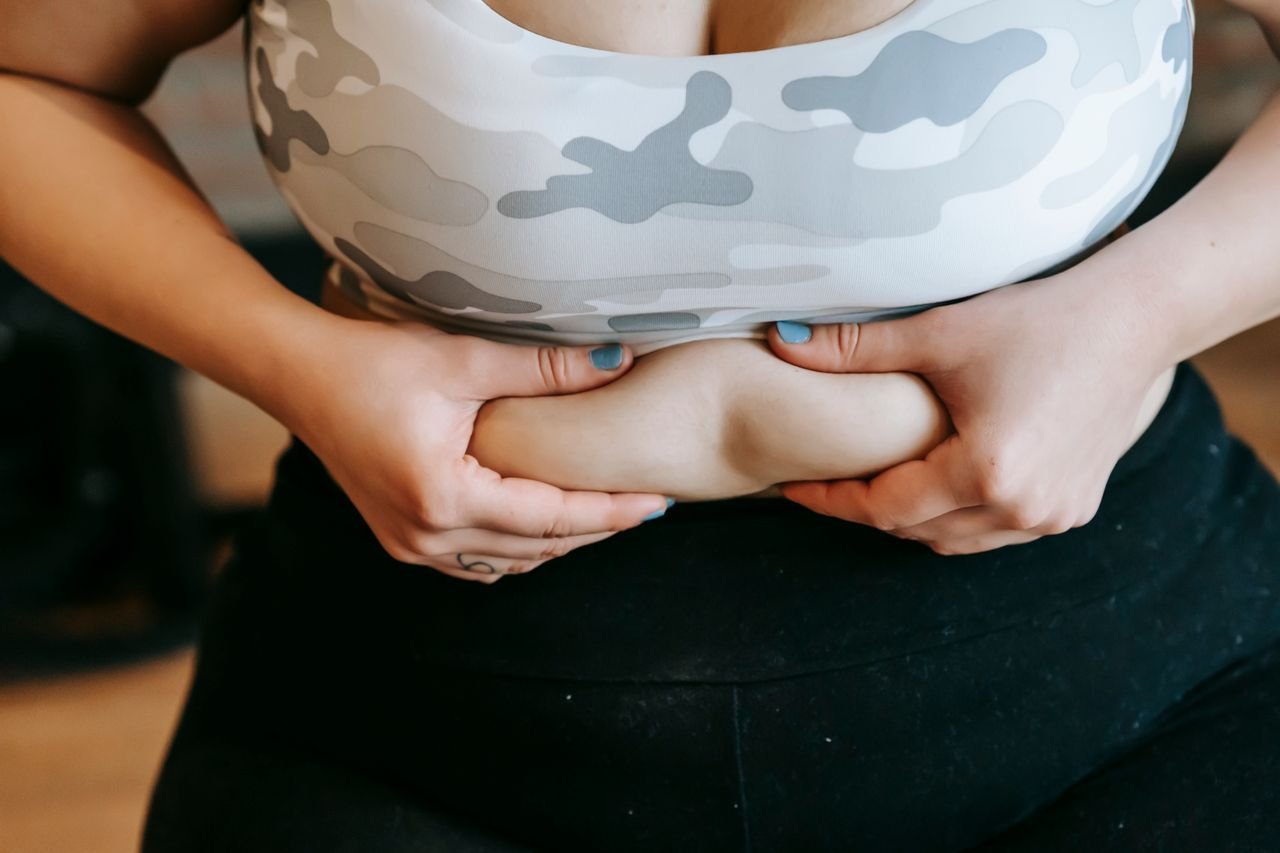
Having a baby changes almost everything—including your body. If you are wondering how to lose weight after pregnancy, you are certainly not alone. Many new moms want to lose pregnancy weight, reduce postpartum belly fat, regain strength and feel comfortable in their bodies again. But postpartum weight loss is not the same as ordinary weight loss.
Your body needs time to recover from pregnancy and childbirth. Your uterus is shrinking, hormones are changing, sleep may be unpredictable, and if you are breastfeeding, your nutritional needs remain important. A realistic postpartum weight loss plan should therefore focus on healthy postpartum weight loss, not rapid weight loss.
For most new moms, the goal should be to build sustainable habits around nutritious food, gradual physical activity, adequate hydration, sleep and stress management. The American College of Obstetricians and Gynecologists (ACOG) notes that women can work toward returning to their prepregnancy weight over approximately 6–12 months after birth.
Indian postpartum guidance similarly recommends realistic, sustainable and individualized goals rather than crash diets or extreme exercise.
Most importantly, your postpartum body does not need to look exactly like your pre-pregnancy body immediately—or ever—to be healthy.
What Happens to Your Body After Pregnancy?
Pregnancy weight is not simply body fat. During pregnancy, your body gains weight from several sources, including:
- Your growing baby
- Placenta
- Amniotic fluid
- Increased blood volume and body fluids
- Enlarged uterus
- Breast tissue
- Stored energy reserves and body fat
Some of this weight decreases naturally during and shortly after delivery. However, the remaining pregnancy weight can take considerably longer to lose.
Your body also goes through changes that can affect how quickly you lose weight after delivery. Hormonal changes, breastfeeding, sleep deprivation, reduced activity, pregnancy weight gain, delivery method and your pre-pregnancy weight can all influence your postpartum weight-loss journey.
This is why comparing your progress with another new mom may be frustrating and misleading.
How Much Weight Should You Expect to Lose After Pregnancy?
There is no single amount of weight that every woman should lose at a particular time after childbirth.
Some women lose a noticeable amount of weight soon after delivery, while others retain several kilograms for months. ACOG recommends working toward prepregnancy weight within approximately 6–12 months postpartum, while Indian postpartum weight-management guidelines emphasize individualized goals based on a woman’s health, BMI, lifestyle and breastfeeding status.
A realistic postpartum weight-loss timeline
| Postpartum period | Main focus |
|---|---|
| 0–6 weeks | Recovery, nourishment, hydration and gentle movement |
| 6 weeks–3 months | Establish healthy eating and activity routines |
| 3–6 months | Gradually increase walking, strength and fitness |
| 6–9 months | Improve consistency and body composition |
| 9–12 months | Continue toward sustainable weight goals |
Think of this as a framework rather than a deadline. Your actual timeline may be shorter or longer.
How long does it take to lose pregnancy weight? For many women, losing pregnancy weight is a gradual process that can take several months. Aiming for sustainable progress over 6–12 months is generally more realistic than expecting your pre-pregnancy body within a few weeks.
When Can You Start Losing Weight After Pregnancy?
The first priority after childbirth is recovery—not dieting.
During the early postpartum period, focus on:
- Eating nourishing meals
- Staying hydrated
- Getting as much rest as possible
- Caring for your baby
- Recovering from childbirth
- Beginning gentle movement when medically appropriate
If you had an uncomplicated vaginal delivery, you may be able to resume gentle activity relatively soon when you feel ready. If you had a C-section or experienced complications, your healthcare provider can tell you when and how to resume exercise. ACOG specifically recommends discussing exercise timing with your ob-gyn after a cesarean birth or complications.
For Indian moms, AIIMS/FOGSI guidance recommends postpartum assessment and individualized weight-management strategies rather than applying the same diet or exercise plan to every woman.
The 5-Part Postpartum Weight Loss Plan
1. Set a Realistic Weight-Loss Goal
Instead of saying, “I need to lose all my pregnancy weight immediately,” choose smaller goals.
For example:
- Walk for 15–20 minutes most days
- Add protein to every major meal
- Replace sugary drinks with water
- Eat vegetables or fruit daily
- Gradually rebuild strength
- Reduce frequent ultra-processed snacks
- Track progress monthly rather than obsessively weighing yourself every day
Indian postpartum clinical guidelines recommend realistic and sustainable, patient-centered goals. For women who need structured weight management, the guidelines describe gradual goals rather than rapid weight loss.
Your weight is only one measure of progress. Better energy, improved strength, increased mobility, better eating habits and improved waist measurements can also be meaningful signs that your health is improving.
2. Build a Nutrient-Dense Postpartum Diet
A postpartum diet for weight loss should not simply mean eating as little as possible.
Your body needs protein, fiber, healthy fats, vitamins, minerals and enough energy to support recovery and, when applicable, breastfeeding.
Build meals around:
- Protein-rich foods
- Whole grains
- Dal and legumes
- Fruits
- Vegetables
- Dairy or suitable alternatives
- Nuts and seeds
- Healthy fats
- Adequate fluids
The goal is to eat better, not simply eat less.
For Indian moms, familiar foods such as dal, roti, rice, khichdi, vegetables, curd, paneer, eggs, poha, oats, fruits, nuts and seeds can all fit into a balanced postpartum meal plan.
3. Create a Simple Postpartum Meal Routine
New moms often don’t have time to prepare elaborate meals. A simple routine can make healthy postpartum weight loss much easier.
A basic day could look like:
Breakfast: Vegetable poha with curd or eggs with whole-grain toast
Mid-morning: Fruit with a handful of nuts
Lunch: Dal, roti or rice, vegetables and curd
Evening snack: Roasted chana, makhana, fruit or paneer
Dinner: Vegetable khichdi, dal-roti with vegetables or another balanced home-cooked meal
Optional snack: Milk, curd, fruit or another nourishing snack if hungry
The AIIMS-DST postpartum guidelines recommend spreading food intake throughout the day and specifically discourage meal skipping, crash diets and fad diets.
Postpartum Diet for Weight Loss: What Should New Moms Eat?
A good postpartum diet should provide plenty of nutrients while helping you develop sustainable eating habits.
Protein-rich foods
Protein can help support muscle recovery and keep meals satisfying.
Good choices include:
- Eggs
- Paneer
- Curd
- Milk
- Dal
- Beans
- Chickpeas
- Soy foods
- Fish or lean meat, if you eat them
- Nuts and seeds
High-fiber foods
Fiber can help make meals more filling and supports healthy digestion.
Choose:
- Vegetables
- Fruits
- Whole grains
- Oats
- Dal
- Beans
- Chickpeas
- Nuts
- Seeds
Healthy carbohydrates
Carbohydrates do not need to be completely eliminated for postpartum weight loss.
Choose nourishing options such as:
- Whole-wheat roti
- Oats
- Brown or minimally processed rice
- Millets
- Poha
- Quinoa
- Sweet potato
- Fruits
Healthy fats
Include reasonable portions of:
- Nuts
- Seeds
- Peanut
- Sesame
- Avocado
- Vegetable oils
- Other minimally processed sources of unsaturated fats
Iron and calcium-rich foods
Postpartum nutritional needs remain important. Depending on your individual health and blood tests, your doctor may recommend supplements such as iron, calcium or vitamin D.
Don’t automatically stop prescribed postpartum supplements simply because you are trying to lose weight.
What About Breastfeeding and Weight Loss?
Can you lose weight while breastfeeding?
Yes, breastfeeding mothers can lose weight, but breastfeeding should not be treated as a guaranteed weight-loss method.
Breastfeeding increases energy and nutrient demands. Current U.S. dietary guidance estimates that lactating women with healthy prepregnancy weight may need approximately 330 additional calories per day during the first six months of lactation and about 400 additional calories during the second six months, although individual needs vary.
This is one reason aggressive calorie restriction is not a good strategy for new moms.
If you are trying to lose weight after delivery while breastfeeding, prioritize:
- Regular balanced meals
- Protein-rich foods
- Fruits and vegetables
- Whole grains
- Adequate fluids
- Healthy snacks
- Gradual physical activity
- Adequate recovery
If you are concerned about milk supply, your baby’s growth or your own nutrition, talk to your doctor or a qualified lactation professional.
Can breastfeeding help with postpartum weight loss?
Breastfeeding uses energy, and some women do find that breastfeeding contributes to postpartum weight loss. However, individual results vary considerably.
Some breastfeeding mothers lose weight quickly, while others retain weight until breastfeeding decreases or stops. Hormones, appetite, sleep, activity, diet and pre-pregnancy body composition can all affect the outcome.
So, don’t feel discouraged if breastfeeding does not automatically make the scale move.
Postpartum Exercise: How to Start Safely
Exercise can be an important part of a postpartum weight loss plan, but it should be introduced gradually.
Stage 1: Gentle Movement
Start with activities such as:
- Short walks
- Gentle stretching
- Breathing exercises
- Basic mobility movements
Walking is particularly practical because you can gradually increase duration and may even take your baby along once you are comfortable.
Stage 2: Core and Pelvic Floor Recovery
Gradually introduce exercises that rebuild:
- Pelvic floor strength
- Core control
- Back strength
- Posture
- Overall stability
Stage 3: Strength Training
Once cleared and ready, gradually add:
- Bodyweight squats
- Glute bridges
- Resistance-band exercises
- Light weights
- Functional strength exercises
Stage 4: Cardio
You can gradually increase:
- Brisk walking
- Cycling
- Dancing
- Swimming when appropriate
- Low-impact cardio
ACOG recommends eventually working toward at least 150 minutes of moderate-intensity aerobic activity each week, which can be divided into shorter sessions. Strength-training activities can also be included at least twice a week.
That does not mean you need to exercise for 30 minutes continuously. Three 10-minute walks can still add up.
Best Postpartum Exercises to Lose Belly Fat
If your goal is postpartum belly-fat reduction, remember one important point: you cannot choose exactly where your body loses fat first.
Overall fat loss comes from creating sustainable lifestyle habits, while core exercises help rebuild strength and function.
Useful postpartum exercises may include:
- Walking
- Pelvic floor exercises
- Glute bridges
- Modified squats
- Gentle core rehabilitation
- Resistance-band exercises
- Low-impact cardio
- Gradually progressive strength training
The right exercises depend on your recovery, delivery method and individual circumstances.
If you experience pain, unusual bleeding, pelvic pressure, urinary leakage or other concerning symptoms during exercise, stop and speak with your healthcare provider.
How to Lose Belly Fat After Pregnancy
A postpartum belly can remain for several reasons.
During pregnancy, abdominal muscles and connective tissues stretch as your baby grows. You may also retain body fat, experience changes in posture and have weakened core and pelvic-floor muscles.
Therefore, how to lose belly fat after pregnancy is not simply a question of doing hundreds of crunches.
A better approach is:
- Allow your body to recover.
- Build a nutritious eating pattern.
- Increase daily movement.
- Rebuild core and pelvic-floor function.
- Add progressive strength training.
- Work toward gradual overall fat loss.
If you suspect diastasis recti or have persistent abdominal discomfort, consider discussing it with your doctor or a pelvic-floor physiotherapist.
Postpartum Weight Loss After C-Section
Postpartum weight loss after a C-section requires additional patience because you are recovering from major abdominal surgery as well as childbirth.
Start with the activities your healthcare provider says are appropriate. Walking may be introduced gradually, while more demanding exercises should wait until your recovery allows them.
Avoid rushing into:
- Heavy lifting
- High-impact workouts
- Aggressive abdominal exercises
- Intense cardio
- Exercises that cause pain around your incision
ACOG recommends that women who had a cesarean birth or complications ask their ob-gyn when it is safe to resume exercise.
The Indian AIIMS-DST/FOGSI guidance also recommends gradual return to physical activity after cesarean or complicated deliveries, generally after postpartum assessment.
A Simple 12-Month Postpartum Weight Loss Roadmap
| Time after birth | Main goal | What to focus on |
|---|---|---|
| 0–6 weeks | Recovery | Nourishing food, hydration, rest and gentle movement when appropriate |
| 6 weeks–3 months | Build routines | Regular meals, walking and gradual activity |
| 3–6 months | Improve fitness | Strength training, walking/cardio and balanced nutrition |
| 6–9 months | Build consistency | Progressive exercise and sustainable eating |
| 9–12 months | Maintain progress | Continue healthy habits and work toward individualized goals |
This roadmap is not a prescription. Some women will progress faster, while others will need considerably more time.
The important thing is to avoid treating a specific month as a deadline.
Sample 7-Day Postpartum Weight Loss Meal Plan
The following is a general Indian-style framework rather than an individualized calorie-controlled diet.
| Day | Breakfast | Lunch | Snack | Dinner |
|---|---|---|---|---|
| Day 1 | Vegetable poha + curd | Dal + roti + vegetables | Fruit + nuts | Vegetable khichdi + curd |
| Day 2 | Besan chilla + curd | Rajma + rice + salad | Roasted chana | Roti + paneer + vegetables |
| Day 3 | Oats + fruit + nuts | Dal + roti + sabzi | Makhana | Khichdi + vegetables |
| Day 4 | Eggs + whole-grain toast | Chickpea curry + roti + salad | Fruit + curd | Dal + rice + vegetables |
| Day 5 | Vegetable upma + curd | Paneer + roti + vegetables | Nuts + fruit | Dal khichdi |
| Day 6 | Moong dal chilla + curd | Dal + rice + sabzi | Roasted chana | Roti + egg/paneer curry |
| Day 7 | Oats or poha + fruit | Rajma/chole + roti + vegetables | Makhana + fruit | Vegetable khichdi + curd |
Breastfeeding mothers may need additional food depending on individual energy needs, hunger, activity and lactation status. Avoid turning this sample menu into a restrictive diet.
Healthy Postpartum Snacks for Busy New Moms
When you have a newborn, elaborate snacks are rarely practical.
Keep simple options ready:
- Fruit + nuts
- Curd or Greek yogurt
- Boiled eggs
- Roasted chana
- Makhana
- Paneer cubes
- Peanut chaat
- Besan chilla
- Homemade smoothie
- Milk with fruit
- Whole-grain toast with nut butter
Preparing snacks in advance can make it easier to avoid reaching for biscuits, sweets or packaged snacks when you are exhausted and hungry.
How Sleep, Stress and Hormones Affect Postpartum Weight Loss
Weight loss after pregnancy is not just about food and exercise.
New moms may experience:
- Interrupted sleep
- Stress
- Emotional eating
- Increased hunger
- Less time for exercise
- Hormonal changes
- Difficulty following regular meal times
Poor sleep can make healthy choices harder, particularly when you are caring for a baby around the clock.
Instead of trying to create a perfect routine, focus on manageable habits.
Ask your partner or family for help with meals, household work or baby care when possible. Prepare simple meals ahead of time. Keep healthy snacks nearby. And remember that a 10-minute walk is still better than abandoning movement because you cannot fit in a full workout.
Indian postpartum guidelines specifically recognize sleep, stress, social support and behavioral factors as important components of postpartum weight management.
Why Am I Not Losing Weight After Pregnancy?
If you are wondering “why am I not losing weight after pregnancy?”, there may be several explanations.
Common reasons include:
- Not getting enough sleep
- Increased appetite from breastfeeding
- Frequent high-calorie snacks
- Reduced physical activity
- Fluid changes
- Hormonal changes
- Pregnancy weight gain
- Certain medications
- Medical conditions such as thyroid disorders
- Unrealistic expectations
If your weight is changing unexpectedly or you have persistent fatigue, swelling, palpitations, unusual weakness or other concerning symptoms, speak with your healthcare provider.
The AIIMS-DST postpartum guidelines note that postpartum assessment may include evaluation for conditions such as anemia, thyroid disorders, diabetes and other metabolic or pregnancy-related conditions when clinically appropriate.
Common Postpartum Weight Loss Mistakes to Avoid
Crash dieting
Extreme calorie restriction can leave you exhausted and may make it difficult to meet your nutritional needs.
Skipping meals
Skipping meals often makes it harder to manage hunger later.
Excessive cardio
More exercise is not automatically better. Your body needs recovery, particularly after childbirth.
Exercising before recovery
Returning to intense workouts too quickly can increase the risk of pain or injury.
Cutting carbohydrates completely
Healthy carbohydrates can be part of a balanced postpartum diet.
Ignoring protein
Adequate protein helps support normal muscle maintenance and makes meals more satisfying.
Not drinking enough fluids
Keep water nearby, particularly if you are breastfeeding.
Comparing yourself with other moms
Social media rarely shows the complete picture of someone’s postpartum journey.
Expecting results within weeks
Your body changed over approximately nine months. It is reasonable to give yourself time to recover and rebuild.
Using unverified fat burners or detox products
A product marketed as a “postpartum fat burner” is not automatically safe, particularly if you are breastfeeding.
Do Postpartum Weight Loss Supplements or Detoxes Work?
There is no need for detox teas, fat-burning supplements or extreme cleansing programs to lose pregnancy weight.
Many products marketed for rapid weight loss can be inappropriate during breastfeeding or may contain ingredients that have not been adequately studied for lactating women.
A safer approach is to focus on:
- Balanced meals
- Adequate protein
- Fruits and vegetables
- Whole grains
- Healthy fats
- Water
- Gradual exercise
- Sleep and recovery
If you think you need a vitamin, mineral or other supplement, discuss it with your healthcare provider rather than starting a weight-loss supplement on your own.
When Should You Talk to a Doctor?
Talk to your doctor if you have concerns about your recovery or weight, particularly if you experience:
- Unexpected rapid weight gain or weight loss
- Persistent extreme fatigue
- Significant swelling
- Dizziness or fainting
- Persistent pain
- Symptoms that may indicate a thyroid problem
- Concerns about milk supply or your baby’s growth
- Exercise-related bleeding
- Significant pelvic pain or pressure
- Difficulty returning to normal activity
You may also benefit from professional support from a registered dietitian, physiotherapist, lactation professional, endocrinologist or mental-health professional depending on your individual needs.
Postpartum weight management is not something you have to figure out alone.
Postpartum Weight Loss: What Actually Works?
The most realistic formula for postpartum weight loss is simple:
Eat nourishing food + move gradually + rebuild strength + sleep when possible + manage stress + stay consistent + give your body time.
You do not need to follow a celebrity diet or spend hours at the gym.
You need habits that can fit into your life as a new mom.
A short walk with your baby, a protein-rich breakfast, a homemade snack instead of packaged food, drinking enough water and getting help when you need it may seem small—but these habits can add up over months.
The goal is not simply to weigh less. It is to become stronger, healthier and more confident while caring for yourself and your baby.
Frequently Asked Questions About Post Pregnancy Weight Loss
How long does it take to lose pregnancy weight?
Postpartum weight loss varies from woman to woman. ACOG recommends working toward prepregnancy weight over approximately 6–12 months postpartum, while Indian guidelines emphasize individualized and sustainable goals.
How can I lose weight after pregnancy naturally?
Focus on balanced meals, adequate protein and fiber, gradual physical activity, hydration, sleep and stress management. Avoid crash diets and unverified weight-loss products.
How can I lose weight while breastfeeding?
Eat nutrient-dense meals, stay hydrated and gradually increase physical activity when medically appropriate. Breastfeeding increases energy requirements, so aggressive calorie restriction is generally not a good strategy.
Can breastfeeding help with postpartum weight loss?
Breastfeeding uses additional energy, and some women may lose weight while breastfeeding. However, the amount of weight lost varies considerably between women.
When can I start exercising after giving birth?
Timing depends on your delivery and recovery. After an uncomplicated vaginal delivery, gentle activity may be possible soon when you feel ready. After a C-section or complications, ask your ob-gyn when it is safe to resume exercise.
How can I lose belly fat after pregnancy?
You cannot selectively burn belly fat. Focus on gradual overall fat loss, balanced nutrition, walking, progressive strength training and appropriate core and pelvic-floor rehabilitation.
What is the best diet for postpartum weight loss?
There is no single best postpartum diet. A balanced eating pattern containing protein, whole grains, vegetables, fruits, healthy fats and adequate fluids is more sustainable than a restrictive diet.
How can I lose weight after a C-section?
Give your body time to heal and follow your healthcare provider’s advice about exercise. Begin with appropriate gentle movement and gradually progress to strength and cardio when cleared.
Why am I not losing weight after pregnancy?
Sleep deprivation, increased appetite, breastfeeding, reduced activity, fluid changes, hormones, pregnancy weight gain and certain medical conditions can all contribute. If you are concerned, speak with your healthcare provider.
How much weight can I realistically lose after pregnancy?
Your appropriate goal depends on your prepregnancy BMI, pregnancy weight gain, current health, breastfeeding status and activity level. Indian clinical guidelines emphasize realistic, sustainable, individualized goals rather than a universal target.
Can I follow a calorie-deficit diet while breastfeeding?
A calorie deficit should not be approached aggressively during breastfeeding. Your nutritional and energy requirements are higher during lactation. Discuss an appropriate calorie intake with your healthcare provider or registered dietitian.
What are the best Indian foods for postpartum weight loss?
Foods such as dal, beans, chickpeas, paneer, curd, eggs, vegetables, fruits, oats, poha, whole-wheat roti, rice, millets, nuts and seeds can all be included in a balanced Indian postpartum diet.
How can I lose postpartum weight without affecting breast milk?
Avoid crash diets and prioritize adequate nutrition and hydration. If you notice concerns about milk supply or your baby’s growth, seek guidance from your pediatrician, doctor or lactation professional.
Is it normal to still have a belly months after giving birth?
Yes. The abdomen can take time to recover after pregnancy. Abdominal muscle stretching, retained body fat, posture and changes in the abdominal wall can all contribute to a postpartum belly.
What exercises are best for postpartum weight loss?
Walking, pelvic-floor exercises, appropriate core rehabilitation, strength training and gradually increasing aerobic activity are useful options. Your exercise plan should reflect your delivery method and recovery.
Final Takeaway: Give Your Postpartum Body Time
Post pregnancy weight loss is a journey—not a race.
Whether you are looking for a postpartum weight loss diet, wondering how to lose weight after delivery while breastfeeding, trying to understand postpartum weight loss after C-section, or simply hoping to feel stronger again, the same principle applies: choose sustainable habits over extreme solutions.
Eat nourishing food. Move gradually. Rebuild strength. Sleep whenever you can. Ask for help. And give yourself time.
Your body did something extraordinary by growing and delivering a baby. It deserves patience and care while it recovers.
Medical Disclaimer
This article is intended for general educational purposes and should not replace personalized medical advice. Postpartum recovery, nutrition and exercise needs vary based on delivery method, medical history, breastfeeding status and individual health. Speak with your obstetrician, physician or qualified healthcare professional before making significant changes to your diet or exercise routine, especially after a C-section or pregnancy complications.