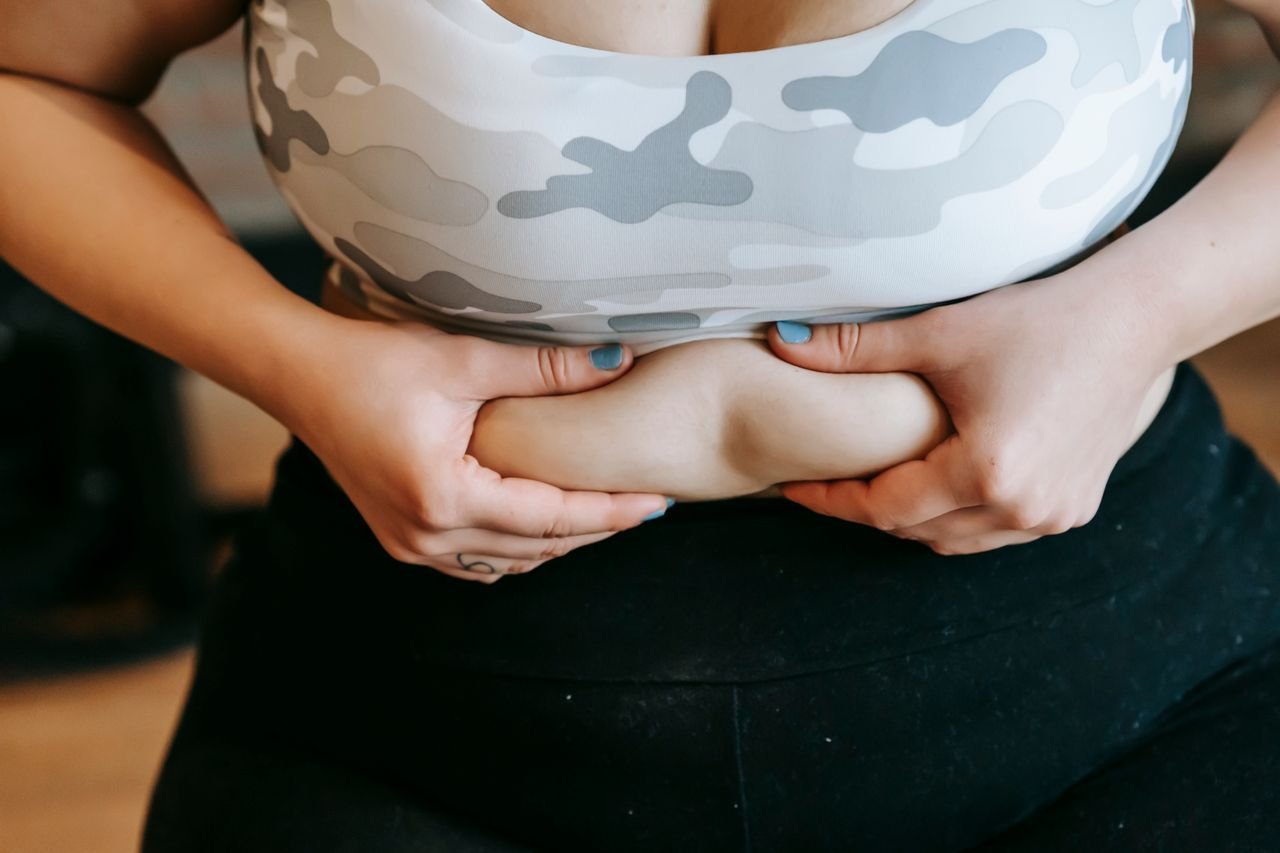


Postpartum recovery is a gradual process that unfolds differently for every mother. The first 12 weeks can bring physical healing, emotional changes, sleep challenges, and adjustments to everyday life. This guide explains what you may experience week by week, how recovery can differ after a vaginal birth or C-section, when to return to movement, and which warning signs mean you should seek medical care.
Postpartum recovery doesn’t end when you leave the hospital
Somewhere along the way, “six weeks” became shorthand for postpartum recovery. You hear it before you even give birth — from relatives, from old wives’ tales, sometimes from the discharge paperwork itself. It’s the number that gets circled on the calendar as the moment everything is supposed to go back to normal.
Except that’s not really how recovery works, and it’s not what the medical organizations that study postpartum health are actually saying anymore.
The American College of Obstetricians and Gynecologists (ACOG) has moved away from treating the postpartum period as a single check-up at four to six weeks. Instead, ACOG frames the twelve weeks after birth as an ongoing process — sometimes called the “fourth trimester” — with an initial contact from a maternal care provider within the first three weeks, followed by continued care as needed, and a more comprehensive visit by around the twelve-week mark. The idea isn’t that recovery is finished at twelve weeks either. It’s that a single, rushed appointment was never enough to capture what a body and mind go through after childbirth.
That reframing matters, because a lot of new mothers spend the weeks after birth quietly comparing themselves to a deadline nobody actually set. If you’re still sore, still exhausted, still tearful, or still not “back” by week six, that doesn’t mean something has gone wrong. It usually means you’re a normal person recovering from one of the most physically demanding things a body can do.
This guide walks through what recovery can look like across the first twelve weeks — physically and emotionally — along with the warning signs that do need prompt medical attention, and some practical ways to make the season a little more manageable. It’s not a countdown. It’s more like a map of common terrain, with the understanding that everyone’s route through it looks a little different.
What recovery can look like during the first 12 weeks
Recovery isn’t linear, and it doesn’t move at the same pace for everyone. Birth type, whether you’re breastfeeding or chestfeeding, whether you had complications, your support system, and your individual health history all shape what these weeks look like. The timeline below is a general guide, not a checklist you need to match.
The first few days
The first few days after birth tend to be the most physically intense, regardless of how you gave birth.
Bleeding and vaginal discharge. Almost every new mother experiences postpartum bleeding, known medically as lochia, as the uterus sheds the lining that supported the pregnancy. It typically starts heavy and bright red, often with some clots, and this happens whether you delivered vaginally or by C-section. Over the next several days it usually begins to lighten in both flow and color.
Soreness. After a vaginal birth, soreness around the perineum is common, especially if you had tearing or an episiotomy. After a C-section, the incision site will be tender, and everyday movements like sitting up, coughing, or laughing can pull at it.
Fatigue. Labor and delivery are physically exhausting even before round-the-clock newborn care begins. Combine blood loss, hormonal shifts, and fragmented sleep, and it’s normal to feel wiped out in a way that doesn’t fully resolve with a single nap.
Breast and chest changes. Around days two to four, many people notice their milk “coming in,” which can bring fullness, tenderness, and sometimes engorgement, regardless of whether they plan to breastfeed.
Rest and hydration. This is a stretch where the basics genuinely matter: drinking enough water, eating regularly even when you don’t feel hungry, and resting whenever you can, including during the day. Nobody fully “catches up” on sleep in this window, but small pockets of rest add up.
Weeks 1–2
By the second week, many of the most acute physical sensations begin to shift, though not disappear.
- Bleeding and discomfort typically continue to gradually ease, though some soreness, swelling, or tenderness is still common.
- Sleep deprivation tends to deepen during this stretch as the initial adrenaline of birth wears off and the reality of newborn care settles in.
- Basic daily activities — showering, preparing food, getting outside for a few minutes — can feel disproportionately effortful, and that’s a normal reflection of how much your body is doing behind the scenes.
- Emotionally, this is often when the “baby blues” are most noticeable: mood swings, sudden tearfulness, and feeling overwhelmed are extremely common in the first couple of weeks after birth.
Weeks 3–6
This stretch is often when people start to feel like they’re regaining some footing, even if full recovery is far from complete.
- Many mothers notice a gradual return to some everyday activities — short outings, light household tasks — as appropriate for their individual recovery and with attention to how their body responds.
- Fatigue is often still significant, particularly with frequent nighttime feeds.
- Feeding-related demands, whether breastfeeding, pumping, or formula feeding, tend to be intensive during this period and can shape how much energy is left for anything else.
- ACOG recommends that every new mother have an initial contact with a maternal care provider by the three-week mark, to check in on physical healing, mood, and any emerging concerns — so if that contact hasn’t happened yet, this window is the time to make sure it does, with follow-up care continuing as needed after that.
Weeks 6–12
This is the range where the outdated idea of a recovery “finish line” tends to cause the most frustration — because for a lot of people, six weeks doesn’t feel like an ending at all.
- Recovery isn’t automatically complete at six weeks. Tissue healing, hormone regulation, sleep debt, and emotional adjustment often continue well past this point, and that’s within the range of what’s typical.
- A gradual return to exercise or more physical activity may become appropriate during this period, but the right pace depends heavily on individual circumstances: birth type, any complications, pelvic floor symptoms, and guidance from a healthcare provider.
- Emotional adjustment often continues, too. Identity shifts, relationship changes, and the ongoing demands of caring for a newborn don’t resolve on a fixed schedule.
- Persistent symptoms — whether physical (like ongoing pain, pelvic pressure, or bleeding that hasn’t settled) or emotional (like mood changes that aren’t improving) — are worth raising with a healthcare professional rather than waiting them out. Persisting doesn’t mean something is necessarily seriously wrong, but it does mean it’s worth getting checked.
C-section vs. vaginal birth: why recovery can be different
Recovery after a C-section and recovery after a vaginal birth tend to involve different physical demands, though neither is universally “easier” — each comes with its own considerations.
A C-section is major abdominal surgery. It involves cutting through multiple layers of tissue, including abdominal muscle and the uterine wall, which generally means a longer healing timeline for the incision site and core strength. Early movement, like getting up and walking short distances as soon as it’s medically appropriate, is often encouraged specifically because it supports healing and helps reduce the risk of complications like blood clots. Many postnatal guidelines suggest that more structured abdominal or pelvic floor work should wait until after a postnatal check-up, and that some things — like beginning to gently massage a C-section scar — are only appropriate once the incision is fully healed, with no oozing or open areas. How long that takes varies, and a healthcare provider is best placed to confirm when a scar has healed enough for this.
A vaginal birth avoids abdominal surgery, but it comes with its own physical toll: perineal soreness or stitches, pelvic floor strain, and sometimes tearing that requires its own healing time. Pelvic floor exercises are often encouraged fairly early — once any catheter has been removed and urination has returned to normal — because the pelvic floor muscles are stretched and weakened by both pregnancy and vaginal delivery.
Some people experience additional complications with either birth type — a difficult vaginal delivery, an unplanned or emergency C-section, extended hospital stays, or preexisting health conditions — all of which can extend or complicate the recovery timeline regardless of the general pattern. The honest answer is that “vaginal birth is easier to recover from” or “C-sections are harder” oversimplifies something that depends heavily on the individual birth and body. What’s consistent across both is that healing takes real time, and pushing past what your body is signaling rarely speeds things up.
Gradually returning to movement after birth
Few areas of postpartum recovery attract more pressure — and more conflicting advice — than exercise. It’s worth approaching this one carefully.
Start with gentle activity when it’s medically appropriate. In the earliest days, this might mean simple breathing exercises, gentle pelvic floor engagement, or short, slow walks around the house. For most people without complications, walking is one of the first forms of movement that’s encouraged, in part because it supports circulation and reduces the risk of blood clots during a period when clot risk is elevated.
Let walking and everyday movement lead the way. Rather than a formal “workout,” the earliest weeks are usually about accumulating small amounts of movement: getting up to change positions, short walks that gradually get a little longer, and paying attention to how your body responds afterward.
Progress gradually, not on a fixed schedule. General postnatal guidance from physiotherapy and maternity services suggests a graded return: gentle pelvic floor and core work in the earliest weeks (once cleared to do so), and more structured exercise — like swimming, cycling, or fitness classes — only after a postnatal check-up and once bleeding has settled. More strenuous activity, such as running or high-impact exercise, is often held off until later in the twelve-week window or beyond, and specifically until pelvic floor and core strength have been assessed as ready for it. After a C-section, this timeline is typically even more conservative, since the incision and abdominal muscles need longer to heal, and clearance from a healthcare provider is especially important before resuming anything beyond gentle activity.
Avoid “bounce back” pressure. The idea that you should be exercising your way back to a pre-pregnancy body within weeks of giving birth isn’t medical guidance — it’s cultural pressure, and it can push people toward activity before their bodies are ready. Postpartum exercise, when appropriate, is about restoring strength and function, not achieving a particular appearance on a deadline.
Pay attention to your body’s signals. Increased bleeding, new or worsening pain, a dragging or heavy sensation in the pelvis, dizziness, or unusual fatigue after activity are all signs to scale back and check in with a healthcare provider, rather than pushing through.
Get individualized guidance after a C-section or complications. If you had a C-section, significant tearing, an assisted delivery, or any pregnancy or birth complications, general timelines apply less to you. A conversation with your healthcare provider — and possibly a referral to a pelvic health physiotherapist — is the safest way to know what’s appropriate for your specific recovery.
There’s no single, universal date at which “it’s safe to exercise now.” It depends on your birth, your healing, and what your body is telling you.
The emotional side of postpartum recovery
The physical side of postpartum recovery gets a lot of attention, but the emotional adjustment is just as real — and it often lasts longer than people expect.
Feeling overwhelmed in the early weeks is close to universal. Caring for a newborn while recovering physically, often on fragmented sleep, is genuinely a lot to carry.
Identity changes are common and rarely talked about honestly. Many new mothers describe feeling like a different person after birth — sometimes in ways they’re not prepared for — while still loving their baby deeply. Both things can be true at once.
Sleep deprivation doesn’t just affect energy; it affects mood, patience, and the ability to cope with everyday stress. It’s one of the most underestimated contributors to how hard the postpartum period can feel.
Changes in relationships — with a partner, with other children, with friends who don’t have kids — are common as routines and priorities shift. This adjustment period can bring up tension even in strong relationships.
Feeling unlike yourself is a phrase many new mothers use, and it can apply to your body, your emotions, your sense of control, or all three.
Baby blues vs. more persistent symptoms. According to ACOG, it’s common — affecting a large majority of new mothers — to experience the “baby blues”: mood swings, tearfulness, and feeling overwhelmed that typically begin two to three days after birth and ease on their own within about one to two weeks. This doesn’t usually require treatment. Postpartum depression is different: it involves more intense and longer-lasting symptoms — sadness, anxiety, or despair that interferes with daily functioning — that can begin anytime in the year after birth, though it most commonly starts within the first few weeks. Symptoms lasting longer than two weeks, feeling severe, or interfering with your ability to function or bond with your baby are reasons to reach out to a healthcare provider. Postpartum depression and anxiety are common, treatable conditions, not a reflection of your character or your love for your baby.
Why asking for help isn’t a failure. New mothers are sometimes made to feel that struggling emotionally means they’re not coping well or not grateful enough. In reality, asking for support — from a partner, family member, friend, or professional — is one of the most effective things you can do for your own recovery and your baby’s wellbeing. If you ever have thoughts of harming yourself or your baby, that’s an urgent warning sign that needs immediate medical attention, not something to sit with alone.
Partner and family support
Recovery goes more smoothly when it isn’t carried alone. Partners, family members, and other supporters can make a meaningful difference in very concrete ways:
- Taking over nighttime tasks for a stretch so the recovering parent can get an uninterrupted sleep window.
- Handling meals — cooking, ordering food, or organizing a meal train from friends and family.
- Managing household tasks that would otherwise fall to the new mother, from laundry to grocery runs.
- Screening visitors and limiting how much hosting is expected in the early weeks.
- Simply checking in emotionally — asking how she’s actually doing, and listening without immediately trying to fix it.
- Learning the postpartum warning signs (covered below) so they can help recognize when something needs medical attention, since new mothers may be too exhausted or too used to discomfort to notice on their own.
- Encouraging and helping arrange postpartum medical appointments, including mental health support if needed.
None of this requires grand gestures. Consistency in small, practical support tends to matter more than any single big effort.
Postpartum warning signs: when to seek medical care
Most of what happens during postpartum recovery is uncomfortable but expected. Some symptoms, however, are not something to simply monitor at home — they need prompt medical attention. The Centers for Disease Control and Prevention (CDC), through its Hear Her campaign, has identified a set of urgent maternal warning signs that apply for up to a year after birth.
Seek emergency care right away (call your local emergency number or go to the emergency room) for:
- Heavy vaginal bleeding — soaking through one or more pads in an hour, or passing clots larger than an egg.
- Chest pain, a fast-beating heart, or trouble breathing.
- A severe headache that doesn’t go away or gets worse over time, especially with vision changes.
- Extreme swelling in your hands or face.
- New swelling, redness, or pain in one leg, which could suggest a blood clot.
- Severe belly pain that doesn’t ease, or severe nausea and vomiting unlike ordinary morning sickness.
- A fever of 100.4°F (38°C) or higher.
- Thoughts of harming yourself or your baby.
- Dizziness or fainting.
Contact your healthcare provider promptly (same day or as soon as possible) for:
- Signs of infection around a C-section incision, such as increasing redness, warmth, swelling, or discharge.
- Lochia that suddenly becomes heavier again after tapering off, or that has a foul odor.
- Persistent or worsening pain that isn’t improving with the recovery timeline you’d expect.
- Emotional symptoms — sadness, anxiety, intrusive thoughts, or feeling detached from your baby — that are intensifying or lasting beyond two weeks.
The key distinction is urgency: some symptoms genuinely can’t wait for a scheduled appointment. If something feels seriously wrong, trust that instinct and seek care immediately rather than waiting to see if it resolves on its own.
Postpartum checkups and follow-up care
Postpartum follow-up care has changed in recent years, moving away from a single visit and toward ongoing contact throughout the fourth trimester. ACOG recommends an initial assessment — in person or by phone — within the first three weeks after birth, with continued care as needed, and a more comprehensive visit no later than twelve weeks postpartum. The World Health Organization’s 2022 postnatal care guideline takes a similar approach, recommending at least four postnatal contacts: within the first 24 hours after birth, around day 3, again between days 7–14, and once more at six weeks.
These visits matter because postpartum health issues don’t all show up on the same schedule. According to a CDC analysis of U.S. Maternal Mortality Review Committee data, 22% of pregnancy-related deaths occurred during pregnancy, 25% occurred on the day of delivery or within a week after, and 53% occurred between one week and one year after delivery — meaning the majority happen after the immediate delivery period, often well past the point where a new mother might assume the highest-risk window has passed. That pattern is part of why earlier, more frequent postpartum contact has become the recommended standard rather than a single late check-up.
Questions worth bringing to a postpartum appointment can include:
- How is my physical healing progressing — is what I’m experiencing within the expected range?
- What symptoms should prompt me to call between now and my next visit?
- How is my mood, and are there resources available if I’m struggling emotionally?
- If I’m breastfeeding or chestfeeding, are there concerns I should address (latch, supply, pain)?
- What are my options for contraception and future family planning?
- Are there any signs of pelvic floor issues (leaking, heaviness, pain) I should be monitoring or addressing with a specialist?
- If I have a chronic condition, or developed one during pregnancy (like gestational diabetes or high blood pressure), what follow-up do I need?
A comprehensive postpartum visit is meant to address physical recovery, emotional wellbeing, feeding, contraception, chronic disease management, and overall health — not just a quick check of the incision or stitches.
Practical ways to make the first 12 weeks more manageable
There’s no shortcut through postpartum recovery, but there are ways to make the season more sustainable.
- Rest whenever you genuinely can, even in short stretches, rather than saving rest for when you feel you’ve “earned” it.
- Accept help when it’s offered — with meals, chores, or holding the baby so you can shower or nap.
- Keep essentials within reach, especially during feeding sessions: water, snacks, your phone, diapers, and anything else you reach for often.
- Eat and drink regularly, even when appetite is low or time feels impossible to find. Simple, easy-to-grab food counts.
- Set realistic expectations for what a “good day” looks like right now — it may look very different from a good day six months from now, and that’s fine.
- Track symptoms and questions as they come up, so you have a running list ready for your next appointment instead of trying to remember everything on the spot.
- Build small, flexible routines rather than rigid schedules — a rough rhythm can help without adding pressure when the day inevitably goes sideways.
- Give yourself permission to recover gradually. There is no prize for bouncing back quickly, and there is no failure in taking the time your body and mind actually need.
- Know when to ask for professional help — for physical symptoms that aren’t easing, for pelvic floor concerns, or for emotional symptoms that feel bigger than “baby blues.”
For mothers who want more structured day-to-day support, tools such as MatraBloom can provide a simple way to keep track of recovery, movement, and daily check-ins alongside the care they receive from their healthcare team.
MatraBloom: https://matrabloom.online/
The bottom line
Six weeks might be a meaningful point in your postpartum care — often the point of an early or comprehensive check-up — but it was never meant to be a finish line. Healing, physically and emotionally, tends to unfold over the full twelve weeks and often beyond, and that’s not a sign anything has gone wrong. What matters most is staying attentive to your body, keeping in contact with your healthcare provider through this window rather than just at the end of it, and reaching out immediately if something feels seriously off. The rest — the fatigue, the slow physical healing, the shifting emotions — is not something you need to rush through on anyone else’s timeline.
References / sources
- American College of Obstetricians and Gynecologists (ACOG) — Committee Opinion No. 736, Optimizing Postpartum Care:
https://www.acog.org/clinical/clinical-guidance/committee-opinion/articles/2018/05/optimizing-postpartum-care - American College of Obstetricians and Gynecologists (ACOG) — Postpartum Depression (FAQ):
https://www.acog.org/womens-health/faqs/postpartum-depression - Centers for Disease Control and Prevention (CDC) — Hear Her Campaign, Urgent Maternal Warning Signs:
https://www.cdc.gov/hearher/news-media/article-urgent-warning-signs.html
https://www.cdc.gov/hearher/hcp/toolkit/warning-signs-educational-materials.html - Centers for Disease Control and Prevention (CDC) — Press Release, Four in 5 Pregnancy-Related Deaths in the U.S. Are Preventable:
https://www.cdc.gov/media/releases/2022/p0919-pregnancy-related-deaths.html - World Health Organization — WHO Recommendations on Maternal and Newborn Care for a Positive Postnatal Experience (2022), via NCBI Bookshelf:
https://www.ncbi.nlm.nih.gov/books/NBK579658/
https://www.ncbi.nlm.nih.gov/books/NBK579653/ - World Health Organization / PAHO — WHO Urges Quality Care for Women and Newborns in Critical First Weeks After Childbirth:
https://www.paho.org/en/news/30-3-2022-who-urges-quality-care-women-and-newborns-critical-first-weeks-after-childbirth - American Family Physician (AAFP) — Postpartum Care: An Approach to the Fourth Trimester:
https://www.aafp.org/afp/2019/1015/p485 - NHS-affiliated postnatal physiotherapy and exercise guidance — NHS Borders:
https://www.nhsborders.scot.nhs.uk/patients-and-visitors/our-services/allied-health-professionals/physiotherapy/pregnancy-physiotherapy/postnatal-physiotherapy/ - NHS-affiliated postnatal recovery and exercise advice — East Kent Hospitals University NHS Foundation Trust:
https://leaflets.ekhuft.nhs.uk/postnatal-recovery-advice-and-exercise/html/ - NHS-affiliated postnatal exercise and recovery booklet — Worcestershire Acute Hospitals NHS Trust:
https://www.worcsacute.nhs.uk/leaflets/postnatal-exercises-and-advice/ - Tommy’s (UK pregnancy charity, clinically reviewed) — When and How to Exercise After a C-Section:
https://www.tommys.org/pregnancy-information/giving-birth/caesarean-section/when-and-how-exercise-after-c-section - MSD Manual Professional Edition — Postpartum Depression, citing ACOG Clinical Practice Guideline No. 4 (2023):
https://www.msdmanuals.com/professional/gynecology-and-obstetrics/postpartum-care-and-associated-disorders/postpartum-depression - StatPearls (NCBI Bookshelf) — Perinatal Depression:
https://www.ncbi.nlm.nih.gov/books/NBK519070/
Disclaimer
This article is for general educational purposes and isn’t a substitute for personalized medical advice. Postpartum recovery varies from person to person. If you have concerns about your recovery or symptoms, speak with your healthcare professional. Seek urgent medical care for symptoms that may require immediate attention.