

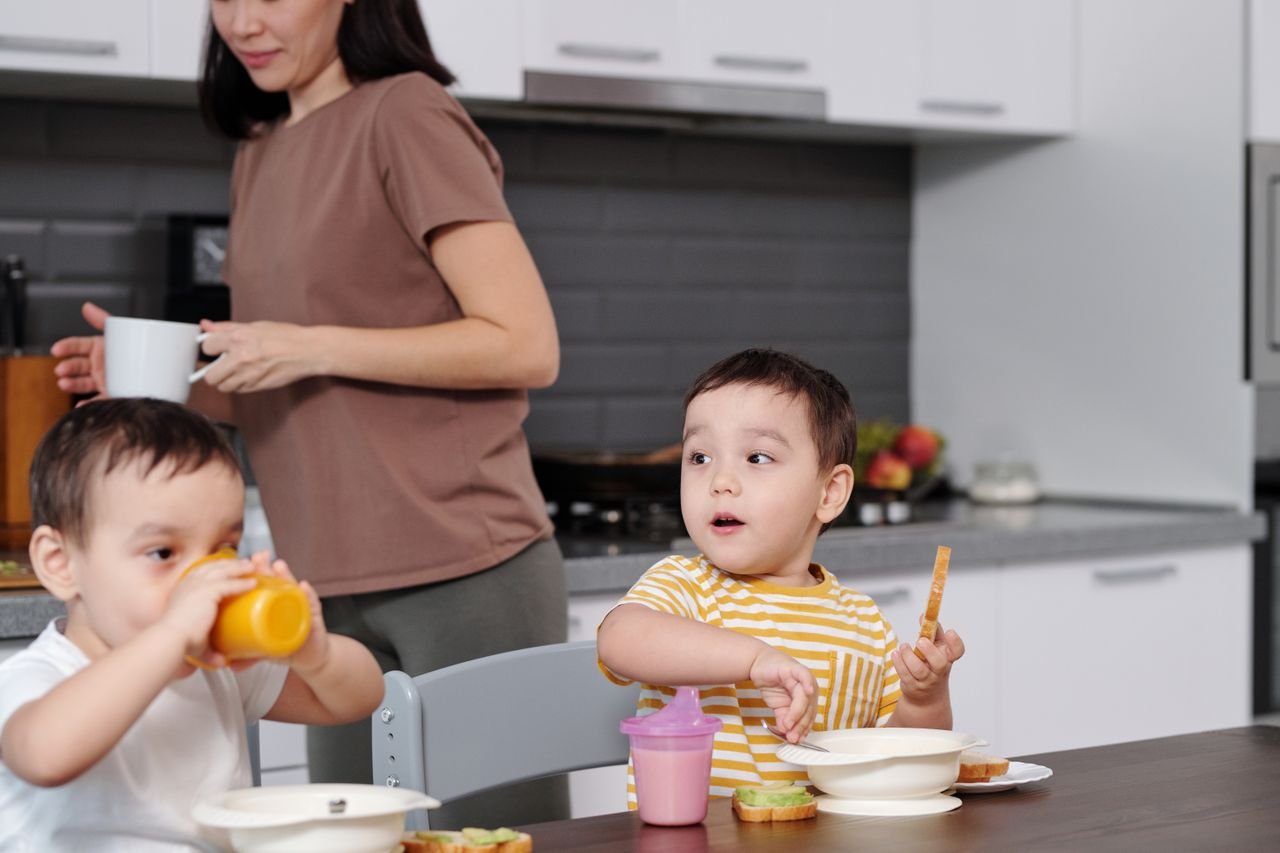
Mornings filled with arguments, skipped breakfasts, homework battles, excessive screen time, tantrums and bedtime struggles can make family life feel exhausting. One simple way to bring more predictability into the day is to create a daily routine for kids.
A good kids’ daily routine is not about scheduling every minute. Instead, it gives children a predictable sequence for important parts of the day, such as waking up, eating, playing, learning, relaxing and going to bed.
Children often feel more secure when they know what is coming next. The CDC recommends using routines that are consistent, predictable and followed through, while also keeping them simple and appropriate for a child’s abilities.
A well-designed daily routine for children can make transitions easier, encourage independence, support healthy habits and create better conditions for sleep. Research has also found an association between greater bedtime-routine consistency and fewer pediatric sleep problems.
The goal isn’t to create a perfect schedule. The goal is to create a rhythm that works for your child and your family.
How a Daily Routine Helps Improve Kids’ Behavior and Sleep
A predictable routine can influence several parts of a child’s day at once. When children know what happens next, parents may spend less time repeatedly reminding them about basic tasks.
Predictability Reduces Daily Power Struggles
Imagine telling your child every morning:
“Get dressed.”
“Brush your teeth.”
“Eat breakfast.”
“Put your shoes on.”
“Where is your school bag?”
When the same sequence happens every day, these instructions can gradually become part of the child’s routine rather than a series of new demands.
A daily schedule for kids can therefore reduce some transition-related arguments because the child learns what comes next.
Routines Can Support Better Behavior
A routine doesn’t automatically eliminate tantrums or difficult behavior. However, consistent expectations can make it easier for children to understand boundaries.
For example, if the family rule is that toys are put away before bedtime, the expectation remains the same each night.
The CDC recommends that parents use clear expectations, consistency, predictability and follow-through when establishing rules and routines.
Routines can also create regular opportunities to practice:
- Independence
- Self-care
- Emotional regulation
- Following directions
- Cleaning up
- Waiting and transitioning
- Responsibility
A Consistent Routine Supports Healthy Sleep
Sleep is closely connected to a child’s overall well-being. Children who regularly get enough sleep tend to have better outcomes related to attention, behavior, learning, memory and emotional regulation.
A consistent kids sleep routine can include:
- Similar wake-up times
- Regular meal and activity times
- Daytime physical activity
- A predictable wind-down period
- A regular bedtime
- A calming sequence before sleep
The American Academy of Pediatrics recommends maintaining a regular daily routine and using a predictable bedtime sequence such as “brush, book, bed.”
What Should a Healthy Daily Routine for Kids Include?
There isn’t one perfect healthy daily routine for kids. A toddler, preschooler and school-age child have different sleep, learning, activity and independence needs.
However, most effective children’s daily schedules include several basic building blocks:
- Wake-up time
- Morning hygiene and getting dressed
- Breakfast and regular meals
- School or learning time
- Physical activity and outdoor play
- Free play
- Quiet or rest time
- Age-appropriate chores
- Family time
- A predictable bedtime routine
Think of these as anchors rather than strict rules.
For example, your child’s bedtime might change slightly because of a family event, but the sequence can remain similar: dinner → bath → pajamas → brushing → story → bed.
The CDC’s sample routines similarly combine waking, meals, learning, outdoor activity, naps or quiet time, chores, dinner and bedtime rather than treating the entire day as a rigid timetable.
Sample Daily Routine for Kids
The following is a general daily schedule for children and should be adjusted according to age, school timings, naps, individual sleep needs and your family’s lifestyle.
| Time | Activity | Purpose |
|---|---|---|
| 6:30–7:00 AM | Wake up | Start the day calmly |
| 7:00–8:00 AM | Bathroom, brush, dress and breakfast | Morning independence |
| 8:00–9:00 AM | School preparation/commute | Predictable transition |
| 9:00 AM–12:00 PM | School, learning or play | Learning and development |
| 12:00–1:00 PM | Lunch | Nutrition and routine |
| 1:00–2:30 PM | Nap or quiet time | Rest and recovery |
| 2:30–4:00 PM | Snack and free play | Recharge |
| 4:00–5:30 PM | Outdoor or physical activity | Movement and fresh air |
| 5:30–7:00 PM | Bath and dinner | Evening transition |
| 7:00–8:00 PM | Books, quiet play and family time | Wind-down |
| Around 8:00 PM | Bedtime | Consistent sleep schedule |
This is a sample kids daily schedule, not a medical prescription or universal timetable. Younger children may need naps, while older children may need homework or extracurricular activities instead.
Age-by-Age Daily Routine for Kids
Daily Routine for Toddlers (1–3 Years)
A daily routine for toddlers should be simple and repetitive. Toddlers are still learning how to transition between activities, follow directions and become independent.
A possible toddler daily schedule could include:
Morning:
Wake up → potty/diaper change → breakfast → brush teeth → get dressed → free play
Late morning:
Snack → learning/play activity → outdoor play → lunch
Afternoon:
Nap or quiet time → snack → sensory play, pretend play or creative activity
Evening:
Outdoor movement → dinner → bath → pajamas → book → bedtime
For children around 2 years old, routines around sleeping and feeding can help them know what to expect. The CDC recommends steady sleep and feeding routines and a calm, quiet bedtime routine for toddlers.
A 2 year old daily routine should not look exactly like another child’s schedule. Watch your toddler’s hunger, tiredness and developmental abilities and adjust accordingly.
Daily Routine for Preschoolers (3–5 Years)
A daily routine for preschoolers can include more independence.
A preschool daily schedule might look like:
- Wake up
- Bathroom and brushing teeth
- Get dressed
- Breakfast
- Preschool or learning activities
- Snack
- Outdoor play
- Lunch
- Nap or quiet time
- Creative or pretend play
- Simple chores
- Dinner
- Bath
- Story
- Bedtime
For a 4 year old daily routine or 5 year old daily routine, allow your child to take responsibility for small tasks.
For example, instead of saying, “I’m going to dress you,” try:
“Would you like the blue shirt or the yellow shirt?”
This gives the child a controlled choice while keeping the routine moving.
Daily Routine for School-Age Kids (6–12 Years)
A daily routine for school age children can gradually shift more responsibility to the child.
A school-age daily schedule might include:
- Wake up
- Bathroom and hygiene
- Get dressed
- Breakfast
- School
- Snack after school
- Relaxation time
- Homework
- Outdoor play or sports
- Chores
- Dinner
- Family time
- Reading
- Bedtime routine
A daily routine for school age child should help children learn how to manage their own responsibilities rather than requiring parents to supervise every step.
For example, an older child can gradually learn to:
- Pack their school bag
- Check homework
- Put clothes away
- Prepare simple school items
- Set an alarm
- Follow a bedtime checklist
Morning Routine for Kids That Prevents Chaos
The morning routine for kids sets the tone for the rest of the day.
A simple kids morning routine could follow this sequence:
Wake → Bathroom → Brush teeth → Get dressed → Breakfast → School preparation → Leave
Wake Up at a Consistent Time
A regular wake-up time can make the day more predictable and help maintain a stable sleep schedule.
Try not to make weekday and weekend wake-up times completely different unless your family’s circumstances require it.
Bathroom and Brush Teeth
Keep hygiene tasks in the same order each morning.
A visual checklist can be especially helpful for younger children.
Get Dressed
Prepare school clothes the night before when possible.
For preschoolers, offer two appropriate choices instead of opening the entire wardrobe.
Make the Bed or Tidy Up
Children don’t need to perform adult-level chores. Give them one small responsibility appropriate for their age.
Eat Breakfast
A predictable breakfast routine helps children know when it is time to eat before beginning the day.
Pack the School Bag
For school-age children, encourage them to take increasing responsibility for checking their bag.
A stress free morning routine usually begins the night before. Packing bags, preparing clothes and checking school requirements can remove several decisions from a busy morning.
After-School Routine That Supports Good Behavior
The transition from school to home can be difficult for some children.
Instead of immediately saying, “Sit down and do your homework,” consider creating a short transition period.
A practical after school routine for kids can look like:
Come home → Wash hands → Snack → Decompress → Homework → Outdoor play → Chores → Dinner
Give Kids a Transition Break
Some children need a few minutes to relax after school.
That might mean:
- Talking to a parent
- Drawing
- Reading
- Quiet play
- Having a snack
- Sitting outside
Offer a Healthy Snack
A predictable snack time can help prevent children from becoming excessively hungry while waiting for dinner.
Encourage Outdoor Play
Whenever possible, include physical activity in the afternoon.
Walking, cycling, playground time, dancing, running and sports can all be enjoyable ways to move.
Set a Homework Time
A consistent kids homework routine can reduce the daily question of “When do I have to do homework?”
However, consider your child’s age and energy level. A younger child may need a shorter learning period with breaks.
Include Simple Chores
A school-age child might put away shoes, organize their school bag, fold simple clothing or help set the table.
Protect Family Dinner Time
Whenever possible, make dinner a predictable family routine rather than another rushed transition.
Bedtime Routine for Kids That Encourages Better Sleep
A predictable bedtime routine for kids can help children understand that the active part of the day is ending.
One simple sequence is:
Dinner → Calm activity → Bath → Pajamas → Brush teeth → Book → Cuddle → Bed
Start the Wind-Down Period
Don’t wait until the exact moment you want your child asleep to begin calming down.
Create a transition from active play to quieter activities.
Turn Off Screens
Screens can easily become a source of bedtime negotiations.
The AAP recommends keeping screens out of children’s bedrooms and turning them off at least an hour before bedtime to help protect sleep.
A screen free bedtime routine could include:
- Bath
- Drawing
- Puzzles
- Reading
- Talking
- Gentle music
- Cuddling
Take a Bath or Shower
A bath can become a predictable signal that bedtime is approaching.
It doesn’t have to be elaborate. What matters most is that the sequence is familiar.
Put on Pajamas
Keeping pajamas, toothbrushes and books ready can make the transition smoother.
Brush Teeth
For young children, parents should help or supervise brushing.
Read a Book
Reading is a simple way to make the final part of the day calm and predictable.
The AAP’s Brush, Book, Bed approach recommends brushing teeth, reading a book and going to bed at a regular time.
Talk and Cuddle
A few quiet minutes of connection can be valuable.
Ask simple questions such as:
“What was your favorite part of today?”
“What are you looking forward to tomorrow?”
Lights Out at a Consistent Time
A regular bedtime is one of the most important parts of a kids bedtime schedule.
Research involving children ages 2–10 found that less consistent bedtime routines were associated with greater sleep-problem severity. This is an association, not proof that routine alone causes better sleep, but it supports the value of consistency.
How Much Sleep Does Your Child Need?
Sleep requirements vary by age.
| Age | Recommended Sleep in 24 Hours |
|---|---|
| 1–2 years | 11–14 hours, including naps |
| 3–5 years | 10–13 hours, including naps |
| 6–12 years | 9–12 hours |
| 13–18 years | 8–10 hours |
These recommendations come from the American Academy of Sleep Medicine consensus guidance.
For younger children, total sleep includes naps.
Instead of asking, “What exact time should my child sleep?” work backward from the required wake-up time.
For example, if your school-age child needs to wake at 6:30 AM and needs around 9–12 hours of sleep, bedtime needs to provide enough opportunity for that sleep.
Children who regularly don’t get enough sleep may experience problems such as irritability, difficulty concentrating and behavioral difficulties.
If your child has persistent sleep difficulties, loud snoring, heavy breathing during sleep, frequent night waking or significant daytime sleepiness, discuss the concern with your child’s pediatrician.
Screen Time and Kids’ Daily Routine
Screens are now part of many children’s lives, but they don’t have to dominate the daily schedule.
Instead of focusing only on a single number of minutes, consider where screens fit into the entire day.
Create Screen-Free Times
Examples include:
- During family meals
- During homework
- During family conversations
- During the bedtime wind-down period
Avoid Screens During Meals
A screen-free mealtime allows children to focus more on eating and family interaction.
Keep Screens Out of the Bedroom
Bedrooms should primarily support rest and sleep.
Replace Screen Time With Active Play
Create a list of alternatives:
- Outdoor play
- Building blocks
- Drawing
- Reading
- Puzzles
- Pretend play
- Music
- Dancing
- Helping with cooking
- Family games
Create a Screen-Free Wind-Down Routine
Rather than simply saying “No more screen,” give your child something predictable to do next.
For example:
Tablet off → pajamas → brush teeth → story → cuddle → bed
The AAP recommends turning screens off at least one hour before bedtime and setting clear family boundaries around media use.
How Physical Activity Fits Into a Child’s Daily Routine
Physical activity should be a normal part of an active routine for kids, not something that only happens during organized sports.
Depending on age and ability, children can:
- Run
- Walk
- Cycle
- Dance
- Play at a playground
- Kick a ball
- Swim
- Play tag
- Do age-appropriate sports
- Help with active household tasks
The AAP recommends varied daytime activities, including physical activity and fresh air, as part of healthy sleep habits.
Outdoor play also provides opportunities for children to practice social skills, coordination, problem-solving and imaginative play.
A useful approach is to make physical activity for kids part of the normal daily schedule rather than presenting it as another task they have to complete.
Mealtime Routine for Kids
A predictable mealtime routine for kids can help children understand when meals and snacks happen.
For young children, the CDC notes that children aged 6–24 months may have about three meals and two to three snacks per day, while emphasizing safe and healthy mealtime patterns.
Keep Meals and Snacks Predictable
Children can benefit from knowing approximately when food will be offered.
Eat Together When Possible
Family meals can provide opportunities for conversation, modeling and connection.
Avoid Constant Grazing
Frequent unplanned snacking can make it harder to establish a predictable eating rhythm.
Encourage Independent Eating
Allow children to practice age-appropriate skills.
Toddlers can help with simple tasks such as carrying a napkin or choosing between two healthy options.
Keep Mealtimes Calm
Try to avoid turning every meal into a battle.
The goal of a healthy eating routine for children is to establish predictable opportunities to eat while keeping the atmosphere positive and age-appropriate.
Chores and Responsibilities in a Daily Routine
A children’s daily routine should not consist only of things parents do for children.
Small responsibilities can help children practice independence.
Toddlers
- Put toys into a basket
- Carry clothes to the laundry
- Put books back on a shelf
Preschoolers
- Put shoes away
- Help set the table
- Put toys away
- Help place clothes in a hamper
School-Age Children
- Pack their school bag
- Make their bed
- Organize homework
- Help with dishes
- Fold simple clothing
- Keep their room reasonably tidy
The task should match the child’s ability and be safe.
For toddlers and preschoolers, the CDC recommends tailoring routine tasks to their skills and assigning only activities that are safe for them.
How to Create a Daily Routine Your Child Will Actually Follow
Knowing how to create a daily routine for kids is easier when you start small.
Step 1: Observe Your Current Day
Before changing everything, identify what already works.
Ask:
- When does my child naturally become tired?
- When do tantrums happen most often?
- Which transitions cause arguments?
- Is bedtime too late?
- Is there too much screen time?
- Are meals unpredictable?
Step 2: Identify the Biggest Problem
Don’t try to fix the entire day simultaneously.
If bedtime is the biggest problem, begin with bedtime.
Step 3: Choose 3–5 Non-Negotiable Anchors
Start with:
- Wake-up
- Meals
- Outdoor/activity time
- Quiet time
- Bedtime
Step 4: Set Consistent Wake-Up and Bedtimes
Consistency is more useful than constantly changing the schedule.
Step 5: Add Meals and Snacks
Make eating times predictable.
Step 6: Schedule Active Play
Protect time for movement and outdoor activities.
Step 7: Add Quiet Time
Children don’t need stimulation every minute.
Reading, drawing, puzzles or independent play can provide a valuable pause.
Step 8: Build the Bedtime Routine
Use the same sequence most nights.
For example:
Bath → pajamas → brush → book → bed
Step 9: Introduce Changes Gradually
If your child’s current bedtime is much later than your target, making a dramatic change overnight may create resistance.
Make changes gradually and observe how your child responds.
Step 10: Review and Adjust
A routine should serve your family.
If homework takes longer than expected, your child stops napping, school timings change or extracurricular activities are added, adjust the routine.
The CDC recommends considering a child’s capabilities and understanding when creating routines and keeping routines simple and manageable.
Use a Visual Routine Chart for Younger Children
A visual routine chart for kids can turn verbal instructions into something children can see.
For younger children, pictures may be more useful than long written instructions.
A Simple Kids Routine Chart
☀️ Wake up
🚽 Bathroom
🪥 Brush teeth
👕 Get dressed
🍳 Breakfast
🎒 School
🏃 Play
🍎 Snack
📚 Homework/learning
🍽️ Dinner
🛁 Bath
🪥 Brush teeth
📖 Story
😴 Bed
Why Visual Schedules Work Well for Young Children
Young children may not fully understand concepts such as “in 20 minutes.”
A visual sequence communicates:
First this → then this → then this.
It can also reduce the number of times parents have to repeat the same instructions.
How to Make a Routine Chart at Home
You can create a simple kids routine chart printable using:
- Pictures
- Simple words
- Checkboxes
- Magnets
- Stickers
- A whiteboard
Keep the chart short enough for the child to understand.
Let Your Child Help Create It
Ask your child to choose the pictures or decorate the chart.
When children participate in creating a routine, they may feel more ownership of it.
What to Do When Your Child Refuses the Routine
Even the best daily routine for children will sometimes be met with:
“I don’t want to!”
That’s normal.
The goal isn’t to eliminate resistance completely. Instead, make transitions more predictable.
“I Don’t Want to Go to Bed!”
Avoid turning bedtime into a long negotiation.
Try:
“It’s bedtime. Would you like the dinosaur book or the animal book?”
The bedtime remains the same while the child gets a small choice.
“I Don’t Want to Brush My Teeth!”
Make the sequence playful.
For example:
“Let’s see if we can brush all the sleepy teeth before the song ends.”
“I Want More Screen Time!”
Set the expectation before the screen is turned on.
“After this episode, tablet time is finished. Then we’ll have dinner.”
Use a timer or visual cue if helpful.
“I Don’t Want to Get Dressed!”
Offer two choices:
“Do you want the blue shirt or the green shirt?”
“I’m Not Tired!”
Keep the bedtime routine calm even if your child doesn’t immediately fall asleep.
The objective is to establish a predictable sleep environment rather than forcing sleep.
The CDC recommends clear expectations, consistency, predictability and follow-through, along with keeping routines simple and fun.
Common Mistakes Parents Make When Creating a Kids’ Routine
1. Making the Routine Too Rigid
A routine should provide structure without making ordinary family life impossible.
2. Scheduling Every Minute
Children need free play, downtime and opportunities to choose what they do.
3. Changing Bedtime Constantly
Frequent changes can make it harder to establish a predictable sleep pattern.
4. Allowing Unlimited Screen Time
Screens can easily push out physical activity, family interaction and sleep-supportive routines.
5. Forgetting Downtime
Children need opportunities to rest and decompress.
6. Expecting Age-Inappropriate Independence
A toddler cannot be expected to manage the same responsibilities as a 10-year-old.
7. Using Routines Mainly as Punishment
A routine works best as a predictable structure, not as a threat.
8. Trying to Change Everything Overnight
Start with one or two major problems.
9. Ignoring the Child’s Individual Sleep Needs
Sleep needs differ by age and individual child.
10. Giving Up After a Few Difficult Days
A new routine may take time to become familiar.
How Long Does It Take for a Child to Adjust to a New Routine?
There is no universal number of days that every child needs to adapt to a routine.
Some children adjust quickly. Others may resist changes, particularly if the new schedule affects screen time, naps or bedtime.
Rather than focusing on a specific “21-day” rule, focus on repetition and consistency.
Try to:
- Explain the new routine when your child is calm
- Use the same sequence each day
- Give transition warnings
- Use a visual routine chart
- Praise cooperation
- Keep expectations age-appropriate
- Adjust when necessary
If you are changing an established routine, the CDC recommends explaining changes when the child is calm and helping them understand what will happen.
What If the Routine Stops Working?
A routine should be flexible enough to adapt to real life.
Your child’s schedule may need to change because of:
- School holidays
- Travel
- Illness
- Family events
- New school timings
- Developmental changes
- Sports
- Extracurricular activities
- Changes in naps
The goal is predictability with flexibility, not perfection.
For example, bedtime may be 8:00 PM on a typical school night and later during a family celebration. What matters is returning to the normal rhythm afterward.
The AAP recommends regular daily routines while recognizing that healthy sleep habits need to fit into real family life.
Sample Weekend Routine for Kids
A weekend routine can be more relaxed without completely abandoning the child’s normal rhythm.
| Time | Weekend Activity |
|---|---|
| 7:00 AM | Wake up |
| 7:30 AM | Breakfast |
| 8:30 AM | Free play |
| 10:00 AM | Outdoor activity |
| 12:00 PM | Lunch |
| 1:00 PM | Quiet time |
| 2:00 PM | Creative play/family activity |
| 4:00 PM | Snack |
| 4:30 PM | Outdoor play |
| 6:30 PM | Dinner |
| 7:15 PM | Bath and pajamas |
| 7:45 PM | Books and quiet time |
| 8:15 PM | Bedtime |
The exact times can change according to age and family circumstances.
For children, maintaining a reasonably consistent sleep and wake schedule can help support healthy sleep habits. The AAP recommends regular waking, mealtimes, naps and play times as part of a consistent daily routine.
Frequently Asked Questions About Kids’ Daily Routines
What is a good daily routine for kids?
A good daily routine for kids includes consistent wake-up and bedtime, regular meals, learning or school, physical activity, free play, quiet time, family interaction and a predictable bedtime routine. The exact schedule should be adapted to the child’s age, sleep needs and family lifestyle.
What is the best routine for a 2-year-old?
A 2 year old daily routine can include wake-up, breakfast, play, outdoor activity, lunch, nap or quiet time, snack, more play, dinner, bath, books and bedtime. Toddlers generally need 11–14 hours of sleep in 24 hours, including naps.
What should a 3-year-old’s daily schedule look like?
A daily routine for 3 year old children can include preschool or learning activities, meals, outdoor play, creative play, quiet time, simple chores and a consistent bedtime routine. A 3-year-old generally needs 10–13 hours of sleep in 24 hours, including naps.
What is a good routine for a school-age child?
A daily routine for school age child can include a consistent morning routine, school, snack, homework, outdoor play, chores, family dinner, reading and a predictable bedtime.
How does routine affect children’s behavior?
Predictable routines can help children know what to expect and can make transitions easier. Consistent rules and follow-through also help children understand expectations.
Can a routine help with tantrums?
A routine may help reduce some situations that trigger frustration, particularly when children struggle with unexpected transitions. However, tantrums are a normal part of development for many young children and won’t disappear simply because a routine is introduced.
What time should kids go to bed?
There is no single bedtime that works for every child. Choose a bedtime that provides enough opportunity for the child’s recommended amount of sleep before their required wake-up time.
How much sleep does my child need?
Children aged 1–2 generally need 11–14 hours of sleep per 24 hours, children aged 3–5 need 10–13 hours, and children aged 6–12 need 9–12 hours.
Should kids have the same bedtime every night?
A consistent bedtime can help create a predictable sleep schedule. The AAP recommends regular sleep and wake times as part of healthy sleep habits.
How do I get my child to follow a routine?
Start with a few predictable steps, explain the routine when your child is calm, use visual reminders, offer limited choices and follow through consistently. Avoid introducing too many new rules at once.
How can I create a morning routine for kids?
Start with the essential sequence: wake up, bathroom, brush teeth, get dressed, breakfast and school preparation. Preparing clothes and school bags the night before can make mornings easier.
Should kids have a bedtime routine?
Yes. A predictable bedtime routine can help children understand that bedtime is approaching. A simple sequence such as brush, book and bed is recommended by the AAP.
How much screen time should children have?
Screen use should be managed as part of the child’s overall routine. Create clear family rules, protect sleep, avoid screens in bedrooms and establish screen-free periods such as mealtimes and the hour before bed. The AAP recommends turning screens off at least one hour before bedtime.
How do I reset my child’s sleep schedule?
Start by returning to consistent wake-up and bedtime routines. Increase daytime activity, create a calming wind-down period and reduce evening screen exposure. If significant sleep problems persist, speak with your child’s pediatrician.
What should a child do before bedtime?
A simple bedtime routine for toddlers, preschoolers and school-age children can include a bath, pajamas, brushing teeth, a book, quiet conversation or cuddling, followed by lights out.
Final Takeaway
The best daily routine for kids isn’t the most complicated one. It is the routine your family can follow consistently while still allowing room for real life.
Start with a few important anchors:
Consistent wake-up + regular meals + active play + quiet time + predictable bedtime = a healthier daily rhythm.
Remember that routines should change as children grow. A toddler may need naps and significant parental help, while a school-age child can gradually take responsibility for homework, chores and bedtime preparation.
Most importantly, don’t aim for perfection. Aim for consistency, connection and age-appropriate expectations.
A predictable routine can help children know what comes next, make daily transitions easier and create an environment that supports healthy sleep and positive behavior.
Medical and Editorial Note
This article is intended for general parenting and educational purposes and does not replace individualized medical advice. Children’s sleep and behavioral needs can vary. If your child has persistent sleep difficulties, significant daytime sleepiness, loud snoring, breathing difficulties during sleep or ongoing concerns about behavior or development, discuss them with your pediatrician.
Reviewed against: American Academy of Pediatrics, CDC and American Academy of Sleep Medicine guidance.