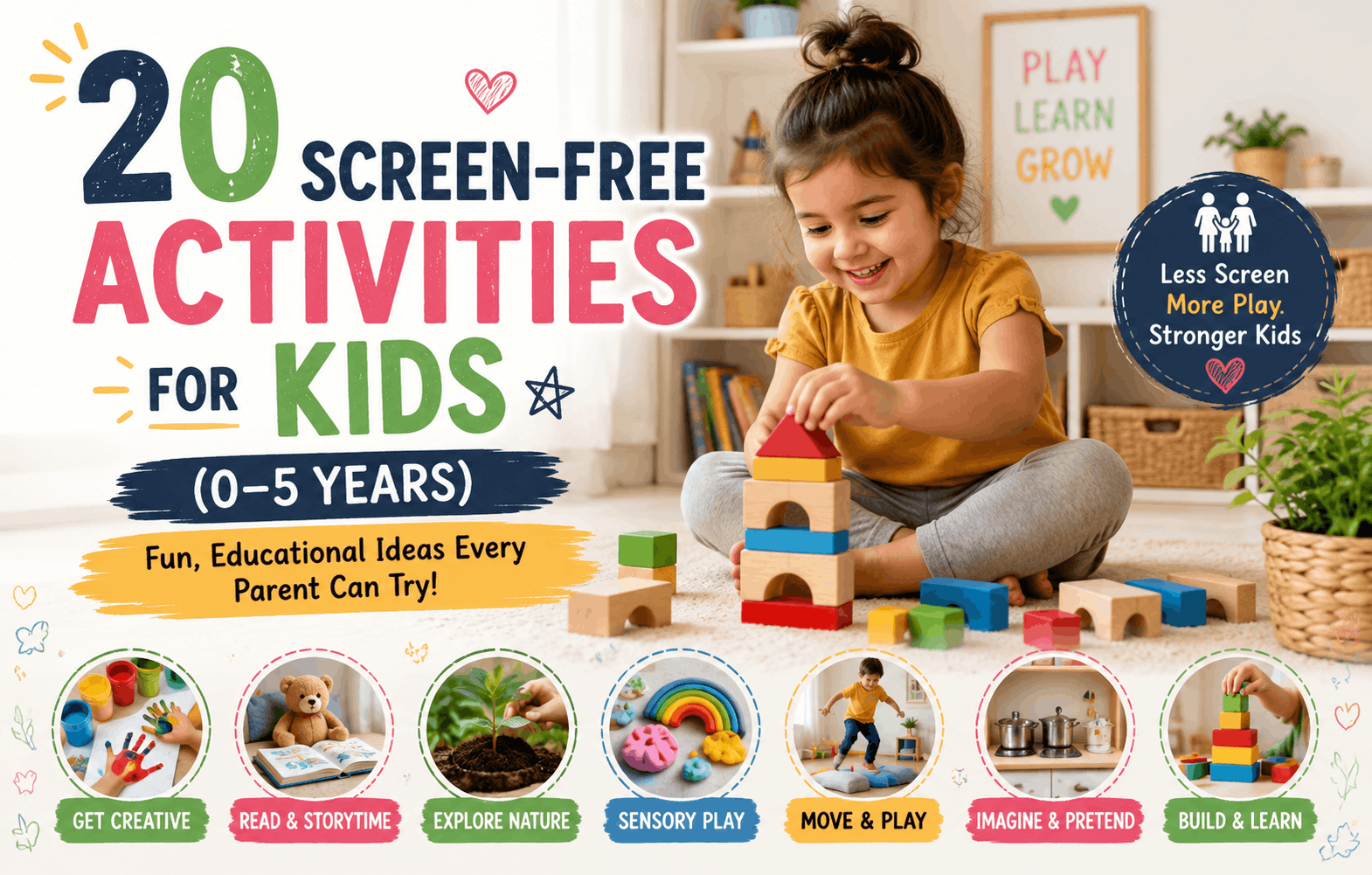

Parents don’t need a toy shelf full of ‘educational’ toys for their child. The question shouldn’t be what can this toy do for my child, but what can my child do with this toy
A good toy provides a child with opportunities to explore, make decisions, solve little problems, use their imagination and interact. The American Academy of Pediatrics (AAP) recommends making sure a toy they are considering is safe, affordable, developmentally appropriate, and engaging as opposed to being trendy or expensive.
What follows are some important guidelines.
What toys are best for babies?
A simple toy works best with babies.
Rather than looking to educate, the focus should be on giving babies safe opportunities to see, reach for, grasp, move and interact with objects.
Soft balls, large stacking cups, simple rattles, cloth or board books and activity toys appropriate for their age are all great options.
Babies can benefit from parents making toys more interesting by naming the toy or describing what the baby is doing or interacting with. Talk back and forth with your baby when playing. The back and forth nature has been shown to stimulate the kind of connections in the young brain that lay the groundwork for later development (Harvard’s Center on the Developing Child).
Avoid small parts that can pose a choking hazard. Always check manufacturer’s age recommendations.
What educational toys work well for toddlers?
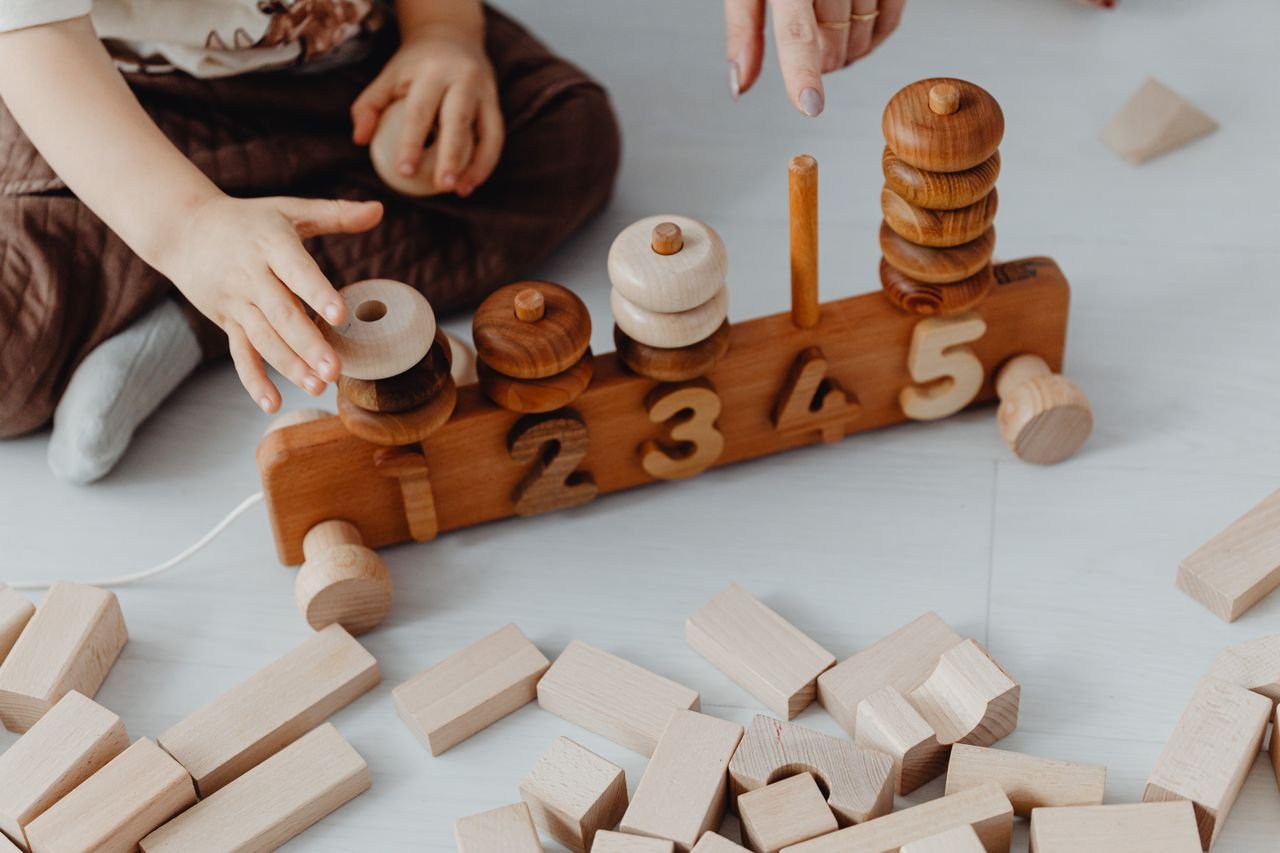
Pushing, pulling, stacking, sorting, pretending and building can all provide rich opportunities for exploration for older toddlers.
Look for things like large blocks, shape sorters, stacking toys, simple puzzles, toy vehicles, pretend-play toys, and large crayons and paper.
The CDC recommends block play, pretend play, simple games, and opportunities for young children to explore their interests.
Rather than telling your toddler what to build with blocks, let them decide. If they build a tower ask, “What should we build next” rather than telling them how to fix or complete a structure.
What toys are suitable for preschoolers?
By around preschool age, children can benefit from toys that challenge them to plan, use language skills, use their imagination, and collaborate with others.
Puzzles, building sets, drawing and craft supplies, pretend-play costumes, matching and memory games, simple board games, are all good options.
Building toys allow opportunities for a child to experiment with balance and structures. Drawing allows practice with using different materials. Pretend-play gives opportunities to build language skills and practice using their imaginations.
The CDC also recommends pretend play, matching games, counting activities, drawing, and opportunities to use imaginations for young children.
Which educational toys help with problem solving?
A concerned parent who is looking for a toy that will help their child with problem-solving skills would benefit from looking for something that will challenge the child, but provide support along the way.
Puzzles, building sets, matching games, mazes, and age appropriate strategy games can be good options. Try not to give away answers if a child gets stuck, but rather give hints. Instead of saying, “put that piece there” when a child is working on a puzzle, try asking, “which pieces do you think might fit?”
The point is not to make a child solve a problem on their own, but to give them the support they need to continue experimenting and thinking.
Which educational toys support language and social skills?
A child doesn’t need a toy that talks to them to practice language skills.
Picture books, pretend-play toys, dolls, toy animals, and games that involve taking turns can all give children opportunities to talk, describe what they are doing, and practice social skills.
A parent could use a toy animal to ask a child questions like, “Where do you think it lives? , What should we feed it? What sound does it make? Can you tell me a story about it?”
Naming things and describing what a child is doing with a younger child can also be a great way to turn a child’s play into an opportunity for language practice. Harvard’s research on “serve and return” highlights the value of responsive conversations between children and their caregivers.
Do kids need expensive educational toys?
The value of a toy isn’t determined by its price tag. The AAP specifically recommends safe, affordable, developmentally appropriate toys and points out that children don’t need expensive toys to benefit from play.
A set of blocks can be used to build structures, count the number of blocks used, create pretend buildings, talk about size differences, and invent stories.
A cardboard box can turn into a home, a shop, a garage, or even a spaceship.
Paper and crayons can be used for drawing, writing stories, and playing a simple game of matching shapes.
The important question is not, “how cool is this toy”, but, “how many things can my child do with this toy?”
How should parents play with educational toys?
A parent doesn’t need to turn educational toy time into a lesson, but rather try to follow the child’s lead.
A child builds a tower? Watch what they do and describe it. A child pretends they have a shop? Be a customer. A child is working on a puzzle? Let them try and experiment on their own rather than telling them what to do.
The CDC recommends child led play.
NAEYC also describes developmentally appropriate learning as play based, engaging, and responsive to the child’s strengths and experiences.
What should parents avoid when choosing toys?
Avoid toys that are inappropriate for a child’s age, have accessible small parts, have broken or loose parts, need a parent’s constant help to use, are unnecessarily complicated and overwhelming, or make exaggerated claims about teaching or brain development.
Having electronic features is not always a bad thing, but the more buttons the less opportunity there is for a child to learn. The AAP recommends looking for toys that encourage imagination, interaction, language, creativity and problem solving as opposed to toys that overwhelm.
Simple educational activities to try at home
Parents don’t need another toy, they can turn everyday items into educational activities.
Sort and count: ask your child to sort toys by color, size, or type and count the different groups.
Build a challenge: give your child blocks and ask them to build the tallest tower they can.
Pretend shop: use items around the house and pretend to buy and sell them. Practice counting.
Story basket: put a few familiar objects in a basket and ask a child to make a story using them.
Shape hunt: look around the house for circles, squares, rectangles and other shapes.
The CDC’s developmental guidance for parents also highlights the value of everyday play, talking to a child, counting, pretending, and taking a child’s interests into account.
The bottom line: look to the child
There’s no one-size-fits-all when it comes to educational toys. A good toy for one child might not be a good toy for another. A good toy will challenge a child’s abilities, but not overwhelm them. A good toy will encourage a child to do something as opposed to watching something happen.
Most importantly, remember that the value of a toy isn’t in the toy itself, but in how the toy is used. A simple puzzle played with a parent can be more valuable than an expensive toy played with alone.
The best toys are the ones that encourage a child to ask questions, try new things, build structures, tell stories, and invite a parent to join in.
Author Bio: Bilal Khan is a writer interested in parenting, children’s learning, educational play, and practical family life. He focuses on creating accessible, research-informed content that helps parents make thoughtful choices for their children’s everyday learning and development. Website : Baith Al Athfal