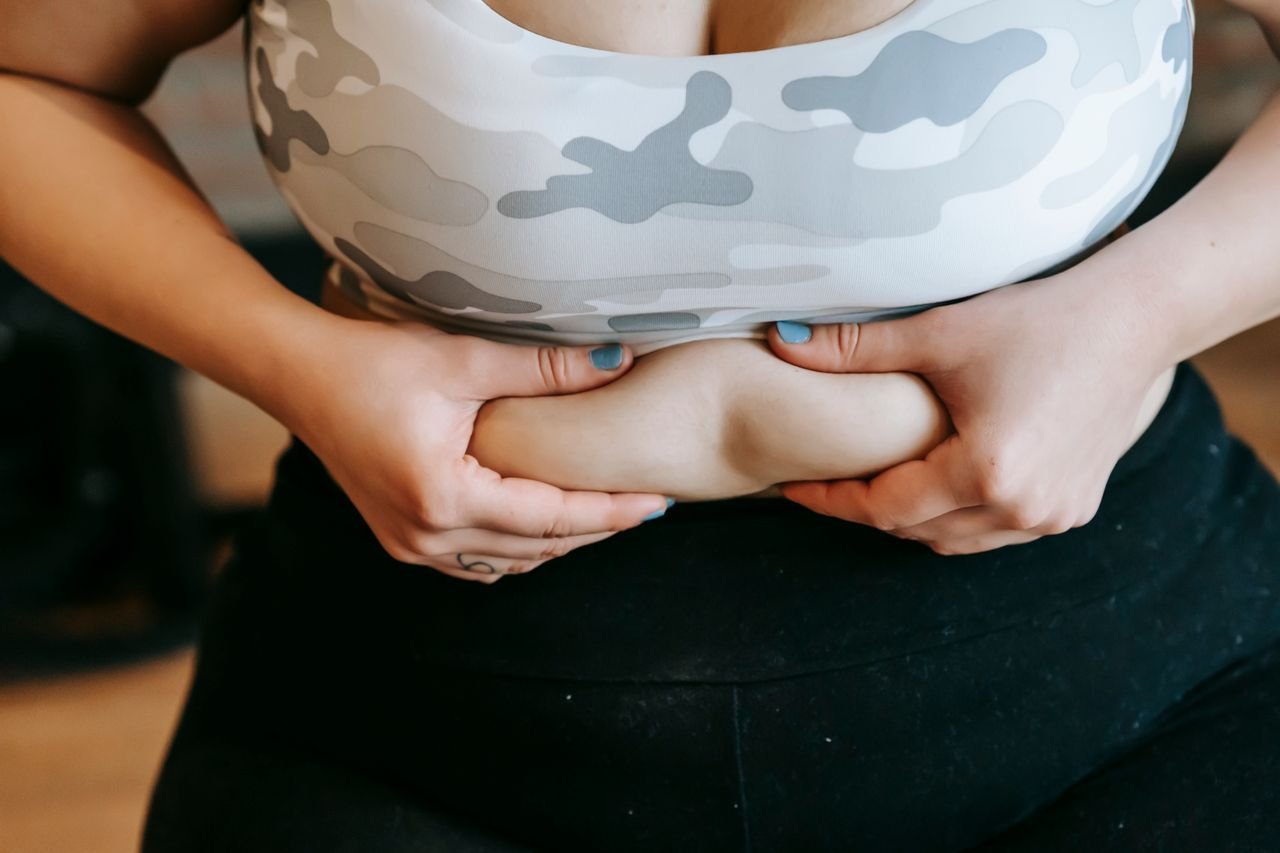


The first few weeks after childbirth are a major transition for both mother and baby. Your body is healing, hormones are changing, breastfeeding may be getting established, and you are learning how to care for a newborn—often while running on very little sleep.
In India, the first 40 days after delivery have traditionally been considered a special recovery period. Families may encourage new mothers to rest, eat nourishing foods, receive oil massages and avoid strenuous household work. Modern postpartum care also emphasizes rest, nutrition, hydration, physical recovery, breastfeeding support, mental health and timely medical checkups.
But there is one important thing to remember: 40 days is not a deadline for complete postpartum recovery. Some mothers feel considerably better by six weeks, while others need several months to fully recover from pregnancy and childbirth. Recovery can also differ considerably after a vaginal delivery compared with a C-section.
This guide combines traditional Indian postpartum care practices with modern, evidence-informed postpartum care so you can understand what may help, what requires caution and when to contact your healthcare provider.
Quick answer: How should a mother take care of herself during the first 40 days after delivery?
During the first 40 days after delivery, prioritize rest, nutritious food, hydration, prescribed medicines or supplements, personal hygiene, breastfeeding support, gentle movement and emotional wellbeing. Traditional practices such as massage and nourishing foods can be incorporated when they are safe for you. Keep medical appointments and seek prompt medical attention for heavy bleeding, fever, severe pain, breathing difficulty, severe headache, wound problems or significant emotional distress.
What Is the 40-Day Postpartum Period?
The postpartum period, also called the postnatal period, begins immediately after childbirth. It is the time when your body gradually recovers from pregnancy and birth while you adjust physically and emotionally to caring for your baby.
The first 40 days postpartum are particularly important because several major changes happen during this time. The uterus begins returning toward its pre-pregnancy size, postpartum bleeding gradually changes, birth-related wounds start healing, milk production becomes established and hormonal fluctuations can affect mood and energy.
Why are 40 days after delivery considered important?
The idea of 40 days after delivery is deeply rooted in many Indian families and traditional systems of postpartum care.
Traditionally, the mother may be encouraged to:
- Stay home and rest
- Avoid heavy household work
- Eat freshly prepared, nourishing meals
- Receive warm oil massages
- Drink traditional herbal preparations
- Wear comfortable or supportive clothing
- Receive help from older family members
- Focus on breastfeeding and bonding with the baby
- Gradually return to normal activities
The underlying idea is valuable: a new mother deserves a protected period of rest and support.
However, not every traditional practice is automatically safe. Herbal remedies, restrictive diets, excessively tight belly binding or delaying medical care should not be followed simply because they are customary.
Is 40 days really enough to recover after childbirth?
Not necessarily.
The first six weeks are an important postpartum recovery period, but healing can continue well beyond 40 days.
A mother recovering from an uncomplicated vaginal delivery may gradually become more comfortable within several weeks, while a mother recovering from a C-section may need additional time because she is healing from major abdominal surgery.
Some changes can continue for months, including:
- Pelvic floor weakness
- Abdominal muscle separation
- Postpartum hair loss
- Changes in breast size
- Vaginal dryness
- Fatigue
- Sleep deprivation
- Emotional adjustment
- Changes in body weight
- Menstrual changes
So instead of asking, “How can I recover in 40 days?”, a better question is, “How can I support my recovery during the first 40 days and beyond?”
40 days vs the medical six-week postpartum period
The traditional 40-day period and the medical concept of approximately six weeks postpartum overlap considerably, but they are not exactly the same thing.
Modern postnatal care focuses on the mother’s and baby’s health rather than using a fixed day on the calendar as the end of recovery. Postpartum assessments can include physical recovery, bleeding, blood pressure, wound healing, breastfeeding, contraception, mental health and other individual concerns.
The World Health Organization recommends continued postnatal contact during the first weeks after birth, including assessments during the first few days, around the second week and around six weeks, depending on individual circumstances.
Postpartum Recovery Timeline: Day 1 to Day 40
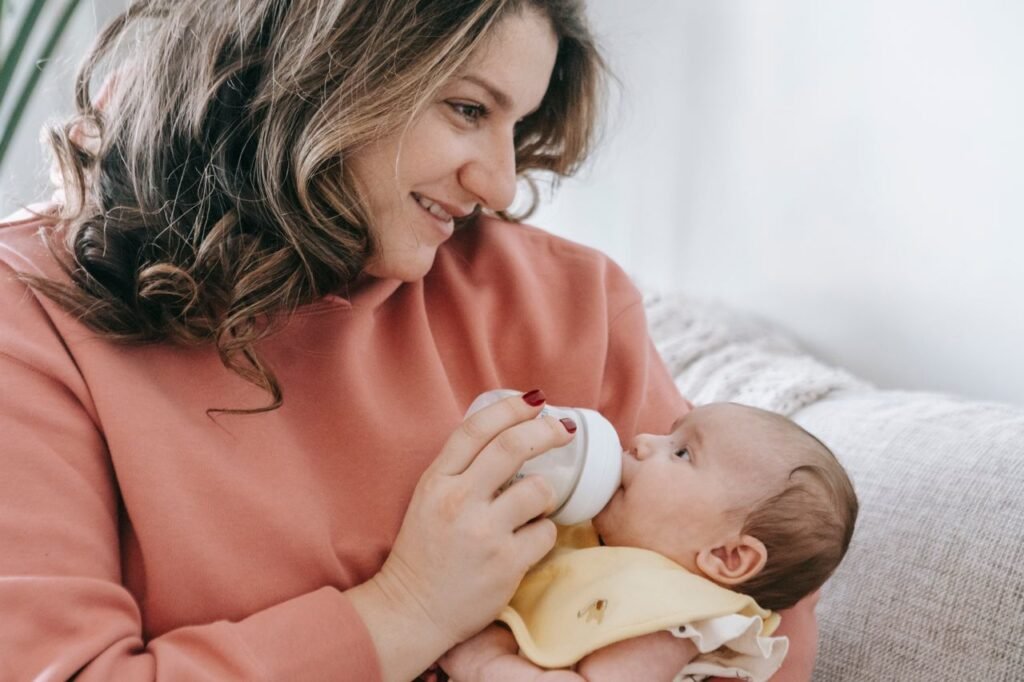
Every mother’s postpartum recovery timeline is different. The following guide is a general framework rather than a strict medical schedule.
| Period | Main Focus | What Mom May Experience | Care Priorities |
|---|---|---|---|
| Days 1–3 | Immediate recovery | Bleeding, soreness, fatigue, uterine contractions | Rest, hygiene, feeding support, monitoring |
| Days 4–7 | Settling in | Breast changes, continued bleeding, sleep deprivation | Nutrition, hydration, gentle movement |
| Days 8–14 | Building strength | Gradually improving mobility | Walking, breastfeeding support, emotional care |
| Days 15–21 | Gentle rebuilding | Less discomfort for many mothers | Light activity, pelvic floor awareness |
| Days 22–30 | Increasing independence | Gradual return to everyday tasks | Continue recovery and support |
| Days 31–40 | Transition | Increasing energy for some mothers | Follow-up care and gradual activity |
Days 1–3: Immediate Recovery
The first few days after childbirth are focused on stabilization and early healing.
You may experience:
- Vaginal bleeding called lochia
- Abdominal cramps as the uterus contracts
- Perineal soreness after vaginal birth
- Incision pain after C-section
- Breast tenderness
- Fatigue
- Constipation
- Difficulty urinating
- Swelling
- Emotional changes
Rest as much as possible and follow the instructions given by your healthcare team.
If you had a C-section, take particular care of your incision and follow your provider’s instructions regarding movement, bathing and medications.
Days 4–7: Settling Into Recovery
During the first week, many mothers are adjusting to feeding and newborn care while still feeling physically exhausted.
Breast engorgement may occur as milk production increases. You may also experience continued lochia and soreness.
Focus on:
- Eating regular meals
- Drinking enough fluids
- Getting help with household tasks
- Sleeping whenever you get an opportunity
- Taking prescribed medicines
- Keeping your perineal area or C-section incision clean
- Taking short, gentle walks when comfortable
Days 8–14: Building Strength
During the second week, you may feel slightly more mobile, but you are still recovering.
You can gradually increase gentle activity according to how your body feels and your healthcare provider’s advice.
This is also a good time to assess:
- Breastfeeding comfort
- Milk supply concerns
- Constipation
- Pain
- Bleeding
- Mood
- Sleep
- C-section wound healing
- Perineal healing
Don’t compare your recovery with another mother. Two women can have completely different postpartum experiences.
Days 15–21: Gentle Rebuilding
By weeks two to three, some mothers are able to walk more comfortably and perform light daily activities.
Continue prioritizing recovery rather than trying to return immediately to your pre-pregnancy routine.
Gentle walking, appropriate pelvic floor exercises and adequate nutrition can support recovery when medically appropriate.
Days 22–30: Increasing Independence
During weeks four and five, some mothers gradually become more independent with baby care and everyday activities.
However, feeling better does not necessarily mean your body has completely healed.
Continue to:
- Avoid overexertion
- Eat nutritious food
- Stay hydrated
- Monitor ongoing bleeding
- Follow wound-care instructions
- Ask for help when needed
- Pay attention to your emotional health
Days 31–40: Transitioning Beyond Confinement
Around the end of the traditional 40-day period, some mothers may feel significantly better, while others may still have pain, fatigue or emotional challenges.
Think of day 40 as a transition point rather than a finish line.
Continue postpartum care beyond this period and discuss exercise, contraception, sexual health, breastfeeding concerns and any ongoing symptoms with your healthcare provider.
Postpartum Care After Vaginal Delivery
Postpartum recovery after vaginal delivery can involve soreness, bleeding, pelvic floor changes and perineal healing.
Caring for vaginal soreness and perineal stitches
If you had a tear or episiotomy, the area may remain sore for several days or weeks.
Follow your provider’s instructions for:
- Cleaning the area
- Changing maternity pads
- Managing pain
- Using prescribed medications
- Sitting comfortably
- Monitoring healing
Contact your healthcare provider if pain becomes significantly worse or is accompanied by fever, foul-smelling discharge, increasing swelling or other concerning symptoms.
Managing postpartum bleeding and lochia
Postpartum bleeding is normal after childbirth and is called lochia.
It generally changes in amount and color over time, but unusually heavy bleeding or sudden worsening should not be ignored.
Sitz baths and perineal hygiene
A healthcare provider may recommend specific perineal-care measures, including a sitz bath in some circumstances.
Avoid adding herbs, essential oils or other substances unless your healthcare professional recommends them.
Managing constipation
Constipation is common after delivery.
Helpful measures may include:
- Drinking adequate fluids
- Eating fibre-rich foods
- Eating fruits and vegetables
- Walking gently
- Following your healthcare provider’s recommendations
Don’t ignore persistent or severe constipation.
When can you start walking?
Gentle walking is often encouraged as part of recovery when medically appropriate. Start slowly and increase activity gradually.
After C-section or a complicated birth, your timeline may be different.
When can you start exercising?
There is no universal exercise schedule that works for every mother.
Begin with gentle movement and gradually increase activity based on your recovery, delivery type and healthcare provider’s advice.
Postpartum Care After C-Section
C-section recovery during the first 40 days requires special attention because the body is healing from abdominal surgery in addition to recovering from pregnancy and childbirth.
C-section incision care
Keep the incision clean and dry according to your provider’s instructions.
Watch for:
- Increasing redness
- Swelling
- Worsening pain
- Pus or unusual discharge
- Opening of the incision
- Fever
Contact your healthcare provider promptly if you notice concerning changes.
Getting in and out of bed safely
Avoid sudden movements that strain your abdominal muscles.
Rolling onto your side and using your arms to help yourself up may feel more comfortable than trying to sit straight up.
Walking after C-section
Walking is generally introduced gradually after surgery as advised by the healthcare team.
Short walks can help you regain mobility, but avoid pushing through significant pain.
Bathing and hygiene
Follow the instructions provided by your healthcare team regarding bathing and incision care.
Managing pain
Take prescribed pain medication as directed. Don’t feel that you have to tolerate severe pain without support.
Lifting restrictions
Your provider may recommend avoiding heavy lifting while the incision heals.
Remember that a newborn may be manageable to lift, but additional household lifting may not be appropriate during early recovery.
Driving and returning to normal activities
Driving, longer walks, exercise and other activities should be resumed according to your recovery and medical advice.
When should a C-section wound be checked?
Follow the follow-up schedule given by your healthcare provider and seek help sooner if the incision develops increasing redness, swelling, discharge, severe pain or begins opening.
Traditional Indian Postpartum Care Practices
Traditional Indian postpartum care can provide emotional support, nourishing food and a protected period of rest. The key is to preserve the helpful elements while avoiding practices that could interfere with medical recovery.
40-day confinement after delivery
Traditional postpartum confinement may involve staying indoors and receiving help from family members.
The positive aspect can be the opportunity to:
- Rest
- Recover
- Focus on breastfeeding
- Bond with the baby
- Avoid unnecessary household responsibilities
- Receive practical support
However, confinement should never mean delaying necessary medical appointments or isolating a mother who needs emotional support.
Postpartum oil massage
Postpartum oil massage is common in many Indian families.
A gentle massage may feel relaxing and can be part of a mother’s self-care routine if it is comfortable and medically appropriate.
However:
- Avoid massaging directly over a healing C-section incision.
- Don’t massage areas that are painful, swollen or infected.
- Avoid excessive pressure.
- Ask your healthcare provider if you had complications or surgery.
Traditional postpartum foods
Indian postpartum diets commonly include foods such as:
- Panjiri
- Gond laddoo
- Ajwain
- Jeera
- Methi
- Ghee
- Dry fruits
- Ragi
- Dal
- Khichdi
Many of these foods can contribute calories, protein, fats, minerals or other nutrients. However, eating large amounts of calorie-dense sweets and ghee is not necessary for every mother.
A balanced postpartum diet is more important than following a rigid traditional menu.
Warm foods and drinks after delivery
Warm foods and drinks are traditionally believed to support postpartum recovery in many Indian households.
There is nothing inherently wrong with enjoying warm, nourishing food if it suits you. But there is no need to restrict yourself exclusively to “hot” foods.
Your overall diet should provide adequate:
- Protein
- Iron
- Calcium
- Fibre
- Healthy fats
- Vitamins and minerals
- Fluids
Belly binding after delivery
Belly binding has traditionally been used to provide abdominal support.
Some women find it comfortable, but it should not be excessively tight or painful. It should also not be treated as a guaranteed method for permanently reducing postpartum belly fat.
After C-section, discuss abdominal support with your healthcare provider before using a binder.
Rest and staying indoors
Rest is one of the most valuable parts of traditional postpartum care.
However, staying indoors should not mean complete inactivity. Gentle movement and medical appointments are still important when appropriate.
Traditional practices that need caution
Not every traditional postpartum remedy has been adequately studied for safety.
Be particularly cautious with:
- Unverified herbal preparations
- Very restrictive diets
- Excessive amounts of supplements
- Very tight abdominal binding
- Applying substances to surgical wounds
- Delaying medical treatment
- Avoiding prescribed medications
- Extreme food restrictions
When in doubt, ask your doctor, midwife or qualified healthcare professional.
Traditional vs Modern Postpartum Care
| Traditional Practice | Potential Benefit | Modern Perspective | Safety Note |
|---|---|---|---|
| Oil massage | Relaxation and comfort | Can be soothing | Avoid wounds and painful areas |
| Panjiri | Energy and calories | Can fit into a balanced diet | Portion size matters |
| Gond laddoo | Calorie-dense traditional food | Can provide energy | Not essential for recovery |
| Belly binding | Sense of abdominal support | May feel supportive | Avoid excessive tightness |
| Warm foods | Comfort and cultural tradition | Fine if nutritious | Not medically mandatory |
| Confinement | Rest and family support | Support can be beneficial | Don’t delay healthcare |
| Herbal drinks | Traditional practice | Evidence varies | Check ingredients and safety |
Modern Postpartum Care Every New Mom Needs
Traditional practices can complement—but should not replace—modern postpartum care.
Postpartum medical checkups
Postpartum checkups provide an opportunity to assess:
- Blood pressure
- Bleeding
- Wound healing
- Uterine recovery
- Breastfeeding
- Mental health
- Contraception
- Medication needs
- Ongoing pain
- Other pregnancy-related complications
Don’t skip an appointment simply because you feel well.
Postpartum nutrition
A postpartum diet should support healing, energy needs and breastfeeding if you are breastfeeding.
Prioritize:
- Protein-rich foods
- Iron-rich foods
- Calcium-rich foods
- Fibre
- Fruits and vegetables
- Whole grains
- Healthy fats
- Adequate fluids
There is no single perfect postpartum diet plan for every Indian mother.
Breastfeeding support
Breastfeeding can take time to establish.
You may need help with:
- Baby’s latch
- Feeding positions
- Breast engorgement
- Nipple soreness
- Pumping
- Milk supply concerns
If breastfeeding is painful or you are worried your baby isn’t feeding effectively, consider seeking qualified lactation support.
Sleep and rest
Newborn sleep patterns can make postpartum recovery challenging.
Instead of expecting yourself to “sleep when the baby sleeps” every time, focus on building a realistic support system.
Your partner or family members can help with:
- Diaper changes
- Burping
- Household chores
- Meals
- Shopping
- Baby care between feeds
Gentle physical activity
Gentle movement can be beneficial during postpartum recovery when appropriate.
Walking, mobility exercises and pelvic floor exercises may form part of recovery, but the timing should depend on your delivery, symptoms and healthcare guidance.
Mental health
Emotional recovery is just as important as physical recovery.
The postpartum period can involve:
- Baby blues
- Anxiety
- Irritability
- Crying
- Feeling overwhelmed
- Postpartum depression
- Postpartum anxiety
Feeling emotionally unwell does not mean you are a bad mother.
Talk to a healthcare professional if sadness, anxiety or other emotional symptoms are severe, persistent or interfering with your ability to function.
Postpartum Diet Plan for the First 40 Days
There is no single mandatory 40-day postpartum diet. Instead, build meals around nutrient-dense foods that support healing and energy.
What should a new mother eat after delivery?
Protein-rich foods
Include options such as:
- Dal
- Paneer
- Curd
- Eggs
- Chicken
- Fish
- Beans
- Lentils
- Soy-based foods
Protein supports tissue repair and helps you maintain energy.
Iron-rich foods
Iron is important after childbirth, particularly if you experienced significant blood loss.
Food sources can include:
- Lentils
- Beans
- Green leafy vegetables
- Sesame seeds
- Meat
- Eggs
- Iron-fortified foods
If your healthcare provider has prescribed an iron supplement, take it according to their instructions.
Calcium-rich foods
Consider:
- Milk
- Curd
- Paneer
- Ragi
- Sesame
- Fortified foods
Healthy fats
Healthy fats can come from:
- Nuts
- Seeds
- Nut butters
- Ghee in moderation
- Avocado
- Other unsaturated-fat sources
Fibre-rich foods
Fibre can help support healthy digestion and reduce constipation.
Include:
- Fruits
- Vegetables
- Whole grains
- Oats
- Dal
- Beans
- Seeds
Sample Indian postpartum meal plan
Early morning: Warm water or another preferred beverage
Breakfast: Vegetable poha/upma + eggs or paneer + fruit
Mid-morning: Fruit + nuts
Lunch: Roti or rice + dal + vegetable + curd + salad if tolerated
Evening snack: Ragi preparation, fruit, roasted chana or nuts
Dinner: Khichdi or roti + dal/paneer/chicken/fish + vegetables
Bedtime: Milk or another nutritious option if desired
This is an example rather than a prescription. Your calorie and nutrient requirements may vary depending on breastfeeding, activity, medical conditions and personal dietary preferences.
Foods to limit after delivery
There is no universal list of “forbidden” postpartum foods.
However, limit:
- Excessively sugary foods
- Highly processed foods
- Excessive caffeine
- Alcohol
- Foods that consistently cause digestive discomfort
If you are breastfeeding, speak with a healthcare professional if you have questions about specific foods, medications or supplements.
Do breastfeeding mothers need a special diet?
Most breastfeeding mothers do not need an unnecessarily restrictive diet.
A varied, balanced diet with adequate fluids and nutrients is generally more useful than eliminating large numbers of foods.
Postpartum Hygiene and Self-Care
Personal hygiene can make recovery more comfortable and reduce the risk of complications.
Bathing after delivery
In most cases, bathing is compatible with postpartum recovery, but follow your healthcare provider’s specific instructions, particularly after C-section.
Perineal hygiene
Keep the area clean and change maternity pads regularly.
Avoid harsh products or applying unapproved substances to healing tissue.
C-section wound hygiene
Follow your surgeon’s instructions carefully.
Don’t apply oils, powders, herbs or other home remedies to the incision unless specifically recommended.
Changing maternity pads
Change pads regularly and monitor the amount, color and smell of postpartum bleeding.
Breast care
Keep nipples and breasts clean and seek help for persistent nipple damage, severe pain, redness or fever.
Hair fall and skin changes
Postpartum hair fall after delivery is common because hormonal changes after pregnancy can shift more hairs into the shedding phase.
Hair and skin changes can continue for several months and don’t necessarily mean something is wrong.
Managing body odour and sweating
Hormonal changes and night sweats can be common after delivery.
Stay hydrated, wear breathable clothing and maintain regular hygiene.
Comfortable postpartum clothing
Choose loose, breathable clothing that doesn’t put unnecessary pressure on healing areas.
Postpartum Bleeding: What Is Normal?
Postpartum bleeding after delivery is called lochia.
What is lochia?
Lochia consists of blood, mucus and uterine tissue released after childbirth.
It usually changes gradually as the uterus heals.
Lochia rubra
This is the early stage and is typically red or dark red.
Lochia serosa
The discharge usually becomes lighter and may appear pinkish or brownish.
Lochia alba
Later, the discharge may become yellowish or whitish.
The exact duration varies from person to person.
How long does postpartum bleeding last?
Many mothers experience postpartum bleeding for several weeks, with the amount generally decreasing over time.
However, bleeding that becomes suddenly very heavy, is accompanied by concerning symptoms or seems significantly different from what your healthcare provider described requires medical assessment.
When is postpartum bleeding dangerous?
Seek urgent medical attention for very heavy bleeding, especially if you feel faint, weak, dizzy or unwell, or if the bleeding is accompanied by severe pain or other concerning symptoms.
Postpartum Warning Signs: When to Call a Doctor
When should you seek medical help after giving birth?
Contact your healthcare provider or seek urgent medical care for symptoms such as:
- Very heavy vaginal bleeding
- Large or concerning blood clots
- Fever
- Severe abdominal or pelvic pain
- Foul-smelling vaginal discharge
- Severe headache
- Vision changes
- Chest pain
- Difficulty breathing
- Fainting or severe dizziness
- Significant leg swelling or pain
- Increasing redness or discharge from a C-section wound
- A wound that opens
- Severe breast pain or redness accompanied by fever
- Severe emotional distress
- Thoughts of harming yourself or your baby
Don’t wait until the 40-day period is over to seek medical care.
Postpartum Mental Health: Don’t Ignore the Emotional Recovery
Physical healing is only one part of postpartum recovery.
Baby blues vs postpartum depression
Baby blues are common emotional changes that can occur after childbirth. A mother may feel tearful, overwhelmed, irritable or unusually emotional.
Postpartum depression is more serious and can involve persistent sadness, loss of interest, hopelessness, severe anxiety, difficulty functioning or other significant emotional symptoms.
Symptoms of postpartum depression
Possible symptoms include:
- Persistent sadness
- Feeling hopeless
- Loss of interest or pleasure
- Severe anxiety
- Feeling worthless or guilty
- Difficulty bonding with the baby
- Major changes in sleep or appetite
- Feeling unable to cope
- Thoughts of self-harm
Postpartum anxiety
Postpartum anxiety can involve excessive worry, racing thoughts, fear that something bad will happen or difficulty relaxing.
Why new mothers may feel overwhelmed
The combination of:
- Sleep deprivation
- Hormonal changes
- Physical pain
- Breastfeeding challenges
- New responsibilities
- Loss of personal time
- Pressure from family
- Unrealistic expectations
can be overwhelming.
How partners and families can help
Family support can make a significant difference.
Instead of repeatedly asking a new mother to “be strong,” offer practical help.
Prepare meals, clean the house, take care of older children, give her time to rest and listen without judgment.
When professional help is needed
If emotional symptoms are severe, persistent or affecting everyday functioning, speak with a healthcare professional.
If you or someone else is in immediate danger, seek emergency medical help.
Postpartum Recovery and Breastfeeding
Breastfeeding and postpartum recovery happen simultaneously, which can make the first few weeks physically demanding.
How breastfeeding affects recovery
Breastfeeding involves significant energy expenditure and can contribute to uterine contractions, particularly during early postpartum.
Does breastfeeding help the uterus shrink?
Breastfeeding stimulates hormones involved in uterine contractions, which can contribute to the uterus returning toward its pre-pregnancy size.
Managing breast engorgement
Helpful measures may include:
- Frequent feeding
- Ensuring a comfortable latch
- Expressing milk if recommended
- Using appropriate warm or cool compresses
- Seeking lactation support when needed
Sore or cracked nipples
Persistent nipple pain isn’t something you simply have to tolerate.
A poor latch is one possible cause. A lactation consultant or healthcare professional can help assess the problem.
Signs you may need a lactation consultant
Consider seeking support if:
- Feeding is consistently painful
- Your baby struggles to latch
- You are worried about milk supply
- Your baby isn’t feeding effectively
- You experience repeated blocked ducts or breast problems
Nutrition and hydration while breastfeeding
Breastfeeding mothers should prioritize regular meals, nutrient-dense foods and adequate fluids according to thirst.
You don’t need to follow an extremely restrictive diet.
Postpartum Exercise: What Can You Do During the First 40 Days?
Your postpartum exercise timeline should be based on your individual recovery.
First few days
Focus on rest, comfortable movement and basic mobility.
Week 1
Gentle walking may be appropriate if you feel well and your healthcare team has no concerns.
Weeks 2–3
Gradually increase light activity if recovery is progressing normally.
Weeks 4–6
Some mothers may gradually return to more activities, but readiness varies significantly.
Pelvic floor exercises
Pelvic floor exercises can be useful after pregnancy and childbirth. Ask your healthcare provider or pelvic health physiotherapist for guidance, particularly if you have pain, urinary leakage or pelvic heaviness.
When can you start walking after delivery?
Gentle walking may begin early for many women when medically appropriate. Start with short distances and stop if you experience significant pain, dizziness, increased bleeding or other concerning symptoms.
When can you start yoga?
Gentle postpartum yoga may be introduced when appropriate, but avoid assuming that all yoga poses are safe immediately after childbirth.
When can you start abdominal exercises?
Avoid rushing into intense abdominal exercises.
If you have abdominal muscle separation, significant pain, a C-section incision or pelvic floor symptoms, seek professional guidance before progressing.
Exercises to avoid initially
Avoid jumping straight into:
- High-impact workouts
- Heavy lifting
- Intense abdominal exercises
- Running
- Very strenuous workouts
until your body is ready and your healthcare provider has advised that progression is appropriate.
Postpartum Sex and Intimacy
Sexual recovery is another part of postpartum care that is often overlooked.
When can you have sex after delivery?
There is no single day that is right for everyone. Healing, bleeding, pain, stitches, C-section recovery, personal comfort and medical advice all matter.
Don’t resume sexual activity simply because you have reached day 40.
Vaginal soreness and dryness
Hormonal changes, breastfeeding and healing can contribute to vaginal dryness and discomfort.
Lubricants and patience may help, but persistent pain should be discussed with a healthcare professional.
Sex after C-section
A C-section incision may be healing externally while deeper tissues are still recovering.
Wait until you feel physically and emotionally ready and follow your healthcare provider’s advice.
Pain during sex
Pain during postpartum sex should not be ignored.
Possible contributors include:
- Vaginal dryness
- Scar tissue
- Pelvic floor tension
- Healing wounds
- Fear or anxiety
Discuss persistent pain with your doctor or pelvic health professional.
Postpartum contraception
Pregnancy can occur before your periods return, including during breastfeeding.
Discuss contraception with your healthcare provider to choose an option appropriate for you.
Can you get pregnant while breastfeeding?
Yes. Breastfeeding can delay ovulation in certain circumstances, but it should not automatically be assumed to provide reliable contraception unless specific criteria for lactational amenorrhea are met.
Postpartum Recovery for the Partner and Family
A new mother’s recovery isn’t solely her responsibility.
How partners can support a new mother
Partners and family members can:
- Prepare meals
- Handle household chores
- Help with diaper changes
- Take care of older children
- Help organize medical appointments
- Give the mother uninterrupted rest
- Offer breastfeeding support
- Listen without judgment
- Encourage professional help when needed
What family members should NOT do
Avoid:
- Pressuring her to “bounce back”
- Comparing her recovery with another mother
- Forcing traditional foods
- Insisting on unverified herbal remedies
- Criticizing breastfeeding choices
- Expecting immediate household work
- Dismissing postpartum sadness or anxiety
- Telling her to ignore medical symptoms
Traditional postpartum care works best when it provides support rather than pressure.
40-Day Postpartum Care Checklist
Use this simple postpartum care checklist throughout the first 40 days.
Daily
☐ Eat balanced meals
☐ Drink enough fluids
☐ Take prescribed medicines and supplements
☐ Get adequate rest
☐ Monitor postpartum bleeding
☐ Maintain personal hygiene
☐ Follow breastfeeding or feeding support plans
☐ Move gently as tolerated
☐ Check in with your emotional wellbeing
☐ Ask for help when you need it
Weekly
☐ Review your physical recovery
☐ Check C-section incision or perineal healing if applicable
☐ Assess breastfeeding challenges
☐ Monitor pain and bleeding
☐ Discuss concerns with your healthcare provider
☐ Adjust household support
☐ Prioritize rest and nutrition
Postpartum Recovery FAQs
What should I do during the first 40 days after delivery?
Prioritize rest, nutrition, hydration, hygiene, breastfeeding support, gentle movement and emotional wellbeing. Follow your healthcare provider’s instructions and attend recommended postpartum checkups.
Why are the first 40 days after delivery important?
The first 40 days are traditionally considered a protected recovery period in many Indian families. Medically, the first six weeks are also an important period for monitoring physical and emotional recovery after childbirth.
What should a new mother eat for 40 days?
A new mother should eat a varied, balanced diet containing protein, iron, calcium, fibre, healthy fats, fruits, vegetables and adequate fluids. Traditional foods such as panjiri or gond laddoo can be included in moderation if they suit her dietary needs.
Can I go outside during the first 40 days after delivery?
There is no universal medical requirement to remain indoors for 40 days. Going out for medical appointments and gradually returning to normal activities can be appropriate when you are physically ready.
Can I take a bath after delivery?
Bathing is generally compatible with postpartum hygiene, but follow your healthcare provider’s specific instructions, especially after a C-section or if you have stitches or wound-care restrictions.
When can I start walking after delivery?
Gentle walking can often be introduced early when medically appropriate. Start slowly and increase activity based on your recovery.
How long does postpartum bleeding last?
Postpartum bleeding, or lochia, usually continues for several weeks and gradually changes in amount and color. Very heavy or suddenly worsening bleeding requires medical attention.
How long does it take for the stomach to go down after pregnancy?
There is no fixed timeline. The uterus gradually shrinks after delivery, but abdominal muscles, skin, fluid levels and body weight can take considerably longer to change. Avoid using the 40-day period as a deadline for postpartum weight loss.
When can I start exercising after delivery?
The timing depends on your delivery, healing and individual health. Start with gentle movement and gradually progress rather than immediately returning to intense exercise.
When can I have sex after delivery?
Sex can generally be resumed when healing is adequate, you feel comfortable and your healthcare provider has no concerns. There is no universal “day 40” rule.
What should I avoid after delivery?
Avoid overexertion, ignoring severe symptoms, excessive alcohol, unverified remedies, very restrictive diets and activities that cause significant pain. Follow your healthcare provider’s instructions for medications, wound care and exercise.
Is traditional Indian postpartum care safe?
Some traditional practices, such as rest, family support, nutritious meals and gentle massage, can be incorporated safely. Other practices, particularly unverified herbal remedies, excessive food restrictions and tight belly binding, may require caution.
What is the difference between postpartum care after C-section and normal delivery?
Both require rest, nutrition, hydration, emotional support and monitoring. C-section recovery also involves caring for an abdominal surgical incision and following specific restrictions while the wound heals.
When should I see a doctor after giving birth?
Keep your scheduled postpartum appointments and contact your healthcare provider sooner for heavy bleeding, fever, severe pain, breathing difficulty, severe headache or vision changes, concerning wound symptoms, significant breast problems or severe emotional distress.
Final Takeaway
The first 40 days after delivery can be a valuable period for rest, recovery, nourishment and support, but they should not be treated as a deadline for becoming your “old self” again.
Traditional Indian postpartum care has many positive elements—especially family support, nourishing meals, rest and dedicated time for mother-baby bonding. Modern postpartum care adds essential medical monitoring, breastfeeding support, mental health care, appropriate physical activity and awareness of warning signs.
Whether you had a vaginal delivery or C-section, your recovery is individual.
The goal of the first 40 days isn’t to get your old body back. It’s to heal, nourish yourself, care for your baby, accept support and give your body and mind the time they need.
And remember: postpartum recovery doesn’t necessarily end on day 40. Continue listening to your body and seeking medical or emotional support whenever you need it.