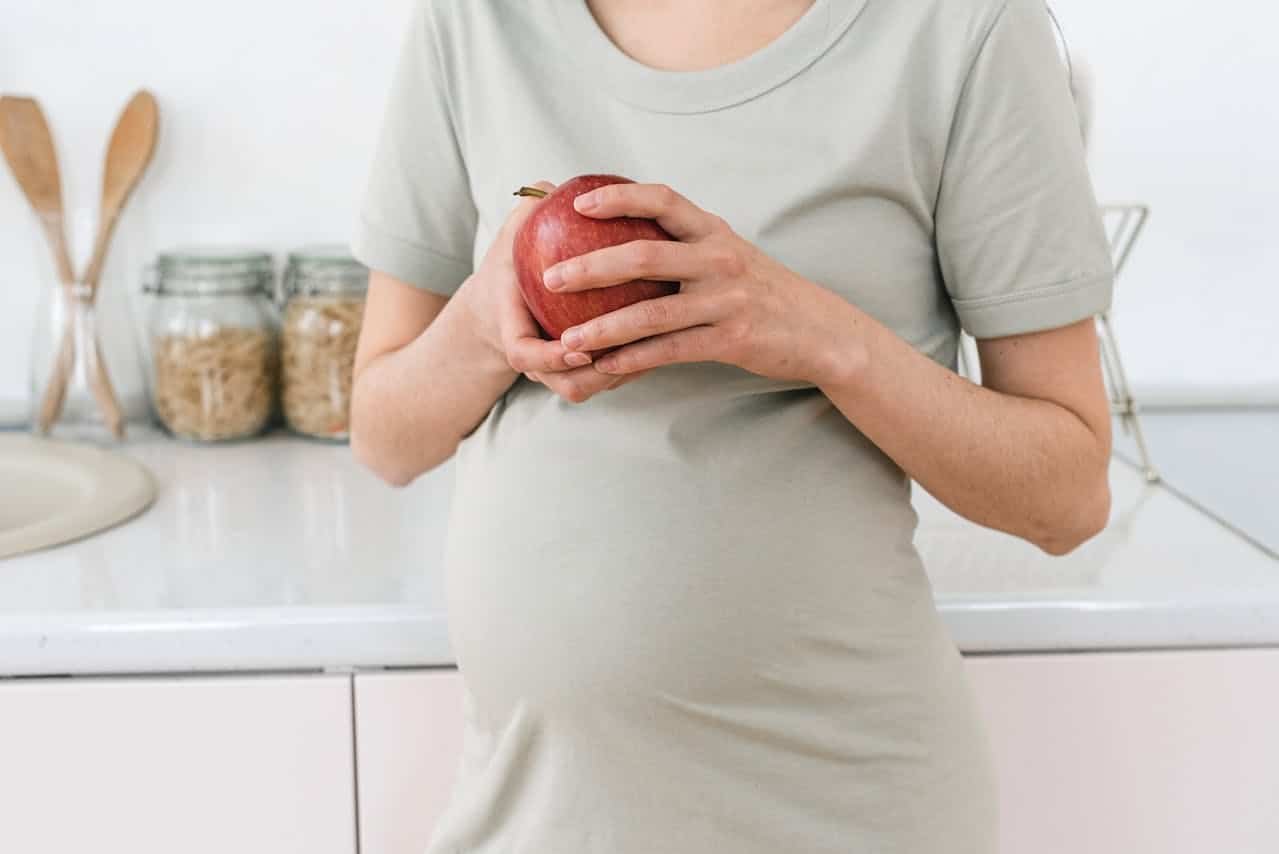

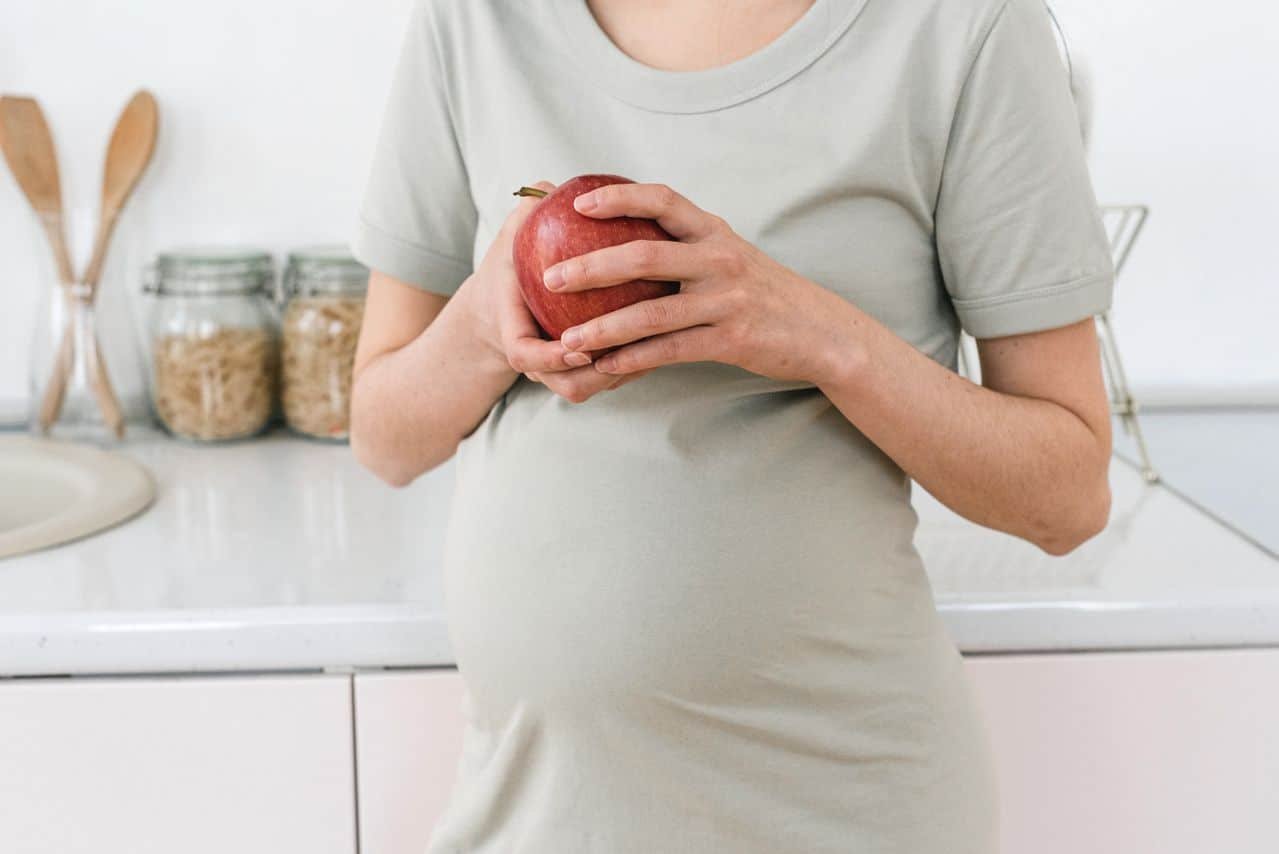
Reaching the fifth month of pregnancy is an exciting milestone. You are now well into your second trimester, and your baby is growing faster than ever. During this stage, many moms-to-be begin to feel their baby’s first movements—often called quickening—making pregnancy feel even more real and exciting.
A well-balanced fifth month pregnancy diet is essential because your baby’s brain, muscles, bones, and nervous system are developing rapidly. Your body is also working harder to produce more blood, support the growing placenta, and prepare for the months ahead. This means your daily meals should provide the right balance of protein, iron, calcium, healthy fats, fiber, vitamins, and minerals.
The fifth month is also a time when appetite often increases. While it’s normal to feel hungrier, the goal isn’t to eat significantly more food—it’s to choose foods that are rich in nutrients and support healthy pregnancy weight gain.
In this comprehensive guide, you’ll learn:
- What to eat during the fifth month of pregnancy
- Essential nutrients for healthy fetal growth
- Best fruits, vegetables, proteins, and dairy foods
- Foods to avoid during the fifth month
- A sample Indian pregnancy diet chart
- Tips to manage common second-trimester symptoms
- Frequently asked questions about fifth-month pregnancy nutrition
Whether you’re expecting your first baby or adding another member to your family, this guide will help you make informed food choices for a healthier pregnancy.
Why Your Diet Is Important During the Fifth Month
By the fifth month, your baby has entered one of the most active growth phases of pregnancy. Nutrient demands continue to increase because your baby’s body is becoming stronger, more active, and more developed every week.
A nutritious diet during this stage helps:
- Support rapid fetal weight gain.
- Promote healthy brain and nervous system development.
- Strengthen bones, muscles, and connective tissues.
- Increase maternal blood production.
- Reduce the risk of iron-deficiency anemia.
- Support healthy pregnancy weight gain.
- Maintain energy levels throughout the day.
- Prepare your body for the second half of pregnancy.
Rather than focusing on calories alone, aim for meals that combine high-quality protein, complex carbohydrates, healthy fats, and colorful fruits and vegetables.
What Happens During the Fifth Month of Pregnancy?
By the end of the fifth month, your baby measures approximately 25 cm (about the size of a banana) and weighs around 300 grams. Although still developing, your baby is becoming more active and responsive to the surrounding environment.
Baby’s Development During Month Five
Some of the most exciting milestones during this month include:
- Rapid growth in height and weight.
- Stronger muscles and more coordinated movements.
- Brain development accelerates.
- Hearing improves, allowing the baby to respond to sounds.
- Bones continue hardening.
- Skin begins developing a protective coating called vernix caseosa.
- Hair, eyebrows, and eyelashes become more visible.
- Fingerprints are fully formed.
- The digestive system continues maturing.
These developments require a steady supply of protein, healthy fats, calcium, iron, iodine, vitamin D, and omega-3 fatty acids.
Changes in Your Body
The fifth month often brings several noticeable physical changes.
Common experiences include:
- Feeling baby’s movements (quickening)
- Increased appetite
- Growing baby bump
- Mild back pain
- Round ligament pain
- Occasional heartburn
- Constipation
- Leg cramps
- Mild swelling in the feet or ankles
- Increased energy compared with the first trimester
Many women also begin planning their maternity wardrobe, baby shopping, and prenatal classes during this stage.
Essential Nutrients During the Fifth Month of Pregnancy
A balanced diet provides the nutrients your baby needs for continued growth while helping you stay healthy throughout the second trimester.
| Nutrient | Why It’s Important | Best Food Sources |
|---|---|---|
| Protein | Supports muscle growth, organ development, and placenta function. | Eggs, paneer, tofu, dal, yogurt, chicken, fish, soybeans |
| Iron | Supports increased blood volume and oxygen delivery to your baby. | Spinach, rajma, black chana, dates, pumpkin seeds, lean meat |
| Calcium | Builds stronger bones and teeth while protecting maternal bone health. | Milk, curd, paneer, ragi, sesame seeds, tofu |
| Omega-3 Fatty Acids | Supports rapid brain and eye development. | Walnuts, flaxseeds, chia seeds, low-mercury fish |
| Vitamin D | Helps absorb calcium and supports healthy bone development. | Fortified dairy, mushrooms, egg yolks, safe sunlight exposure |
| Fiber | Helps prevent constipation and supports digestive health. | Whole grains, oats, fruits, vegetables, legumes |
| Vitamin C | Improves iron absorption and supports immunity. | Guava, oranges, kiwi, amla, tomatoes |
| Magnesium | Supports muscle function and may help reduce leg cramps. | Almonds, spinach, pumpkin seeds, bananas |
| Iodine | Supports thyroid function and fetal brain development. | Iodized salt, dairy products, eggs |
Best Foods to Eat During the Fifth Month of Pregnancy

By the fifth month of pregnancy, your baby is growing rapidly in both size and weight. This is also the stage when many mothers begin feeling regular fetal movements, making nutrition more important than ever. A balanced fifth month pregnancy diet should provide high-quality protein, healthy fats, calcium, iron, fiber, and essential vitamins to support your baby’s brain, bones, muscles, and overall development.
Instead of focusing on eating larger quantities, choose nutrient-dense foods that nourish both you and your baby while promoting healthy pregnancy weight gain.
1. Protein-Rich Foods for Muscle and Tissue Development
Protein requirements continue to increase during the fifth month because your baby’s muscles, skin, organs, and placenta are growing rapidly.
Vegetarian protein sources
- Paneer
- Tofu
- Milk
- Curd
- Greek yogurt
- Moong dal
- Masoor dal
- Rajma
- Chole
- Soybeans
- Quinoa
- Well-cooked sprouts
Non-vegetarian protein sources
- Eggs (fully cooked)
- Chicken
- Low-mercury fish
- Lean turkey
- Lean meat
Nutrition Tip: Aim to include a source of protein with every meal and snack. Combining protein with whole grains helps provide sustained energy and supports steady fetal growth.
2. Omega-3 Rich Foods for Brain and Eye Development
The fifth month is a crucial period for your baby’s brain and nervous system development. Omega-3 fatty acids, especially DHA, play an important role in supporting cognitive development and healthy vision.
Best omega-3 food sources
- Walnuts
- Flaxseeds
- Chia seeds
- Low-mercury fatty fish (well cooked)
- Fortified eggs (where available)
If you don’t eat fish, discuss DHA supplements with your healthcare provider.
3. Calcium-Rich Foods for Strong Bones and Teeth
As your baby’s skeleton continues strengthening, calcium remains one of the most important nutrients.
Calcium-rich foods
- Milk
- Paneer
- Homemade curd
- Tofu
- Ragi
- Sesame seeds
- Almonds
- Cheese (pasteurized)
- Fortified soy milk
Pair these foods with vitamin D sources for better calcium absorption.
4. Iron-Rich Foods to Support Growing Blood Volume
Your body continues producing extra blood to nourish your growing baby. Adequate iron intake helps reduce the risk of anemia and supports oxygen delivery to both mother and baby.
Iron-rich foods
- Spinach
- Beetroot
- Rajma
- Black chana
- Soybeans
- Dates
- Raisins
- Pumpkin seeds
- Sesame seeds
- Egg yolks
- Lean meat
Pair with vitamin C-rich foods
For better iron absorption, include:
- Guava
- Amla
- Oranges
- Kiwi
- Tomatoes
- Bell peppers
- Lemon
A glass of fresh lemon water or a squeeze of lemon over your meals can naturally improve iron absorption.
5. Whole Grains for Lasting Energy
As your calorie requirements gradually increase during the second trimester, whole grains provide complex carbohydrates that release energy slowly.
Healthy whole grains
- Whole wheat roti
- Brown rice
- Oats
- Bajra
- Jowar
- Quinoa
- Barley
- Ragi
Whole grains also provide fiber, B vitamins, and essential minerals that support overall maternal health.
6. Fresh Fruits for Vitamins and Hydration
Fresh fruits provide natural sugars, vitamins, antioxidants, hydration, and dietary fiber while helping satisfy pregnancy cravings in a healthier way.
Best fruits during the fifth month
- Apples
- Bananas
- Oranges
- Guava
- Kiwi
- Pears
- Pomegranate
- Watermelon
- Sweet lime (Mosambi)
- Seasonal mangoes (in moderation)
- Fully ripe papaya (in moderation)
Pomegranate supports iron intake, while bananas provide potassium that may help reduce muscle cramps.
7. Colorful Vegetables for Overall Growth
Vegetables supply essential nutrients that support healthy fetal development and strengthen your immune system.
Green vegetables
- Spinach
- Fenugreek (Methi)
- Broccoli
- Green beans
- Amaranth leaves
Orange and yellow vegetables
- Carrots
- Pumpkin
- Sweet potatoes
Other healthy vegetables
- Bottle gourd (Lauki)
- Ridge gourd (Turai)
- Bell peppers
- Tomatoes
- Beetroot
- Peas
- Cauliflower
- Cabbage
Aim to include at least two different vegetables with your lunch or dinner.
8. Fiber-Rich Foods for Better Digestion
Constipation can still affect many women during the second trimester. Fiber supports healthy digestion and promotes regular bowel movements.
High-fiber foods
- Oats
- Apples
- Pears
- Guava
- Brown rice
- Whole wheat
- Lentils
- Beans
- Broccoli
- Chia seeds
- Flaxseeds
Increase fiber gradually and stay well hydrated to maximize its benefits.
9. Dairy Foods for Calcium, Protein, and Probiotics
Dairy products provide several important nutrients in one serving.
Healthy dairy options
- Milk
- Homemade curd
- Paneer
- Buttermilk
- Pasteurized yogurt
Probiotics in fermented dairy products may also help support digestive health during pregnancy.
10. Healthy Snacks for Increased Appetite
Many women notice that they feel hungry more often during the fifth month. Healthy snacks can help bridge the gap between meals without relying on processed foods.
Nutritious snack ideas
- Roasted makhana
- Roasted chana
- Mixed nuts
- Fruit with peanut butter
- Yogurt with fresh fruit
- Boiled corn
- Paneer cubes
- Vegetable sandwiches made with whole wheat bread
- Homemade smoothies
- Sprout salad (well cooked)
These snacks provide protein, healthy fats, fiber, and vitamins while helping maintain stable energy levels.
Indian Superfoods for the Fifth Month of Pregnancy
Traditional Indian foods remain excellent choices during the second trimester because they provide multiple nutrients naturally.
| Superfood | Benefits |
|---|---|
| Ragi | Rich in calcium, iron, and fiber to support bone development |
| Moong Dal | High-quality plant protein that is easy to digest |
| Homemade Curd | Excellent source of calcium, protein, and probiotics |
| Coconut Water | Supports hydration and provides natural electrolytes |
| Roasted Makhana | Rich in calcium, magnesium, and protein |
| Sweet Potato | Provides complex carbohydrates, beta-carotene, and fiber |
| Amla | High in vitamin C to improve immunity and iron absorption |
| Sesame Seeds | Excellent source of calcium and healthy fats |
| Bajra | Rich in iron, magnesium, and dietary fiber |
| Jaggery (in moderation) | Contains small amounts of iron and minerals when used as a replacement for refined sugar |
Foods That Support Healthy Fetal Brain Development
The fifth month is one of the most important periods for your baby’s brain growth. Including brain-supporting nutrients in your daily meals can contribute to healthy neurological development.
Brain-boosting foods
- Walnuts
- Flaxseeds
- Chia seeds
- Eggs
- Low-mercury fish
- Milk
- Yogurt
- Pumpkin seeds
- Almonds
- Green leafy vegetables
A varied diet containing healthy fats, protein, iodine, iron, and choline supports your baby’s developing brain and nervous system.
Foods That Help Maintain Healthy Pregnancy Weight Gain
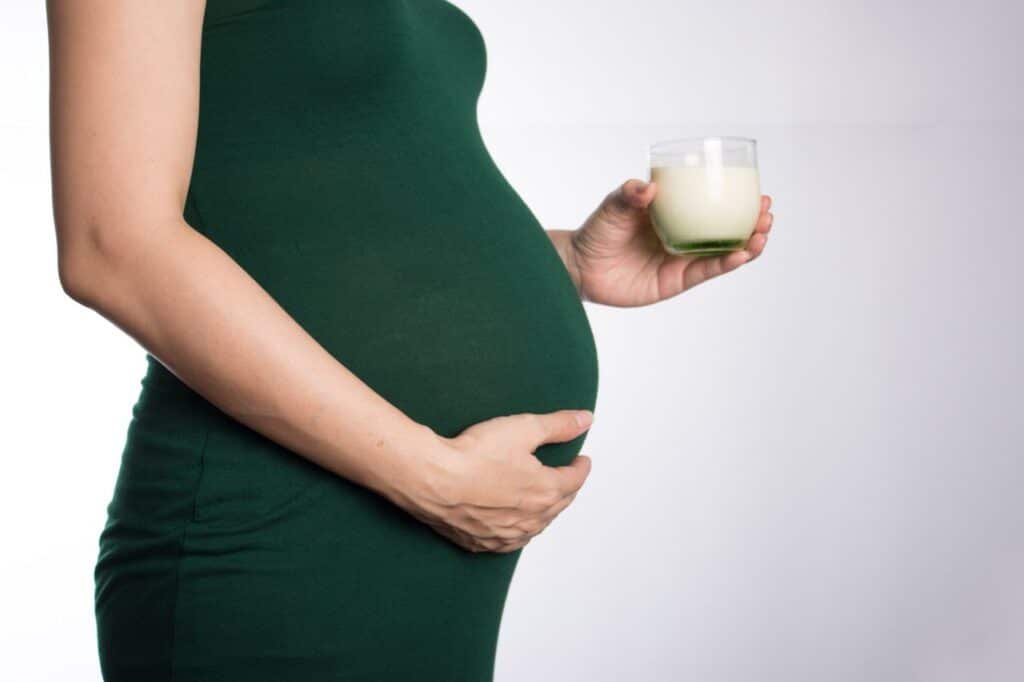
The goal during the fifth month is to gain weight steadily—not rapidly. Nutrient-dense foods help you meet increased calorie needs without relying on empty calories.
Healthy choices
- Whole grains
- Paneer
- Eggs
- Greek yogurt
- Avocados
- Nuts
- Seeds
- Sweet potatoes
- Bananas
- Homemade smoothies
Healthy eating habits
- Eat three balanced meals with two to three healthy snacks.
- Choose homemade foods whenever possible.
- Pair protein with complex carbohydrates.
- Stay physically active if approved by your healthcare provider.
- Continue drinking plenty of fluids.
Expert Tip: The fifth month is when your baby’s growth accelerates significantly. Try to include protein, calcium, iron, healthy fats, and colorful fruits or vegetables in every main meal to support healthy fetal development and maintain your own energy throughout the day.
Sample Indian Diet Chart for the Fifth Month of Pregnancy
| Time | Meal | Healthy Food Options |
|---|---|---|
| Early Morning | Hydration | Warm water with 5 soaked almonds, 2 walnuts, 2 dates, or a glass of warm milk |
| Breakfast | Protein-rich breakfast | Vegetable oats, paneer paratha with curd, moong dal chilla, vegetable poha, or vegetable upma |
| Mid-Morning Snack | Fruits | Apple, guava, banana, orange, pear, pomegranate, kiwi, or seasonal fruits with roasted chana |
| Lunch | Balanced meal | 2 whole wheat rotis or brown rice, dal, seasonal vegetables, salad, curd, and paneer or grilled chicken |
| Evening Snack | Healthy snack | Roasted makhana, boiled corn, fruit smoothie, buttermilk, vegetable soup, or homemade sprouts chaat (well cooked) |
| Dinner | Light meal | Vegetable khichdi, dal with roti, mixed vegetable pulao with raita, or grilled fish with vegetables |
| Bedtime Snack | Before sleep | Warm milk with a few soaked raisins or homemade curd |
One-Day Vegetarian Meal Plan
Early Morning
- Warm water
- 5 soaked almonds
- 2 walnuts
- 2 dates
Breakfast
- Vegetable oats
- Homemade curd
- One orange
Mid-Morning
- Coconut water
- Roasted chana
Lunch
- Two whole wheat rotis
- Palak dal
- Paneer bhurji
- Mixed vegetable sabzi
- Salad
- Curd
Evening Snack
- Roasted makhana
- Fruit bowl
Dinner
- Vegetable khichdi
- Lauki curry
- Cucumber raita
Bedtime
- Warm milk
This vegetarian meal plan provides high-quality protein, calcium, iron, healthy fats, fiber, vitamin C, and antioxidants to support healthy fetal growth.
One-Day Non-Vegetarian Meal Plan
Early Morning
- Warm water
- Almonds and walnuts
Breakfast
- Vegetable omelet
- Whole wheat toast
- Milk
Mid-Morning
- Apple
- Coconut water
Lunch
- Brown rice
- Dal
- Grilled chicken breast
- Mixed vegetables
- Salad
- Curd
Evening Snack
- Buttermilk
- Roasted makhana
Dinner
- Whole wheat chapati
- Low-mercury fish curry
- Steamed vegetables
Bedtime
- Warm milk
This meal plan supplies protein, iron, vitamin B12, calcium, and omega-3 fatty acids to support your baby’s brain, muscle, and bone development.
Foods to Avoid During the Fifth Month of Pregnancy

Although the risk of early pregnancy complications decreases during the second trimester, food safety remains extremely important. Certain foods may expose you and your baby to harmful bacteria, parasites, or excessive mercury.
1. Raw or Undercooked Eggs
Raw eggs may contain Salmonella, increasing the risk of food poisoning.
Avoid:
- Homemade mayonnaise made with raw eggs
- Raw cake batter
- Soft-boiled eggs
- Undercooked omelets
Always cook eggs until both the yolk and white are fully set.
2. Raw or Undercooked Meat
Undercooked meat can carry harmful bacteria and parasites.
Avoid:
- Rare steaks
- Raw minced meat
- Undercooked chicken
- Raw kebabs
Always consume freshly cooked meat prepared to safe temperatures.
3. Raw Seafood
Avoid consuming:
- Sushi made with raw fish
- Raw oysters
- Raw prawns
- Raw shellfish
Choose thoroughly cooked seafood instead.
4. High-Mercury Fish
Certain fish contain high mercury levels that may affect fetal brain development.
Avoid:
- Shark
- Swordfish
- King mackerel
- Marlin
Opt for low-mercury fish after discussing suitable choices with your healthcare provider.
5. Unpasteurized Dairy Products
Choose only pasteurized dairy products.
Safe options include:
- Pasteurized milk
- Pasteurized yogurt
- Pasteurized paneer
- Pasteurized cheese
6. Alcohol
Alcohol should be completely avoided throughout pregnancy because no safe level has been established.
7. Tobacco Products
Smoking, vaping, chewing tobacco, and secondhand smoke exposure increase the risk of pregnancy complications and can affect fetal growth.
8. Excess Caffeine
Moderate your intake of:
- Coffee
- Strong tea
- Energy drinks
- Cola beverages
Follow your healthcare provider’s recommendations regarding caffeine consumption.
9. Highly Processed Foods
Limit foods high in sodium, unhealthy fats, and added sugars.
Examples include:
- Chips
- Instant noodles
- Fast food
- Sugary desserts
- Processed snacks
- Sweetened beverages
Home-cooked meals remain the healthiest option.
10. Excess Sugar and Salt
Excessive sugar and sodium may contribute to unnecessary weight gain and water retention.
Limit:
- Bakery products
- Sugary drinks
- Packaged snacks
- Candies
- Salted processed foods
Instead, satisfy sweet cravings with fresh fruits and naturally sweet foods in moderation.
Healthy Drinks During the Fifth Month of Pregnancy
Proper hydration supports increased blood circulation, amniotic fluid production, digestion, and nutrient transport.
Healthy beverages
- Water
- Milk
- Coconut water
- Buttermilk
- Lemon water
- Fresh lime water
- Homemade vegetable soups
- Fresh fruit smoothies without added sugar
Drinks to avoid or limit
- Alcohol
- Energy drinks
- Sugary sodas
- Excess coffee
- Excess tea
- Unpasteurized fruit juices
Drink fluids consistently throughout the day instead of consuming large amounts at once.
Managing Common Fifth Month Pregnancy Symptoms Through Diet
The fifth month is often one of the most enjoyable stages of pregnancy. Your energy levels are generally higher, your baby bump becomes more noticeable, and you may begin feeling regular fetal movements. However, some common pregnancy discomforts can still occur. A healthy fifth month pregnancy diet can help ease these symptoms while supporting your baby’s rapid growth.
1. Heartburn and Acid Reflux
As your uterus expands, it puts pressure on your stomach, making heartburn more common.
Foods that may help
- Oatmeal
- Plain curd
- Bananas
- Coconut water
- Whole wheat toast
- Vegetable soup
- Buttermilk
Helpful tips
- Eat smaller meals more frequently.
- Avoid spicy, oily, and fried foods if they trigger symptoms.
- Stay upright for at least 2–3 hours after meals.
- Avoid overeating at dinner.
2. Constipation
Hormonal changes and iron supplements may continue to slow digestion.
Fiber-rich foods
- Oats
- Whole wheat roti
- Brown rice
- Apples
- Pears
- Guava
- Spinach
- Broccoli
- Carrots
- Lentils
- Beans
- Chia seeds
- Flaxseeds
Drink plenty of water throughout the day and stay active with gentle exercise if approved by your healthcare provider.
3. Leg Cramps
Many women experience leg cramps during the fifth month due to increased nutritional demands and changes in circulation.
Foods rich in potassium, calcium, and magnesium
- Bananas
- Milk
- Yogurt
- Almonds
- Pumpkin seeds
- Spinach
- Sweet potatoes
Gentle stretching before bedtime and adequate hydration may also help reduce cramping.
4. Mild Swelling
Some swelling in the feet and ankles may begin during the second trimester.
Foods that support healthy fluid balance
- Watermelon
- Cucumber
- Coconut water
- Oranges
- Bananas
- Homemade soups
Tips
- Drink enough water throughout the day.
- Avoid excessive salt intake.
- Elevate your feet when resting.
- Stay physically active if your doctor recommends it.
If swelling is sudden, severe, or accompanied by headaches or vision changes, contact your healthcare provider immediately.
5. Increased Appetite
Your baby’s rapid growth naturally increases your energy requirements.
Instead of reaching for processed snacks, choose:
- Fresh fruits
- Roasted makhana
- Roasted chana
- Mixed nuts
- Yogurt
- Paneer cubes
- Fruit smoothies
- Boiled corn
- Whole wheat sandwiches
Healthy snacks help satisfy hunger while providing valuable nutrients.
6. Back Pain
As your baby grows, the extra weight can place additional strain on your back.
Nutrients that support bone and muscle health
- Calcium-rich dairy products
- Protein-rich foods
- Magnesium-rich nuts and seeds
- Vitamin D-rich foods
Maintaining good posture and engaging in pregnancy-safe exercises may also help relieve discomfort.
Healthy Pregnancy Weight Gain During the Fifth Month
Weight gain usually becomes more noticeable during the second trimester. The goal is to gain weight gradually through nutritious foods rather than excess calories.
Healthy foods for balanced weight gain
- Whole grains
- Paneer
- Eggs
- Lean chicken
- Fish (low-mercury varieties)
- Greek yogurt
- Nuts
- Seeds
- Sweet potatoes
- Avocados
Your obstetrician will monitor your pregnancy weight gain based on your pre-pregnancy BMI and overall health.
Common Nutrition Mistakes to Avoid During the Fifth Month
As your appetite improves, it’s easy to develop eating habits that don’t support optimal nutrition.
Eating Too Much Junk Food
Frequent cravings are normal, but relying on processed foods can lead to unnecessary calorie intake without providing essential nutrients.
Limit:
- Fast food
- Fried snacks
- Sugary desserts
- Packaged snacks
- Soft drinks
Choose homemade meals most of the time.
Skipping Protein
Protein is essential for your baby’s growing muscles, organs, and tissues.
Include protein in every meal through:
- Dal
- Paneer
- Eggs
- Yogurt
- Milk
- Chicken
- Fish
- Tofu
Ignoring Healthy Fats
Healthy fats play a vital role in fetal brain and eye development.
Include:
- Walnuts
- Flaxseeds
- Chia seeds
- Almonds
- Pumpkin seeds
Avoid foods high in trans fats and heavily processed oils.
Drinking Too Little Water
Hydration supports digestion, circulation, nutrient transport, and amniotic fluid levels.
Keep a reusable water bottle nearby and drink fluids regularly throughout the day.
Depending Too Much on Supplements
Prenatal vitamins complement a healthy diet—they do not replace nutritious meals.
Continue eating a variety of:
- Whole grains
- Fruits
- Vegetables
- Dairy products
- Lean proteins
- Healthy fats
Frequently Asked Questions
What should I eat during the fifth month of pregnancy?
A balanced fifth month pregnancy diet should include protein-rich foods, whole grains, fruits, vegetables, dairy products, nuts, seeds, and healthy fats. Focus on nutrients like protein, iron, calcium, omega-3 fatty acids, fiber, and vitamin D to support your baby’s rapid growth.
Why is protein important during the fifth month?
Protein supports your baby’s muscles, skin, organs, placenta, and overall tissue development. It also helps your body adapt to the increasing demands of pregnancy.
Which fruits are best during the fifth month?
Healthy options include:
- Apples
- Bananas
- Guava
- Oranges
- Kiwi
- Pears
- Pomegranate
- Watermelon
- Sweet lime
- Seasonal mangoes (in moderation)
These fruits provide vitamins, hydration, antioxidants, and dietary fiber.
Can I drink milk every day?
Yes. Pasteurized milk provides calcium, protein, and vitamin B12, which are important for your baby’s bone development. If you don’t consume dairy, discuss fortified alternatives with your healthcare provider.
Is it normal to feel hungrier during the fifth month?
Yes. As your baby grows rapidly, your appetite often increases. Choose nutrient-rich snacks instead of processed foods to support healthy pregnancy weight gain.
Can I eat dry fruits daily?
Yes. Almonds, walnuts, pistachios, raisins, and dates (in moderation) provide healthy fats, protein, fiber, and important minerals. A small handful each day makes a healthy snack.
How much water should I drink during the fifth month?
Hydration needs vary from person to person, but drink fluids consistently throughout the day. Water, milk, buttermilk, coconut water, and homemade soups all contribute to healthy hydration.
What foods should I avoid during the fifth month?
Avoid:
- Raw or undercooked eggs
- Raw seafood
- Undercooked meat
- High-mercury fish
- Alcohol
- Tobacco
- Unpasteurized dairy products
- Excess caffeine
- Highly processed foods
Can I exercise during the fifth month?
If your pregnancy is progressing normally and your obstetrician approves, walking, prenatal yoga, swimming, and gentle stretching can support overall fitness and help reduce common pregnancy discomforts.
How much weight should I gain during the fifth month?
Healthy pregnancy weight gain depends on your pre-pregnancy BMI, whether you’re carrying one baby or multiples, and your overall health. Your healthcare provider will guide you based on your individual pregnancy.