
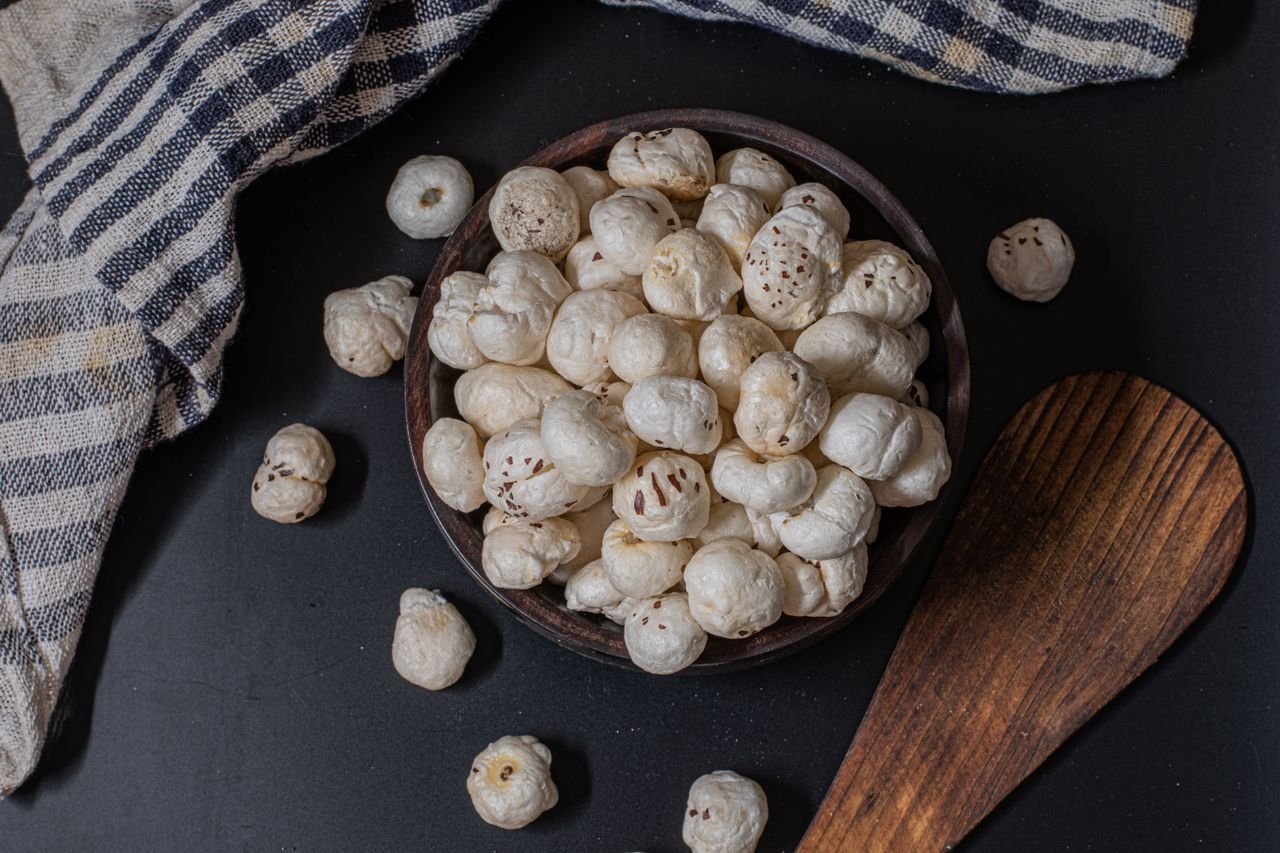
Looking for simple and nutritious makhana recipes for babies? Makhana, also known as fox nuts, lotus seeds, or phool makhana, can be used to prepare several easy homemade baby food recipes. Its mild taste makes it easy to combine with fruits and other baby-friendly ingredients.
If your baby has started complementary feeding and is developmentally ready for solids, you can introduce makhana for babies in a soft, smooth, age-appropriate form. From makhana powder and cereal to porridge and baby-friendly kheer, there are plenty of ways to include this versatile ingredient in your baby’s diet.
What Is Makhana?
Makhana is commonly known as fox nuts, lotus seeds, or phool makhana. It is the edible seed of the Euryale ferox plant and is widely used in Indian cooking.
For babies, makhana is usually roasted, ground into a fine powder, and then cooked with water or combined with other suitable foods. This makes it easier to achieve the soft texture that babies need when beginning solids.
When Can Babies Eat Makhana?
Babies can generally be introduced to makhana around 6 months when they are developmentally ready for complementary foods. However, the preparation and texture are important.
For a 6-month-old baby, avoid serving whole or hard makhana. Instead, use finely ground makhana powder for babies to make a smooth porridge or cereal.
As your baby develops better eating skills, you can gradually offer thicker and softer textures. Always supervise your baby while eating and follow your pediatrician’s advice if you have concerns about introducing a particular food.
Makhana by Age
- 6–7 months: Fine makhana powder, smooth porridge, or cereal
- 8–9 months: Thicker porridge and soft fruit-makhana combinations
- 10–12 months: Soft mashed preparations with more texture
- 1 year and above: A wider variety of age-appropriate makhana preparations
The exact texture should depend on your baby’s developmental readiness and eating skills.
Benefits of Makhana for Babies
Makhana can be a useful addition to a varied baby diet. Some of its nutritional benefits include:
- Provides carbohydrates that contribute to energy intake
- Contains some protein
- Provides minerals such as magnesium, potassium, and calcium
- Contains dietary fibre
- Offers variety in homemade baby food
- Has a mild flavour that pairs well with fruits and other ingredients
While makhana benefits for babies can make it a useful food to include, it should not replace a varied diet. Babies need different foods to obtain a broad range of nutrients as they grow.
5 Easy Makhana Recipes for Babies
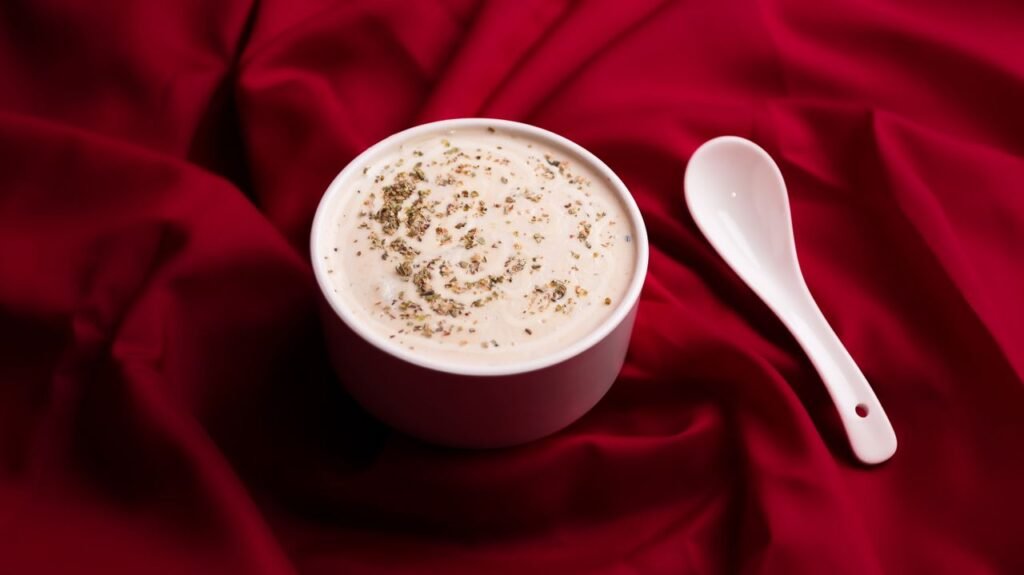
These healthy makhana recipes for babies are simple to prepare and can be adapted according to your baby’s age and texture preferences.
1. Makhana Powder for Babies
Suitable for: Around 6+ months
Makhana powder is one of the easiest ways to introduce phool makhana for babies.
Ingredients:
- 1 cup makhana
- No added salt or sugar
Method:
- Check the makhana and remove any damaged pieces.
- Dry roast the makhana on low to medium heat until crisp.
- Allow it to cool completely.
- Grind it into a fine powder.
- Sift the powder if necessary to remove larger pieces.
- Store the powder in a clean, airtight container.
To serve, cook a small amount of the powder with water until smooth and soft.
This homemade preparation can be used as homemade makhana powder for babies, makhana cereal, or as the base for several makhana baby food recipes.
2. Makhana Porridge for Babies
Suitable for: Around 6+ months
Ingredients:
- 1–2 teaspoons makhana powder
- Water as required
- Optional age-appropriate fruit puree
Method:
- Add makhana powder and water to a small saucepan.
- Mix well to prevent lumps.
- Cook on low heat while stirring.
- Continue cooking until the mixture becomes soft and smooth.
- Allow it to cool before serving.
- For older babies, you can mix in a suitable fruit puree.
This simple makhana porridge recipe for babies is particularly convenient when you want a quick homemade meal.
Tip: For younger babies, keep the consistency smooth and relatively thin. As your baby develops better eating skills, you can gradually make the porridge thicker.
3. Makhana Banana Porridge
Suitable for: Around 6+ months
Banana adds natural sweetness and a creamy texture to this easy makhana banana porridge for babies.
Ingredients:
- 1–2 teaspoons makhana powder
- ½ ripe banana
- Water as required
Method:
- Cook the makhana powder with water until soft.
- Mash the banana thoroughly.
- Mix the banana into the cooked makhana porridge.
- Adjust the consistency with a little water if needed.
- Serve fresh once it has cooled to a suitable temperature.
There is no need to add sugar. This is an easy makhana banana recipe for babies when you want to combine a grain-like ingredient with fruit.
4. Makhana Apple Porridge
Suitable for: Around 6+ months
If your baby enjoys fruit-based foods, try this simple makhana apple recipe for babies.
Ingredients:
- 1–2 teaspoons makhana powder
- ½ small apple
- Water as required
Method:
- Peel and chop the apple.
- Steam or cook it until completely soft.
- Blend or mash the cooked apple into a smooth puree.
- Cook makhana powder with water until soft.
- Mix the apple puree into the makhana porridge.
- Allow it to cool before serving.
This makhana apple porridge for babies is naturally sweet and requires no added sugar.
5. Makhana Kheer for Babies
Suitable for: Depending on your baby’s age and the ingredients used
Traditional makhana kheer is usually prepared with milk and sugar, but a baby-friendly version can be made much simpler.
Ingredients:
- 1–2 teaspoons finely powdered makhana
- Appropriate liquid for your baby’s age and feeding stage
- Optional fruit puree for natural sweetness
Method:
- Cook the finely powdered makhana with an appropriate liquid until completely soft.
- Stir continuously to prevent lumps.
- Add fruit puree if desired.
- Cook until you achieve a smooth, soft consistency.
- Allow it to cool before serving.
For babies under 12 months, avoid honey and added sugar. Also, don’t assume traditional family-style kheer is suitable for a baby simply because it contains makhana.
This makhana kheer recipe for babies is best kept simple and adapted to your baby’s developmental stage.
How to Prepare Makhana Safely for Babies

When preparing makhana for babies, texture is just as important as the ingredients.
Follow these simple precautions:
- Check makhana before cooking and discard damaged pieces.
- Roast makhana appropriately before grinding.
- For younger babies, grind it into a very fine powder.
- Cook the powder thoroughly before serving.
- Make sure the final food is soft and appropriate for your baby’s developmental stage.
- Never offer hard, dry, or whole makhana to a young baby.
- Always supervise your baby while eating.
If you are wondering how to give makhana to babies, a smooth porridge, cereal, or puree is generally more appropriate for babies who are just starting solids than whole pieces.
Can Babies Eat Roasted Makhana?
Young babies should not be given whole, hard, dry roasted makhana. Although roasted makhana is a popular snack for adults and older children, its crisp and hard texture can be difficult for a young baby to manage.
For a baby who has recently started solids, use roasted makhana to prepare a fine makhana powder for babies, then cook it into a soft porridge or cereal.
As babies develop their chewing and eating skills, food texture can gradually be modified according to their developmental stage.
Ingredients to Avoid in Baby Makhana Recipes
When preparing makhana baby food, simple is usually best.
Avoid or limit:
- Added salt
- Added sugar
- Honey for babies under 12 months
- Very spicy seasonings
- Hard chunks
- Whole nuts or other choking hazards
- Whole or dry makhana for young babies
There is generally no need to sweeten baby food with sugar. Fruits such as banana or cooked apple can provide natural sweetness in recipes such as makhana banana porridge and makhana apple porridge.
Makhana for Babies: Quick Age Guide
| Baby’s Age | Recommended Makhana Texture | Recipe Ideas |
|---|---|---|
| 6–7 months | Fine powder and smooth texture | Makhana cereal, makhana porridge |
| 8–9 months | Soft and thicker texture | Fruit makhana porridge |
| 10–12 months | Soft mashed texture | Makhana kheer, thicker porridge |
| 1 year+ | Age-appropriate texture | More varied makhana recipes |
Remember that babies develop eating skills at different rates. Use your baby’s developmental readiness as a guide rather than relying only on age.
FAQs About Makhana for Babies
When can babies eat makhana?
Babies can generally have makhana from around 6 months when they are ready for complementary foods. For younger babies, serve it as a finely ground and thoroughly cooked preparation rather than whole makhana.
Is makhana good for babies?
Yes, makhana can be part of a varied baby diet. Makhana for babies provides carbohydrates, some protein, fibre, and minerals. However, it should be offered alongside a variety of other nutritious foods.
Can a 6-month-old baby eat makhana?
A 6-month-old baby can generally have makhana if they are developmentally ready for solids. Prepare it as a fine powder and cook it into a smooth porridge or cereal rather than offering whole pieces.
How do I give makhana to my baby?
The easiest way to give makhana to a young baby is to roast it, grind it into a fine powder, and cook it with water to make a smooth porridge or cereal. You can also combine it with suitable fruit purees.
Can babies eat roasted makhana?
Young babies should not be given whole, hard roasted makhana because of its texture. Instead, use roasted makhana to prepare a fine powder and cook it into a soft baby food.
Can I give makhana powder to my baby every day?
Makhana powder can be included as part of a varied diet, but babies should eat a variety of foods rather than relying on one ingredient every day. Offer different grains, fruits, vegetables, protein-rich foods, and other suitable foods according to your baby’s age.
Can I make makhana kheer for babies?
Yes, you can prepare a baby-friendly makhana kheer for babies using finely powdered makhana and suitable ingredients. Avoid added sugar and honey for babies under 12 months, and make sure the final consistency is soft and age-appropriate.
Is makhana a good first food for babies?
Makhana can be one of the foods introduced when a baby begins complementary feeding, but there is no requirement to use it as a baby’s first food. A variety of age-appropriate foods is important during complementary feeding.
Conclusion
These makhana recipes for babies offer simple ways to include fox nuts or phool makhana in homemade baby food. Makhana powder, porridge, banana porridge, apple porridge, and baby-friendly kheer can all be adapted to your baby’s developmental stage.
If you’re making makhana recipes for 6 month old baby, focus on smooth, soft textures and avoid whole or hard pieces. As your baby grows, gradually introduce more texture while continuing to offer a varied and balanced diet.
Which of these easy makhana recipes for babies will you try first?