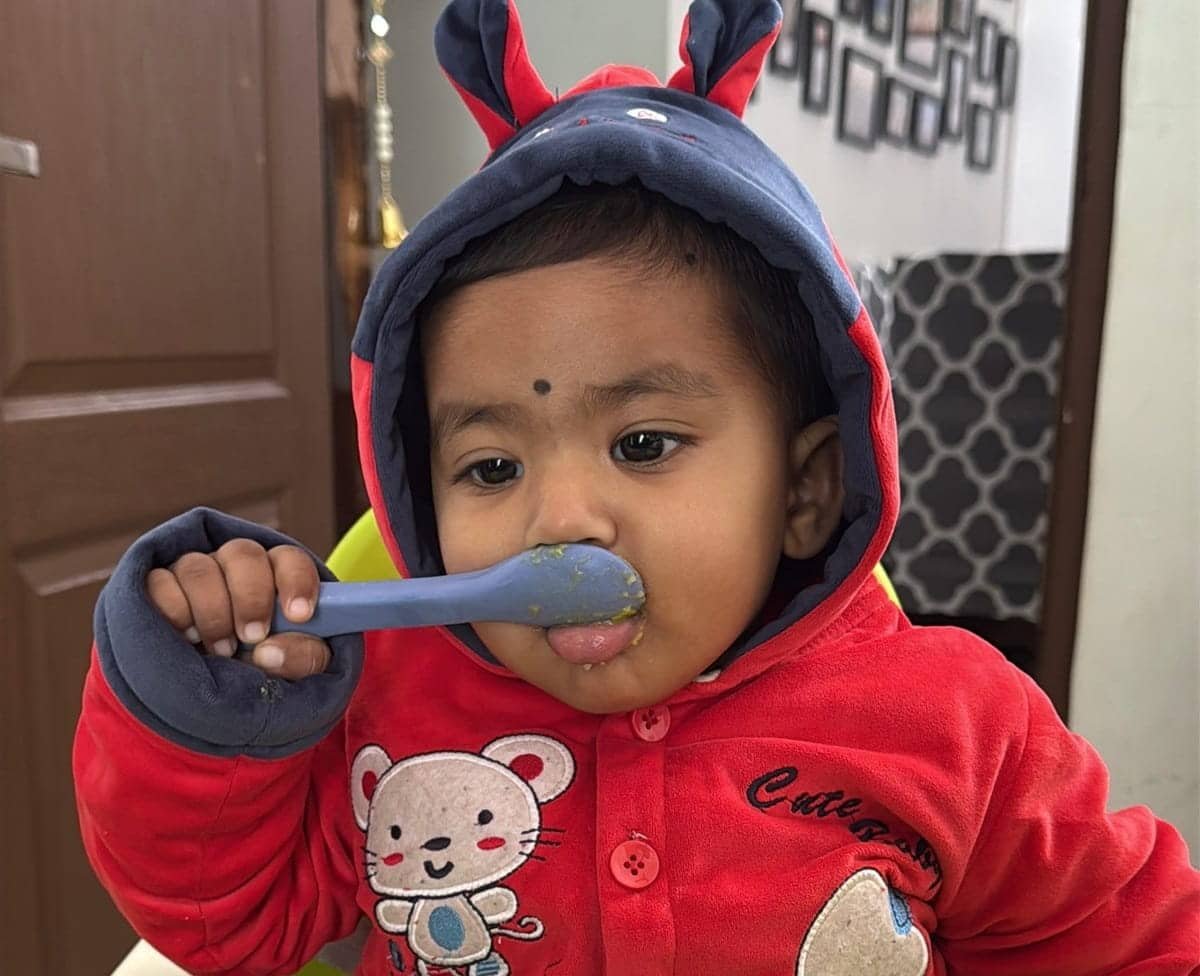

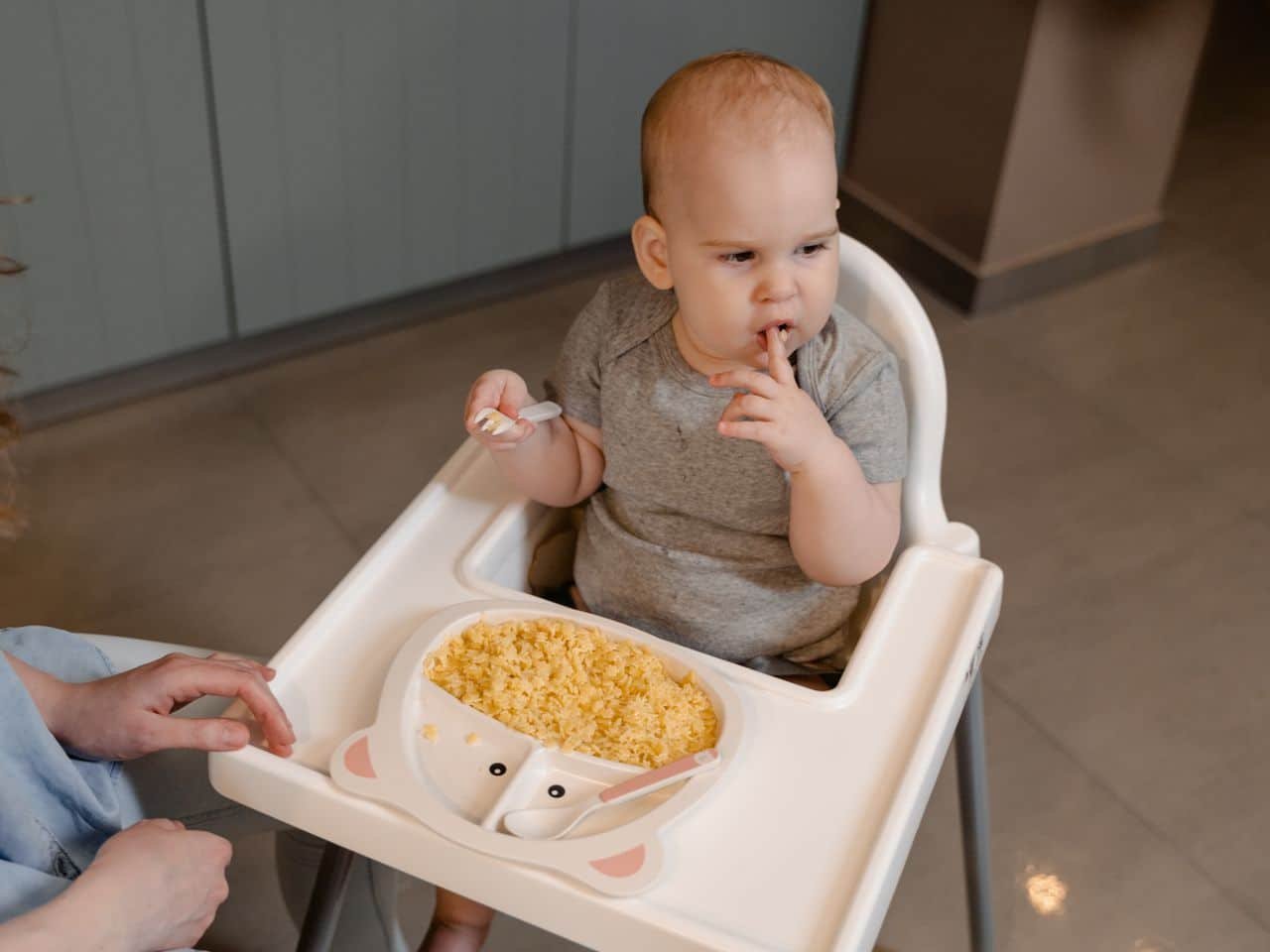
Poha is one of the simplest Indian ingredients to turn into a quick homemade baby meal. Also called flattened rice or beaten rice, poha can be cooked until soft and served as a porridge, mash or a soft savory meal depending on your baby’s age and eating skills.
If you’re looking for poha recipes for babies, there are plenty of easy variations beyond plain poha. You can combine it with banana, vegetables, potato, oats and other nutritious ingredients to create different baby food recipes with poha.
In this guide, you’ll find simple poha recipes for babies, including a basic poha porridge for babies, banana poha, vegetable poha, potato poha and poha-oats porridge, along with age-wise texture tips.
When Can Babies Eat Poha?
Most babies can start eating poha when they are ready for complementary foods, which is generally around 6 months of age. However, readiness matters more than age alone. Babies should be able to sit upright with good head control, coordinate their eyes, hands and mouth, and swallow food rather than automatically pushing it out with their tongue.
When introducing poha for babies, start with a very soft and smooth preparation. A thin poha porridge recipe for baby is a good starting point, while older babies can gradually move to thicker, mashed and soft-textured preparations.
Around 6 months, breast milk or first infant formula continues to provide most of a baby’s nutrition, while solid foods gradually introduce new tastes, textures and nutrients.
If your baby was born prematurely or you have concerns about when to start solids, speak with your pediatrician.
Is Poha Healthy for Babies?
Yes, poha can be a useful ingredient in homemade baby food when prepared appropriately. Poha provides carbohydrates, making it an energy-containing food, and its mild flavor makes it easy to combine with other ingredients.
Instead of serving plain poha as a complete meal every time, pair it with nutritious ingredients such as vegetables, lentils, fruit or suitable dairy products to provide greater variety.
For example, you can make:
- Vegetable poha for babies
- Banana poha for babies
- Potato poha
- Poha and moong dal
- Poha oats porridge
- Poha with soft cooked vegetables
As babies progress through complementary feeding, offering a variety of foods is important for providing different nutrients, including iron-rich foods and sources of protein.
How to Choose Poha for Babies
When making poha for baby food, choose plain poha without added flavors, seasoning or other ingredients.
There are different varieties of flattened rice, including thin and thick poha. For younger babies, choose poha that cooks easily into a very soft consistency. As your baby’s eating skills develop, you can use a thicker variety to prepare soft poha with more texture.
When buying packaged poha, check the ingredient label and choose a plain product without added salt, sugar or seasoning.
Which poha is best for babies?
Plain poha that can be thoroughly cooked and softened is the simplest choice for babies. The exact variety matters less than preparing it to a texture your baby can safely manage.
5 Easy Poha Recipes for Babies
1. Basic Poha Porridge for Babies
This simple poha porridge for babies is a good option when you’re looking for an easy first poha preparation.
Suitable age: Around 6 months+, when your baby is ready for complementary foods
Ingredients
- 2 tablespoons plain poha
- ½ to 1 cup water, depending on the desired consistency
- A small amount of ghee, optional
How to make it
- Rinse the poha thoroughly with clean water.
- Soak it briefly until it becomes soft.
- Add the poha and water to a pan.
- Cook on low heat until the poha becomes very soft.
- Mash or blend it to the consistency your baby can manage.
- Add a small amount of ghee if desired and suitable for your baby.
- Allow it to cool before serving.
For a younger baby, make the consistency smooth and thin. As your baby becomes more comfortable with solids, gradually make the porridge thicker and less blended.
This is a simple poha recipe for 6 month baby and can also work as a basic baby poha recipe for early complementary feeding.
2. Banana Poha for Babies
If you’re looking for a naturally sweet banana poha recipe for baby, this combination requires very few ingredients.
Suitable age: Around 6 months+, provided the ingredients have already been introduced appropriately
Ingredients
- 2 tablespoons poha
- ½ ripe banana
- Water as required
- A small amount of ghee, optional
How to make it
- Rinse and soak the poha until soft.
- Cook it with a little water until completely soft.
- Mash the banana separately.
- Mix the mashed banana into the cooked poha.
- Mash everything together to achieve the desired texture.
- Serve fresh after checking the temperature.
This poha and banana recipe for baby is useful when you want to introduce a naturally sweet variation without adding sugar.
3. Vegetable Poha for Babies
Once your baby is comfortable with basic poha, try this vegetable poha recipe for baby.
Suitable age: Around 7–8 months+, depending on your baby’s texture readiness
Ingredients
- 2 tablespoons poha
- 1–2 tablespoons finely chopped or grated carrot
- 1–2 tablespoons cooked pumpkin or potato
- Water as required
- A small amount of ghee, optional
How to make it
- Wash and soften the poha.
- Cook the vegetables until they are completely soft.
- Add the poha and water.
- Cook until everything is soft and easy to mash.
- Mash the mixture or leave it slightly textured according to your baby’s eating skills.
- Cool before serving.
You can also use other soft vegetables such as sweet potato, peas or well-cooked spinach.
This is one of the easiest healthy poha recipes for babies because you can change the vegetables according to what your baby already eats.
4. Potato Poha for Babies
Potato makes poha soft and easy to mash, making this a simple option for babies who are ready for thicker textures.
Suitable age: Around 7–8 months+, depending on developmental readiness
Ingredients
- 2 tablespoons poha
- 2 tablespoons boiled potato
- Water as required
- A small amount of ghee, optional
How to make it
- Wash and soak the poha.
- Boil the potato until completely soft.
- Mash the potato thoroughly.
- Cook the poha with water until soft.
- Mix the mashed potato with the cooked poha.
- Adjust the consistency with water if needed.
- Serve once it has cooled to a safe temperature.
This potato poha recipe for babies is particularly useful for parents looking for a simple savory breakfast.
5. Poha & Oats Porridge
Want another baby breakfast recipe using poha? Try combining poha with oats for a soft porridge.
Suitable age: Around 7 months+, depending on your baby’s readiness and tolerance of the ingredients
Ingredients
- 1 tablespoon poha
- 1 tablespoon oats
- Water as required
- Optional fruit puree such as apple or banana
How to make it
- Rinse the poha.
- Add poha and oats to a pan with water.
- Cook on low heat until both ingredients become very soft.
- Mash or blend if necessary.
- Add a suitable fruit puree if desired.
- Allow the porridge to cool before serving.
This poha oats recipe for babies is a convenient way to add variety to your baby’s breakfast rotation.
How to Serve Poha According to Baby’s Age
The texture of poha should change as your baby develops better chewing and swallowing skills. Don’t feel pressured to keep food completely smooth once your baby is ready for more texture.
| Baby’s age/stage | Suggested poha texture |
|---|---|
| Around 6 months | Smooth or thin porridge; very soft consistency |
| 7–8 months | Thick, soft and mashed poha |
| 9–11 months | Soft poha with finely mashed or finely chopped ingredients |
| 12+ months | Soft, finely chopped or textured poha suitable for the child’s eating skills |
These age ranges are general guides, not strict rules. Babies develop eating skills at different rates. Guidance recommends gradually moving from smooth foods toward mashed, lumpy and finger-food textures as babies become ready.
This means a poha recipe for 7 month baby may look different from a poha recipe for 9 month baby, even though the basic ingredient is the same.
Baby-Friendly Poha: Ingredients to Add and Avoid
Ingredients you can add
Depending on your baby’s age and the foods already introduced, you can combine poha with:
- Carrot
- Pumpkin
- Potato
- Sweet potato
- Banana
- Apple puree
- Soft cooked peas
- Spinach
- Moong dal
- Oats
- Plain full-fat yogurt
Combining different food groups can help make your baby’s meals more varied and nutritious.
Ingredients to avoid or limit
When preparing poha recipe for babies, avoid adding:
- Salt
- Sugar
- Green chilli
- Excessive spices
- Namkeen
- Sev
- Ready-made seasoning mixes
- Hard or raw vegetables
- Whole nuts
Babies do not need added salt or sugar, and salty foods are not recommended for babies.
If using nuts, they should never be offered whole because whole nuts are a choking hazard. Appropriate forms such as finely ground nuts or suitable nut butter can be introduced when developmentally appropriate.
Poha for Baby-Led Weaning
Poha can also be included in baby-led weaning once your baby is developmentally ready for finger foods.
Instead of making a completely smooth puree, prepare poha until it becomes very soft and cohesive. You can combine it with mashed vegetables and offer it in a form that your baby can safely grasp and manage.
For poha for baby led weaning, focus on:
- Very soft texture
- No added salt or sugar
- Soft cooked vegetables
- Age-appropriate pieces
- Close supervision during meals
Baby-led weaning is one approach to complementary feeding, and some parents choose to combine finger foods with spoon-feeding. The important part is offering appropriate textures and a varied diet.
Always have your baby seated upright and supervise them while eating.
Can Poha Help With Baby Weight Gain?
You may come across searches for a poha recipe for baby weight gain, but poha should not be considered a treatment for poor weight gain.
Poha can provide energy as part of a baby’s overall diet, but healthy growth depends on the baby’s complete diet, milk intake, development and individual nutritional needs.
For a more balanced meal, combine poha with suitable sources of protein, healthy fats and nutrient-rich foods rather than relying on plain poha alone.
If you’re concerned that your baby isn’t gaining weight appropriately, speak with your pediatrician rather than trying to increase calories without professional guidance.
Quick Tips for Making Poha for Babies
Keep these tips in mind whenever you’re preparing poha for babies:
- Rinse poha before cooking.
- Cook it until it is completely soft.
- Adjust the consistency according to your baby’s developmental stage.
- Avoid adding salt and sugar.
- Keep spices mild.
- Introduce new ingredients appropriately.
- Use fresh ingredients.
- Allow cooked food to cool before serving.
- Always supervise your baby while eating.
- Make sure your baby is seated upright during meals.
As babies become more comfortable with solids, gradually offering different textures can help them learn to chew and swallow.
Frequently Asked Questions About Poha for Babies
Can I give poha to my 6-month-old baby?
Yes, poha can be introduced when a baby is developmentally ready to start complementary foods, generally around 6 months. Start with a very soft preparation such as poha porridge for babies and adjust the texture as your baby’s eating skills develop.
Which poha is best for babies?
Plain poha without added salt, sugar or seasoning is the simplest choice. Thin or thick poha can work, provided it is thoroughly cooked and softened to an appropriate texture.
Is poha easy to digest for babies?
Soft, thoroughly cooked poha can be an easy-to-eat food for many babies. However, every baby is different. Start with a small amount and introduce new foods gradually while watching how your baby responds.
Can babies eat poha every day?
Poha can be part of a baby’s meal rotation, but variety is important. Instead of serving poha every day, offer different grains, vegetables, fruits, protein-rich foods and other appropriate foods throughout the week.
Can I give banana poha to my baby?
Yes, banana poha recipe for baby can be prepared using ripe banana and thoroughly cooked, soft poha. There is no need to add sugar because ripe banana provides natural sweetness.
Can I give poha to my baby for breakfast?
Yes. Poha can be a convenient poha breakfast recipe for babies. Try basic poha porridge for younger babies or soft vegetable poha, potato poha or poha-oats porridge for babies who are ready for more texture.
Is poha good for baby weight gain?
Poha provides carbohydrates and energy, but plain poha should not be viewed as a specific weight-gain food. A baby’s overall diet matters more. If you’re concerned about growth or weight gain, consult your pediatrician.
Can I give poha to my baby during baby-led weaning?
Yes, poha can be adapted for baby-led weaning by cooking it until very soft and serving it in an appropriate, manageable texture. Always supervise your baby while eating and make sure they are seated upright.
Can I add vegetables to baby poha?
Absolutely. Soft cooked vegetables such as carrot, pumpkin, potato, sweet potato and peas can be added to vegetable poha for babies. Cook vegetables until they are soft enough to mash easily.
Can I make poha porridge for babies?
Yes. Poha porridge for babies is one of the simplest ways to introduce poha. Cook rinsed poha with water until very soft, then mash or blend it according to your baby’s stage.
Final Takeaway
Poha is a versatile ingredient that can easily become part of your baby’s homemade food routine. From a smooth poha recipe for 6 month baby to vegetable poha for older babies, you can gradually change the texture and ingredients as your little one’s eating skills develop.
Try basic poha porridge first, then introduce variations such as banana poha, vegetable poha, potato poha and poha oats porridge. Keep preparations simple, avoid added salt and sugar, and focus on offering your baby a variety of nutritious foods alongside their usual breast milk or infant formula.
For more Indian baby food ideas, explore our guides on ragi recipes for babies, homemade Cerelac, baby-led weaning and healthy baby breakfast recipes.