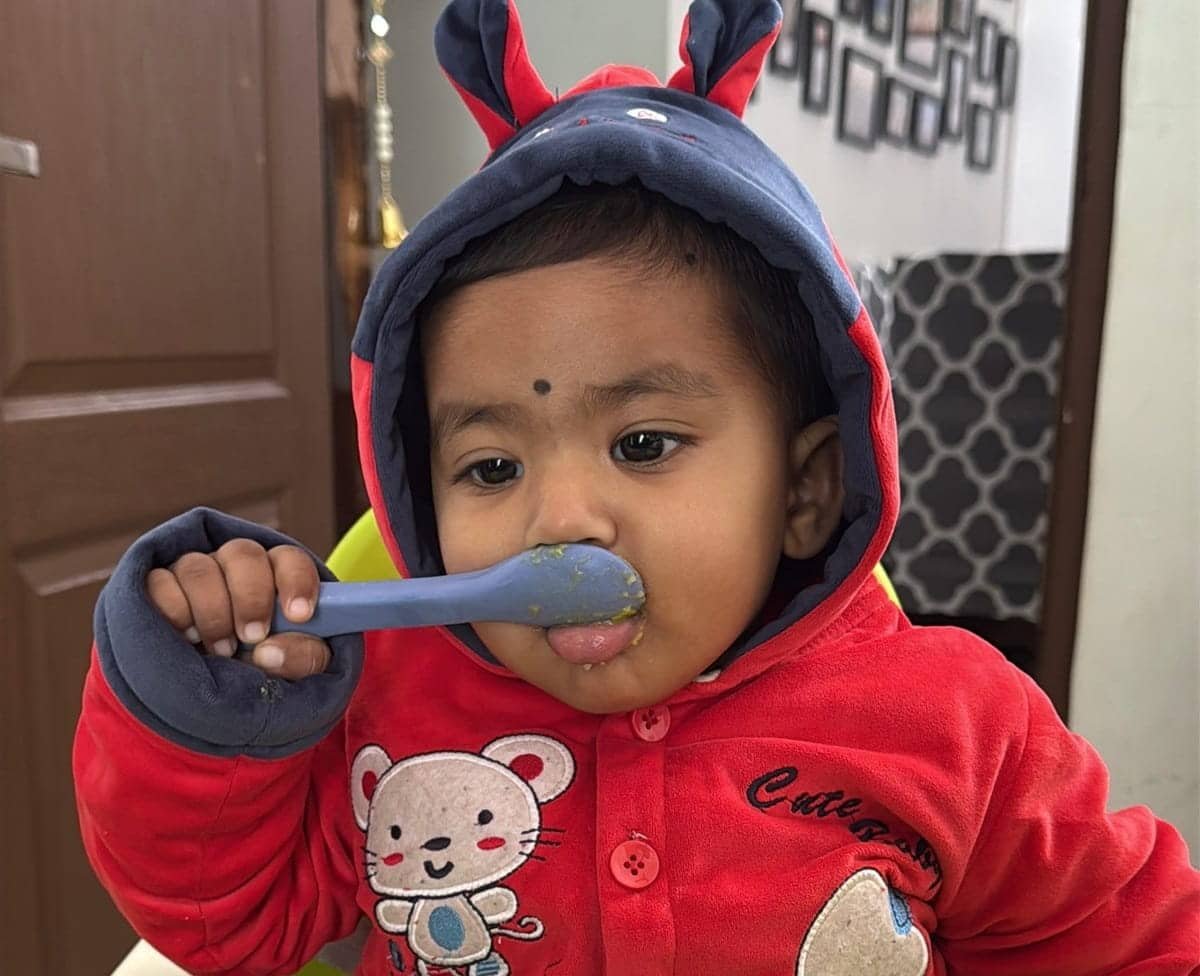

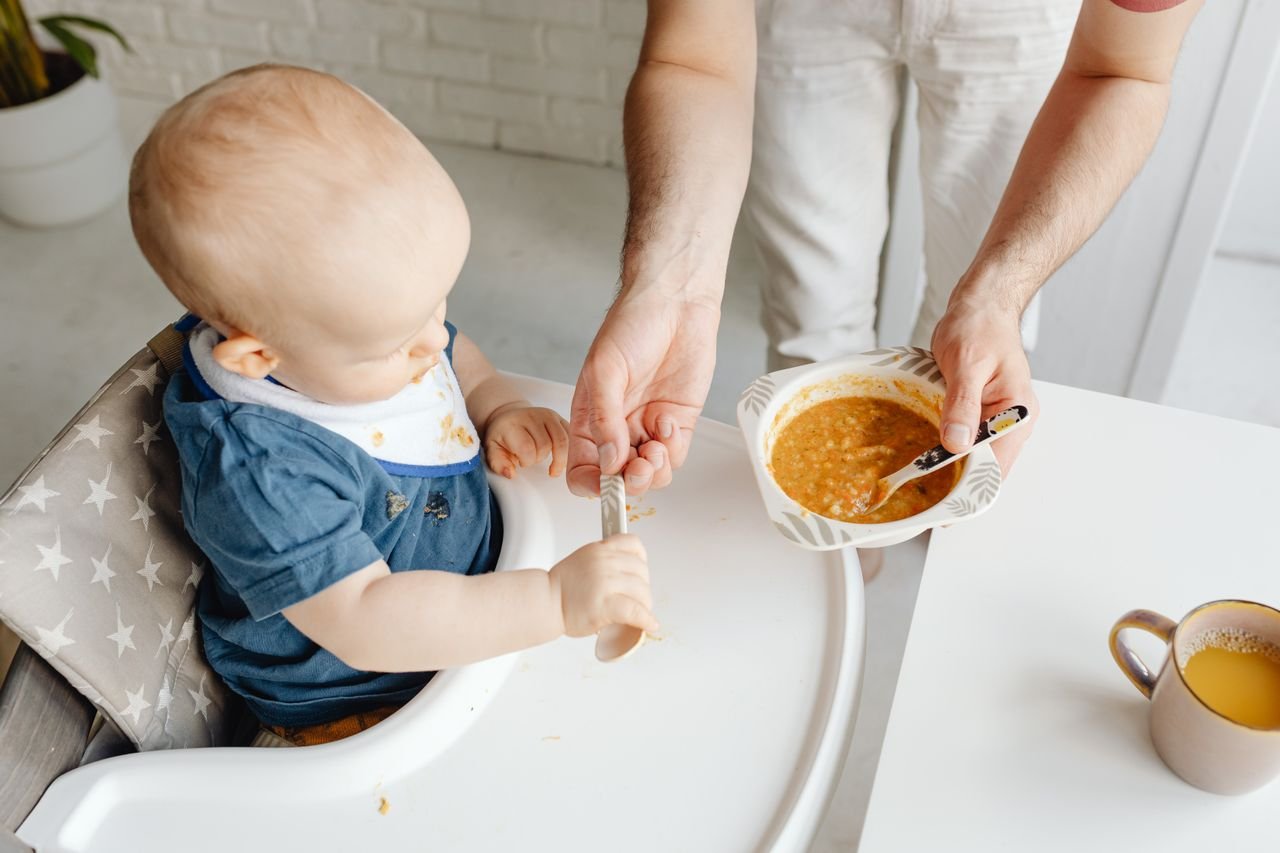
Ragi is a popular ingredient in Indian baby food and an easy grain to include in homemade meals once your baby is ready for complementary foods. Also known as finger millet or nachni, ragi can be prepared as a smooth porridge, combined with fruits and vegetables, or used in soft meals and finger foods for older babies.
If you are looking for ragi recipes for babies, this guide covers simple homemade options for babies from around 6 months onward, with recipes that can be adjusted for your baby’s age and texture skills.
When Can Babies Eat Ragi?
Most babies can start complementary foods at around 6 months, when they show signs of developmental readiness. These include being able to sit with good head control, coordinate their hands and mouth, and swallow food rather than pushing it back out.
So, can a 6-month-old baby eat ragi? Yes, ragi can be introduced as one of the foods in a varied complementary diet when your baby is ready for solids.
For a ragi recipe for a 6-month-old baby, begin with a smooth, well-cooked consistency such as thin ragi porridge. As your baby becomes more comfortable with eating, gradually move from smooth textures to mashed, lumpy and soft finger foods according to their developmental ability.
Breast milk or first infant formula should continue to be an important source of nutrition during the first year while complementary foods are introduced.
10 Easy Ragi Recipes for Babies
These ragi baby food recipes are simple enough for everyday home cooking. For younger babies, adjust the consistency to make the food smooth and easy to swallow. For older babies, gradually offer thicker textures and appropriately soft finger foods.
1. Basic Ragi Porridge for Baby
Suitable from: Around 6 months, when baby is ready for complementary foods
Ingredients:
- 1–2 teaspoons ragi flour
- ½–1 cup water
- Breast milk or infant formula, if appropriate for your baby’s usual feeding routine
Method:
- Mix ragi flour with a little cool water to make a lump-free paste.
- Add the remaining water.
- Cook on low to medium heat, stirring continuously.
- Cook thoroughly until the mixture becomes smooth.
- Allow it to cool before serving.
This is one of the easiest ways to learn how to make ragi porridge for a baby. For a ragi porridge for a 6-month-old baby, keep the consistency thin and smooth initially.
Do not add sugar or salt to baby food. Babies do not need added sugar or salt in their meals.
2. Apple Ragi Porridge
Ingredients:
- 1–2 teaspoons ragi flour
- ½ small apple
- Water
Method:
- Peel and cook the apple until soft.
- Mash or puree it according to your baby’s texture level.
- Prepare ragi porridge separately.
- Mix the cooked apple into the ragi.
- Cool before serving.
This apple ragi porridge is an easy way to introduce fruit into homemade ragi baby food.
3. Banana Ragi Porridge
Ingredients:
- 1–2 teaspoons ragi flour
- ½ ripe banana
- Water
Method:
- Prepare plain ragi porridge by cooking the ragi flour thoroughly.
- Mash the ripe banana until smooth.
- Mix the banana into the cooled or warm-not-hot porridge.
- Adjust the consistency with water if needed.
Banana can provide natural sweetness, so there is no need to add sugar. This is a useful option if you are specifically searching for ragi recipes for babies without sugar.
4. Ragi and Sweet Potato Porridge
Ingredients:
- 1–2 teaspoons ragi flour
- A small piece of sweet potato
- Water
Method:
- Steam or boil the sweet potato until completely soft.
- Mash it thoroughly.
- Cook the ragi flour with water.
- Combine the mashed sweet potato with the cooked ragi.
- Adjust the consistency according to your baby’s stage.
This combination can work well for babies who have already tried both ingredients separately.
5. Ragi and Moong Dal Porridge
Ingredients:
- 1 teaspoon ragi flour
- 1–2 teaspoons cooked moong dal
- Water
Method:
- Cook moong dal until very soft.
- Prepare ragi porridge separately.
- Mash the dal until smooth or leave a suitable soft texture for an older baby.
- Combine with the ragi and cook briefly.
- Cool before serving.
Adding pulses such as moong dal helps make the meal more varied. Protein foods such as beans and pulses can be introduced from around 6 months as part of complementary feeding.
6. Ragi Khichdi for Babies
Ingredients:
- 1 teaspoon ragi flour
- 1–2 teaspoons moong dal
- A small amount of soft-cooked vegetable
- Water
Method:
- Cook the moong dal and vegetable until very soft.
- Add ragi flour mixed with water.
- Cook thoroughly while stirring.
- Mash to an age-appropriate consistency.
- Allow it to cool before serving.
Ragi khichdi for babies is a useful savory alternative when you want to move beyond sweet porridge.
7. Ragi and Vegetable Porridge
You can make a simple vegetable ragi porridge using vegetables such as carrot, pumpkin or sweet potato.
Method:
- Cook the vegetable until soft.
- Mash or puree it.
- Prepare ragi porridge separately.
- Mix the two together.
- Adjust the texture according to your baby’s developmental stage.
Introducing different vegetables and flavors can help babies become familiar with a wider variety of foods.
8. Soft Ragi Pancakes for Older Babies
Suitable for: Older babies who are developmentally ready for finger foods
Ingredients:
- Ragi flour
- Mashed banana
- Water as needed
Method:
- Mix the ragi flour with mashed banana and enough water to create a soft batter.
- Make very small pancakes on a lightly heated pan.
- Cook thoroughly.
- Allow them to cool.
- Cut or tear into soft, baby-appropriate pieces.
These should be soft enough to break apart easily and offered only when your baby is developmentally ready for finger foods. Always supervise your baby while eating.
9. Ragi Oats Porridge
Ingredients:
- 1 teaspoon ragi flour
- 1 teaspoon finely ground oats
- Water
- Optional age-appropriate fruit such as banana or cooked apple
Method:
- Combine ragi and oats with water.
- Cook thoroughly until soft and smooth.
- Add mashed fruit if desired.
- Cool before serving.
This is another easy option when you want to rotate grains instead of relying on the same recipe every day.
10. Homemade Ragi Cerelac or Ragi Baby Cereal
Homemade ragi cereal for babies can be prepared using properly cleaned and finely ground ragi flour.
For a simple version, mix ragi flour with water and cook thoroughly until smooth. You can later combine the cooked cereal with suitable fruits or vegetables that your baby has already tried.
Some parents also use roasted or sprouted ragi powder when making homemade ragi baby food. However, the important point is to prepare the flour safely and cook it thoroughly rather than assuming that one preparation method is automatically better for every baby.
How to Prepare Ragi Flour for Baby Food
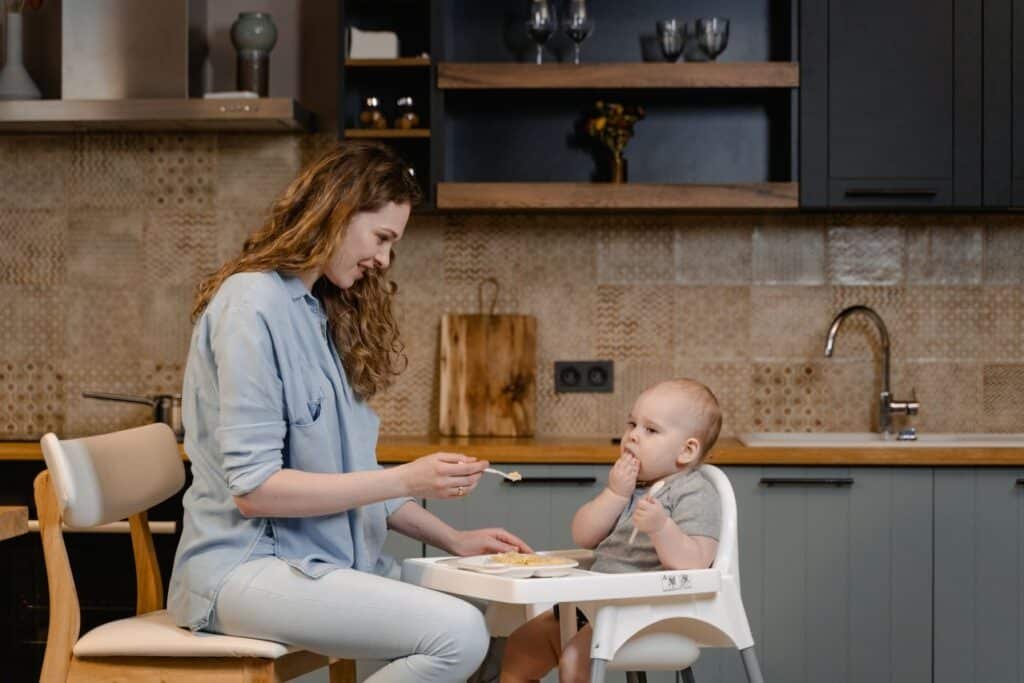
You can use commercially prepared ragi flour for babies or make ragi powder at home from whole ragi.
If preparing it yourself:
- Clean and inspect the ragi.
- Wash it thoroughly.
- Dry it completely.
- Roast if your chosen preparation method calls for it.
- Grind it into a fine powder.
- Store it in a clean, dry, airtight container.
Some families prefer sprouted ragi, commonly used to make sprouted ragi for babies or homemade ragi malt. If using ragi malt powder, avoid products or recipes that add unnecessary sugar.
Always cook ragi flour properly before serving it to your baby.
How to Introduce Ragi to Your Baby
If you are wondering how to introduce ragi to a baby, start simple.
- Offer a small portion of plain, well-cooked ragi porridge.
- Introduce new ingredients gradually so you can identify any reaction.
- Once your baby is comfortable with plain ragi, try combinations such as banana ragi, apple ragi or vegetable ragi.
- Follow your baby’s hunger and fullness cues.
- Gradually progress the texture as your baby’s eating skills develop.
Foods that can cause allergic reactions can generally be introduced from around 6 months, one at a time and in small amounts, so that a reaction is easier to identify.
If your baby has a known allergy, feeding difficulty, poor growth or another medical concern, discuss their diet with their pediatrician.
Can Babies Eat Ragi Every Day?
Can babies eat ragi every day? Ragi can be part of a baby’s regular diet, but it does not need to be the only grain or staple food.
A varied complementary diet is preferable. Rotate ragi with other suitable grains and include different vegetables, fruits, pulses and age-appropriate protein foods. This helps expose your baby to different flavors, textures and nutrients.
Rather than focusing on whether ragi should be eaten every day, focus on overall dietary variety and your baby’s developmental stage.
What Can You Mix With Ragi for Babies?

There are many ways to create simple ragi recipes for babies 6–12 months.
Fruits:
- Banana
- Apple
- Pear
Vegetables:
- Carrot
- Pumpkin
- Sweet potato
- Other well-cooked vegetables
Pulses:
- Moong dal
- Other suitable beans and pulses
Other grains:
- Oats
- Rice
As your baby grows, ragi can be incorporated into porridge, savory meals and soft finger foods.
If using dairy, plain pasteurized full-fat yogurt can be offered from around 6 months, while cow’s milk should not replace breast milk or infant formula as the main drink before 12 months.
Ingredients to Avoid in Ragi Baby Recipes
When preparing ragi recipes for babies without sugar, there is usually no need to compensate with another sweetener.
Avoid:
- Added sugar
- Excess salt
- Honey before 12 months
- Whole nuts
- Hard pieces of raw fruit or vegetables
- Other foods with choking risks
Honey should not be given to babies under 12 months because of the risk of infant botulism.
Whole nuts are also a choking hazard for young children; if nuts are introduced, they should be prepared in an age-appropriate form such as finely ground or smooth nut butter rather than served whole.
Ragi Baby Food Safety Tips
When preparing homemade ragi baby food, remember these simple safety practices:
- Wash your hands and use clean utensils.
- Cook ragi thoroughly.
- Make the texture appropriate for your baby’s developmental stage.
- Allow hot food to cool before serving.
- Keep your baby sitting upright and safely secured while eating.
- Always supervise your baby during meals.
- Avoid hard, round or poorly prepared foods that may increase choking risk.
As babies develop, gradually progress from smooth foods to mashed, lumpy and soft finger-food textures rather than keeping them on completely smooth foods for too long.
Frequently Asked Questions About Ragi for Babies
Is ragi good for babies?
Ragi can be included as part of a varied complementary diet once a baby is ready for solid foods, generally around 6 months. It can be prepared in different ways, including porridge, savory meals and soft finger foods. The key is to offer an age-appropriate texture and a variety of other foods alongside it.
Can I give ragi to my 6-month-old baby?
Yes. A 6-month-old baby can eat ragi when they are developmentally ready for complementary foods. Start with a simple, thoroughly cooked ragi preparation such as smooth porridge and gradually introduce different textures as your baby’s skills develop.
How do I make ragi porridge for a 6-month-old baby?
To make ragi porridge for a 6-month-old baby, mix a small amount of ragi flour with water to create a smooth paste, add more water and cook thoroughly while stirring. Start with a thin consistency and adjust it as your baby becomes more comfortable with solids.
Can babies eat ragi every day?
Ragi can be included regularly, but babies should be offered a varied diet rather than relying on one grain every day. Rotate ragi with other suitable grains and offer different fruits, vegetables, pulses and age-appropriate protein foods.
Is ragi easy to digest for babies?
Babies can respond differently to foods. Thoroughly cooking ragi and starting with a small, smooth portion can make it easier to introduce. If your baby develops persistent digestive symptoms or another concerning reaction after eating ragi, consult your pediatrician.
Can I give ragi at night to my baby?
There is no general requirement that ragi must be given at a particular time of day. You can offer an appropriate ragi recipe as part of your baby’s meal routine if they tolerate it well. Choose the meal timing that works for your baby’s usual feeding schedule.
Can I make ragi baby food without sugar?
Yes. In fact, ragi recipes for babies without sugar are easy to make. Banana, cooked apple, pear or sweet potato can add natural sweetness, while savory recipes can combine ragi with vegetables or moong dal. Babies do not need added sugar in their food.
What can I mix with ragi for my baby?
You can mix ragi with suitable foods such as banana, apple, pear, carrot, pumpkin, sweet potato, moong dal or oats. Introduce individual ingredients appropriately and adjust the texture according to your baby’s age and feeding skills.
Is ragi good for baby weight gain?
Ragi can be one component of a nutritious complementary diet, but no single food should be relied upon specifically for baby weight gain. Healthy growth depends on overall nutrition, milk intake, complementary foods and individual factors. If you are concerned about your baby’s weight or growth, speak with your pediatrician.
Which ragi is best for babies?
There is no single ragi variety that is universally “best” for every baby. Choose clean, good-quality ragi or a reputable ragi flour intended for food preparation, and store it properly. Whether you use whole ragi, ragi flour or sprouted ragi depends on your preparation preference.
Final Takeaway
Ragi is a versatile ingredient that can make a useful addition to homemade baby food after your baby is ready for complementary foods. Start with simple ragi porridge for babies, then gradually explore banana ragi, apple ragi, vegetable ragi, ragi khichdi and other age-appropriate recipes.
The goal is not to serve ragi in every meal but to include it as part of a varied, balanced and developmentally appropriate diet. Keep recipes simple, avoid added sugar and salt, use safe textures, and always supervise your baby while eating.