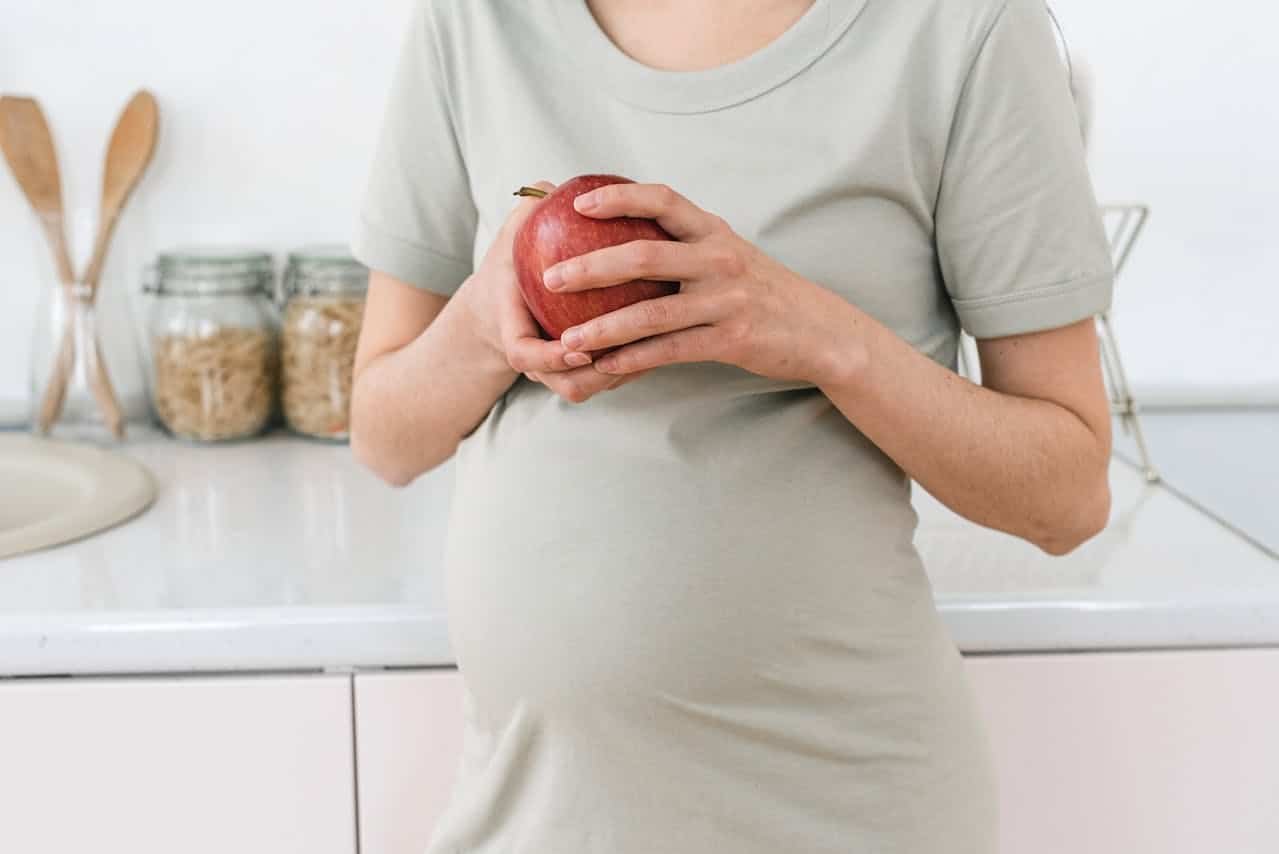


Eating a balanced and nutritious diet is one of the most important ways to support a healthy pregnancy. Among all food groups, fruits to eat during pregnancy deserve special attention because they provide essential vitamins, minerals, fiber, antioxidants, and hydration that benefit both the mother and the growing baby. Whether you are in your first trimester dealing with morning sickness or in your third trimester preparing for delivery, choosing the best fruits during pregnancy can help meet your changing nutritional needs.
A well-planned pregnancy fruits list can contribute to healthy fetal development, improve digestion, strengthen immunity, reduce constipation, support iron absorption, and provide natural energy. Fruits are also an excellent source of folate, vitamin C, potassium, and dietary fiber, making them an important part of a balanced pregnancy diet.
Many expecting mothers often wonder:
- Which fruits are good during pregnancy?
- How many fruits should pregnant women eat every day?
- Are there any fruits to avoid during pregnancy?
- Which fruits help baby brain development and healthy fetal growth?
This comprehensive guide answers all these questions with evidence-based information and practical tips, especially for Indian families. You’ll discover the best fruits for pregnant women, learn which fruits are ideal during each trimester, understand how to include them safely in your daily meals, and clear up common myths surrounding fruits like papaya, pineapple, grapes, and mango.
Quick Answer: Most healthy pregnant women should aim for 2–4 servings of whole fruits daily as part of a balanced diet. A variety of seasonal fruits provides different nutrients that support both maternal health and baby growth.
Note: Every pregnancy is unique. If you have gestational diabetes, food allergies, kidney disease, or any medical condition, consult your obstetrician or a registered dietitian before making significant dietary changes.
Why Fruits Are Essential During Pregnancy
Fruits are nature’s nutrient-rich foods that offer a wide range of health benefits during pregnancy. Unlike processed snacks, whole fruits provide natural sugars along with fiber, vitamins, minerals, and antioxidants, making them a healthier choice for satisfying cravings.
Including a variety of healthy fruits for pregnant women every day helps support fetal growth while improving the mother’s overall health. Different fruits contribute unique nutrients, which is why eating a colorful variety is better than relying on a single favorite fruit.
Nutrients Found in Fruits
Here are some of the most important nutrients found in the best fruits during pregnancy and why they matter.
| Nutrient | Why It Matters During Pregnancy | Best Fruit Sources |
|---|---|---|
| Folate (Vitamin B9) | Supports neural tube development and reduces birth defect risk | Orange, Guava, Avocado |
| Vitamin C | Improves immunity and iron absorption | Kiwi, Orange, Guava, Strawberry |
| Potassium | Helps regulate blood pressure and muscle function | Banana, Coconut Water, Avocado |
| Fiber | Prevents constipation and supports digestion | Apple, Pear, Guava |
| Antioxidants | Protect cells from oxidative stress | Berries, Pomegranate |
| Vitamin A (Natural Beta-Carotene) | Supports baby’s eye and immune development | Mango, Apricot |
| Water | Helps maintain hydration and amniotic fluid | Watermelon, Muskmelon |
Benefits of Eating Fruits During Pregnancy
Choosing the right fruits good for pregnancy offers several health benefits for both mother and baby.
Supports Healthy Fetal Growth
The vitamins, minerals, and antioxidants found in fruits play a vital role in the development of the baby’s brain, bones, immune system, and organs. Nutrients like folate, vitamin C, and potassium contribute to healthy fetal growth throughout all three trimesters.
Helps Baby’s Brain Development
Some fruits for baby brain development, including avocado, blueberries, oranges, bananas, and kiwi, contain nutrients that support neurological development during pregnancy.
Boosts Immunity
Pregnancy naturally changes the immune system. Vitamin C-rich fruits such as oranges, guava, kiwi, and strawberries help strengthen the body’s natural defenses against infections.
Reduces Constipation
Constipation is one of the most common pregnancy complaints due to hormonal changes and iron supplements. Fiber-rich fruits like apples, pears, guava, figs, and prunes improve bowel movements naturally.
Improves Iron Absorption
Iron is essential for preventing anemia during pregnancy. Pairing iron-rich meals with vitamin C-rich fruits enhances iron absorption.
Examples include:
- Orange with spinach
- Kiwi after lentil meals
- Guava with chickpeas
These combinations are especially beneficial for women looking for fruits to increase hemoglobin during pregnancy.
Keeps You Hydrated
Hydration becomes increasingly important as pregnancy progresses. Fruits with high water content help maintain fluid balance.
Excellent hydrating fruits include:
- Watermelon
- Muskmelon
- Sweet lime
- Oranges
- Coconut water (technically from a fruit)
Supports Healthy Weight Gain
Healthy pregnancy weight gain should come from nutrient-dense foods rather than empty calories. Fruits provide natural carbohydrates, vitamins, and fiber without excessive unhealthy fats.
Some best fruits for baby weight gain during pregnancy include:
- Banana
- Mango
- Sapota (Chikoo)
- Avocado
- Dates (in moderation)
Helps Reduce Morning Sickness
Many women in early pregnancy experience nausea and vomiting. Citrus fruits, bananas, apples, and watermelon are often easier to tolerate and may help reduce morning sickness.
Provides Natural Energy
Instead of sugary snacks, fruits offer natural carbohydrates along with fiber, preventing sudden blood sugar spikes while providing sustained energy throughout the day.
Supports Healthy Skin
Vitamin C and antioxidants help maintain collagen production, supporting healthy skin for both mother and baby.
Improves Digestion
Fiber, enzymes, and water in fruits contribute to a healthy digestive system, reducing bloating and promoting regular bowel movements.
Key Takeaway: No single fruit contains every nutrient needed during pregnancy. Eating a variety of colorful fruits every day is the best way to meet your nutritional needs.
How Many Fruits Should Pregnant Women Eat Daily?
One of the most common questions expecting mothers ask is, “How many fruits should pregnant women eat every day?” The answer depends on your overall diet, activity level, and any medical conditions, but most health experts recommend consuming 2–4 servings of whole fruits daily.
A serving generally equals:
- 1 medium apple
- 1 medium banana
- 1 orange
- 1 cup diced watermelon
- 1 cup berries
- ½ large mango
- 2 small kiwis
Eating different fruits throughout the day provides a wider variety of nutrients than eating the same fruit repeatedly.
Whole Fruits vs Fruit Juice
Whole fruits are almost always the healthier option.
| Whole Fruits | Fruit Juice |
|---|---|
| High in fiber | Low in fiber |
| Keeps you full longer | May cause rapid blood sugar spikes |
| Supports digestion | Often contains concentrated sugar |
| Better for weight management | Easier to overconsume calories |
Whenever possible, choose fresh, whole fruits over packaged fruit juices.
Best Time to Eat Fruits During Pregnancy
Although fruits can be enjoyed at any time, many women find these timings helpful:
| Time | Recommended Fruits |
|---|---|
| Morning | Banana, Apple |
| Mid-Morning Snack | Orange, Guava |
| Afternoon | Watermelon, Muskmelon |
| Evening Snack | Pear, Kiwi |
| Before Workout or Walk | Banana |
| Dessert | Mixed Fruit Bowl |
Can Fruits Replace Meals?
No. Fruits are nutritious, but they should complement—not replace—a balanced meal. A healthy pregnancy diet should also include:
- Whole grains
- Lean proteins
- Dairy or fortified alternatives
- Healthy fats
- Vegetables
- Pulses and legumes
For better blood sugar control, pair fruits with protein or healthy fats. For example:
- Apple with peanut butter
- Banana with yogurt
- Guava with roasted chana
- Pear with a handful of nuts
This combination helps you stay fuller for longer and supports stable energy levels.
Daily Tips for Eating Fruits Safely
- Wash fruits thoroughly under running water.
- Peel fruits when appropriate.
- Avoid pre-cut fruits sold by roadside vendors.
- Refrigerate cut fruits promptly.
- Eat seasonal fruits whenever possible.
- Avoid spoiled or bruised fruits.
Quick Tip: If you have gestational diabetes, you don’t necessarily need to avoid fruits. Instead, choose lower glycemic fruits, control portion sizes, and follow your healthcare provider’s dietary recommendations.
Top 25 Best Fruits to Eat During Pregnancy

The following fruits are among the best fruits to eat during pregnancy because they provide essential nutrients that support maternal health, fetal growth, digestion, immunity, hydration, and healthy pregnancy weight gain.
Apples
Apples are among the safest and most nutritious fruits to include in a pregnancy fruits list. Rich in fiber, vitamin C, and antioxidants, apples support healthy digestion while helping prevent constipation—a common issue during pregnancy.
Nutritional Highlights
- Dietary fiber
- Vitamin C
- Potassium
- Natural antioxidants
Benefits During Pregnancy
- Helps improve digestion.
- Supports healthy gut bacteria.
- Reduces constipation.
- Provides long-lasting energy.
- May contribute to baby’s immune development.
Best Trimester
Suitable during all three trimesters.
Recommended Serving
One medium apple daily or every other day as part of a varied fruit intake.
Bananas
Bananas are one of the best fruits for pregnant women because they are easy to digest and packed with potassium, vitamin B6, and natural carbohydrates. They are particularly helpful during the first trimester when nausea and morning sickness are common.
Nutritional Highlights
- Potassium
- Vitamin B6
- Magnesium
- Fiber
- Natural carbohydrates
Benefits During Pregnancy
- Helps reduce morning sickness.
- Supports muscle function.
- May reduce leg cramps.
- Provides quick energy.
- Supports healthy digestion.
Best Trimester
Especially beneficial during the first trimester but safe throughout pregnancy.
Recommended Serving
One medium banana per day.
Oranges
Oranges are one of the best vitamin C fruits during pregnancy. They help improve immunity, enhance iron absorption, and support collagen production, which is important for healthy skin, blood vessels, and tissue development.
Nutritional Highlights
- Vitamin C
- Folate
- Fiber
- Potassium
Benefits During Pregnancy
- Strengthens immunity.
- Helps increase iron absorption.
- Supports baby’s tissue development.
- Promotes hydration due to high water content.
- May help reduce fatigue.
Best Trimester
Ideal throughout pregnancy, especially during the first and second trimesters.
Recommended Serving
One medium orange daily or a bowl of orange segments as a healthy snack.
Sweet Lime (Mosambi)
Sweet lime, commonly known as mosambi, is a refreshing citrus fruit that is rich in vitamin C and water. It is one of the healthy fruits for pregnant women, especially during hot weather, as it helps prevent dehydration and supports immunity.
Nutritional Highlights
- Vitamin C
- Potassium
- Calcium (small amounts)
- Natural antioxidants
- Water
Benefits During Pregnancy
- Supports a healthy immune system.
- Helps improve iron absorption.
- Keeps the body hydrated.
- May reduce fatigue and weakness.
- Gentle on the stomach during nausea.
Best Trimester
Suitable during all trimesters.
Recommended Serving
One medium sweet lime or one glass of freshly squeezed (unsweetened) juice occasionally.
Guava
Guava is considered one of the best fruits during pregnancy because it contains more vitamin C than many citrus fruits. It also provides dietary fiber, folate, and antioxidants that support both mother and baby.
Nutritional Highlights
- Vitamin C
- Folate
- Fiber
- Potassium
Benefits During Pregnancy
- Boosts immunity.
- Helps prevent constipation.
- Supports fetal brain and spinal cord development.
- Aids iron absorption.
- Helps maintain digestive health.
Best Trimester
Excellent throughout pregnancy.
Recommended Serving
One medium guava daily.
Mango
Often called the “King of Fruits,” mango is packed with vitamins A and C, making it one of the best fruits for baby weight gain during pregnancy when consumed in moderation.
Nutritional Highlights
- Vitamin A (Beta-carotene)
- Vitamin C
- Fiber
- Folate
Benefits During Pregnancy
- Supports baby’s eye development.
- Promotes healthy skin.
- Provides natural energy.
- Helps strengthen immunity.
- Supports fetal growth.
Best Trimester
Second and third trimesters.
Recommended Serving
½–1 cup of fresh mango slices.
Expert Tip: Fresh mango is a healthy choice. Avoid mango-flavored drinks or desserts with added sugar.
Pomegranate
Pomegranate is widely recommended among fruits to increase hemoglobin during pregnancy because it contains vitamin C, antioxidants, and nutrients that support healthy blood formation.
Nutritional Highlights
- Vitamin C
- Potassium
- Fiber
- Polyphenol antioxidants
Benefits During Pregnancy
- Supports healthy blood circulation.
- Helps improve iron absorption.
- Rich in antioxidants that protect cells.
- Supports healthy fetal growth.
- Provides hydration.
Best Trimester
All three trimesters.
Recommended Serving
One small bowl of seeds or freshly extracted juice without added sugar.
Avocado
Avocado is one of the most nutrient-dense fruits for baby brain development. It contains healthy monounsaturated fats, folate, potassium, and fiber.
Nutritional Highlights
- Healthy fats
- Folate
- Potassium
- Vitamin E
- Fiber
Benefits During Pregnancy
- Supports baby’s brain development.
- Helps healthy nervous system development.
- Promotes heart health.
- Helps maintain energy.
- Supports healthy weight gain.
Best Trimester
Excellent throughout pregnancy.
Recommended Serving
Half an avocado several times per week.
Kiwi
Kiwi is an excellent source of vitamin C, vitamin K, folate, and fiber. It is among the best fruits to boost immunity during pregnancy.
Nutritional Highlights
- Vitamin C
- Folate
- Vitamin K
- Fiber
Benefits During Pregnancy
- Improves immunity.
- Supports iron absorption.
- Promotes healthy digestion.
- Helps reduce constipation.
- Supports fetal growth.
Best Trimester
First and second trimesters.
Recommended Serving
One to two kiwis daily.
Pear
Pears are gentle on the digestive system and provide soluble fiber, making them one of the best fruits for constipation during pregnancy.
Nutritional Highlights
- Fiber
- Vitamin C
- Potassium
- Copper
Benefits During Pregnancy
- Prevents constipation.
- Keeps you full longer.
- Supports digestive health.
- Helps maintain hydration.
Best Trimester
Suitable throughout pregnancy.
Recommended Serving
One medium pear daily.
Watermelon
Watermelon is among the best fruits for pregnancy in India, especially during the summer months. Its high water content helps prevent dehydration.
Nutritional Highlights
- Water
- Vitamin A
- Vitamin C
- Lycopene
- Potassium
Benefits During Pregnancy
- Prevents dehydration.
- Helps reduce swelling.
- Supports healthy skin.
- Provides natural cooling.
- May help reduce heartburn.
Best Trimester
Second and third trimesters.
Recommended Serving
One cup of fresh watermelon cubes.
Muskmelon
Muskmelon provides hydration, beta-carotene, and vitamin C while being naturally refreshing.
Nutritional Highlights
- Vitamin A
- Vitamin C
- Potassium
- Water
Benefits During Pregnancy
- Supports immunity.
- Keeps the body hydrated.
- Helps fetal eye development.
- Promotes healthy digestion.
Best Trimester
All trimesters.
Recommended Serving
One cup of fresh muskmelon.
Papaya (Ripe vs Unripe)
One of the most common questions is, “Can pregnant women eat papaya?”
Ripe Papaya
Fully ripe papaya is generally considered safe in moderate amounts. It contains vitamin C, vitamin A, and fiber.
Benefits
- Supports digestion.
- Helps relieve constipation.
- Rich in antioxidants.
Unripe Papaya
Unripe or semi-ripe papaya contains higher amounts of latex, which may stimulate uterine contractions. Therefore, it is generally recommended to avoid unripe papaya during pregnancy, particularly in the early months.
Quick Answer: Ripe papaya can usually be enjoyed in moderation, while unripe papaya should be avoided during pregnancy. Always follow your healthcare provider’s advice.
Pineapple
Another frequently asked question is, “Can pregnant women eat pineapple?”
Current evidence suggests that moderate consumption of fresh pineapple is generally safe during pregnancy. The concern arises from bromelain supplements or consuming unusually large quantities, not from normal dietary intake.
Nutritional Highlights
- Vitamin C
- Manganese
- Fiber
Benefits
- Supports immunity.
- Helps digestion.
- Provides antioxidants.
Recommended Serving
Small portions of fresh pineapple occasionally.
Grapes
Many mothers ask, “Can pregnant women eat grapes?”
Fresh grapes are rich in antioxidants, vitamin K, and hydration. They can be included as part of a balanced pregnancy diet unless your doctor advises otherwise.
Benefits
- Rich in antioxidants.
- Supports immunity.
- Helps hydration.
- Provides natural energy.
Recommended Serving
One small bowl.
Berries
Blueberries, strawberries, raspberries, and blackberries are among the best fruits for baby brain development because they contain powerful antioxidants.
Benefits
- Rich in antioxidants.
- Supports fetal brain development.
- Boosts immunity.
- High in vitamin C.
- Supports healthy skin.
Chikoo (Sapota)
Sapota is an energy-rich fruit containing natural sugars, fiber, and minerals.
Benefits
- Provides sustained energy.
- Supports healthy weight gain.
- Helps digestion.
- Rich in antioxidants.
Best Trimester
Second and third trimesters.
Custard Apple (Sitaphal)
Custard apple is rich in vitamin C, magnesium, and natural carbohydrates.
Benefits
- Supports fetal growth.
- Helps improve energy.
- Supports immunity.
- Provides dietary fiber.
Coconut
Tender coconut water is a refreshing natural drink obtained from young coconuts and is widely consumed during pregnancy for hydration.
Benefits
- Excellent hydration.
- Natural electrolytes.
- Helps maintain fluid balance.
- May reduce fatigue.
Dates
Dates are among the best fruits for baby weight gain during pregnancy because they provide natural energy, fiber, potassium, and antioxidants.
Benefits
- Supports healthy energy levels.
- Rich in fiber.
- May help with bowel regularity.
- Provides essential minerals.
Best Trimester
Especially beneficial during the third trimester in moderation.
Figs (Anjeer)
Fresh figs contain calcium, potassium, and fiber.
Benefits
- Supports bone health.
- Improves digestion.
- Helps prevent constipation.
- Provides antioxidants.
Apricots
Apricots are naturally rich in beta-carotene, vitamin C, and fiber.
Benefits
- Supports baby’s eye development.
- Helps maintain healthy skin.
- Promotes immunity.
- Supports digestive health.
Plums
Plums are fiber-rich fruits that help improve bowel movements.
Benefits
- Relieves constipation.
- Rich in antioxidants.
- Supports healthy digestion.
- Provides vitamin C.
Peaches
Peaches are hydrating fruits rich in vitamin C and potassium.
Benefits
- Keeps you hydrated.
- Supports immunity.
- Helps digestion.
- Provides antioxidants.
Dragon Fruit
Dragon fruit has become increasingly popular as one of the healthiest fruits for pregnant women due to its fiber, vitamin C, magnesium, and antioxidants.
Benefits
- Improves digestion.
- Supports immunity.
- Helps regulate blood sugar when eaten in moderation.
- Provides hydration.
- Rich in antioxidants.
Quick Comparison: Best Fruits During Pregnancy
| Fruit | Key Nutrients | Main Benefits | Best Trimester |
|---|---|---|---|
| Apple | Fiber, Vitamin C | Digestion, immunity | All |
| Banana | Potassium, B6 | Morning sickness, energy | All |
| Orange | Vitamin C, Folate | Iron absorption, immunity | All |
| Guava | Vitamin C, Fiber | Digestion, immunity | All |
| Mango | Vitamin A, Vitamin C | Baby growth, immunity | 2nd & 3rd |
| Pomegranate | Antioxidants | Blood health | All |
| Avocado | Healthy fats, Folate | Baby brain development | All |
| Kiwi | Vitamin C, Fiber | Immunity, digestion | 1st & 2nd |
| Watermelon | Water, Vitamin A | Hydration | 2nd & 3rd |
| Dates | Fiber, Potassium | Energy, healthy weight gain | 3rd |
Best Fruits During First Trimester
The first trimester (weeks 1–12) is a crucial stage of pregnancy because your baby’s brain, spinal cord, heart, and major organs begin to develop. During this period, many women experience morning sickness, nausea, food aversions, fatigue, and hormonal changes. Choosing the best fruits during first trimester can help provide essential nutrients while being gentle on the digestive system.
Nutritional Focus During the First Trimester
Your diet should emphasize:
- Folate for neural tube development
- Vitamin C for immunity and iron absorption
- Vitamin B6 to help reduce nausea
- Potassium for muscle function
- Fiber to prevent constipation
- Hydration
Best Fruits During First Trimester
1. Bananas
Bananas are among the best fruits to reduce nausea during pregnancy because they are easy to digest and rich in vitamin B6.
Benefits
- Helps reduce morning sickness.
- Provides quick energy.
- Supports healthy digestion.
- Helps prevent muscle cramps.
2. Oranges
Oranges provide vitamin C and folate, making them ideal for early pregnancy.
Benefits
- Supports baby’s early development.
- Helps improve iron absorption.
- Strengthens immunity.
- Keeps you hydrated.
3. Guava
Guava is one of the richest natural sources of vitamin C and fiber.
Benefits
- Improves digestion.
- Helps reduce constipation.
- Supports fetal nervous system development.
4. Apples
Apples provide gentle fiber and antioxidants.
Benefits
- Supports gut health.
- Helps reduce constipation.
- Provides sustained energy.
5. Kiwi
Kiwi is rich in folate and vitamin C.
Benefits
- Supports fetal development.
- Boosts immunity.
- Improves digestion.
6. Sweet Lime (Mosambi)
Its refreshing taste often makes it easier to consume during nausea.
Benefits
- Prevents dehydration.
- Provides vitamin C.
- Helps reduce fatigue.
Fruits That May Help Reduce Morning Sickness
If you’re wondering about the best fruits for morning sickness, consider:
- Banana
- Apple
- Orange
- Watermelon
- Sweet lime
- Kiwi
Quick Tip: Eat small portions of fruit several times a day instead of eating large servings at once if nausea is severe.
Best Fruits During Second Trimester

The second trimester (weeks 13–27) is often called the most comfortable phase of pregnancy. Morning sickness usually improves, appetite returns, and the baby’s bones, muscles, and organs grow rapidly. This is an excellent time to focus on fruits for fetal growth and overall nutrition.
Nutritional Focus During the Second Trimester
During this stage, your body needs:
- Calcium
- Iron
- Vitamin C
- Healthy carbohydrates
- Fiber
- Potassium
- Healthy fats
Best Fruits During Second Trimester
Mango
Rich in vitamins A and C, mango supports baby’s eye development and immunity.
Avocado
Healthy fats in avocado support baby’s brain and nervous system development.
Pomegranate
Excellent for supporting healthy blood circulation and iron absorption.
Pear
Provides fiber and hydration while supporting digestive health.
Watermelon
Helps maintain hydration and may reduce swelling during warmer months.
Muskmelon
A hydrating fruit packed with vitamin A and vitamin C.
Coconut Water
Supports hydration and provides natural electrolytes.
Key Takeaway: The best fruits during second trimester are those that support baby’s rapid growth while keeping the mother hydrated and energized.
Best Fruits During Third Trimester
The third trimester (weeks 28–40) is the final stage before delivery. During this time, the baby’s weight increases rapidly, and mothers may experience constipation, swelling, heartburn, and fatigue. Choosing the best fruits during third trimester can help ease these discomforts while supporting healthy fetal growth.
Nutritional Focus During the Third Trimester
Focus on foods rich in:
- Fiber
- Potassium
- Vitamin C
- Water
- Healthy carbohydrates
- Antioxidants
Best Fruits During Third Trimester
Dates
Dates are nutrient-dense and provide natural energy.
Benefits
- Rich in fiber.
- Supports healthy energy levels.
- Provides potassium and antioxidants.
Bananas
Help maintain potassium levels and provide sustained energy.
Apples
Support digestion and bowel regularity.
Kiwi
A fiber-rich fruit that helps reduce constipation.
Pear
Supports healthy digestion.
Coconut Water
Maintains hydration and electrolyte balance.
Watermelon
Helps reduce dehydration and may relieve swelling.
Fruits That May Help During Late Pregnancy
- Dates
- Kiwi
- Apple
- Pear
- Banana
- Watermelon
Expert Tip: Continue eating a variety of whole fruits in the third trimester, but be mindful of portion sizes if you have gestational diabetes. Pair fruits with protein or healthy fats to support stable blood sugar levels.
Best Fruits for Baby Brain Development
Many parents ask which fruits for baby brain development should be included in a pregnancy diet. While no single fruit can guarantee higher intelligence, several fruits provide nutrients that support healthy brain and nervous system development.
1. Avocado
Rich in healthy monounsaturated fats and folate.
Supports:
- Brain development
- Nervous system development
- Healthy cell growth
2. Blueberries
Packed with antioxidants that help protect developing cells.
3. Oranges
Rich in folate and vitamin C, supporting early neurological development.
4. Kiwi
Provides folate and antioxidants essential for fetal growth.
5. Banana
Contains vitamin B6, which plays a role in brain development and neurotransmitter production.
6. Guava
Offers high levels of vitamin C and antioxidants that support overall fetal health.
7. Pomegranate
Contains polyphenols and antioxidants that contribute to healthy blood flow and cellular protection.
Quick Reference Table
| Fruit | Key Nutrient | Brain Development Benefit |
|---|---|---|
| Avocado | Healthy fats | Nervous system development |
| Banana | Vitamin B6 | Brain function support |
| Orange | Folate | Neural tube development |
| Kiwi | Folate | Healthy fetal growth |
| Blueberries | Antioxidants | Cell protection |
| Guava | Vitamin C | Overall development |
| Pomegranate | Antioxidants | Healthy circulation |
Key Takeaway: A combination of folate-rich, antioxidant-rich, and healthy-fat-containing fruits supports healthy fetal brain development better than relying on any single fruit.
Best Fruits for Baby Weight Gain During Pregnancy

Many mothers search for the best fruits for baby weight gain during pregnancy. It’s important to remember that healthy fetal growth depends on your overall balanced diet, genetics, placental health, and medical factors—not on one specific food. However, some nutrient-dense fruits can contribute valuable calories, vitamins, and minerals.
Recommended Fruits
Mango
Provides natural carbohydrates and vitamins A and C.
Banana
Offers potassium, carbohydrates, and vitamin B6.
Avocado
Rich in healthy fats that support fetal growth.
Dates
Provide natural sugars, fiber, and minerals.
Chikoo (Sapota)
Contains natural carbohydrates and dietary fiber.
Custard Apple
Energy-rich and nutrient-dense.
Sample Nutrient Table
| Fruit | Main Nutrients | Why It Helps |
|---|---|---|
| Banana | Carbohydrates | Natural energy |
| Mango | Vitamin A, C | Growth and immunity |
| Avocado | Healthy fats | Healthy fetal development |
| Dates | Fiber, Potassium | Energy and minerals |
| Chikoo | Natural sugars | Additional calories |
| Custard Apple | Vitamins, Fiber | Nutrient-rich snack |
Important: If your healthcare provider is concerned about your baby’s growth, follow their personalized dietary advice rather than relying solely on specific fruits.
Fruits That Help Relieve Common Pregnancy Problems
One of the biggest advantages of eating healthy fruits for pregnant women is that different fruits can naturally help relieve many common pregnancy discomforts.
Fruits for Morning Sickness
Morning sickness is most common during the first trimester.
Best choices:
- Banana
- Apple
- Orange
- Sweet lime
- Watermelon
- Kiwi
Fruits for Constipation During Pregnancy
Constipation is often caused by hormonal changes and iron supplements.
Choose:
- Apple
- Pear
- Guava
- Kiwi
- Plum
- Fig
- Dragon Fruit
These are among the best fruits for constipation during pregnancy because they are naturally rich in dietary fiber.
Fruits for Heartburn
Some fruits are less acidic and easier on the stomach.
Recommended:
- Banana
- Pear
- Watermelon
- Muskmelon
Avoid eating very large fruit portions immediately before lying down if you experience reflux.
Fruits for Swelling
Hydrating fruits may help maintain fluid balance.
Best options:
- Watermelon
- Muskmelon
- Orange
- Sweet lime
- Coconut water
Fruits to Increase Hemoglobin During Pregnancy
If you’re looking for fruits to increase hemoglobin during pregnancy, choose vitamin C-rich fruits that improve iron absorption from meals.
Excellent choices:
- Orange
- Guava
- Kiwi
- Strawberry
- Sweet lime
Pair them with iron-rich foods such as spinach, lentils, beans, chickpeas, or iron-fortified cereals for better absorption.
Fruits for Dehydration
Stay hydrated with:
- Watermelon
- Muskmelon
- Orange
- Sweet lime
- Coconut water
Fruits for Better Digestion
To support digestive health throughout pregnancy, include:
- Apple
- Pear
- Guava
- Kiwi
- Dragon fruit
- Figs
Quick Answer: If you’re wondering which fruits are good during pregnancy for relieving common discomforts, choose fiber-rich fruits for constipation, vitamin C-rich fruits for iron absorption, and water-rich fruits for hydration. A balanced mix of seasonal fruits is generally more beneficial than focusing on just one type.
Fruits to Avoid During Pregnancy (Myths vs Facts)
Many expecting mothers search online for fruits to avoid during pregnancy, but not all information available is accurate. In reality, most fresh fruits are safe to eat during pregnancy when they are properly washed, stored, and consumed in moderation. Let’s separate common myths from evidence-based facts.
Unripe Papaya
Myth: All papaya is unsafe during pregnancy.
Fact: Fully ripe papaya is generally considered safe when eaten in moderation. However, unripe or semi-ripe papaya contains higher levels of latex, which may stimulate uterine contractions. For this reason, healthcare professionals generally recommend avoiding unripe papaya, especially during early pregnancy.
Recommendation: ✔ Eat ripe papaya in moderation.
❌ Avoid unripe or green papaya.
Pineapple
Myth: Pineapple always causes miscarriage.
Fact: There is no strong scientific evidence that eating normal amounts of fresh pineapple causes miscarriage in healthy pregnancies. Concerns usually relate to bromelain supplements or consuming excessive amounts, not typical dietary portions.
Recommendation: ✔ Fresh pineapple is generally safe in moderate portions.
Grapes
Myth: Grapes should never be eaten during pregnancy.
Fact: Fresh grapes provide antioxidants, vitamin K, hydration, and natural sugars. They can be included as part of a healthy pregnancy diet unless your doctor advises otherwise due to a specific medical condition.
Recommendation: ✔ Enjoy grapes in moderation after washing them thoroughly.
Raw or Unwashed Fruits
Fact: This is one of the most important food safety concerns.
Unwashed fruits may carry harmful bacteria, parasites, or pesticide residues.
Recommendation
- Wash fruits under clean running water.
- Scrub firm fruits when possible.
- Peel fruits if appropriate.
- Avoid damaged or moldy fruits.
Packaged Fruit Juices
Although they may seem healthy, many packaged juices contain:
- Added sugars
- Artificial flavors
- Preservatives
- Less fiber than whole fruits
Choose whole fruits or freshly prepared juice without added sugar whenever possible.
Pre-Cut Fruits Sold Outside
Pre-cut fruits from roadside vendors or buffets may not always be handled hygienically.
Recommendation
Choose freshly cut fruits prepared at home whenever possible.
Excess Fruit Consumption
Even healthy fruits contain natural sugars.
Eating excessive amounts may:
- Increase calorie intake
- Raise blood sugar levels
- Affect women with gestational diabetes
The goal is balance rather than restriction.
Quick Myth vs Fact Table
| Myth | Fact |
|---|---|
| Mango causes excessive body heat | Fresh mango is nutritious when eaten in moderation. |
| Pineapple causes miscarriage | Moderate intake is generally considered safe. |
| Grapes are dangerous | Fresh grapes are usually safe after proper washing. |
| Papaya is completely banned | Only unripe papaya is generally avoided. Ripe papaya can usually be enjoyed in moderation. |
| Fruit juice is healthier than fruit | Whole fruits provide more fiber and are usually the healthier choice. |
Key Takeaway: Instead of worrying about long lists of fruits to avoid during pregnancy, focus on eating a wide variety of fresh, seasonal, properly washed fruits in appropriate portions.
Seasonal Fruits During Pregnancy (India)
Eating seasonal fruits during pregnancy is one of the easiest ways to enjoy fresh, nutrient-rich produce while supporting local agriculture. Seasonal fruits are often more flavorful, affordable, and naturally rich in vitamins and antioxidants.
Summer Fruits
Recommended options:
- Watermelon
- Muskmelon
- Mango
- Litchi (in moderation)
- Jamun
- Papaya (ripe)
- Coconut water
Benefits
- Excellent hydration
- Helps regulate body temperature
- Rich in vitamins A and C
- Supports digestion
Monsoon Fruits
Recommended options:
- Pear
- Apple
- Pomegranate
- Banana
- Plum
- Peach
Benefits
- Rich in fiber
- Supports immunity
- Easy to digest
- Helps prevent constipation
Winter Fruits
Recommended options:
- Orange
- Sweet lime
- Guava
- Kiwi
- Strawberry
- Custard apple
Benefits
- Boost immunity
- Rich in vitamin C
- Supports iron absorption
- Helps fight seasonal infections
Expert Tip: Whenever possible, include locally available seasonal fruits in your pregnancy diet, as they are usually fresher and more nutritious than imported produce.
Fruit Safety Tips During Pregnancy
Food safety is just as important as choosing the right fruits. Proper handling can reduce the risk of foodborne illnesses.
Wash Fruits Thoroughly
Always wash fruits under running water before eating, even if you plan to peel them.
Peel When Appropriate
Peeling fruits like oranges, bananas, mangoes, and papayas can further reduce exposure to surface contaminants.
Avoid Cut Fruits Left at Room Temperature
Freshly cut fruits should be refrigerated if not eaten immediately.
Store Fruits Properly
- Refrigerate berries and grapes.
- Keep bananas and mangoes at room temperature until ripe.
- Store cut fruits in airtight containers.
Avoid Spoiled Fruits
Discard fruits that show signs of:
- Mold
- Unpleasant odor
- Soft rotten spots
- Fermentation
Practice Good Kitchen Hygiene
- Wash hands before handling food.
- Use clean cutting boards and knives.
- Avoid cross-contamination with raw meat or seafood.
Quick Tip: Safe food handling is one of the simplest ways to protect both you and your growing baby during pregnancy.
Sample Pregnancy Fruit Chart
The following pregnancy fruit chart provides an example of how you can spread fruit intake throughout the day. Adjust portions based on your nutritional needs and healthcare provider’s recommendations.
| Time | Fruit | Benefits |
|---|---|---|
| Early Morning | Banana | Energy and potassium |
| Breakfast | Apple | Fiber and antioxidants |
| Mid-Morning Snack | Orange | Vitamin C and folate |
| Lunch | Pomegranate | Antioxidants and iron absorption |
| Evening Snack | Guava | Fiber and vitamin C |
| Dinner | Kiwi | Digestion and immunity |
Weekly Pregnancy Fruits Rotation
| Day | Fruit Combination |
|---|---|
| Monday | Apple + Orange |
| Tuesday | Banana + Guava |
| Wednesday | Watermelon + Kiwi |
| Thursday | Mango + Pear |
| Friday | Pomegranate + Apple |
| Saturday | Dragon Fruit + Banana |
| Sunday | Mixed Seasonal Fruit Bowl |
Key Takeaway: Rotating different fruits throughout the week helps ensure you receive a broad spectrum of vitamins, minerals, antioxidants, and fiber instead of relying on a single fruit.
Frequently Asked Questions
Can I eat fruits every day during pregnancy?
Yes. Most healthy pregnant women can safely enjoy 2–4 servings of whole fruits daily as part of a balanced diet. Variety is important because different fruits provide different nutrients.
Which fruit is best during pregnancy?
There isn’t a single “best” fruit. Apples, bananas, oranges, guava, avocado, kiwi, pomegranate, watermelon, and pears are all excellent choices because they provide different vitamins and minerals that support maternal health and healthy fetal growth.
Can I eat fruits at night?
Yes. Eating fruits at night is generally safe. If you experience acid reflux or heartburn, choose less acidic fruits such as bananas or pears and avoid eating large portions immediately before bedtime.
Can pregnant women with gestational diabetes eat fruits?
Yes, but portion size and fruit selection matter. Lower glycemic fruits paired with protein or healthy fats may help maintain stable blood sugar levels. Always follow your healthcare provider’s recommendations.
Is fruit juice healthier than whole fruits?
Whole fruits are usually the healthier option because they contain dietary fiber, which helps regulate blood sugar and supports digestion. Fresh juice without added sugar can be enjoyed occasionally but should not replace whole fruits.
Which fruits improve hemoglobin during pregnancy?
Vitamin C-rich fruits such as oranges, guava, kiwi, strawberries, and sweet lime help improve iron absorption when eaten alongside iron-rich foods.
Are frozen fruits safe during pregnancy?
Yes. Plain frozen fruits without added sugar are generally safe if they have been stored properly and handled hygienically.
Can I eat dry fruits and fresh fruits together?
Yes. Combining fresh fruits with nuts and dried fruits can create a nutritious snack. However, dried fruits are more calorie-dense, so enjoy them in moderation.
Which fruits help prevent constipation?
Fiber-rich fruits such as apples, pears, guava, kiwi, figs, dragon fruit, and plums can help support regular bowel movements.
Which fruits should I avoid during pregnancy?
Rather than avoiding most fruits, focus on avoiding unripe papaya, unwashed fruits, spoiled fruits, and excessive amounts of any single fruit. Moderation and food safety are key.
Conclusion
Including a variety of fruits to eat during pregnancy is one of the simplest and most effective ways to nourish both yourself and your growing baby. From vitamin C-rich oranges and guavas to fiber-packed apples and pears, healthy-fat-rich avocados, and hydrating watermelon, every fruit contributes unique nutrients that support healthy fetal growth, maternal well-being, digestion, immunity, and hydration.
There is no single “superfruit” that provides every nutrient needed during pregnancy. The healthiest approach is to build a colorful pregnancy fruits list filled with seasonal produce and enjoy healthy fruits for pregnant women in appropriate portions each day. Whether you’re looking for the best fruits during first trimester, fruits for baby brain development, fruits to increase hemoglobin during pregnancy, or the best fruits for baby weight gain during pregnancy, a balanced and varied diet will provide the greatest benefits.
Remember that pregnancy nutrition extends beyond fruits alone. Combine fruits with vegetables, whole grains, lean proteins, healthy fats, and adequate hydration to create a complete pregnancy diet. If you have gestational diabetes, food allergies, digestive disorders, or any pregnancy-related complications, consult your obstetrician or a registered dietitian for personalized guidance.
By making informed choices and practicing safe food handling, you can confidently enjoy the many benefits that fruits offer throughout every stage of pregnancy—supporting your health today while giving your baby a strong nutritional foundation for the future.