

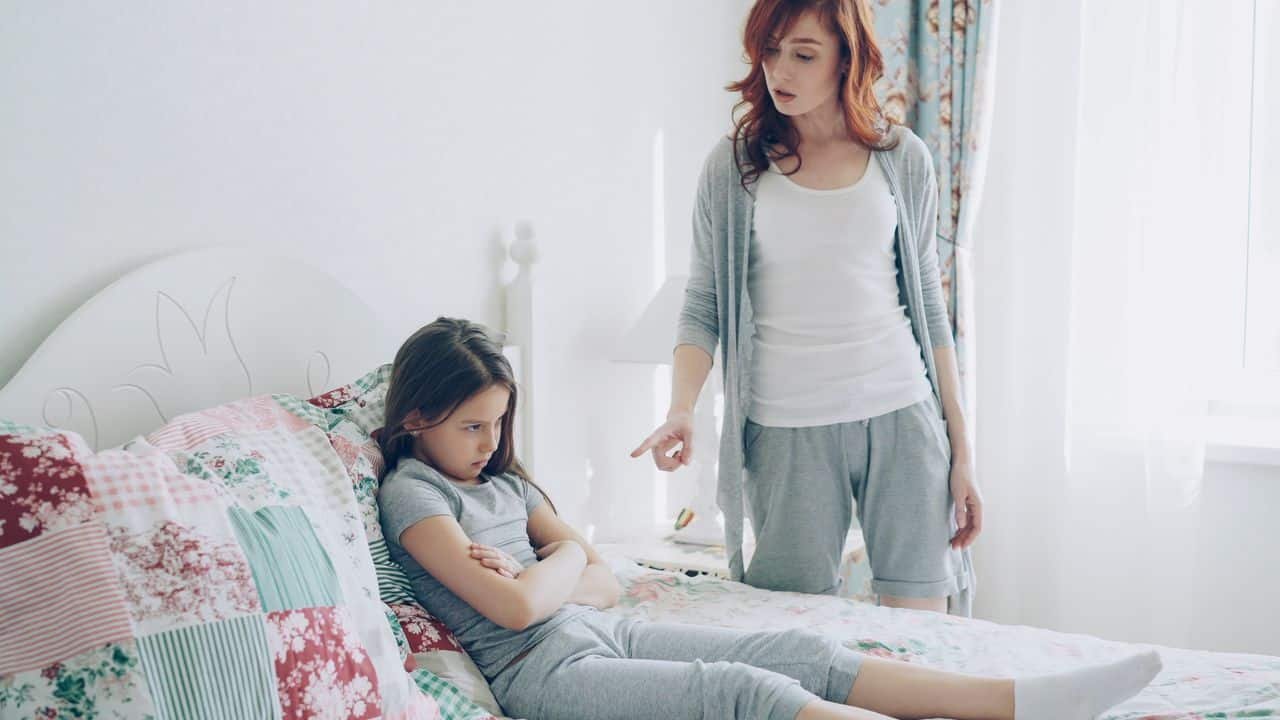
Every parent has experienced those moments when their child suddenly refuses to listen, throws a tantrum, hits a sibling, screams over a small disagreement, or says “NO!” to almost everything. These situations can leave parents wondering, “Why is my child behaving badly?” or “How should I respond without yelling?”
The good news is that many common child behavior problems are a normal part of growing up. Children are still learning how to communicate their needs, manage big emotions, follow rules, handle frustration, and understand boundaries.
At the same time, some behavioral problems in children may become a concern when they are unusually intense, happen very frequently, persist over time, or interfere with family life, school, friendships, or the child’s safety.
The goal of parenting is not to create a child who never misbehaves. Instead, parents can help children learn what behavior is appropriate, understand their emotions, repair mistakes, and gradually develop self-control.
A useful way to think about child behavior problems is:
Behavior → Trigger → Need → Parent Response → Learning
For example, a toddler who screams because dinner is late may not simply be “bad.” The child could be hungry, tired, frustrated, or unable to communicate what they need.
Quick Answer: What Are the Most Common Child Behavior Problems?
The most common child behavior issues include tantrums, defiance, aggression, hitting, biting, whining, lying, attention-seeking behavior, sibling rivalry, difficulty following rules, screen-time battles, and emotional outbursts. Parents can respond by staying calm, setting clear boundaries, using age-appropriate consequences, recognizing positive behavior, and teaching children better ways to communicate their needs.
What Are Child Behavior Problems?
Child behavior problems are behaviors that are difficult for parents, teachers, siblings, or other caregivers to manage or that interfere with everyday life.
Examples include:
- frequent tantrums
- persistent arguing
- refusing reasonable instructions
- hitting or biting
- excessive whining
- aggressive behavior
- repeated lying
- constant attention-seeking
- fighting with siblings
- breaking household rules
- extreme anger
- difficulty controlling emotions
However, not every difficult behavior is a behavioral disorder.
Normal Challenging Behavior vs. a Behavior Problem
Children naturally test boundaries as they grow. Toddlers may say “no” because they are discovering independence. Preschoolers may struggle with sharing or waiting. School-age children may argue about rules or become frustrated when they lose a game.
Occasional difficult behavior can be developmentally normal.
A behavior becomes more concerning when it is persistent, severe, unusual for the child’s developmental stage, or significantly affects relationships and everyday functioning. The CDC notes that children sometimes argue, act aggressively, become angry, or behave defiantly, but persistent, severe or age-inappropriate patterns may require professional evaluation.
Why Understanding the Cause Matters
Instead of immediately asking, “How do I stop this behavior?”, try asking:
“What is happening before this behavior?”
Look for common triggers such as:
- hunger
- tiredness
- overstimulation
- boredom
- frustration
- difficulty communicating
- changes in routine
- lack of attention
- sibling conflict
- screen transitions
- stress at home or school
Understanding the trigger can help parents choose a better response.
For example:
Whining → tired child → needs connection/rest → calm response + clear boundary
This approach helps parents manage challenging child behavior without automatically labeling the child as “naughty” or “bad.”
10 Common Child Behavior Problems and How Parents Can Respond
1. Tantrums and Emotional Outbursts
Tantrums are among the most common behavior problems in toddlers and preschoolers. A child may cry, scream, throw themselves on the floor, kick, demand something repeatedly, or struggle to calm down.
Tantrums often happen because young children have strong emotions but limited emotional regulation skills. Hunger, tiredness, frustration, overstimulation, disappointment, and difficulty communicating can all contribute.
What Parents Can Do
When dealing with a tantrum:
- stay as calm as possible
- acknowledge the child’s feelings
- keep the boundary clear
- avoid lengthy explanations during the peak of the tantrum
- keep the child safe
- avoid giving in simply to stop the crying
- talk about better choices once the child is calm
You can say:
“I know you’re upset because we can’t buy that toy. It’s okay to feel angry, but we are not going to scream or hit.”
If a child learns that screaming always results in getting what they want, the behavior may become more likely to happen again. CDC guidance recommends consistent responses and following through with reasonable consequences.
2. Defiance, Saying “No” and Refusing to Listen
A child who constantly says “no,” refuses instructions, argues, or deliberately tests boundaries can make everyday routines exhausting.
Some defiance is normal, especially during toddlerhood, when children are developing independence. CDC guidance for 2- to 3-year-olds specifically encourages parents to give attention and praise for positive behavior while teaching acceptable ways to express frustration.
How to Deal With a Defiant Child
Instead of repeating an instruction several times or shouting louder:
- move closer to your child
- make eye contact
- give one simple instruction
- use a calm voice
- offer two acceptable choices
- praise cooperation
- follow through consistently
For example:
“It’s time to put your shoes on. Would you like to put them on yourself or would you like me to help?”
Giving limited choices can give children a sense of independence while keeping the parent in control of the boundary.
3. Hitting, Biting, Kicking and Other Aggressive Behavior
Aggressive behavior in children can include:
- hitting
- biting
- kicking
- pushing
- scratching
- throwing objects
- hurting siblings
- destroying things
Young children may act aggressively because they are frustrated, overwhelmed, unable to communicate, or still developing impulse control.
How to Respond to Aggressive Behavior
Safety comes first.
If your child hits another person, calmly stop the behavior and say:
“I won’t let you hit. Hitting hurts.”
Then help your child identify an alternative:
“You can say, ‘I’m angry,’ or ask me for help.”
Avoid hitting the child back. Avoid humiliating or labeling the child as “bad.”
The goal is to make the boundary clear while teaching a replacement behavior.
Frequent, severe, or dangerous aggression should not simply be dismissed as a phase. If aggression is persistent or significantly affects home, school, relationships, or safety, discuss it with a pediatrician or qualified child-development professional.
4. Whining and Constant Complaining
Whining can be one of the most frustrating child behavior issues for parents.
A child may repeatedly say:
- “I want it!”
- “It’s not fair!”
- “Mommy!”
- “Daddy!”
- “I’m bored!”
- “I don’t want to!”
Sometimes whining communicates a genuine need. Other times, children learn that whining gets a faster response.
What Parents Can Do
Try teaching your child how to ask appropriately.
For example:
“I can understand you when you use your calm voice. Try asking me again without whining.”
When your child asks appropriately, respond positively:
“Thank you for asking so nicely. Now I can help you.”
For minor attention-seeking whining that is safe to ignore, parents can reduce attention to the whining and quickly return attention when the child uses appropriate communication. CDC explains that attention, including negative attention, can reinforce behavior, while ignoring can sometimes be used for minor attention-seeking behaviors.
Never ignore behavior that involves danger, injury, or serious destruction.
5. Lying and Hiding the Truth
Children may lie for different reasons.
A younger child may mix imagination with reality. Older children may lie to avoid consequences, get something they want, protect themselves, or avoid disappointing a parent.
How Parents Can Respond to Lying
Instead of immediately saying:
“You are a liar!”
focus on the behavior:
“I want you to tell me what really happened. You won’t be in trouble for telling me the truth. We need to understand what happened so we can fix it.”
Parents can:
- remain calm
- ask open-ended questions
- avoid humiliating the child
- explain why honesty matters
- praise truth-telling
- help the child repair the mistake
The goal is to create an environment where honesty is safer and more valuable than hiding mistakes.
6. Attention-Seeking Behavior
Children naturally need attention and connection. Sometimes they may seek it through positive behavior; other times they may discover that screaming, interrupting, or deliberately misbehaving gets an immediate reaction.
Examples include:
- interrupting constantly
- screaming when parents are busy
- deliberately breaking rules
- demanding attention
- acting out when a sibling receives attention
How to Manage Attention-Seeking Behavior
Parents can:
- provide regular one-on-one time
- notice positive behavior
- praise appropriate attempts to get attention
- teach children how to ask for attention
- avoid giving excessive attention to minor attention-seeking behavior
Even a few minutes of focused one-on-one time can be valuable. UNICEF recommends dedicated time with children, along with noticing and praising positive behavior.
Try saying:
“I’m finishing this work. When I’m done, I’ll give you five minutes of my special time.”
Then follow through.
7. Sibling Rivalry, Fighting and Jealousy
Sibling rivalry is another common childhood behavior problem.
Children may:
- fight over toys
- compete for parental attention
- tease each other
- blame one another
- become jealous after a new baby arrives
- argue about fairness
How Parents Can Respond
Avoid comparing children.
Statements such as:
“Why can’t you be more like your sister?”
can increase resentment.
Instead:
- create simple family rules
- teach turn-taking
- give children individual attention
- acknowledge feelings of jealousy
- encourage problem-solving
- intervene immediately when someone is being hurt
You can say:
“I know you both want the same toy. I won’t let you hurt each other. Let’s find a way for both of you to have a turn.”
8. Difficulty Following Rules
Some children repeatedly ignore instructions, break household rules, or refuse routines.
The problem may not always be that the child is intentionally disobedient. The instruction may be unclear, too complicated, unrealistic for the child’s age, or given when the child is distracted.
Effective Child Discipline Strategies
Try:
- keeping rules short
- giving one instruction at a time
- stating exactly what you want
- using predictable consequences
- explaining expectations before challenging situations
- praising cooperation
- ensuring caregivers follow the same rules
Instead of:
“Don’t make a mess.”
say:
“Please put the blocks back in the box when you’re finished.”
Clear expectations make it easier for children to understand what successful behavior looks like. UNICEF recommends realistic, clear expectations and calm, consistent follow-through.
9. Screen-Time Battles and Device-Related Behavior
Screens can become a major source of conflict when children are asked to stop watching a video or playing a game.
Parents may see:
- crying when screen time ends
- screaming
- refusing to hand over the device
- sneaking devices
- arguing about screen limits
- tantrums after turning off a screen
How to Reduce Screen-Time Battles
Try creating predictable routines.
You can:
- explain the screen-time limit before starting
- give a transition warning
- use a consistent stopping routine
- offer another activity
- keep devices away during meals or bedtime if that is your family rule
- model the behavior you expect
For example:
“You have five more minutes, then the tablet goes away. After that, we’ll read your book.”
A predictable transition is often easier for children than a sudden “Turn it off now!”
10. Difficulty Managing Anger and Big Emotions
Some children have intense reactions to relatively small problems.
They may:
- shout
- cry
- throw objects
- stomp
- slam doors
- withdraw
- struggle to calm down
Instead of teaching children that anger is bad, help them understand that all feelings are acceptable, but not every behavior is acceptable.
A Simple Emotion-Coaching Approach
1. Notice: “I can see you’re really angry.”
2. Name: “You’re angry because your tower fell.”
3. Validate: “It’s disappointing when something you’ve worked hard on falls down.”
4. Set the boundary: “But I won’t let you throw the blocks at people.”
5. Teach a strategy: “Let’s take a breath and build it again.”
6. Reconnect: Once calm, return to normal positive interaction.
This teaches emotional regulation instead of simply demanding emotional suppression.
Why Do Children Develop Challenging Behaviors?
There is rarely one explanation for difficult child behavior. The same behavior can have different causes in different children.
Developmental Stage
Children’s abilities change rapidly as they grow.
A toddler has very different language, impulse-control and emotional-regulation skills from a 10-year-old. Expectations should therefore be age-appropriate.
Hunger, Fatigue and Overstimulation
A tired or hungry child may have much less patience.
Sometimes what looks like a serious child behavior problem is simply a child who needs food, sleep, quiet time, or a change of activity.
Need for Attention or Connection
Children may act out when they feel disconnected from parents.
Regular one-on-one time can help children feel noticed without requiring them to misbehave to receive attention.
Frustration and Communication Difficulties
A child who cannot explain what they want may communicate through crying, screaming, pushing, or refusing.
Helping children develop language for emotions can reduce some challenging behaviors.
Changes in Routine
Travel, moving homes, starting school, a new sibling, changes in caregivers, holidays, illness, or disrupted sleep can affect behavior.
Stress at Home or School
Children can sometimes respond to stress through changes in behavior.
Pay attention to when the behavior happens:
Only at home? Only at school? During transitions? Around certain people? At bedtime?
Patterns can provide useful clues.
Difficulty With Emotional Regulation
Some children naturally have stronger emotional reactions or need more help learning how to calm themselves.
That does not automatically mean they have a disorder.
The important question is whether the behavior is persistent, severe, developmentally unusual, or interfering with daily functioning.
How Parents Should Respond to Difficult Child Behavior
If you are wondering how to deal with child behavior problems, start with the way you respond rather than trying to control every emotion your child has.
Stay Calm Before Correcting the Behavior
A calm parent can model the behavior they want the child to learn.
If possible, pause, breathe, lower your voice, and then respond.
Get Down to Your Child’s Level
For younger children, physically getting closer and speaking at eye level can make communication easier.
UNICEF recommends meeting young children at their level both physically and emotionally.
Use Clear, Short Instructions
Avoid long lectures during a difficult moment.
Instead of:
“How many times have I told you not to do this? You never listen!”
try:
“Blocks stay on the floor. Please put that one down.”
Give Limited Choices
Choices can reduce unnecessary power struggles.
“Do you want to brush your teeth before your pajamas or after?”
Both options meet the parent’s expectation.
Set Clear and Age-Appropriate Boundaries
Children need to know what is expected.
Rules should be:
- simple
- realistic
- consistent
- appropriate for the child’s age
Use Logical and Consistent Consequences
A consequence should be connected to the behavior whenever possible.
For example, if a child repeatedly throws a toy after being told to stop, the toy may be put away for a period of time.
CDC recommends clear, consistent consequences and emphasizes following through after giving a warning.
Praise Good Behavior Specifically
Do not wait until your child misbehaves to give attention.
Instead of only saying:
“Good job!”
be specific:
“You waited for your sister to finish. That was very patient.”
Specific praise tells children exactly which behavior you want them to repeat.
Give More Attention to Positive Behavior
Children need to know that they can get your attention without misbehaving.
Notice:
- cooperation
- patience
- kindness
- sharing
- following instructions
- using words instead of hitting
- calming themselves
Follow Through With Consequences
If you say:
“If you throw the toy again, I’ll put it away,”
you should follow through if the behavior happens again.
Repeatedly making threats without following through teaches children that the rule may not actually matter.
Reconnect After the Conflict
Discipline does not need to end the relationship.
Once the situation is calm, return to normal interaction.
You can say:
“We had a difficult moment, but I love you. Let’s try again.”
This reinforces the idea that a behavior can be corrected without making the child feel rejected.
Positive Discipline Strategies That Actually Help
Positive discipline is not the same as letting children do whatever they want.
It means teaching appropriate behavior with clear limits while maintaining a respectful relationship.
UNICEF describes positive discipline as a way of teaching appropriate behavior through kindness, firmness, routines, understanding and support.
What Positive Discipline Means
Positive parenting involves:
- clear boundaries
- realistic expectations
- calm correction
- emotional connection
- consistent consequences
- positive reinforcement
- teaching rather than shaming
Praise and Positive Reinforcement
When your child does something well, notice it.
“You shared your toy without me asking. That was kind.”
Positive attention makes desired behavior more likely to happen again.
Natural and Logical Consequences
A consequence should teach rather than simply punish.
For example:
If a child deliberately spills water while playing with a cup, they can help clean it up.
The consequence is directly connected to what happened.
Redirection
Redirection works particularly well with younger children.
If your toddler is repeatedly touching something unsafe, move them toward an acceptable activity.
“We don’t touch that. Come, let’s play with your blocks.”
Ignore Minor Attention-Seeking Behavior When Appropriate
For minor, safe behaviors such as some forms of whining or interrupting, removing attention can reduce reinforcement.
However, ignoring does not mean neglecting your child. Unsafe, destructive, self-harming, or aggressive behavior should be stopped immediately.
Time-Out—When It May Be Appropriate
Time-out can be one discipline strategy for certain behaviors, but it should not be the automatic response to every mistake.
Parents should use age-appropriate, calm and consistent methods and avoid turning time-out into humiliation or prolonged isolation.
For serious or repeated behavior concerns, parents should focus on the overall behavior pattern rather than relying on one discipline technique.
Why Yelling, Shaming and Hitting Should Be Avoided
Many parents ask how to discipline a child without yelling.
The answer starts with understanding that yelling, shaming and physical punishment do not teach children the emotional or social skills they need.
UNICEF recommends positive, non-violent discipline and specifically advises against shouting and physical violence.
Instead, aim for:
Calm voice + clear boundary + logical consequence + positive reinforcement
What Parents Should Avoid When Correcting Behavior
| Avoid | Try Instead |
|---|---|
| Yelling | Calm, firm instructions |
| Hitting | Non-violent consequences |
| Shaming | Teach the specific behavior |
| Empty threats | Consistent follow-through |
| Long lectures | Short explanations |
| Comparing siblings | Individual encouragement |
| Giving in during tantrums | Calm consistency |
| Calling a child “bad” | Describe the behavior |
| Expecting adult-level self-control | Use age-appropriate expectations |
| Focusing only on mistakes | Notice positive behavior |
Remember: Your child is not the behavior.
A child may behave badly without being a “bad child.”
Child Behavior Problems by Age
Toddlers 1–2 Years
Common challenging behaviors can include:
- tantrums
- crying
- biting
- hitting
- throwing objects
- saying “no”
- separation-related distress
- frustration when they cannot communicate
At this age, parents should focus heavily on safety, routines, simple instructions, redirection and helping children communicate their needs.
Toddlers 2–3 Years
Common behavior problems in toddlers include:
- defiance
- tantrums
- screaming
- hitting
- refusing instructions
- demanding independence
- difficulty transitioning between activities
CDC guidance for toddlers in this age range recommends positive attention, praise for following instructions, and teaching acceptable ways to express upset feelings.
Preschoolers 3–5 Years
Preschoolers may experience:
- arguing
- aggression
- difficulty sharing
- lying
- emotional outbursts
- difficulty following rules
- frustration when they do not get their way
At this stage, parents can offer limited choices, teach problem-solving and clearly explain what behavior they expect.
School-Age Children 6–10 Years
Parents may encounter:
- backtalk
- rule-breaking
- sibling conflict
- anger
- difficulty accepting failure
- school-related behavior problems
- arguing about responsibilities
Children at this age can usually participate more actively in conversations about family rules, consequences and problem-solving.
Preteens and Teenagers
Older children and teenagers may experience:
- arguments about independence
- refusal to follow household rules
- emotional reactions
- school-related conflicts
- disagreements about friends or activities
- resistance to parental limits
As children become older, parents can gradually shift from direct control toward collaborative problem-solving while maintaining clear safety boundaries.
When Is Child Behavior a Sign of a Bigger Problem?
Parents often wonder:
“When should I worry about my child’s behavior?”
Occasional tantrums, arguments, anger or defiance do not automatically indicate a disorder.
It is more important to consider the pattern, severity, duration and impact.
Consider speaking with a pediatrician or qualified professional if the behavior:
- is unusually intense for the child’s age
- happens very frequently
- continues for a prolonged period
- significantly interferes with family life
- affects school performance
- disrupts friendships
- causes injuries
- involves serious aggression
- involves self-harm
- causes significant distress for the child or family
The CDC notes that behavior disorders are considered when disruptive behaviors are unusual for a child’s age, persist over time, or are severe, and that early treatment can be important when significant behavior problems are present.
Who Can Parents Talk To?
Depending on the concern, parents may start with:
- a pediatrician
- child psychologist
- child psychiatrist
- school counselor
- qualified child-development or behavioral health professional
A professional can help parents understand whether behavior is within the expected developmental range or whether additional assessment or support may be helpful.
Why Early Support Matters
Parents do not need to wait until a problem becomes overwhelming.
If behavior is persistent or seriously affecting your child’s daily life, asking for help early can provide useful strategies and support for the whole family.
Seeking professional advice does not mean you have failed as a parent. It means you are looking for the right tools to support your child.
A Simple 5-Step Behavior Response for Parents
When you are overwhelmed and don’t know what to say, remember:
STOP → CONNECT → SET → CONSEQUENCE → RECONNECT
1. STOP
Stop unsafe or harmful behavior.
2. CONNECT
Acknowledge the emotion.
“I can see you’re really angry.”
3. SET
State the boundary.
“I won’t let you hit.”
4. CONSEQUENCE
Use an appropriate and consistent consequence when needed.
5. RECONNECT
Once your child is calm, return to positive interaction and reinforce the behavior you want to see.
This approach combines safety, emotional connection, boundaries and learning rather than relying only on punishment.
Examples of What Parents Can Say
When a Child Hits
Instead of:
“You’re a bad child!”
Try:
“I won’t let you hit. You’re angry, but hitting hurts. Tell me what you need.”
During a Tantrum
Instead of:
“Stop crying right now!”
Try:
“I know you’re upset. I’m here with you. We can talk when you’re calmer.”
When a Child Refuses
Try:
“It’s time to get dressed. Would you like to wear the blue shirt or the yellow shirt?”
When a Child Lies
Try:
“I want to know what really happened. Thank you for telling me the truth. Now let’s figure out how to fix it.”
When Siblings Fight
Try:
“I won’t let you hurt each other. Let’s take a moment and figure out what happened.”
When a Child Whines
Try:
“I want to hear you. Please ask me again using your normal voice.”
When Screen Time Ends
Try:
“I know you want to keep playing. Screen time is finished now. You can choose whether we read a book or play with blocks.”
These simple phrases help parents remain firm without becoming harsh.
Frequently Asked Questions About Child Behavior Problems
What are the most common behavior problems in children?
Common child behavior problems include tantrums, defiance, aggression, hitting, biting, whining, lying, attention-seeking behavior, sibling rivalry, difficulty following rules, screen-time conflicts and emotional outbursts. Many of these behaviors can occur as part of normal childhood development, but persistent or severe patterns may need professional attention.
Why is my child suddenly behaving badly?
Sudden changes in behavior can have many possible triggers, including tiredness, hunger, illness, changes in routine, school stress, family changes, frustration, increased independence, or a need for attention and connection. Look for patterns around when the behavior occurs rather than assuming the child is simply being “bad.”
How do I handle a child who does not listen?
Give one clear, age-appropriate instruction at a time. Get close to your child, make sure they are paying attention, offer limited choices when appropriate, praise cooperation, and use consistent consequences when necessary.
How do I discipline my child without yelling?
Use a calm voice, short instructions, clear boundaries and consistent consequences. Take a moment to regulate yourself before responding if you feel angry. Positive discipline focuses on teaching children what to do rather than frightening or humiliating them.
How do I stop my child from hitting?
Immediately stop the unsafe behavior and calmly state the boundary: “I won’t let you hit.” Then help your child identify another way to communicate anger or frustration. Frequent, severe or dangerous aggression should be discussed with a pediatrician or qualified professional.
How should I respond to tantrums?
Stay calm, keep your child safe, acknowledge the emotion, maintain the boundary and avoid giving in simply to end the tantrum. Once your child is calm, teach an appropriate way to communicate the need.
Is defiance normal in toddlers?
Some defiance is normal in toddlers because they are developing independence and learning boundaries. Saying “no,” refusing instructions and testing limits can occur during this developmental stage. However, unusually severe, persistent or disruptive behavior deserves further discussion with a professional.
How can I improve my child’s behavior?
Focus on positive attention, predictable routines, clear expectations, consistent boundaries, specific praise, age-appropriate consequences and regular one-on-one connection. Look for triggers behind challenging behavior and teach replacement behaviors rather than focusing only on punishment.
Should I use time-out for bad behavior?
Time-out can be one tool for certain behaviors, but it should not be the only discipline strategy. Parents should also use positive reinforcement, redirection, clear expectations and logical consequences. The appropriate strategy depends on the child’s age, behavior and circumstances.
When should I worry about my child’s behavior?
Consider seeking professional guidance when behavior is persistent, severe, unusual for the child’s age, causes injuries, significantly disrupts home or school life, affects relationships, or causes substantial distress.
When should I see a pediatrician or child psychologist?
Speak with a pediatrician or qualified child-development professional if you are concerned about persistent aggression, extreme defiance, serious emotional outbursts, self-harm, behavior that interferes with daily functioning, or any behavior that feels unsafe or significantly different from what you would expect for your child’s age.
Key Takeaways for Parents
- Common child behavior problems are often part of normal development, especially when children are learning independence and emotional regulation.
- Look for the reason behind the behavior, not just the behavior itself.
- Stay calm and use clear, age-appropriate boundaries.
- Give children simple instructions and realistic choices.
- Praise positive behavior specifically.
- Use consistent and logical consequences when necessary.
- Avoid hitting, shaming and harsh yelling.
- Teach children acceptable ways to express anger, frustration and disappointment.
- Remember that ignoring can sometimes help with minor attention-seeking behavior, but unsafe or aggressive behavior should never be ignored.
- If behavior is persistent, severe, dangerous, or interfering with everyday life, seek professional guidance.
Most importantly, remember that discipline is about teaching, not simply punishing. Children need boundaries, but they also need connection, patience, practice and opportunities to try again. Positive parenting combines warmth with clear limits and helps children gradually learn the skills they need to manage their behavior and emotions.