
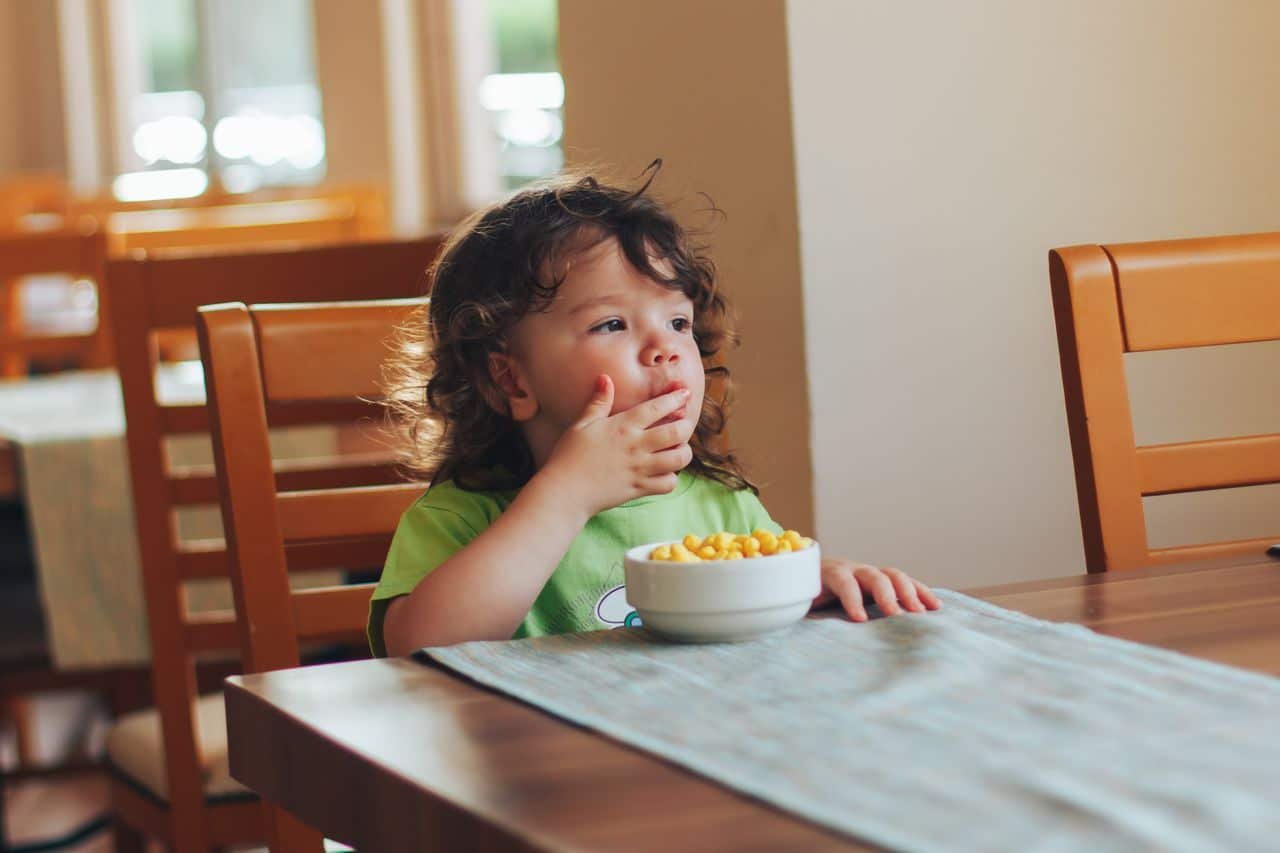
Toddlers can be unpredictable eaters. One day they may happily finish a banana, while the next day they may reject the same food after one bite. Because toddlers have small stomachs and are constantly growing, playing and exploring, nutritious snacks can be an important part of their daily eating routine.
The good news is that healthy snack ideas for toddlers don’t need to be complicated or time-consuming. Simple foods such as fruit, yogurt, eggs, vegetables, paneer, whole grains, lentils and avocado can be turned into easy toddler snacks with very little preparation.
In this guide, you’ll find 25 healthy toddler snacks, including healthy snacks for 1-year-olds, healthy snacks for 2-year-olds, healthy snacks for 3-year-olds, healthy homemade snacks for toddlers, healthy Indian snacks for toddlers, protein-rich snacks, daycare snacks, travel snacks and ideas for picky toddlers.
What Makes a Healthy Snack for a Toddler?
A healthy toddler snack should provide useful nutrients without becoming overly filling or relying heavily on added sugar or highly processed ingredients.
A simple approach is to combine two or more food groups. For example, you could pair fruit with yogurt, avocado with toast, paneer with fruit, or hummus with soft-cooked vegetables.
The American Academy of Pediatrics suggests building balanced toddler snacks around a combination of protein or dairy, fruits and/or vegetables, and grains or starchy vegetables. Not every snack needs to contain every food group; overall dietary variety throughout the day matters most.
Include 2 or More Food Groups
Some easy combinations include:
- Banana + plain yogurt
- Apple + thinly spread peanut butter + whole-grain toast
- Paneer + mango
- Avocado + egg
- Sweet potato + yogurt
- Hummus + soft vegetables
- Oat pancake + banana
These combinations can make quick and healthy snacks for toddlers more satisfying than offering a single food every time.
Choose Nutrient-Dense Foods
Good toddler snack choices can include:
- Bananas, mangoes, pears, apples and other fruits
- Avocado
- Sweet potatoes
- Carrots, peas and other cooked vegetables
- Eggs
- Lentils and beans
- Chickpeas
- Paneer and cottage cheese
- Plain yogurt
- Tofu
- Whole grains
- Nut and seed butters served in a safe form
CDC guidance recommends offering young children a variety of vegetables, fruits, proteins, dairy without added sugars, healthy fats and whole grains while matching foods to the child’s eating skills.
Limit Added Sugar and Excessively Salty Foods
Whenever possible, choose naturally sweet foods such as ripe bananas, mangoes, pears and berries instead of cookies, sweetened cereals or sugary snack bars.
For children under 2, CDC guidance recommends avoiding foods and drinks with added sugars. It also recommends limiting foods high in sodium.
This makes homemade toddler snacks a useful option because you can control the ingredients and avoid unnecessary sugar and salt.
25 Healthy Snack Ideas for Toddlers
Here are 25 easy, nutritious snacks for toddlers that can work at home, daycare or while traveling. Always adapt the texture, size and preparation to your child’s developmental eating skills.
1. Banana and Plain Yogurt Bowl
Combine ripe banana with plain, unsweetened yogurt for one of the easiest healthy snack ideas for toddlers.
What you need:
- Ripe banana
- Plain unsweetened yogurt
- Optional soft cooked oats
How to prepare:
Mash or finely slice the banana and mix it with yogurt. For older toddlers who manage texture well, you can leave some small soft pieces.
Why it’s healthy:
Banana provides carbohydrates and fiber, while yogurt provides protein and dairy nutrients.
Toddler-friendly tip:
Use ripe banana for natural sweetness instead of adding sugar.
Best for: Home, breakfast-to-snack transition or a quick afternoon snack.
2. Apple and Thinly Spread Peanut Butter Toast
This combination can be a filling option when prepared safely.
What you need:
- Soft whole-grain toast
- Smooth peanut butter
- Soft apple
How to prepare:
Spread a thin layer of smooth peanut butter over toast. Use apple that has been softened or sliced very thinly according to your child’s developmental eating skills.
Why it’s healthy:
You get whole grains, fruit and protein/healthy fats in one snack.
Toddler-friendly tip:
Never serve a spoonful or thick glob of peanut butter. Nut butter should be spread thinly or incorporated into another food.
3. Homemade Oat Banana Bites
These are easy homemade snacks for toddlers and can be prepared ahead of time.
What you need:
- Ripe banana
- Oats
- Optional cinnamon
How to prepare:
Mash the banana, mix with oats and form small soft bites. Bake until cooked but not excessively hard.
Why it’s healthy:
Banana provides fruit while oats provide whole grains and fiber.
Toddler-friendly tip:
Keep the texture soft and avoid making them crunchy or hard.
Best for: Breakfast, daycare or an afternoon snack.
4. Avocado Toast
Avocado toast is a simple healthy toddler snack that requires minimal preparation.
What you need:
- Whole-grain bread
- Ripe avocado
How to prepare:
Toast bread lightly if desired and spread mashed avocado over it. Cut into toddler-appropriate strips or pieces.
Why it’s healthy:
Avocado provides healthy fats and several important nutrients.
Optional addition:
Add finely chopped or mashed cooked egg for extra protein.
5. Sweet Potato Tikkis
Sweet potato tikkis are a great healthy Indian snack for toddlers.
What you need:
- Cooked sweet potato
- Oats or suitable breadcrumbs
- Mild herbs or spices
How to prepare:
Mash cooked sweet potato, combine with oats and form small soft patties. Pan-cook or bake until set.
Why it’s healthy:
Sweet potatoes provide carbohydrates, fiber and important micronutrients.
Toddler-friendly tip:
Avoid making the outside hard or crispy. The inside should remain soft and easy to chew.
6. Mini Vegetable Idlis
Soft mini idlis can be a convenient Indian toddler snack.
What you need:
- Soft idlis
- Finely chopped and cooked vegetables
How to prepare:
Mix finely cooked vegetables into idli batter or serve soft vegetable pieces alongside idli.
Why it’s healthy:
Idli provides grains while vegetables add variety and nutrients.
Best for: Breakfast, daycare or evening snack.
7. Soft Paneer Cubes With Fruit
Paneer and fruit make an easy combination for toddlers.
What you need:
- Soft paneer
- Ripe mango, banana or pear
How to prepare:
Offer soft paneer in an age-appropriate shape and pair it with soft fruit.
Why it’s healthy:
Paneer provides protein and dairy nutrients, while fruit adds fiber and naturally occurring sweetness.
Toddler-friendly tip:
Avoid large or hard chunks of cheese. Food should be prepared according to the child’s chewing ability.
8. Homemade Fruit and Yogurt Pops
These can make snack time more fun without relying on sugary frozen treats.
What you need:
- Plain yogurt
- Mashed or finely chopped fruit
How to prepare:
Mix fruit with yogurt and freeze in small portions.
Why it’s healthy:
You control the ingredients and can avoid added sugar.
Best for: Warm days and an occasional fun snack.
9. Hummus With Soft-Cooked Vegetables
Hummus can be paired with vegetables for a protein-containing snack.
Try:
- Hummus
- Soft-cooked carrot
- Soft broccoli
- Soft sweet potato
Why it’s healthy:
Chickpeas provide plant protein and fiber, while vegetables add vitamins, minerals and variety.
Toddler-friendly tip:
Vegetables should be cooked until soft enough for your child’s developmental eating skills.
10. Egg and Avocado Mash
Egg and avocado make a nutrient-dense combination.
What you need:
- Fully cooked egg
- Ripe avocado
How to prepare:
Mash both ingredients together and serve in a suitable texture.
Why it’s healthy:
Egg provides protein, while avocado provides healthy fats.
Best for: Quick snacks, breakfast or lunchbox meals.
11. Mini Vegetable Dosa Rolls
A soft dosa can become a fun finger food for toddlers.
What you need:
- Soft dosa
- Finely cooked vegetables
How to prepare:
Fill the dosa with soft vegetables, roll it and cut it into toddler-appropriate pieces.
Why it’s healthy:
It combines grains with vegetables and can introduce new flavors gradually.
12. Oatmeal With Soft Fruit
Oatmeal doesn’t have to be limited to breakfast.
What you need:
- Well-cooked oats
- Banana, pear or other soft fruit
- Plain yogurt, if desired
How to prepare:
Cook oats until soft and stir in mashed or finely chopped fruit.
Why it’s healthy:
This is a simple high-fiber snack with whole grains and fruit.
13. Cottage Cheese and Soft Fruit
Cottage cheese paired with soft fruit can be an easy toddler snack.
Try:
- Cottage cheese
- Soft pear
- Banana
- Ripe peach
Why it’s healthy:
It combines dairy and fruit without needing added sugar.
Toddler-friendly tip:
Check the texture and sodium content of packaged cottage cheese when choosing it for young children.
14. Homemade Banana Pancake Bites
These are one of the most convenient homemade toddler snacks.
What you need:
- Banana
- Egg
- Oats
How to prepare:
Mash banana, mix with egg and oats, and cook small pancakes until fully cooked and soft.
Why it’s healthy:
The combination provides fruit, protein and whole grains.
Best for: Breakfast, daycare or an afternoon snack.
15. Roasted Makhana — Toddler-Safe Version
Makhana, also called fox nuts or lotus seeds, is popular in Indian households. However, preparation matters for toddlers.
Avoid assuming that hard, whole roasted makhana is safe for every toddler. Young children need foods prepared according to their chewing and swallowing skills.
For younger toddlers, consider incorporating appropriately prepared, softened or ground makhana into another food rather than serving hard pieces.
Why it’s useful:
Makhana can be incorporated into homemade toddler snacks, but texture and preparation should always take priority over convenience.
16. Soft Chickpea Patties
Chickpeas can become a soft, toddler-friendly snack.
What you need:
- Cooked chickpeas
- Sweet potato
- Oats
How to prepare:
Mash the chickpeas and sweet potato together, add oats and form soft patties. Cook until set without making them hard.
Why it’s healthy:
Chickpeas provide plant protein and fiber.
Best for: Vegetarian toddlers and healthy homemade snacks.
17. Cheese and Whole-Grain Cracker Plate
For older toddlers who can safely manage the selected foods, offer:
- Mild cheese
- Suitable whole-grain crackers
- Soft fruit
Choose lower-sodium products where possible.
Safety note:
Large chunks of cheese and certain crackers can present choking risks. Choose textures and sizes appropriate for your child.
18. Mango Yogurt Bowl
Mango and plain yogurt make a naturally sweet snack.
What you need:
- Ripe mango
- Plain yogurt
How to prepare:
Mash or finely chop ripe mango and mix it with plain yogurt.
Why it’s healthy:
It provides fruit and dairy without needing added sugar.
This is particularly useful when you’re looking for healthy fruit snacks for toddlers.
19. Steamed Corn and Avocado Mash
Corn can be nutritious, but whole corn kernels require special attention because they can be a choking hazard for young children. CDC specifically lists whole cooked or raw corn kernels among potential choking hazards.
For toddlers, use corn in an age-appropriate preparation rather than automatically serving whole kernels.
Combine appropriately prepared corn with mashed avocado for a soft snack.
20. Mini Moong Dal Chilla
Moong dal chilla is another excellent healthy Indian snack for toddlers.
What you need:
- Soaked moong dal
- Finely grated vegetables
- Mild seasoning
How to prepare:
Blend the soaked dal, add finely grated vegetables and cook a soft chilla.
Why it’s healthy:
Moong dal provides plant protein while vegetables increase variety.
Toddler-friendly tip:
Keep the chilla soft rather than crispy.
21. Pear and Yogurt Bowl
Ripe pear and plain yogurt make a simple snack.
What you need:
- Soft ripe pear
- Plain yogurt
How to prepare:
Finely chop or mash the pear and mix with yogurt.
Why it’s healthy:
Pear provides fruit and fiber, while yogurt contributes protein and dairy nutrients.
22. Egg Muffin Bites With Vegetables
These are excellent make-ahead snacks for toddlers.
What you need:
- Egg
- Finely chopped cooked vegetables
How to prepare:
Combine fully cooked egg with soft vegetables and bake in small portions.
Why it’s healthy:
Egg provides protein and vegetables add variety.
Best for: Daycare, breakfast or busy mornings.
23. Homemade Chia-Yogurt Fruit Cup
Plain yogurt can be combined with fruit and an appropriately prepared amount of chia.
What you need:
- Plain yogurt
- Soft fruit
- Chia seeds used appropriately
How to prepare:
Mix the ingredients and allow the mixture to hydrate properly before serving.
Toddler-friendly tip:
Do not rely on whole dry seeds as a finger food. Consider your child’s age, texture skills and ability to safely manage the prepared food.
24. Soft Lentil and Sweet Potato Bites
Lentils and sweet potato can be combined into soft homemade bites.
What you need:
- Cooked lentils
- Cooked sweet potato
- Oats
How to prepare:
Mash everything together, form small soft bites and bake until set.
Why it’s healthy:
Lentils provide plant protein and fiber, while sweet potato adds carbohydrates and nutrients.
25. Banana, Oat and Yogurt Snack Bowl
When you need a no-fuss snack, combine:
- Ripe banana
- Plain yogurt
- Soft cooked oats
For older toddlers, an appropriately prepared thin mixture of nut or seed butter can also be incorporated if already introduced and tolerated.
This is one of the easiest healthy snacks for toddlers when you have only a few minutes.
Healthy Snack Ideas for Toddlers by Age
Every toddler develops eating skills at a different pace. Age can provide a general guide, but food texture, size and preparation should also reflect the child’s individual developmental abilities.
Healthy Snacks for 1-Year-Olds
Healthy snacks for 1-year-olds can include:
- Mashed banana and plain yogurt
- Soft avocado
- Soft paneer
- Soft scrambled egg
- Mini idli
- Soft vegetable chilla
- Mashed sweet potato
- Soft oatmeal with fruit
- Soft cooked vegetables
One-year-olds can have unpredictable appetites, so don’t expect them to eat the same quantity every day. The AAP notes that appetite can fluctuate considerably at this age.
Healthy Snacks for 2-Year-Olds
Healthy snacks for 2-year-olds can include:
- Fruit and yogurt
- Avocado toast
- Egg bites
- Mini dosa rolls
- Paneer and fruit
- Hummus with suitable soft vegetables
- Homemade banana pancakes
- Moong dal chilla
By age 2, many children can eat much of the same healthy family food, provided it is prepared safely.
Healthy Snacks for 3-Year-Olds
Healthy snacks for 3-year-olds can include a wider variety of family foods:
- Whole-grain toast with avocado
- Fruit and yogurt
- Homemade pancakes
- Egg muffins
- Vegetable dosa
- Paneer and fruit
- Chickpea patties
- Oat bites
Continue to consider chewing ability and choking risks rather than assuming every food is automatically safe because a child has turned three.
Healthy Snacks for Picky Toddlers
Picky eating is common during the toddler years. Instead of turning every snack into a negotiation, focus on offering variety without pressure.
Offer Familiar and New Foods Together
If your toddler loves banana, pair it with a new food such as plain yogurt.
If they like toast, try adding avocado.
If they enjoy paneer, serve it alongside a new fruit.
This approach allows your child to have something familiar while being exposed to something new.
Don’t Force Your Toddler to Finish
A toddler’s appetite can change dramatically from one meal or day to another.
Instead of insisting that your child finish everything, offer a small portion and allow them to decide how much they want to eat. The AAP recommends avoiding battles around food and paying attention to overall eating patterns rather than obsessing over the amount eaten at one meal.
Change the Presentation
If your toddler rejects a food, experiment with:
- Different shapes
- Small portions
- Colorful combinations
- Dips
- Finger foods
- Food served separately instead of mixed together
Healthy snacks for picky toddlers don’t have to look perfect. The goal is repeated, low-pressure exposure to nutritious foods.
Healthy Toddler Snacks Without Added Sugar
If you’re looking for toddler snacks without added sugar, start with naturally sweet whole foods.
Try:
- Banana
- Mango
- Pear
- Plain yogurt with fruit
- Oat banana bites
- Avocado toast
- Sweet potato tikki
- Egg bites
- Homemade banana pancakes
- Oatmeal with fruit
- Paneer with mango
CDC guidance recommends avoiding added sugars for infants and young children. Foods such as sweetened yogurt, cookies and muffins can contribute added sugar, so checking food labels is useful when buying packaged snacks.
Naturally sweet fruit can make homemade snacks appealing without needing table sugar, syrups or sweeteners.
High-Protein Snack Ideas for Toddlers
Protein-rich snacks for toddlers can come from both animal and plant foods.
Good options include:
- Eggs
- Plain yogurt
- Paneer
- Cottage cheese
- Lentils
- Chickpeas
- Beans
- Tofu
- Hummus
- Nut and seed butters prepared safely
Examples of healthy protein snacks for toddlers include egg and avocado mash, paneer with fruit, hummus with soft vegetables, chickpea patties and moong dal chilla.
Remember that toddlers don’t need every snack to be extremely high in protein. A varied diet across the entire day is more important than trying to make every snack a high-protein meal.
Easy Toddler Snacks for Daycare
Healthy daycare snacks should ideally be simple, portable and easy to portion.
Some ideas include:
- Banana
- Soft paneer
- Mini idlis
- Soft vegetable chilla
- Homemade oat bites
- Plain yogurt, when refrigeration is available
- Soft fruit
- Egg bites
- Avocado toast strips
Daycare Snack Checklist
Before packing a snack, consider:
- Is it easy for my toddler to eat?
- Is the texture appropriate?
- Does it need refrigeration?
- Is it free from unnecessary added sugar?
- Does it meet the daycare’s allergy rules?
- Is it packed in a clean, safe container?
- Does my toddler need assistance while eating?
Always follow your daycare’s individual food and allergy policies.
Healthy Travel Snacks for Toddlers
Traveling with a toddler becomes easier when you have a few reliable snacks prepared in advance.
Some healthy travel snacks for toddlers include:
- Banana
- Soft homemade pancakes
- Mini idlis
- Homemade oat bites
- Soft paneer
- Cut and appropriately prepared fruit
- Yogurt when refrigeration is available
- Soft vegetable chilla
For longer car journeys, prepare foods in advance and pack them according to food-safety requirements.
One important safety point: toddlers should not eat while walking, playing or riding in a moving vehicle. CDC recommends that children sit upright in a safe place while eating and specifically advises against eating in the car or stroller.
Toddler Snack Safety: Foods to Avoid or Modify
Healthy food is only one part of toddler nutrition. How food is prepared is equally important.
Common Choking Hazards
Potential choking hazards for young children include:
- Whole grapes
- Uncut cherry tomatoes
- Whole nuts
- Whole seeds
- Spoonfuls or large chunks of nut butter
- Popcorn
- Hard raw vegetables
- Hard raw apple pieces
- Large chunks of cheese
- Whole beans
- Hard candy
- Gummy candy
- Tough or large pieces of meat
CDC recommends preparing foods according to a child’s developmental skills and avoiding foods that are hard, sticky or difficult to chew and swallow.
How to Make Snacks Safer
Always:
- Have your toddler sit upright while eating.
- Supervise your child while eating.
- Cut foods into appropriate shapes and sizes.
- Cook hard vegetables until soft.
- Prepare round foods appropriately.
- Spread nut butter thinly instead of serving a spoonful.
- Avoid distractions and rushing during meals and snacks.
- Match texture to your child’s eating skills.
Do not assume that a food is safe simply because your toddler has eaten it before. Choking hazards can remain a concern even when children are independently eating many foods.
Honey and Added Sugar
Never give honey to a child younger than 12 months because of the risk of infant botulism.
For infants and young children, CDC recommends avoiding foods and drinks with added sugars.
For toddlers older than 12 months, focus on naturally sweet foods such as fruit and use packaged foods selectively.
How Many Snacks Should a Toddler Have?
There isn’t one perfect snack schedule for every toddler.
Many toddlers benefit from planned snacks between meals. The AAP notes that three meals and two or three healthy snacks can help young children meet their nutritional needs, while other guidance for a 2-year-old may use one or two snacks depending on the child’s overall eating pattern.
A simple routine might look like:
Breakfast → Morning snack → Lunch → Afternoon snack → Dinner
The exact schedule should depend on your child’s hunger, sleep schedule, meal timing and overall dietary needs.
Try to avoid continuous grazing throughout the day. Planned snack times can help children arrive at meals with an appetite.
How Much Food Should a Toddler Eat at Snack Time?
Toddler portions are generally much smaller than adult portions.
A useful approach is to begin with a small serving and offer more if your child is still hungry. The AAP notes that toddler serving sizes are often around one-quarter of an adult serving, although individual needs vary.
For example, you might start with:
- A few pieces of soft fruit
- A small amount of yogurt
- A small piece of toast
- A small portion of paneer
- A few tablespoons of a suitable homemade snack
Don’t expect your toddler to eat the same amount every day. Appetite naturally changes with growth, activity and meals.
Simple Formula for Building a Balanced Toddler Snack
When you don’t know what to give your toddler, use this simple formula:
Pick 1 fruit or vegetable + Pick 1 protein or dairy food + Optional whole grain or starchy vegetable + Water
For example:
Banana + yogurt
Apple + thinly spread nut butter + toast
Avocado + egg + toast
Paneer + mango
Sweet potato + yogurt
Hummus + soft-cooked vegetables
This formula makes it easier to create nutritious snacks for toddlers without needing a complicated recipe.
Not every snack needs to contain every food group. What matters is creating variety over the course of the day.
Toddler Snack Prep Tips for Busy Parents
Healthy toddler snacks become much easier when a few ingredients are ready to go.
Prepare Fruit in Advance
Wash and prepare suitable fruits ahead of time. Store them safely and prepare pieces according to your toddler’s eating skills.
Keep 3–4 Snack Staples Ready
For example:
- Plain yogurt
- Bananas
- Avocado
- Eggs
- Paneer
- Sweet potatoes
- Oats
Batch-Cook Homemade Snacks
Prepare a batch of:
- Mini pancakes
- Egg bites
- Sweet potato tikkis
- Oat banana bites
- Mini chilla
Then store them safely and use them when needed.
Create a Toddler Snack Box
Keep a small collection of toddler-friendly foods available so you don’t automatically reach for cookies or packaged snacks when your child gets hungry.
Keep Healthy Options Visible and Accessible
Children are more likely to encounter nutritious foods when they are regularly available. AAP recommends keeping healthy foods such as fruits, vegetables, yogurt, hummus and cheese readily available for easy snacks.
Frequently Asked Questions About Healthy Toddler Snacks
What are the healthiest snacks for toddlers?
Some healthy toddler snacks include fruit with plain yogurt, avocado toast, egg and avocado mash, soft paneer with fruit, homemade oat bites, sweet potato tikkis, mini idlis and moong dal chilla. Choose a variety of fruits, vegetables, proteins, dairy, whole grains and healthy fats.
What can I give my toddler instead of packaged snacks?
Try banana, plain yogurt, soft fruit, paneer, egg bites, homemade pancakes, mini idlis, avocado toast, sweet potato tikkis or homemade oat bites. Homemade toddler snacks allow you to control added sugar, salt and ingredients.
What are healthy snacks for a picky toddler?
Start with foods your toddler already likes and pair them with something new. For example, serve banana with yogurt, toast with avocado or paneer with mango. Offer small portions and avoid forcing your child to eat.
What are healthy snacks for a 1-year-old?
Healthy snacks for 1-year-olds can include soft banana, plain yogurt, mashed avocado, soft egg, paneer, mini idli, cooked sweet potato, oatmeal and soft fruit. Always adapt food size and texture to your child’s developmental eating skills.
What are healthy snacks for a 2-year-old?
Healthy snacks for 2-year-olds can include fruit and yogurt, avocado toast, mini dosa rolls, egg bites, paneer with fruit, hummus with suitable vegetables, homemade pancakes and moong dal chilla.
What are good high-protein snacks for toddlers?
Good protein-rich snacks for toddlers include egg, plain yogurt, paneer, cottage cheese, hummus, lentils, chickpeas, tofu and appropriately prepared nut or seed butter.
What are healthy toddler snacks without added sugar?
Good toddler snacks without added sugar include fresh fruit, plain yogurt with fruit, avocado toast, homemade banana pancakes, oatmeal with fruit, egg bites, sweet potato tikkis and paneer with mango.
How many snacks should a toddler have each day?
Many toddlers need planned snacks between meals, but the number varies. The AAP notes that three meals plus two or three healthy snacks can help young children meet nutritional needs, while some 2-year-old meal patterns include one or two snacks. Your child’s appetite and overall diet should guide the routine.
What snacks are good for toddlers before bedtime?
A small, familiar snack such as plain yogurt with banana, oatmeal with fruit or a small piece of whole-grain toast with an appropriate topping may work if your child is genuinely hungry. Avoid making bedtime snacks very sugary or very large.
What are healthy snacks for toddlers on the go?
Banana, homemade oat bites, soft pancakes, mini idlis, appropriately prepared fruit and other foods that can be transported safely can work well. For perishable foods such as yogurt or paneer, use appropriate temperature-controlled storage.
What foods are choking hazards for toddlers?
Potential choking hazards include whole grapes, whole nuts, popcorn, hard raw vegetables, hard fruit pieces, large cheese chunks, whole beans, spoonfuls of nut butter and other foods that are hard, sticky or difficult to chew. Food should be modified according to your child’s developmental eating skills, and toddlers should always be supervised while eating.
Final Takeaway
Healthy toddler snacks don’t need to be complicated, expensive or time-consuming. Some of the best options are simple foods you may already have in your kitchen.
Keep a variety of fruits, vegetables, whole grains, dairy, eggs, lentils, beans and healthy fats available. Combine two or more food groups when practical, limit added sugar and highly processed foods, and allow your toddler to decide how much to eat from the healthy foods you offer.
Whether you’re looking for easy toddler snacks at home, healthy Indian snacks for toddlers, healthy snacks for picky toddlers, healthy daycare snacks, healthy travel snacks or healthy snacks for 1- to 3-year-olds, the key is variety, balance and safe preparation.
Most importantly, always supervise toddlers while they eat and prepare food according to their developmental chewing and swallowing abilities. Good snack habits are not about making every snack perfect—they’re about consistently giving your child opportunities to enjoy a wide variety of nutritious foods.