

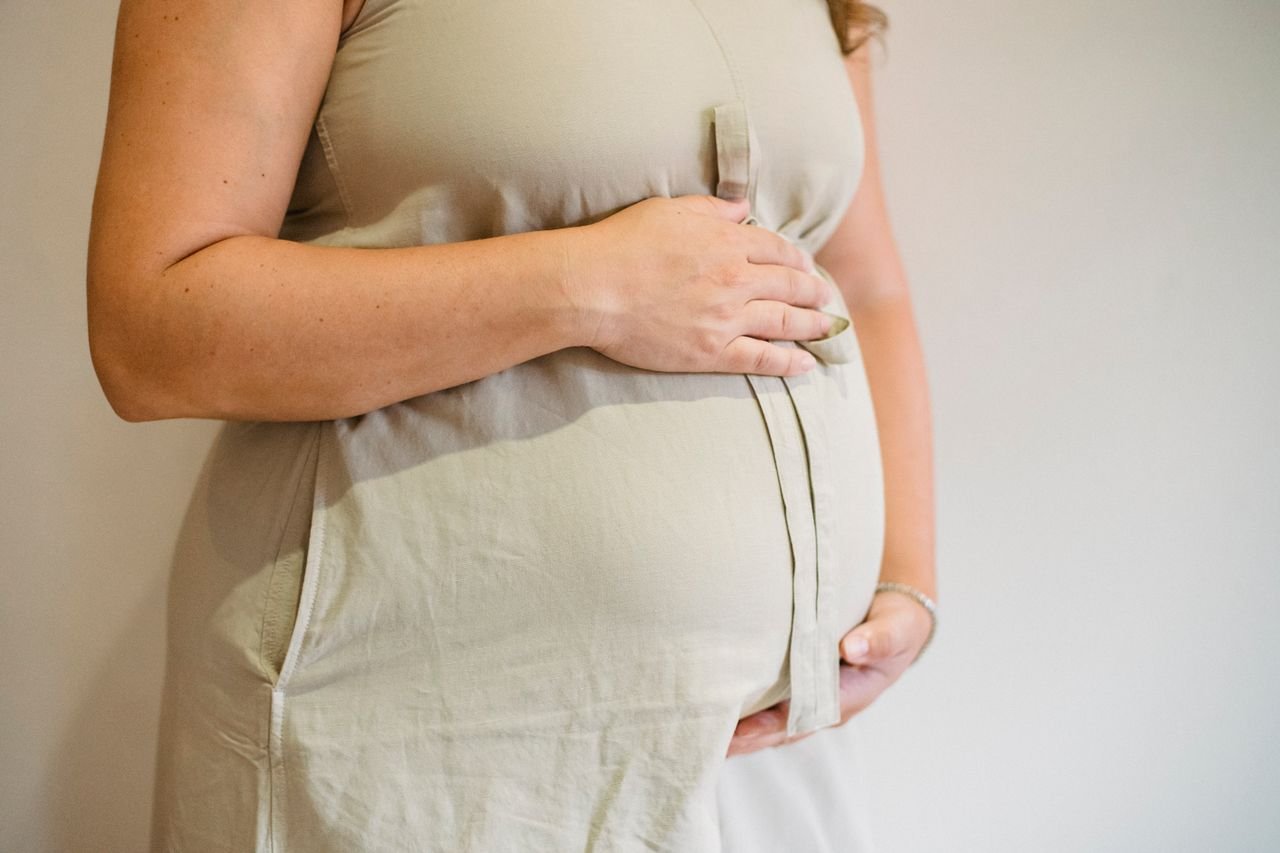
The third trimester is the final stretch of pregnancy, bringing exciting milestones as your baby continues to grow and your body prepares for labor and birth. At the same time, many women notice that pregnancy becomes more physically demanding during these final weeks.
A third trimester survival guide can help you understand what is happening, recognize common third trimester symptoms, prepare for delivery, and know when a symptom deserves medical attention.
The third trimester generally begins around week 28 and continues until your baby is born, whether that happens around the estimated due date or earlier or later. You may experience fatigue, heartburn, back pain, pelvic pressure, swelling, frequent urination, sleep problems, Braxton Hicks contractions and increasing baby movements.
This stage is not simply about “getting through” the last few weeks. It is an important period for monitoring your health, supporting your baby’s growth, preparing for labor and getting your home and family ready for a newborn.
Quick answer: The third trimester is the final stage of pregnancy, beginning around week 28 and continuing until birth. During this period, your baby grows rapidly, your body undergoes significant physical changes, and you may experience symptoms such as fatigue, heartburn, back pain, pelvic pressure, swelling and sleep difficulties. It is also the time to prepare for labor, delivery and the early days with your newborn.
When Does the Third Trimester Start?
The third trimester of pregnancy generally starts at 28 weeks of pregnancy and continues until delivery. Pregnancy is commonly described as approximately 40 weeks, although healthy babies can be born before or after the estimated due date.
The third trimester can feel very different from the first and second trimesters because your baby’s size increases substantially while your body is simultaneously preparing for birth.
Third trimester pregnancy weeks
A simple way to understand the final stage is:
- Weeks 28–30: You are entering the final trimester and may notice increasing fatigue, heartburn and baby movements.
- Weeks 31–33: Your growing uterus may increase pressure on your bladder, stomach, back and pelvis.
- Weeks 34–36: Physical discomfort may become more noticeable, while your baby continues gaining weight and preparing for birth.
- Weeks 37–40+: Your pregnancy reaches term, and labor may begin at any point.
Your healthcare provider may use slightly different terminology or recommendations depending on your individual pregnancy.
What happens to your baby during the third trimester?
The third trimester baby development period is characterized by significant growth and maturation.
Your baby continues to:
- Gain weight and body fat
- Develop the brain and nervous system
- Mature the lungs
- Practice breathing movements
- Develop more predictable sleep and wake patterns
- Strengthen movements
- Prepare for life outside the uterus
By the later weeks, many babies move into a head-down position, although fetal position can vary and may change during pregnancy.
Your baby may also feel increasingly active. As space becomes tighter, the movements may feel more like rolls, stretches and strong pushes rather than the lighter sensations you experienced earlier.
Third Trimester: What to Expect Week by Week
Understanding what to expect during the third trimester of pregnancy can make the final weeks feel more manageable.
Weeks 28–30
At 28 weeks, you are entering the third trimester. Your baby continues rapid growth, while your uterus becomes increasingly prominent.
Common experiences may include:
- Increased fetal movement
- Fatigue
- Heartburn
- Constipation
- Back discomfort
- Leg cramps
- Frequent urination
- Difficulty finding a comfortable sleeping position
Your prenatal visits continue to monitor your health and your baby’s development.
This is also a good time to start thinking about your birth preferences, hospital arrangements and the supplies you will need after delivery.
Weeks 31–33
During weeks 31 to 33, your growing uterus can put increasing pressure on surrounding organs.
You may experience:
- More frequent urination
- Breathlessness
- Backache
- Pelvic pressure
- Heartburn
- Sleep disruption
- Leg cramps
- Increasing fatigue
Your baby’s movements remain an important part of monitoring your pregnancy. Rather than focusing only on a universal number of movements, become familiar with your baby’s usual pattern and contact your maternity care team if you notice a significant change.
Weeks 34–36
By this point, pregnancy may feel physically demanding.
You may notice:
- Increased pelvic pressure
- More frequent Braxton Hicks contractions
- Greater difficulty sleeping
- Swelling in the feet or ankles
- More frequent bathroom trips
- Back or hip discomfort
- Increased vaginal discharge
Your baby continues to mature and gain weight. Your healthcare provider may also begin discussing labor, delivery, fetal position and what you should do when contractions begin.
Weeks 37–40+
At 37 weeks and beyond, your pregnancy has reached term according to standard obstetric definitions.
Your focus increasingly shifts toward:
- Recognizing signs of labor
- Monitoring fetal movement
- Staying in contact with your maternity team
- Keeping your hospital bag ready
- Resting as much as possible
- Preparing for your baby’s arrival
Some women go into labor before their estimated due date, while others remain pregnant beyond it. Your provider can explain what monitoring and next steps are appropriate if pregnancy continues past your due date.
Common Third Trimester Symptoms and How to Manage Them

The third trimester symptoms you experience are influenced by hormonal changes, your growing uterus, your baby’s position, sleep disruption and the physical demands of late pregnancy.
Not every pregnant woman experiences the same symptoms, and the severity can vary significantly.
Extreme fatigue
Third trimester fatigue can feel surprisingly intense, even if you had more energy during the second trimester.
Several factors can contribute, including:
- Poor sleep
- Increased physical demands
- The weight of the growing uterus
- Frequent urination
- Heartburn
- Leg cramps
- Emotional stress about labor and parenthood
Try to prioritize rest rather than viewing fatigue as something you must push through.
Short periods of daytime rest, asking family members for help and reducing unnecessary commitments can make a meaningful difference.
If fatigue is extreme, persistent or accompanied by symptoms such as dizziness, breathlessness, palpitations or unusual weakness, discuss it with your healthcare provider because conditions such as anemia may need to be considered.
Heartburn and acid reflux
Third trimester heartburn is common because pregnancy hormones can relax the muscle between the stomach and esophagus while the growing uterus puts pressure on the stomach.
Helpful strategies can include:
- Eating smaller meals
- Avoiding foods that trigger your symptoms
- Eating slowly
- Remaining upright after meals
- Avoiding lying down immediately after eating
- Discussing pregnancy-safe medications with your healthcare provider if lifestyle measures are insufficient
Do not automatically assume severe or unusual upper abdominal discomfort is heartburn. If pain is severe or accompanied by other concerning symptoms, seek medical advice.
Back pain
Third trimester back pain can occur as your body accommodates your growing baby and your posture changes.
You may find relief from:
- Maintaining comfortable posture
- Avoiding prolonged standing
- Wearing supportive footwear
- Using pillows for support while sleeping
- Gentle pregnancy-safe stretching
- Regular low-impact movement when medically appropriate
Persistent, severe or unusual back pain should be discussed with your healthcare provider, particularly if it occurs with bleeding, fluid leakage, fever, contractions or urinary symptoms.
Pelvic pressure and pelvic pain
As your baby grows and may move lower into the pelvis, you may experience increasing pressure.
Third trimester pelvic pain can be associated with changes in your joints, ligaments, posture and the baby’s position.
You may find it helpful to:
- Change positions regularly
- Avoid activities that clearly worsen the pain
- Use supportive pillows
- Ask your provider about appropriate exercises or physical therapy
Severe pelvic pain, sudden pressure accompanied by contractions, vaginal bleeding or fluid leakage requires prompt medical assessment.
Shortness of breath
Third trimester shortness of breath can occur because the growing uterus can limit how freely the diaphragm moves.
Try:
- Slowing your pace
- Taking regular breaks
- Maintaining an upright posture
- Sleeping with appropriate upper-body support if comfortable
However, sudden or severe breathing difficulty is not something to automatically attribute to pregnancy. Seek urgent medical evaluation for significant breathing problems, chest pain, fainting or other serious symptoms.
Frequent urination
Third trimester frequent urination is extremely common. Your growing uterus can place pressure on the bladder, while pregnancy-related changes can also affect urinary frequency.
You can reduce nighttime disruption by emptying your bladder before bed and limiting large amounts of fluid immediately before sleeping while still maintaining adequate hydration throughout the day.
Do not deliberately restrict fluids to avoid urination.
Burning, pain, fever, blood in the urine or other urinary symptoms should be discussed with your healthcare provider.
Constipation
Third trimester constipation can be related to hormonal changes, reduced physical activity, pressure from the uterus and iron supplements.
Helpful strategies may include:
- Eating fiber-rich foods
- Drinking enough fluids
- Eating fruits and vegetables
- Including whole grains and legumes
- Staying physically active when medically appropriate
Ask your healthcare provider before starting a laxative or stool-softening medication.
Swelling
Mild swelling of the feet and ankles can occur during pregnancy, particularly later in the day.
You may find it more comfortable to:
- Rest with your feet elevated
- Avoid standing for prolonged periods
- Change positions regularly
- Wear comfortable footwear
- Stay hydrated
However, sudden or significant swelling, especially involving the face or hands or accompanied by headache, visual changes or upper abdominal pain, should be assessed promptly because it can be associated with pregnancy complications.
Leg cramps
Third trimester leg cramps can occur particularly at night.
Gentle calf stretching, regular movement and adequate hydration may help.
If cramps are severe, persistent or accompanied by one-sided swelling, redness, warmth or significant pain, contact your healthcare provider.
Hemorrhoids
Hemorrhoids can become more common during pregnancy because of increased pressure in the pelvic area and constipation.
To reduce discomfort:
- Eat fiber-rich foods
- Drink enough fluids
- Avoid prolonged straining
- Stay physically active when appropriate
- Ask your provider about pregnancy-safe treatments
Third Trimester Sleep Survival Guide

Learning how to sleep comfortably in the third trimester can make a major difference to your overall well-being.
Why sleep becomes harder in the third trimester
Sleep may become challenging because of:
- A growing belly
- Frequent urination
- Heartburn
- Back pain
- Pelvic discomfort
- Leg cramps
- Baby movements
- Difficulty finding a comfortable position
- Anxiety about labor
It is normal for sleep quality to change as pregnancy progresses.
Best sleeping position during the third trimester
Many pregnant women find side sleeping the most comfortable position later in pregnancy.
Pillows can be placed:
- Between the knees
- Under the abdomen
- Behind the back
- Wherever additional support feels comfortable
If you wake up on your back, there is generally no reason to panic. Simply reposition yourself comfortably on your side.
If your healthcare provider has given you specific instructions about sleeping position because of your individual pregnancy circumstances, follow those recommendations.
Tips for better third trimester sleep
Try creating a consistent nighttime routine.
You can:
- Go to bed at a regular time
- Keep your bedroom comfortable and dark
- Use a pregnancy pillow
- Eat dinner early enough to reduce nighttime heartburn
- Empty your bladder before bed
- Practice gentle relaxation or breathing exercises
- Stay physically active during the day when appropriate
If insomnia becomes persistent or significantly affects your daily functioning, mention it at a prenatal appointment.
Third Trimester Nutrition: What Should You Eat?
A balanced third trimester pregnancy diet supports your health while providing nutrients your growing baby needs.
Pregnancy does not mean you need to follow a complicated diet. The focus should be on nutritional quality, food safety and adequate hydration.
Nutrients that matter in late pregnancy
Important nutrients include:
- Protein
- Iron
- Calcium
- Folate
- Vitamin D
- Omega-3 fatty acids
- Fiber
- Fluids
Your exact nutritional requirements depend on factors such as your health, diet, pregnancy and medical history.
Continue prenatal vitamins and supplements as recommended by your healthcare provider rather than adding supplements independently.
Best foods for the third trimester
A varied diet can include:
- Dal and other legumes
- Beans and chickpeas
- Eggs
- Paneer and pasteurized dairy products
- Curd or yogurt
- Vegetables
- Seasonal fruits
- Whole grains
- Ragi
- Nuts
- Seeds
- Lean meats or other protein sources
- Low-mercury seafood where appropriate
For Indian families, traditional meals can be excellent choices when prepared safely and balanced across food groups.
For example, dal with vegetables and roti, vegetable khichdi with curd, or rice with legumes and vegetables can provide a combination of carbohydrates, protein and micronutrients.
Third trimester hydration
Adequate hydration remains important throughout pregnancy.
Water should be your primary source of fluids, although soups, milk and water-rich foods can also contribute.
If frequent nighttime urination is disrupting sleep, spread your fluid intake throughout the day instead of substantially reducing your overall intake.
Foods to limit or avoid during pregnancy
Pregnancy food safety remains important during the third trimester.
Avoid or limit foods according to your healthcare provider’s guidance, including:
- Alcohol
- Unpasteurized foods
- Undercooked meat
- Undercooked eggs
- Certain high-mercury fish
- Foods with a high risk of contamination
- Excessive caffeine
Food should be stored, handled and cooked safely.
Third Trimester Exercise: Staying Active Safely

For many pregnant women, safe exercise during the third trimester can support mobility, strength and general well-being.
However, exercise recommendations should always be individualized if you have pregnancy complications or have been advised to restrict activity.
Benefits of pregnancy-safe exercise
Appropriate physical activity may help support:
- Physical fitness
- Mobility
- Muscle strength
- Mood
- Sleep
- General stamina
Pregnancy-friendly activities
Depending on your health and your provider’s recommendations, activities may include:
- Walking
- Prenatal yoga
- Swimming
- Gentle strength exercises
- Mobility exercises
- Pelvic floor exercises
The goal is not to achieve athletic performance. The focus is comfortable, appropriate movement.
When should you stop exercising and seek medical advice?
Stop exercising and seek medical advice if you experience concerning symptoms such as:
- Vaginal bleeding
- Fluid leakage
- Chest pain
- Severe dizziness or fainting
- Significant difficulty breathing
- Painful regular contractions
- Severe abdominal pain
- A noticeable reduction in fetal movement
Your healthcare provider can tell you which activities are appropriate for your pregnancy.
Baby Movement in the Third Trimester
Baby movement in the third trimester is one of the most important things to pay attention to.
What should fetal movement feel like?
Fetal movements may feel like:
- Kicks
- Rolls
- Stretching
- Pushing
- Twisting
- Hiccups
As your baby grows and available space decreases, movements may feel different from earlier pregnancy.
The important point is not that your baby must move exactly the same way as another woman’s baby. Instead, learn your baby’s typical pattern.
Does baby movement change near the due date?
It is common for the type of movement to change as your baby grows. You may feel more rolling, stretching and pushing rather than dramatic flips.
However, the idea that babies should simply “stop moving because there is no room” is not a reason to ignore a significant reduction in movement.
What should you do if your baby’s movements decrease?
If you notice that your baby’s movements are noticeably less than usual or the pattern has changed significantly, contact your maternity care team promptly.
Do not delay seeking medical advice because you are worried about “overreacting.” Reduced fetal movement deserves appropriate assessment.
Third Trimester Prenatal Appointments and Tests
As pregnancy progresses, prenatal care becomes increasingly focused on preparing for birth and monitoring both mother and baby.
What your healthcare provider may monitor
Depending on your pregnancy, your provider may check:
- Blood pressure
- Weight
- Baby’s growth
- Fetal heart rate
- Baby’s position
- Your symptoms
- Urine or blood tests when indicated
- Signs of pregnancy complications
The frequency of appointments can increase as you approach delivery.
Common third trimester tests
Tests vary depending on your individual health, pregnancy history and local clinical recommendations.
Some pregnant women may have:
- Blood tests
- Urine testing
- Ultrasound examinations when indicated
- Fetal monitoring when medically necessary
- Group B streptococcus screening where recommended
Your healthcare provider can explain which tests you need and why.
Questions to ask at your third trimester appointments
Consider asking:
- Is my baby’s growth progressing normally?
- What position is my baby in?
- Are my symptoms normal?
- When should I call the hospital or maternity team?
- How will I know when labor begins?
- What should I bring to the hospital?
- What happens if I go beyond my due date?
- Are there any activities I should avoid?
- Do I need any additional tests?
Third Trimester Warning Signs: When to Call Your Doctor
Knowing the third trimester warning signs is one of the most important parts of any third trimester survival guide.
Many late-pregnancy symptoms are uncomfortable but normal. Others can signal complications requiring urgent assessment.
Seek urgent medical attention for symptoms such as:
- Heavy vaginal bleeding
- Leakage of fluid from the vagina
- Regular painful contractions that may indicate labor
- Severe abdominal pain
- Severe or persistent headache
- Vision changes
- Sudden or significant swelling
- Chest pain
- Severe difficulty breathing
- Fainting
- Fever or feeling seriously unwell
- Noticeably decreased fetal movement
You should also follow any specific emergency instructions provided by your obstetrician or maternity team.
When should you call your doctor during the third trimester? Contact your maternity care team promptly if you experience vaginal bleeding, leaking fluid, regular painful contractions, severe pain, severe headache or vision changes, significant breathing difficulty, or a noticeable decrease in your baby’s usual movements.
Do not rely on an online article to determine whether a potentially serious symptom is safe. If something feels significantly different or concerning, contact your healthcare provider.
Braxton Hicks vs Real Labor Contractions
Understanding the difference between Braxton Hicks vs real contractions can help you feel more prepared.
| Braxton Hicks Contractions | True Labor Contractions |
|---|---|
| Often irregular | Tend to become more regular |
| May remain relatively mild | Usually become stronger over time |
| May ease with rest or position changes | Usually continue despite position changes |
| Do not follow a predictable progression | Develop an increasingly consistent pattern |
| Do not typically result in progressive cervical dilation | Associated with cervical changes |
These patterns are general rather than absolute. If you are unsure whether you are experiencing labor, contact your maternity team.
Signs Labor May Be Approaching
Learning the signs of labor in the third trimester can reduce anxiety as your due date approaches.
Baby dropping
Your baby’s head may move lower into the pelvis. You may notice increased pelvic pressure and possibly easier breathing if the pressure on your upper abdomen decreases.
Increased pelvic pressure
You may feel more pressure in your pelvis, particularly when standing or walking.
Changes in vaginal discharge
Vaginal discharge can change during late pregnancy. A mucus plug may also be released as the cervix changes.
Loss of mucus plug
Losing the mucus plug can occur before labor, but it does not necessarily mean labor will begin immediately.
Braxton Hicks becoming more noticeable
Practice contractions may become more noticeable as pregnancy progresses.
Regular contractions
True labor contractions tend to become increasingly regular, stronger and closer together.
Water breaking
Your membranes may rupture before or during labor. If you think your waters have broken, contact your maternity team for instructions, particularly if the fluid is unusual in color or odor or you have other concerning symptoms.
Third Trimester Hospital Bag Checklist
A third trimester hospital bag checklist can prevent last-minute stress.
You do not necessarily need to wait until the final week to pack. Many families find it helpful to have the essentials organized several weeks before the due date.
For the mother
Consider packing:
- Comfortable loose clothing
- Nursing bras if desired
- Toiletries
- Maternity pads
- Comfortable underwear
- Slippers
- Phone and charger
- Hair ties
- Going-home clothes
- Any prescribed medications
- Personal comfort items
For the baby
Pack:
- Newborn clothes
- Diapers
- Muslin cloths
- Blanket appropriate for the weather
- Socks or mittens if recommended
- Going-home outfit
Documents and essentials
Keep important items together, such as:
- Identification documents
- Medical records
- Insurance information where applicable
- Hospital registration details
- Emergency contact information
- Any documents requested by your maternity facility
Check with your hospital because their policies and recommended supplies can differ.
Third Trimester Baby Preparation Checklist
The third trimester baby preparation checklist is about making the first few weeks easier, not creating a perfect nursery.
Prepare the baby’s sleeping space
Set up a safe sleep area according to current infant safe-sleep recommendations.
Wash newborn clothes
Wash essential newborn clothing and organize it by size so that frequently used items are easy to find.
Organize diapers and feeding supplies
Keep diapers, wipes or cleaning supplies and feeding essentials together in convenient locations.
Install the infant car seat
If you will travel home by car, install the infant car seat ahead of time and check that it is appropriate for your baby’s size and correctly fitted.
Stock essential postpartum supplies
Think beyond the baby. Prepare items you may need for your own recovery, feeding and personal care.
Prepare a newborn feeding plan
Discuss feeding preferences and expectations with your healthcare provider and understand that feeding plans may need to adapt after birth.
Preparing Your Home for Baby
You do not need to completely transform your home before your baby arrives.
A practical setup can be much more useful than buying dozens of products.
Create a baby-care station
Keep commonly used items together so that you do not constantly need to search for them.
Organize feeding essentials
Create an easy-to-reach area for feeding supplies.
Prepare diaper-changing supplies
Have diapers, cleaning supplies and clothing changes accessible.
Stock easy-to-cook meals
Prepare freezer-friendly meals or keep simple ingredients available for the first few weeks.
Keep frequently used items within reach
Avoid unnecessary bending and stretching during the final weeks of pregnancy.
Prepare older siblings, if applicable
If you already have children, talk with them about the upcoming changes in age-appropriate language.
Emotional Health During the Third Trimester
Pregnancy is a major physical and emotional transition. It is completely possible to feel excited about meeting your baby while also feeling nervous about labor, delivery and becoming a parent.
Common emotions before birth
You may experience:
- Excitement
- Anxiety
- Fear of labor
- Irritability
- Mood changes
- Feeling overwhelmed
- Concern about whether you are prepared
These feelings can coexist.
How to reduce pregnancy-related stress
Try:
- Talking with your partner or trusted support person
- Discussing concerns with your healthcare provider
- Preparing your hospital bag early
- Limiting frightening or unrealistic birth stories
- Practicing relaxation techniques
- Getting adequate rest
- Breaking preparation tasks into small steps
When emotional changes need professional support
Do not dismiss persistent or severe emotional symptoms as simply a normal part of pregnancy.
Speak with a healthcare professional if you experience:
- Persistent sadness
- Severe anxiety
- Feeling unable to cope
- Significant changes in daily functioning
- Thoughts of harming yourself or someone else
Mental health deserves the same attention as physical health during pregnancy.
Third Trimester Self-Care Tips That Actually Help
If you are wondering how to survive the third trimester of pregnancy, focus on practical strategies rather than trying to do everything perfectly.
1. Prioritize sleep and rest
Rest is not laziness. Your body is performing substantial physical work.
2. Stay hydrated
Drink fluids consistently throughout the day.
3. Eat balanced meals
Focus on protein, vegetables, fruits, whole grains, healthy fats and nutrient-rich foods.
4. Keep moving when appropriate
Gentle walking, stretching and other approved activities can help maintain mobility.
5. Wear comfortable clothing
Choose supportive footwear and clothing that does not unnecessarily restrict movement.
6. Use pregnancy-support pillows
Pillows can support your belly, hips, knees and back during rest.
7. Keep prenatal appointments
Routine prenatal care allows your healthcare provider to monitor your health and your baby’s development.
8. Track your baby’s usual movement pattern
Know what is normal for your baby and report significant changes promptly.
9. Prepare your hospital bag early
Having essentials ready can reduce stress when labor begins.
10. Ask for help
Let your partner, family or friends assist with chores, shopping, cooking and other physically demanding tasks.
11. Make time for relaxation
Even 10 to 15 minutes of quiet time can help you mentally reset.
12. Keep important medical contacts accessible
Know how to reach your obstetrician, midwife, hospital or maternity unit.
What Your Partner Can Do During the Third Trimester
The third trimester can be physically demanding, and practical support can make a significant difference.
Partners can:
- Help with household tasks
- Prepare meals
- Attend prenatal appointments when possible
- Help organize the hospital bag
- Learn the signs of labor
- Know the route to the hospital
- Help install the infant car seat
- Encourage rest
- Provide emotional reassurance
- Help communicate with healthcare professionals if the mother is uncomfortable or overwhelmed
Support does not always need to be dramatic. Taking over routine chores can give a pregnant woman more time to rest.
Third Trimester Checklist: One-Month-at-a-Time
A simple checklist can make third trimester preparation feel less overwhelming.
Around 28–32 weeks
Focus on:
- Continuing prenatal appointments
- Reviewing your nutrition
- Maintaining appropriate physical activity
- Learning about labor
- Starting your hospital bag
- Reviewing essential newborn supplies
- Thinking about childcare or support arrangements if needed
Around 33–36 weeks
Prioritize:
- Finalizing your hospital bag
- Installing the infant car seat
- Washing newborn clothes
- Organizing baby supplies
- Discussing labor and delivery plans
- Confirming transportation arrangements
- Preparing postpartum essentials
- Knowing when to contact your maternity team
Around 37–40+ weeks
Keep your focus on:
- Monitoring your baby’s usual movements
- Recognizing signs of labor
- Keeping your hospital bag accessible
- Following prenatal appointment schedules
- Resting when possible
- Staying hydrated
- Keeping your transportation plan ready
- Following your healthcare provider’s instructions
Third Trimester FAQs
What should I expect during the third trimester?
During the third trimester, your baby grows rapidly while your body prepares for labor. Common experiences include fatigue, heartburn, back pain, pelvic pressure, swelling, frequent urination, sleep difficulties and Braxton Hicks contractions. Prenatal appointments may become more frequent as you approach delivery.
What are the most common third trimester symptoms?
Common third trimester pregnancy symptoms include fatigue, heartburn, constipation, back pain, pelvic pressure, frequent urination, leg cramps, swelling, shortness of breath and difficulty sleeping.
How can I survive the third trimester?
The best third trimester survival tips for moms include prioritizing rest, eating balanced meals, staying hydrated, staying active when medically appropriate, using comfortable sleep support, attending prenatal appointments, preparing your hospital bag and asking for help with physically demanding tasks.
How can I sleep better during the third trimester?
To improve third trimester sleep, try side sleeping with pillows supporting your belly and knees, maintain a consistent bedtime routine, manage heartburn triggers, empty your bladder before bed and keep your sleeping environment comfortable.
What should I eat during the third trimester?
A balanced third trimester pregnancy diet should include adequate protein, iron, calcium, folate, vitamin D, omega-3 fatty acids, fiber and fluids. Foods such as legumes, eggs, dairy, vegetables, fruits, whole grains, nuts and seeds can contribute to a nutrient-rich pregnancy diet.
Is walking safe during the third trimester?
For many pregnant women with uncomplicated pregnancies, walking can be an appropriate form of physical activity. However, exercise recommendations depend on individual health and pregnancy circumstances. Follow your healthcare provider’s guidance.
How much should my baby move in the third trimester?
There is no single movement pattern that applies to every baby. The important point is to become familiar with your baby’s usual pattern. A noticeable decrease or significant change in fetal movement should be reported promptly to your maternity care team.
What are the warning signs in the third trimester?
Important third trimester warning signs include heavy bleeding, leaking fluid, regular painful contractions, severe abdominal pain, severe headache, vision changes, sudden significant swelling, chest pain, severe breathing difficulty and noticeably decreased fetal movement.
How do I know if I’m having real labor contractions?
True labor contractions generally become stronger, longer and more regular over time and are associated with cervical changes. Braxton Hicks contractions are often irregular and may ease with rest or changing position. When in doubt, contact your maternity care team.
When should I pack my hospital bag?
Many women find it useful to prepare their third trimester hospital bag several weeks before the due date. Packing early gives you time to add documents, personal items, baby clothes and other essentials without rushing.
What happens at third trimester appointments?
Your healthcare provider may monitor your blood pressure, weight, baby’s growth, fetal heart rate, baby’s position and pregnancy symptoms. Additional tests or monitoring may be recommended depending on your individual circumstances.
What should I do during the last month of pregnancy?
During the last month, continue prenatal care, monitor your baby’s usual movements, prepare for labor, keep your hospital bag ready, organize transportation and prioritize rest. Learn when your healthcare provider wants you to call or come to the hospital.
What are the signs that labor is near?
Possible signs include increased pelvic pressure, changes in vaginal discharge, loss of the mucus plug, more noticeable contractions, regular labor contractions and rupture of the membranes. Some signs can occur before active labor, so they do not all mean delivery is immediate.
Final Takeaway: Your Third Trimester Survival Plan
The third trimester can be physically uncomfortable, emotionally intense and incredibly exciting. You are approaching one of the biggest transitions of pregnancy: meeting your baby.
The goal is not to make every day of the third trimester comfortable or perfect. Instead, focus on understanding your changing body, supporting your health, staying connected with your healthcare team and preparing practically for birth.
Your third trimester survival guide can be simple:
- Rest when your body asks for it.
- Eat a varied, nutrient-rich diet.
- Stay hydrated.
- Remain active if your healthcare provider says it is appropriate.
- Use pillows and other strategies to improve sleep and comfort.
- Keep your prenatal appointments.
- Learn your baby’s usual movement pattern.
- Prepare your hospital bag.
- Install your baby’s car seat.
- Organize essential newborn and postpartum supplies.
- Learn the signs of labor.
- Know the warning signs that require medical attention.
- Ask for help when you need it.
Most importantly, do not compare your pregnancy experience too closely with someone else’s. Third trimester symptoms, baby movements, labor preparation and emotional experiences can vary considerably.
If something feels unusual, severe or concerning, contact your healthcare provider rather than relying solely on an online pregnancy guide. Your maternity care team can assess your individual situation and give you advice specific to your pregnancy.
Medical Disclaimer: This article provides general educational information and is not a substitute for individualized medical advice, diagnosis or treatment. Pregnancy symptoms and recommendations can vary based on individual health and pregnancy circumstances. Always consult your obstetrician, midwife or other qualified healthcare professional for advice about your pregnancy, medications, exercise, nutrition, fetal movement, labor or concerning symptoms.