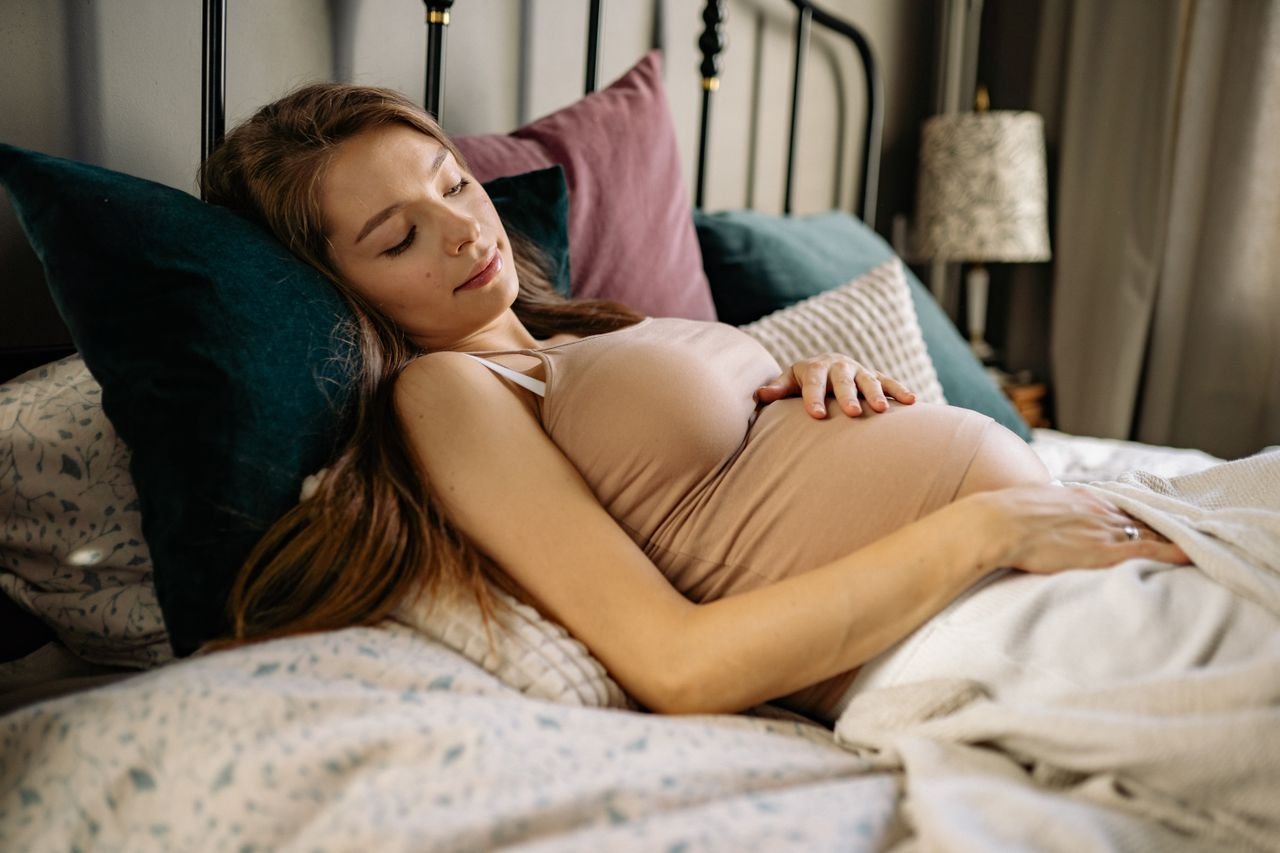

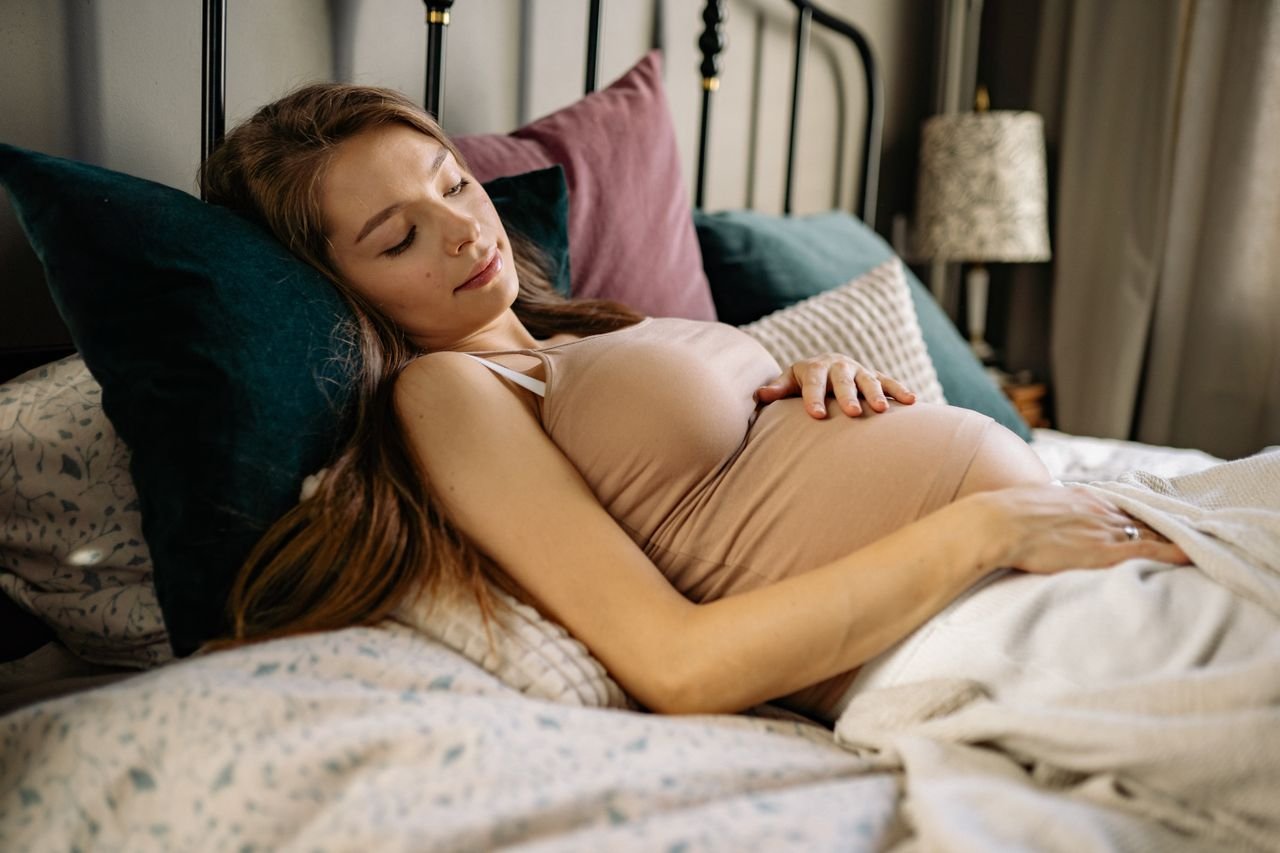
Pregnancy is an exciting journey filled with physical and emotional changes. While every milestone brings joy, many expectant mothers quickly realize that getting a good night’s sleep becomes increasingly challenging. As your baby grows, your body adapts in remarkable ways, making it harder to find a comfortable sleeping position during pregnancy.
From frequent bathroom trips and leg cramps to back pain, heartburn, and baby kicks, sleep disturbances are common throughout pregnancy. One of the biggest concerns many moms-to-be have is: What is the best sleeping position during pregnancy?
The good news is that with the right pregnancy sleeping position, supportive pillows, and healthy bedtime habits, you can improve your sleep quality while supporting your baby’s growth and your own comfort.
In this comprehensive guide, you’ll learn:
- The best sleeping position during pregnancy
- Why doctors recommend side sleeping
- Whether right side sleeping during pregnancy is safe
- When you should stop sleeping on your back
- Whether sleeping on your stomach during pregnancy is harmful
- The safest sleeping position during each trimester
- How pregnancy pillows can improve sleep
- Practical tips to reduce pregnancy sleep problems
- Common myths and facts about pregnancy sleep
Whether you’re in your first trimester, second trimester, or third trimester, this guide will help you understand how to sleep during pregnancy more comfortably and confidently.
Why Sleeping Position Matters During Pregnancy
Many women wonder if their pregnancy sleeping position really makes a difference. The answer is yes—especially during the second half of pregnancy.
As your uterus expands, it places increasing pressure on your muscles, joints, organs, and major blood vessels. The way you sleep can influence your comfort and may affect circulation, breathing, and digestive symptoms.
Fortunately, your body is designed to protect your baby. Most healthy pregnancies can tolerate occasional position changes during sleep, and it’s normal to move throughout the night. The goal isn’t to stay perfectly still but to begin sleep in a supportive position and return to it if you wake up.
1. Improves Blood Circulation
One of the biggest reasons healthcare providers recommend a proper sleeping position during pregnancy is improved blood circulation.
Your growing uterus can place pressure on the large veins that return blood from your lower body to your heart. Sleeping on your side helps reduce this pressure and supports healthy circulation to your uterus and placenta.
Healthy blood flow helps deliver:
- Oxygen
- Essential nutrients
- Hormones
- Immune support
to your developing baby.
This is one reason why the best side to sleep during pregnancy is generally considered side sleeping rather than lying flat on your back later in pregnancy.
2. Supports Placental Blood Flow
The placenta is your baby’s lifeline.
It provides:
- Oxygen
- Nutrition
- Waste removal
- Hormonal support
Good maternal circulation helps the placenta function efficiently.
A comfortable pregnancy sleep position that minimizes pressure on major blood vessels can support normal placental blood flow, particularly during the later months when the uterus is much larger.
3. Reduces Pressure on Major Blood Vessels
After approximately 20 weeks of pregnancy, lying flat on your back for prolonged periods may compress a large vein called the inferior vena cava.
This vein carries blood from your lower body back to your heart.
Compression may contribute to symptoms such as:
- Dizziness
- Lightheadedness
- Nausea
- Feeling faint
- Lower blood pressure
Not everyone experiences these symptoms, and simply rolling onto your side usually relieves the pressure.
4. Helps Reduce Swelling
Many pregnant women experience swelling in the:
- Feet
- Ankles
- Legs
- Hands
Improved circulation from side sleeping during pregnancy may help reduce fluid buildup and improve comfort, especially after a long day.
Supporting your legs with a pillow can provide additional relief.
5. Relieves Back and Hip Pain
As pregnancy progresses, the hormone relaxin loosens ligaments to prepare your body for childbirth. While this is a normal process, it can also contribute to instability, lower back discomfort, and hip pain.
A supportive comfortable sleeping position during pregnancy can:
- Reduce strain on your spine
- Keep your hips aligned
- Minimize pressure on your pelvis
- Ease muscle tension
Using pillows between your knees and under your abdomen may further improve alignment and reduce pain.
6. Improves Breathing
Your growing uterus gradually pushes upward against your diaphragm, leaving less room for your lungs to expand fully.
Some women notice:
- Mild shortness of breath
- Snoring
- Nasal congestion
- Interrupted sleep
Side sleeping often feels more comfortable than lying flat on your back because it can reduce pressure on your chest and help maintain an open airway.
If you experience loud snoring, pauses in breathing, or severe daytime sleepiness, discuss these symptoms with your healthcare provider.
7. Reduces Heartburn and Acid Reflux
Heartburn is one of the most common pregnancy complaints.
Hormonal changes relax the valve between the stomach and esophagus, making acid reflux more likely. As the uterus grows, it also places additional pressure on the stomach.
Many women find relief by:
- Sleeping on their side
- Elevating the upper body slightly
- Avoiding heavy meals close to bedtime
- Limiting spicy or fatty foods before sleep
8. Promotes Better Sleep Quality
Poor sleep affects more than just your energy levels.
Quality sleep supports:
- Maternal health
- Emotional well-being
- Immune function
- Tissue repair
- Healthy pregnancy routines
While it’s normal to wake up more frequently during pregnancy, creating a comfortable sleep environment and choosing a supportive pregnancy sleeping position can help you fall back asleep more easily.
Best Sleeping Position During Pregnancy

If you’re wondering, “What is the best sleeping position during pregnancy?”, the answer recommended by many obstetricians is:
Sleep on Your Side (Side-Lying Position)
Side sleeping is generally considered the safest and most comfortable option as pregnancy progresses.
It helps:
- Improve blood circulation
- Support placental function
- Reduce pressure on major blood vessels
- Ease back pain
- Reduce swelling
- Promote more comfortable breathing
- Support better sleep quality
Many healthcare providers encourage women to begin getting comfortable with side sleeping during the second trimester, although you don’t need to worry if you occasionally wake in a different position.
Left Side Sleeping During Pregnancy (The SOS Position)
You may have heard the phrase SOS—Sleep On Side.
This has long been one of the most common recommendations for pregnancy sleep.
Among side-sleeping positions, the left side sleeping pregnancy position is often preferred because it may optimize blood flow and reduce pressure on certain blood vessels.
Benefits of Left Side Sleeping During Pregnancy
1. Better Blood Flow
Sleeping on your left side helps support healthy circulation between your heart, uterus, placenta, and kidneys.
This may improve the delivery of oxygen and nutrients to your baby while also supporting your own circulation.
2. Supports Kidney Function
Your kidneys work harder during pregnancy to filter extra fluid and waste products.
Sleeping on your left side may help promote efficient circulation to the kidneys, which can contribute to normal fluid balance.
3. May Help Reduce Swelling
Better circulation may reduce fluid retention in the:
- Feet
- Ankles
- Legs
This is especially helpful during the third trimester when swelling tends to be more noticeable.
4. May Ease Back Pain
Keeping your knees slightly bent with a pillow between them helps align your hips and spine.
This simple adjustment can reduce lower back strain and make side sleeping much more comfortable.
5. Improves Overall Comfort
Many expectant mothers report that sleeping on the left side with supportive pillows under the belly and between the knees provides the most comfortable pregnancy sleeping position, particularly during the later months.
Remember, comfort matters too. If staying on one side becomes uncomfortable, it’s perfectly normal to switch sides during the night.
Is Right Side Sleeping During Pregnancy Safe?
One of the most frequently searched questions online is:
“Is right side sleeping during pregnancy safe?”
The reassuring answer is yes—for most healthy pregnancies, sleeping on your right side is generally considered safe.
While the left side is often recommended because of potential circulation advantages, research has not shown that briefly sleeping on the right side is harmful for most pregnant women.
If you naturally roll onto your right side while sleeping:
- There is usually no need to panic.
- Continue sleeping comfortably.
- Change positions if you become uncomfortable.
- Follow any individualized guidance provided by your healthcare provider, particularly if you have a high-risk pregnancy.
The most important takeaway is to prioritize side sleeping over prolonged back sleeping later in pregnancy, while allowing yourself to move naturally during the night.
Sleeping Positions to Avoid During Pregnancy
One of the most common questions expecting mothers ask is, “Which sleeping positions should I avoid during pregnancy?” While your body naturally changes positions during sleep, understanding which postures may become less comfortable or less ideal as pregnancy progresses can help you rest better.
It’s important to remember that you don’t need to stay in one position all night. Most pregnant women naturally change positions several times while sleeping. If you wake up in a different position, simply adjust yourself back to a comfortable side-sleeping position.
Let’s look at the two sleeping positions that most moms are concerned about.
Sleeping on Your Back While Pregnant
Many women worry after waking up on their back during pregnancy. The good news is that waking up on your back occasionally is common and usually not a reason to panic. Your body’s discomfort often prompts you to change positions naturally.
However, after around 20 weeks of pregnancy, healthcare providers generally recommend avoiding prolonged back sleeping.
Why Is Back Sleeping Not Recommended Later in Pregnancy?
As your baby grows, your uterus becomes heavier.
When you lie flat on your back, the uterus may place pressure on the inferior vena cava, a large vein that carries blood from your lower body back to your heart.
This pressure can reduce blood return to the heart and may lead to symptoms such as:
- Dizziness
- Lightheadedness
- Feeling faint
- Low blood pressure
- Nausea
- Increased back discomfort
In some women, prolonged back sleeping may also contribute to:
- Reduced comfort
- Increased snoring
- Worsening sleep apnea
- Poor sleep quality
This is why many experts recommend transitioning to a side sleeping pregnancy position during the second and third trimesters.
What If I Wake Up on My Back?
One of the most searched long-tail keywords is:
“What should I do if I wake up on my back while pregnant?”
The answer is simple.
There’s no need to panic.
Simply roll back onto your left or right side and continue sleeping. Your body usually alerts you if a position becomes uncomfortable, making it unlikely that you’ll remain in one uncomfortable position for an extended period.
Can Sleeping on Your Back Hurt Your Baby?
Current research suggests that regularly sleeping on your side later in pregnancy is associated with better maternal comfort and circulation. However, accidentally rolling onto your back while asleep does not automatically mean you’ve harmed your baby.
If you have:
- High blood pressure
- Twin pregnancy
- Placenta-related complications
- Heart disease
- Sleep apnea
- Other high-risk pregnancy conditions
follow the specific advice provided by your obstetrician regarding your pregnancy sleeping position.
Sleeping on Your Stomach During Pregnancy
Another common concern is:
“Can I sleep on my stomach during pregnancy?”
The answer depends largely on which trimester you’re in.
During the First Trimester
In early pregnancy, sleeping on your stomach during pregnancy is generally considered safe if it feels comfortable.
Your uterus is still small and remains protected within your pelvis.
Many women don’t even realize they’re pregnant during the earliest weeks and continue sleeping in their usual position without causing harm to the baby.
During the Second Trimester
As your abdomen begins to expand, stomach sleeping usually becomes less comfortable.
Your growing belly naturally encourages you to transition to side sleeping.
Although the baby is well protected by:
- The uterus
- Amniotic fluid
- Abdominal muscles
most women find stomach sleeping impractical by this stage.
During the Third Trimester
By the third trimester, sleeping on your stomach while pregnant is generally no longer comfortable for most women due to the size of the uterus.
Instead, side sleeping with supportive pillows offers significantly greater comfort and better spinal alignment.
Is Sleeping Face Down Dangerous?
Many expecting mothers search:
“Is sleeping face down during pregnancy dangerous?”
In most healthy pregnancies, the baby remains extremely well protected by:
- The uterus
- Amniotic fluid
- Strong uterine muscles
- Abdominal tissues
The biggest issue with stomach sleeping isn’t that it harms the baby—it simply becomes uncomfortable as pregnancy advances.
Sleeping in a Recliner During Pregnancy
Some women with severe:
- Acid reflux
- Heartburn
- Breathing difficulty
- Congestion
wonder if sleeping in a recliner is acceptable.
Sleeping in a recliner for short periods may provide temporary relief from heartburn and breathing discomfort. However, it shouldn’t become your regular sleep position unless specifically recommended by your healthcare provider.
Whenever possible, transition back to a comfortable side-sleeping position in bed.
Best Sleeping Position by Trimester
Your body changes dramatically throughout pregnancy, and so do your sleep needs. Here’s a trimester-wise guide to help you understand how to sleep during pregnancy safely and comfortably.
First Trimester Sleeping Position (Weeks 1–12)
During the first trimester, your baby is still very small, and your uterus remains within the pelvis.
Best Sleeping Positions
✔ Left side
✔ Right side
✔ Back (if comfortable)
✔ Stomach (if comfortable)
At this stage, the primary causes of sleep disturbances are hormonal changes rather than belly size.
Common First Trimester Sleep Problems
- Morning sickness
- Frequent urination
- Breast tenderness
- Fatigue
- Mood swings
- Increased body temperature
Tips for Better Sleep
- Sleep whenever you’re tired.
- Drink enough water during the day.
- Reduce fluids just before bedtime.
- Maintain a regular bedtime routine.
- Begin practicing side sleeping if possible.
Many experts encourage developing the habit of side sleeping during pregnancy early so the transition is easier later.
Second Trimester Sleeping Position (Weeks 13–27)

Often called the “honeymoon phase” of pregnancy, the second trimester usually brings increased energy and reduced nausea.
However, your growing uterus now begins changing your center of gravity and sleep comfort.
Best Sleeping Position During Second Trimester
✅ Left side sleeping
✅ Right side sleeping
Side sleeping becomes the preferred pregnancy sleep position during this stage.
Why Side Sleeping Becomes Important
It helps:
- Improve circulation
- Reduce back pain
- Support the growing uterus
- Minimize pressure on blood vessels
- Improve overall comfort
Helpful Pillow Placement
Place pillows:
- Between your knees
- Under your belly
- Behind your back
This improves spinal alignment and reduces pressure on the hips.
Third Trimester Sleeping Position (Weeks 28–40)
The third trimester is often the most challenging time for sleep.
Your growing baby occupies more space, making it difficult to find a comfortable position.
Best Sleeping Position During Third Trimester
Doctors generally recommend:
✔ Left side sleeping
✔ Alternate between left and right sides throughout the night
Avoid remaining flat on your back for prolonged periods if possible.
Common Third Trimester Sleep Problems
- Baby movements
- Leg cramps
- Heartburn
- Hip pain
- Pelvic girdle pain
- Lower back pain
- Shortness of breath
- Frequent urination
- Pregnancy insomnia
This is also when a pregnancy pillow becomes especially helpful.
Week-by-Week Sleeping Guide During Pregnancy
Every pregnancy is unique, but this general timeline can help you understand how your sleeping needs change as your baby grows.
Weeks 1–4
Your body is just beginning to experience hormonal changes.
Recommended sleeping position:
- Any comfortable position
Main symptoms:
- Fatigue
- Mild cramping
- Breast tenderness
Weeks 5–8
Morning sickness often appears.
Sleep Tips:
- Eat a light bedtime snack if nausea occurs.
- Keep crackers nearby.
- Stay hydrated.
Comfortable sleeping positions include:
- Left side
- Right side
- Back
- Stomach
Weeks 9–12
Hormones continue affecting sleep.
Common symptoms:
- Vivid dreams
- Nighttime bathroom trips
- Fatigue
Now is a good time to begin practicing sleeping on your side during pregnancy.
Weeks 13–16
Energy usually improves.
Start using a small pillow between your knees if you notice hip discomfort.
Weeks 17–20
The uterus grows significantly.
Doctors often recommend making side sleeping your regular habit from this point onward.
Weeks 21–24
Your belly becomes more noticeable.
Helpful additions include:
- Belly support pillow
- Knee pillow
- Extra lumbar support
Weeks 25–28
Many women begin experiencing:
- Heartburn
- Leg cramps
- Hip pain
Sleeping on your left side may help reduce discomfort.
Weeks 29–32
Baby movements become stronger.
You may need to switch sides several times during the night.
This is completely normal.
Weeks 33–36
Sleep interruptions become more frequent.
Helpful strategies include:
- Pregnancy pillow
- Light stretching
- Warm shower before bed
- Comfortable mattress support
Weeks 37–40
Your body prepares for labor.
You may wake frequently due to:
- Braxton Hicks contractions
- Pelvic pressure
- Baby dropping lower
- Frequent urination
Focus on comfort rather than trying to remain perfectly still. Switching between your left and right sides throughout the night is normal and can help relieve pressure points.
Best Sleeping Position by Pregnancy Stage
| Pregnancy Stage | Recommended Sleeping Position |
|---|---|
| Weeks 1–12 | Any comfortable position |
| Weeks 13–20 | Begin transitioning to side sleeping |
| Weeks 21–40 | Side sleeping (left or right), with left often preferred for circulation |
| Twin Pregnancy | Side sleeping with extra pillow support, following your healthcare provider’s advice |
How Pregnancy Pillows Improve Sleep

As your pregnancy progresses, even the best sleeping position during pregnancy may not feel comfortable without proper support. This is where pregnancy pillows can make a significant difference.
Pregnancy pillows are specially designed to support your growing belly, hips, knees, neck, and back while helping maintain a healthy pregnancy sleeping position. They can improve spinal alignment, reduce pressure on joints, and make it easier to stay on your side throughout the night.
Whether you’re experiencing pregnancy back pain while sleeping, pelvic discomfort, or simply struggling to get comfortable, the right pillow can help you enjoy deeper, more restful sleep.
Benefits of Using a Pregnancy Pillow
A well-designed pregnancy pillow can:
- Support your growing baby bump
- Reduce lower back pain
- Minimize hip and pelvic pressure
- Improve spinal alignment
- Relieve neck and shoulder tension
- Help reduce swelling in the legs
- Encourage side sleeping
- Improve sleep quality during the second and third trimesters
While pregnancy pillows are helpful, they are not mandatory. Regular pillows placed strategically can provide similar support if you don’t want to invest in a specialized pillow.
Types of Pregnancy Pillows
Choosing the best pregnancy pillow for sleeping depends on your body type, sleeping habits, and budget.
1. U-Shaped Pregnancy Pillow
The U-shaped pillow is one of the most popular choices among pregnant women.
Best For
- Third trimester
- Full-body support
- Frequent position changes
- Women with back pain
Advantages
✔ Supports both sides of the body
✔ Cushions the belly
✔ Supports the back
✔ Keeps hips aligned
✔ Reduces the need to reposition pillows
Drawbacks
- Takes up more bed space
- Can feel warm during summer
- Usually more expensive than standard pillows
Ideal for: Moms looking for maximum overnight support.
Check Out On Amazon
2. C-Shaped Pregnancy Pillow
The C-shaped pillow wraps around one side of the body.
Best For
- Hip pain
- Pelvic pain
- Belly support
- Side sleeping
Advantages
- Supports the head, belly, and knees
- Smaller than U-shaped pillows
- Easier to move around
Drawbacks
- Doesn’t provide equal back support unless repositioned
Ideal for: Women who primarily sleep on one side.
Check Out On Amazon
3. Wedge Pillow
A wedge pillow is small but surprisingly effective.
Uses
- Under the belly
- Behind the back
- Under the knees
- Under the feet
- Elevating the upper body
Benefits
- Affordable
- Lightweight
- Easy to travel with
- Excellent for localized support
A wedge pillow is particularly useful for relieving heartburn during pregnancy by slightly elevating the upper body.
Check Out On Amazon
4. Full Body Pillow
A regular full-length body pillow can also work well during pregnancy.
It supports:
- Head
- Neck
- Belly
- Knees
- Ankles
Many women prefer this option because it’s versatile and can continue to be used after pregnancy.
Check Out On Amazon
Which Pregnancy Pillow Is Best?
There is no single “best” pillow for every expecting mother.
| Sleep Concern | Recommended Pillow |
|---|---|
| Back pain | U-Shaped Pillow |
| Hip pain | C-Shaped Pillow |
| Pelvic pain | C-Shaped or U-Shaped |
| Heartburn | Wedge Pillow |
| Budget-friendly option | Full Body Pillow or Regular Pillows |
| Frequent travel | Wedge Pillow |
The most important factor is choosing a pillow that helps you maintain a comfortable side sleeping pregnancy position without straining your neck, back, or hips.
Best Pillow Placement for Comfortable Sleep

Many women buy pregnancy pillows but don’t know how to position them effectively. Proper pillow placement can make a remarkable difference in your comfort.
Pillow Between the Knees
One of the simplest yet most effective sleep hacks is placing a pillow between your knees.
Benefits
- Keeps hips aligned
- Reduces lower back strain
- Relieves pressure on the pelvis
- Decreases hip pain
This is especially beneficial if you experience pelvic girdle pain during pregnancy.
Pillow Under the Belly
As your baby grows, the weight of your abdomen can pull on your lower back.
Placing a small pillow under your belly helps:
- Support abdominal muscles
- Reduce pressure on the spine
- Minimize belly pulling sensation
- Improve comfort during side sleeping
Pillow Behind Your Back
Many women accidentally roll onto their back during sleep.
A pillow placed behind your back provides:
- Gentle support
- Better posture
- Reduced back pressure
- A reminder to stay comfortably on your side
Pillow Under Your Feet
If you’re experiencing swollen feet or ankles, elevating your legs slightly with a pillow may improve comfort after consulting your healthcare provider.
Benefits include:
- Reduced swelling
- Better circulation
- Less pressure on the ankles
Pillow Under the Head and Neck
Proper neck alignment is often overlooked.
Your head pillow should:
- Keep your neck in a neutral position
- Prevent shoulder strain
- Support natural spinal alignment
Using too many head pillows can increase neck pain, while a pillow that’s too flat may not provide enough support.
Common Pregnancy Sleep Problems (And Practical Solutions)
Sleep challenges are a normal part of pregnancy. Understanding why they happen—and what you can do about them—can help you rest more comfortably.
1. Back Pain While Sleeping During Pregnancy
Back pain is one of the most common reasons women struggle with sleeping position during pregnancy.
Why It Happens
- Growing uterus
- Shift in center of gravity
- Hormonal ligament relaxation
- Weak core muscles
- Poor sleeping posture
Solutions
✔ Sleep on your side.
✔ Place a pillow between your knees.
✔ Support your belly with a small pillow.
✔ Stretch gently before bedtime if approved by your healthcare provider.
✔ Use a supportive mattress.
✔ Avoid lifting heavy objects during the day.
2. Hip Pain During Pregnancy
Hip pain becomes more noticeable during the second and third trimesters.
Causes
- Relaxin hormone
- Increased body weight
- Side sleeping pressure
- Pelvic widening
What Helps
- Switch sides during the night.
- Use a thick pillow between your knees.
- Consider a mattress topper if your mattress is too firm.
- Perform gentle prenatal stretches with your provider’s approval.
3. Pelvic Girdle Pain
Pelvic girdle pain can make turning in bed difficult.
Helpful Tips
- Keep your knees together when rolling over.
- Avoid sudden twisting movements.
- Use pillows under your belly and between your knees.
- Get out of bed by rolling onto your side first.
If pelvic pain becomes severe or limits your daily activities, speak with your obstetrician or a physiotherapist experienced in prenatal care.
4. Heartburn During Pregnancy
Heartburn affects many pregnant women, especially during the third trimester.
Why It Happens
- Pregnancy hormones relax the valve between the stomach and esophagus.
- The growing uterus places pressure on the stomach.
Sleep Tips
- Sleep on your side.
- Elevate your upper body slightly with a wedge pillow.
- Avoid spicy, fried, and fatty foods before bedtime.
- Finish dinner at least 2–3 hours before sleeping.
- Eat smaller evening meals instead of heavy dinners.
Persistent or severe heartburn should be discussed with your healthcare provider.
5. Frequent Urination at Night
It’s common to wake several times at night to use the bathroom.
Why It Happens
- Increased blood volume
- Hormonal changes
- Pressure from the growing uterus on the bladder
Helpful Tips
- Stay well hydrated during the day.
- Reduce large amounts of fluids in the hour or two before bedtime (unless advised otherwise).
- Empty your bladder completely before going to sleep.
- Lean slightly forward while urinating to help empty the bladder fully.
6. Leg Cramps During Pregnancy
Painful calf cramps often occur during the second half of pregnancy.
Possible Causes
- Muscle fatigue
- Changes in circulation
- Mineral imbalances
- Pressure on nerves
Relief Tips
✔ Stretch your calf muscles before bed.
✔ Stay hydrated.
✔ Wear supportive footwear during the day.
✔ Gently flex your foot upward if a cramp occurs.
Discuss recurring or severe cramps with your healthcare provider.
7. Baby Kicks Keeping You Awake
Many babies become more active in the evening or when you’re resting quietly.
What Can Help
- Change positions slowly.
- Practice relaxation breathing.
- Listen to calming music.
- Read a book instead of using screens.
- Remember that fetal movement is usually a reassuring sign of your baby’s well-being.
If you notice a significant decrease in your baby’s usual movements, contact your healthcare provider promptly.
8. Shortness of Breath While Sleeping
As your uterus expands, it pushes upward against the diaphragm, making breathing feel more difficult.
Helpful Strategies
- Sleep on your side.
- Elevate your upper body with pillows.
- Maintain good posture during the day.
- Avoid eating large meals before bed.
Seek immediate medical care if shortness of breath is sudden, severe, or accompanied by chest pain.
9. Restless Legs Syndrome (RLS)
Some pregnant women experience an irresistible urge to move their legs, especially at night.
Symptoms
- Tingling
- Crawling sensation
- Leg discomfort
- Temporary relief with movement
Ways to Reduce Symptoms
- Gentle stretching before bed
- Warm bath
- Leg massage
- Moderate daytime activity (if approved by your provider)
- Good sleep hygiene
If symptoms are persistent, your healthcare provider may evaluate for iron deficiency or other contributing factors.
10. Pregnancy Insomnia
Pregnancy insomnia is one of the most searched pregnancy sleep concerns.
Common Causes
- Anxiety
- Hormonal changes
- Frequent urination
- Heartburn
- Baby movements
- Back pain
- Leg cramps
- Excitement about the baby’s arrival
Natural Ways to Improve Sleep
- Follow a consistent sleep schedule.
- Keep your bedroom cool, quiet, and dark.
- Limit screen time before bed.
- Practice deep breathing or meditation.
- Read a relaxing book.
- Drink warm milk if it suits you.
- Avoid caffeine late in the day.
- Use supportive pillows.
If insomnia is severe or persists for weeks, discuss it with your healthcare provider rather than taking sleep medications without medical advice.
Sleeping with Twins During Pregnancy
Carrying twins (or multiples) places additional demands on your body. As your uterus grows more rapidly than in a singleton pregnancy, finding a comfortable sleeping position during pregnancy can become challenging much earlier.
Many women expecting twins experience:
- Increased back pain
- Greater pelvic pressure
- More frequent heartburn
- Shortness of breath
- Difficulty changing positions
- Increased fatigue
- Frequent nighttime bathroom visits
Fortunately, a few simple adjustments can significantly improve comfort.
Best Sleeping Position for Twin Pregnancy
Healthcare providers generally recommend side sleeping, particularly during the second and third trimesters.
Why Side Sleeping Helps
Sleeping on your side may:
- Support healthy blood circulation
- Reduce pressure on major blood vessels
- Improve breathing comfort
- Help reduce swelling
- Relieve lower back pressure
- Support placental blood flow
While left side sleeping during pregnancy is often preferred because of potential circulation benefits, alternating between your left and right side is usually acceptable if your healthcare provider has not advised otherwise.
Use Extra Pillows for Support
Twin pregnancies often require additional support.
Consider placing pillows:
✔ Between your knees
✔ Under your belly
✔ Behind your back
✔ Under your ankles
✔ Under one arm for shoulder support
Many mothers carrying twins find a U-shaped pregnancy pillow particularly comfortable because it provides full-body support without requiring multiple pillows.
Change Positions Naturally
Don’t worry about staying perfectly still all night.
Changing positions:
- Relieves pressure points
- Improves comfort
- Reduces hip soreness
- Helps prevent stiffness
Move slowly when turning to avoid straining your abdominal muscles or pelvis.
Sleep Earlier
Twin pregnancies often cause increased fatigue.
Aim for:
- 8–10 hours of nighttime sleep
- Short daytime naps if needed
Listen to your body and rest whenever possible.
15 Expert Tips to Sleep Better During Pregnancy
Even with the best sleeping position during pregnancy, you may still experience interrupted sleep. The following evidence-informed habits can help improve sleep quality throughout all three trimesters.
1. Follow a Consistent Sleep Schedule
Go to bed and wake up at approximately the same time every day.
A regular sleep routine helps regulate your body’s internal clock and may make it easier to fall asleep.
2. Sleep on Your Side
The best side to sleep during pregnancy is generally your left side, although right-side sleeping is also considered safe for most healthy pregnancies.
Side sleeping helps:
- Improve circulation
- Reduce back pain
- Support the placenta
- Improve comfort
3. Use Pregnancy Pillows
Support pillows can reduce pressure on:
- Belly
- Hips
- Knees
- Lower back
Experiment with different pillow arrangements to find what feels best for you.
4. Avoid Heavy Meals Before Bed
Large meals can worsen:
- Heartburn
- Acid reflux
- Indigestion
Instead:
- Eat dinner 2–3 hours before bedtime.
- Choose lighter evening meals.
- Avoid excessive spicy or greasy foods if they trigger symptoms.
5. Limit Caffeine
Caffeine may interfere with sleep.
Try limiting:
- Coffee
- Tea
- Cola
- Energy drinks
- Chocolate late in the day
Follow your healthcare provider’s guidance on safe daily caffeine intake during pregnancy.
6. Stay Hydrated—But Time It Well
Drink plenty of fluids during the day.
Reduce large amounts of fluid close to bedtime to minimize nighttime bathroom trips while still meeting your daily hydration needs.
7. Stretch Before Bed
Gentle prenatal stretching may help relieve:
- Hip stiffness
- Back pain
- Leg cramps
- Muscle tightness
Always choose pregnancy-safe stretches and stop if you experience pain or dizziness.
8. Practice Relaxation Techniques
Relaxation before bedtime can help reduce stress and improve sleep.
Try:
- Deep breathing
- Guided meditation
- Pregnancy-safe mindfulness exercises
- Gentle prenatal yoga (with medical approval)
9. Reduce Screen Time
Blue light from phones, tablets, and televisions may interfere with melatonin production.
Try switching off screens at least 30–60 minutes before bedtime and opt for calming activities such as reading or listening to soft music.
10. Keep Your Bedroom Comfortable
A sleep-friendly environment can make a noticeable difference.
Aim for:
- A cool room temperature
- Comfortable bedding
- Minimal noise
- Dim lighting
Consider blackout curtains if outside light disrupts your sleep.
11. Wear Comfortable Sleepwear
Loose-fitting cotton clothing can help regulate body temperature and reduce discomfort.
Avoid clothing that feels tight around the abdomen or chest.
12. Stay Physically Active During the Day
If approved by your healthcare provider, regular pregnancy-safe physical activity may improve sleep quality.
Examples include:
- Walking
- Prenatal yoga
- Swimming
- Gentle stretching
Avoid vigorous exercise close to bedtime.
13. Avoid Sleeping Flat After Mid-Pregnancy
After approximately 20 weeks, prolonged back sleeping may become less comfortable due to the growing uterus.
Beginning your sleep on your side can make it easier to maintain a comfortable pregnancy sleeping position.
14. Don’t Watch the Clock
If you wake up at night, avoid repeatedly checking the time.
Instead:
- Take slow breaths.
- Change positions if needed.
- Relax your muscles.
- Return to sleep naturally.
Watching the clock can increase anxiety and make falling asleep more difficult.
15. Ask for Help When You Need It
Pregnancy is physically demanding.
If you’re exhausted:
- Accept help with household chores.
- Rest during the day when possible.
- Share responsibilities with your partner or family.
Adequate rest supports both maternal health and overall well-being.
Pregnancy Sleep Myths vs Facts
There is a lot of misinformation online about pregnancy sleeping positions. Let’s separate fact from fiction.
| Myth | Fact |
|---|---|
| You must sleep only on your left side throughout pregnancy. | Left-side sleeping is often recommended because of potential circulation benefits, but right-side sleeping is also generally considered safe for most healthy pregnancies. |
| Sleeping on your back for one minute will hurt your baby. | Brief periods on your back or waking up on your back are common. Simply return to your side when you notice. |
| Sleeping on your stomach squashes the baby. | Early in pregnancy, stomach sleeping is generally safe. The uterus and amniotic fluid protect your baby. It usually becomes uncomfortable naturally as pregnancy progresses. |
| Pregnancy pillows are required. | Pregnancy pillows can improve comfort, but regular pillows placed strategically can also provide excellent support. |
| Poor sleep means your baby isn’t getting enough oxygen. | Occasional restless nights are common. However, persistent sleep problems or symptoms such as breathing pauses should be discussed with your healthcare provider. |
| Pregnant women should stay in one sleeping position all night. | Your body naturally changes positions while sleeping. Movement is normal and expected. |
| Insomnia during pregnancy is unusual. | Pregnancy insomnia is very common, especially during the third trimester. |
| Sleeping more than 8 hours is harmful. | Many pregnant women need more sleep than usual. Quality rest is important for maternal health. |
| Napping means you’ll sleep poorly at night. | Short daytime naps can be beneficial, particularly if nighttime sleep is interrupted. Long evening naps, however, may make it harder to fall asleep later. |
| Every pregnant woman experiences the same sleep problems. | Every pregnancy is different. Symptoms, comfort levels, and sleep patterns vary from person to person. |
When Should You Call Your Doctor?
Sleep disturbances are common during pregnancy, but some symptoms require medical attention.
Contact your healthcare provider if you experience:
Severe Insomnia
If you are unable to sleep for several nights despite practicing healthy sleep habits and it begins affecting your daily life, discuss it with your provider.
Loud Snoring or Breathing Pauses
Persistent loud snoring, gasping, or pauses in breathing during sleep may be signs of obstructive sleep apnea, which should be evaluated during pregnancy.
Severe Swelling
Mild swelling is common.
However, seek medical advice if you notice:
- Sudden swelling of the face
- Significant swelling of the hands
- Rapid swelling in the legs
- Swelling accompanied by severe headache or vision changes
These symptoms may require prompt evaluation.
Persistent Chest Pain
Chest pain should never be ignored during pregnancy.
Seek immediate medical care if you experience chest pain, especially if it is severe or associated with difficulty breathing, fainting, or pain spreading to your arm, jaw, or back.
Severe Shortness of Breath
Mild breathlessness can occur as your pregnancy progresses.
However, seek urgent medical attention if you experience:
- Sudden or severe shortness of breath
- Difficulty breathing while resting
- Blue lips or fingertips
- Chest pain
- Fainting
Persistent Dizziness or Fainting
Occasional lightheadedness may occur, but repeated dizziness or fainting episodes should always be assessed by a healthcare provider.
Severe Headaches with Vision Changes
If headaches are severe or accompanied by blurred vision, flashing lights, or swelling, contact your healthcare provider promptly.
Decreased Fetal Movement
If your baby is moving significantly less than usual, especially during the third trimester, contact your maternity care team immediately for guidance.
Severe Leg Pain or Swelling in One Leg
Pain, redness, warmth, or swelling in only one leg requires prompt medical evaluation because it may indicate a blood clot.
High Fever
A fever during pregnancy should always be discussed with your healthcare provider, especially if accompanied by other concerning symptoms.
Red Flags That Require Emergency Medical Attention
Seek emergency care immediately if you experience:
- Heavy vaginal bleeding
- Loss of consciousness
- Severe chest pain
- Difficulty breathing
- Seizures
- Severe abdominal pain
- Sudden vision loss
- Persistent leaking of fluid before labor
- Signs of preterm labor (such as regular contractions before 37 weeks)
Expert Recommendations for Sleeping During Pregnancy
While there is no “perfect” sleeping position that every pregnant woman must maintain throughout the night, medical experts agree on one important principle: prioritize comfort while encouraging side sleeping as pregnancy progresses.
Organizations such as the American College of Obstetricians and Gynecologists (ACOG) and the NHS (UK) advise that side sleeping from the second half of pregnancy is associated with better maternal comfort and healthy circulation. However, they also reassure mothers that accidentally waking up on your back isn’t a reason to panic—simply roll back onto your side and continue sleeping.
Obstetricians Commonly Recommend:
✅ Sleep on your side after around 20 weeks of pregnancy.
✅ Use supportive pillows under your belly and between your knees.
✅ Choose a comfortable mattress that supports your spine.
✅ Stay hydrated throughout the day.
✅ Maintain a regular bedtime routine.
✅ Avoid self-medicating with sleeping pills unless prescribed by your healthcare provider.
✅ Contact your doctor if sleep problems become severe or are accompanied by concerning symptoms.
Remember, every pregnancy is different. If you have:
- High blood pressure
- Gestational diabetes
- Placenta previa
- Twin pregnancy
- Sleep apnea
- Heart disease
- Any high-risk pregnancy condition
follow the personalized guidance provided by your obstetrician.
Frequently Asked Questions (FAQs)
1. What is the best sleeping position during pregnancy?
The best sleeping position during pregnancy is generally sleeping on your side, particularly the left side, as pregnancy progresses. Side sleeping supports healthy circulation, reduces pressure on major blood vessels, and improves overall comfort. Right-side sleeping is also considered safe for most healthy pregnancies.
2. Is left side sleeping mandatory during pregnancy?
No. Although left side sleeping during pregnancy is often recommended because of potential circulation benefits, current evidence suggests that sleeping on your right side is also generally safe for most pregnant women. The goal is to avoid prolonged back sleeping later in pregnancy and prioritize a comfortable side-sleeping position.
3. Can I sleep on my right side while pregnant?
Yes. Right side sleeping during pregnancy is generally considered safe unless your healthcare provider has advised otherwise because of a specific medical condition.
4. Can sleeping on my back hurt my baby?
After approximately 20 weeks, prolonged back sleeping may reduce your comfort and compress major blood vessels. If you wake up on your back, simply return to your side. Occasional back sleeping during the night is common and is usually not a cause for alarm.
5. Can I sleep on my stomach during pregnancy?
Yes, during the first trimester, stomach sleeping is generally safe if it feels comfortable. As your belly grows, you’ll naturally transition to side sleeping because stomach sleeping becomes uncomfortable.
6. Does sleeping position affect my baby’s growth?
A comfortable pregnancy sleeping position that supports healthy circulation contributes to maternal well-being and placental function. However, your baby’s growth depends on many factors, including overall maternal health, nutrition, and prenatal care—not solely on sleeping position.
7. Which pregnancy pillow is best?
The best pregnancy pillow depends on your needs.
- U-shaped pillow: Best for full-body support.
- C-shaped pillow: Great for hip and pelvic pain.
- Wedge pillow: Helpful for belly support and heartburn.
- Full-body pillow: A versatile and budget-friendly option.
8. Why can’t I sleep during pregnancy?
Many women experience pregnancy insomnia because of hormonal changes, frequent urination, heartburn, leg cramps, anxiety, back pain, pelvic discomfort, and increased fetal movement. Improving sleep hygiene and using supportive pillows can often help.
9. How many hours should a pregnant woman sleep?
Most pregnant women benefit from 7–9 hours of quality sleep each night, along with short daytime naps if needed. Your individual sleep needs may increase, especially during the first and third trimesters.
10. Is it normal to wake up several times at night during pregnancy?
Yes. It’s very common to wake because of:
- Bathroom trips
- Baby movements
- Position changes
- Leg cramps
- Heartburn
- Discomfort
These interruptions are a normal part of pregnancy for many women.
11. Can I sleep in a recliner while pregnant?
A recliner may temporarily help relieve heartburn or breathing discomfort, but side sleeping in bed is generally recommended for regular nighttime sleep unless your healthcare provider advises otherwise.
12. What should I do if I wake up on my back?
Don’t panic.
Simply roll back onto your left or right side and continue sleeping. Most pregnant women naturally change positions several times throughout the night.
Quick Summary
Best Sleeping Position During Pregnancy
✔ Side sleeping
✔ Left side preferred for circulation
✔ Right side also generally safe
Sleeping Positions to Avoid
- Prolonged back sleeping after around 20 weeks
- Stomach sleeping once it becomes uncomfortable
Helpful Sleep Accessories
- Pregnancy pillow
- Knee pillow
- Belly support pillow
- Wedge pillow
- Comfortable mattress
Healthy Pregnancy Sleep Habits
- Maintain a bedtime routine
- Stay hydrated
- Stretch gently before bed
- Limit caffeine later in the day
- Eat lighter evening meals
- Reduce screen time before sleeping
- Keep your bedroom cool and quiet
Conclusion
Getting enough quality sleep during pregnancy isn’t always easy, but understanding the best sleeping position during pregnancy can make a significant difference in both your comfort and overall well-being.
As your baby grows, side sleeping—especially on your left side—is generally the most supportive pregnancy sleeping position because it promotes healthy circulation, reduces pressure on major blood vessels, and may help relieve common discomforts such as back pain, hip pain, swelling, and heartburn. That said, right side sleeping during pregnancy is also considered safe for most healthy pregnancies, and it’s perfectly normal to change positions throughout the night.
Remember, pregnancy is a unique journey. What works for one mother may not work for another. Listen to your body, use pillows for extra support, maintain healthy sleep habits, and don’t hesitate to seek medical advice if sleep problems become persistent or severe.
With the right approach, you can enjoy more restful nights, wake up feeling refreshed, and support both your own health and your baby’s development throughout every trimester.