

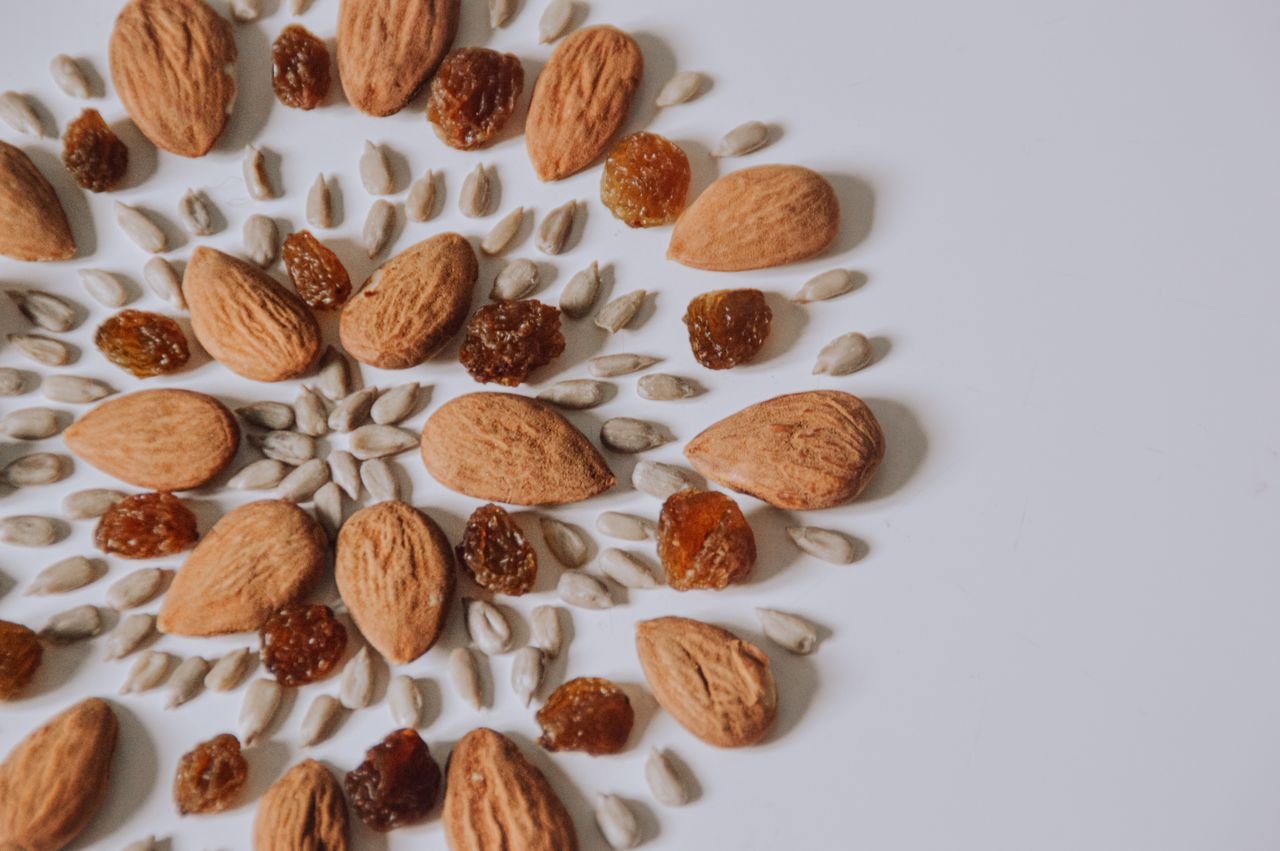
Yes, most dry fruits and nuts can be included in a healthy pregnancy diet when eaten in appropriate portions. Almonds (badam), walnuts (akhrot), cashews (kaju), pistachios (pista), dates (khajoor), raisins (kishmish), figs (anjeer), dried apricots, and prunes can provide nutrients such as healthy fats, protein, fiber, magnesium, potassium, and other vitamins and minerals.
Pregnancy is a time when nutritional needs increase, but that does not mean you need to eat large quantities of any single food. A balanced pregnancy diet should include a variety of vegetables, fruits, whole grains, protein foods, dairy or suitable alternatives, nuts, seeds, and healthy fats. Major pregnancy nutrition guidance also emphasizes getting nutrients primarily from a varied diet while taking prenatal supplements as recommended by your healthcare provider.
Dry fruits can be a convenient snack, particularly when morning sickness, a busy schedule, or increased hunger makes regular meals challenging. However, dried fruits are more concentrated than fresh fruits, so portion size matters.
In this guide, we explain the best dry fruits during pregnancy, their potential nutritional benefits, how much dry fruits to eat during pregnancy, whether soaked dry fruits are better, the best time to eat dry fruits during pregnancy, trimester-wise considerations, and which varieties you may want to limit.
Are Dry Fruits Safe During Pregnancy?
For most pregnant women, nuts and dried fruits can be part of a healthy, varied diet. Nuts are recognized as a source of protein and healthy fats, while dried fruit can contribute fruit and fiber to the diet.
However, “safe” does not mean unlimited. Your overall diet, portion size, allergies, blood glucose levels, digestive tolerance, and any pregnancy complications should be considered.
Are dry fruits safe in the first trimester?
Yes. Dry fruits during the first trimester can be included in moderate portions if you tolerate them well.
During early pregnancy, nausea, vomiting, bloating, and food aversions are common. If rich foods make you feel uncomfortable, a small portion of plain almonds, walnuts, or a few raisins may be easier to manage than a large dry-fruit mixture.
There is no requirement to eat dry fruits specifically during the first trimester. The priority is an overall nutritious diet and the prenatal vitamins or supplements recommended by your healthcare provider.
Can you eat dry fruits in the second trimester?
Yes. Dry fruits in pregnancy can continue to be part of your meals and snacks during the second trimester.
As appetite and energy needs change, nuts and dried fruits can provide a convenient combination of energy, healthy fats, protein, and fiber. Try to combine them with other nutritious foods rather than relying on dry fruits as a major source of nutrition.
Are dry fruits good during the third trimester?
Dry fruits during the third trimester can also be included as part of a balanced diet.
Some women experience increased hunger or constipation during late pregnancy. Foods containing fiber, including certain dried fruits, may help contribute to overall fiber intake. However, increasing fiber gradually and drinking enough fluids are also important.
Dates are particularly popular during the third trimester because of research investigating their possible association with labor-related outcomes. However, eating dates should not be presented as a guaranteed way to induce labor or ensure a vaginal birth.
When should you limit dry fruits during pregnancy?
You may need to reduce portions or choose certain varieties carefully if you:
- Have gestational diabetes or need to monitor blood glucose
- Have a nut or food allergy
- Experience significant bloating or digestive discomfort
- Are consuming large quantities of calorie-dense snacks
- Frequently choose sugar-coated dried fruits
- Eat heavily salted or flavored nuts
- Have been given a specific pregnancy diet by your doctor or dietitian
If you have a pregnancy complication or specific nutritional requirement, follow individualized medical advice.
Best Dry Fruits During Pregnancy
There is no single “best” dry fruit for every pregnant woman. Different varieties provide different nutrients.
| Dry Fruit or Nut | Key Nutrients | Potential Role in Pregnancy Diet |
|---|---|---|
| Almonds (Badam) | Vitamin E, magnesium, protein, healthy fats | Nutrient-dense snack |
| Walnuts (Akhrot) | ALA omega-3, healthy fats, protein | Plant-based healthy fat source |
| Dates (Khajoor) | Carbohydrates, potassium, fiber | Energy and fiber |
| Raisins (Kishmish) | Carbohydrates, fiber, minerals | Convenient snack and fiber source |
| Figs (Anjeer) | Fiber, potassium, calcium | Fiber-rich dried fruit |
| Cashews (Kaju) | Magnesium, copper, protein | Energy and minerals |
| Pistachios (Pista) | Protein, fiber, healthy fats | Nutrient-dense snack |
| Dried Apricots | Fiber and minerals | Variety in the diet |
| Prunes | Fiber | Useful option for increasing fiber intake |
The nutrient content varies by product and preparation, so check nutrition labels when available.
Almonds During Pregnancy (Badam)
Almonds are among the most popular dry fruits during pregnancy, particularly in Indian households.
Benefits of almonds during pregnancy
Almonds provide protein, healthy fats, vitamin E, and minerals such as magnesium. They can be an easy addition to breakfast or a snack.
Potential advantages include:
- Providing plant-based protein
- Adding healthy fats to the diet
- Contributing vitamin E
- Providing magnesium
- Helping make snacks more filling
These benefits are nutritional contributions rather than pregnancy-specific medical treatments.
How many almonds should you eat during pregnancy?
There is no universal number of almonds that every pregnant woman needs to eat.
A small handful of nuts can fit into a balanced diet, but the appropriate portion depends on your overall calorie and nutrient needs. If you’re already eating other nuts, seeds, nut butter, or high-calorie foods, you may not need a large serving of almonds.
Should you soak almonds during pregnancy?
Soaked almonds during pregnancy are a common traditional practice. Soaking can soften almonds and may make them easier for some people to eat.
However, soaking almonds is not medically required for pregnancy nutrition. You can eat almonds soaked or unsoaked depending on preference and tolerance.
If you soak almonds, use clean water and hygienic preparation practices.
Soaked vs. unsoaked almonds
Both can be part of a healthy diet.
Soaked almonds may be preferred because they are softer and easier to chew. Unsoaked almonds are convenient and require no preparation.
The more important factors are portion size, freshness, food safety, and the overall quality of your diet.
Walnuts During Pregnancy (Akhrot)
Walnuts are another popular choice when looking for dry fruits during pregnancy.
Benefits of walnuts during pregnancy
Walnuts contain healthy fats and are a plant source of alpha-linolenic acid (ALA), an omega-3 fatty acid. They also provide protein, fiber, and minerals.
Pregnancy nutrition guidelines recognize omega-3 fatty acids as important nutrients during pregnancy, while walnuts can contribute ALA as part of the diet.
How many walnuts can you eat during pregnancy?
A small portion of walnuts can be included as part of your daily nut intake.
You don’t need to eat large quantities to get nutritional value. Consider walnuts as one component of your overall intake of nuts and seeds.
Should walnuts be soaked?
Soaking walnuts is optional. There is no pregnancy requirement that walnuts must be soaked before eating.
If you prefer soaked akhrot during pregnancy, prepare and store them hygienically and eat them fresh.
Best time to eat walnuts during pregnancy
There is no medically required “best time” to eat walnuts. You can have them with breakfast, as a snack, or alongside another meal.
Choose the timing that fits your appetite and digestive comfort.
Dates During Pregnancy (Khajoor)
Dates are one of the most searched dry fruits during pregnancy, particularly among women wondering about dates during the third trimester.
Are dates safe during pregnancy?
For most pregnant women, dates can be included in a balanced diet.
Dates are dried fruit, so their carbohydrates and natural sugars are concentrated compared with fresh fruit. This makes portion size especially important.
Benefits of dates during pregnancy
Dates provide carbohydrates, fiber, potassium, and other nutrients.
They can be useful as a compact source of energy, particularly when you want a quick snack.
However, dates should not be described as a substitute for a balanced meal or prenatal supplement.
Dates during the first trimester
Dates during the first trimester can be eaten if you enjoy them and they fit your overall diet.
There is no requirement to eat dates during early pregnancy, and eating them does not guarantee any particular pregnancy outcome.
Dates during the third trimester
Dates during the third trimester are particularly popular because some research has investigated whether consuming dates late in pregnancy may influence cervical ripening, labor progression, or the need for induction.
However, evidence is not strong enough to claim that dates guarantee normal delivery or automatically induce labor.
If you’re considering eating larger quantities of dates near your due date, especially if you have diabetes or another medical condition, discuss it with your healthcare professional.
How many dates can you eat during pregnancy?
There is no universal medically prescribed number of dates for every pregnant woman.
Because dates are concentrated in natural sugars and calories, a modest serving is generally more practical than eating large quantities.
Women with gestational diabetes should pay particular attention to portion size and blood glucose management.
Dates and gestational diabetes
If you have gestational diabetes, do not assume that natural sugar makes dates unlimited.
Dried fruit contains concentrated carbohydrates, so dates can affect blood glucose. Your healthcare provider or registered dietitian can help determine whether and how dates fit into your individual meal plan.
Raisins During Pregnancy (Kishmish)
Raisins are dried grapes and are another convenient option among dry fruits for pregnant women.
Benefits of raisins during pregnancy
Raisins provide carbohydrates and fiber along with various minerals.
They can be added to:
- Oatmeal
- Yogurt
- Homemade trail mix
- Porridge
- Breakfast cereals
- Homemade snacks
Soaked raisins during pregnancy
Soaked raisins during pregnancy are popular in traditional diets.
You can soak raisins in clean water and eat them after they soften. However, soaking is not essential for making raisins nutritionally suitable during pregnancy.
Raisins for constipation during pregnancy
Because raisins contain fiber, they may contribute to overall fiber intake. However, they should not be considered a standalone treatment for pregnancy constipation.
Adequate fluids, vegetables, fruits, whole grains, legumes, physical activity where appropriate, and medical guidance all have a role.
How many raisins can you eat during pregnancy?
A small portion is generally more appropriate than eating large handfuls throughout the day.
Remember that raisins are concentrated dried fruit, so a small volume contains more carbohydrate than the same volume of fresh grapes.
If you have gestational diabetes, discuss appropriate portions with your healthcare provider.
Figs During Pregnancy (Anjeer)
Anjeer, or dried figs, are commonly included in Indian pregnancy diets.
Benefits of anjeer during pregnancy
Dried figs provide fiber and minerals such as potassium and calcium.
They can be used as a snack or added to oatmeal, yogurt, porridge, or homemade recipes.
Is soaked anjeer good during pregnancy?
Soaked anjeer during pregnancy is a common dietary practice.
Soaking can soften dried figs and make them easier to chew. It is not necessary for every pregnant woman, though.
If you soak anjeer, use clean water and consume it fresh rather than leaving prepared food at unsafe temperatures for extended periods.
Anjeer and constipation during pregnancy
Because dried figs contain fiber, they can be one way to increase dietary fiber.
However, if constipation is severe, persistent, painful, or accompanied by other concerning symptoms, speak with your healthcare provider rather than relying solely on anjeer.
How many figs can you eat during pregnancy?
A small portion is usually more practical because dried figs are concentrated in carbohydrates and calories.
Your appropriate amount depends on your overall diet, digestive tolerance, and health needs.
Cashews During Pregnancy (Kaju)
Cashews are safe for most pregnant women unless they have a cashew or tree-nut allergy or have been advised otherwise by a healthcare professional. Nuts are generally considered acceptable foods during pregnancy when there is no allergy or other medical restriction.
Cashew benefits during pregnancy
Cashews provide:
- Protein
- Healthy fats
- Magnesium
- Copper
- Energy
They can make a convenient snack when eaten in a moderate portion.
How many cashews can you eat during pregnancy?
There is no universal pregnancy-specific number.
Rather than focusing on a fixed number, consider your total daily intake of nuts and other calorie-dense foods.
Raw vs. roasted vs. salted cashews
Plain or lightly roasted, unsalted cashews are generally preferable to heavily salted or flavored varieties.
Salted and masala cashews can add unnecessary sodium, while sugar-coated versions add extra sugar.
Pistachios During Pregnancy (Pista)
Pistachios are another nutritious option when choosing dry fruits during pregnancy.
Benefits of pistachios during pregnancy
Pistachios provide protein, fiber, healthy fats, and several vitamins and minerals.
They can be eaten alone or added to:
- Yogurt
- Oatmeal
- Porridge
- Homemade trail mix
- Smoothies
- Salads
How many pistachios can you eat?
A small serving can fit into a balanced pregnancy diet.
Choose unsalted pistachios where possible, especially if you’re already consuming other salty foods.
Are salted pistachios okay during pregnancy?
Salted pistachios are not automatically unsafe, but frequent large portions can contribute significant sodium.
If you’re trying to reduce salt intake, choose plain or unsalted pistachios.
Dried Apricots During Pregnancy
Dried apricots can add variety to your pregnancy snack choices.
They provide fiber and several micronutrients, but like other dried fruits, they are concentrated compared with fresh apricots.
Benefits of dried apricots
They can:
- Add variety to the diet
- Contribute fiber
- Provide a convenient source of carbohydrates
- Be combined with nuts for a more balanced snack
When purchasing dried apricots, compare labels for added sugar and choose products with minimal unnecessary ingredients.
Dry Fruits and Pregnancy: Nutritional Benefits
Dry fruits can contribute several nutrients during pregnancy, but they work best as part of a varied diet.
Dry fruits for protein during pregnancy
Nuts such as almonds, walnuts, cashews, and pistachios contribute plant-based protein.
Protein is important during pregnancy because it supports the growth and development of maternal and fetal tissues. ACOG recommends a varied diet that includes protein foods such as nuts, seeds, legumes, eggs, dairy, and other protein sources.
Dry fruits for iron
Some dried fruits and nuts contain iron, but they should not be considered the only source of iron during pregnancy.
The recommended dietary allowance for iron during pregnancy is 27 mg per day for adults, according to the NIH Office of Dietary Supplements.
If you have iron-deficiency anemia, your doctor may recommend an iron supplement. Do not attempt to treat diagnosed anemia with dry fruits alone.
Dry fruits for calcium
Certain nuts and dried fruits can contribute calcium, but dairy products, fortified foods, tofu, certain fish, and vegetables can also provide calcium.
Adults aged 19–50 generally need 1,000 mg of calcium per day during pregnancy.
Dry fruits for fiber and digestion
Dried figs, raisins, prunes, almonds, and other nuts can contribute fiber.
Fiber is especially useful as part of an overall diet that supports regular bowel movements during pregnancy.
Dry fruits for healthy fats
Almonds, walnuts, cashews, and pistachios contain unsaturated fats.
Dietary fats provide energy and contribute to the development of the placenta and fetal organs.
Dry fruits for energy
Because dried fruits contain concentrated carbohydrates and nuts contain fat and protein, a small serving can make a convenient energy-dense snack.
This can be useful when pregnancy hunger increases, but calorie-dense foods should still be eaten in reasonable portions.
Dry fruits and omega-3 fatty acids
Walnuts are a plant source of ALA, an essential omega-3 fatty acid.
However, ALA is not the same as DHA, the omega-3 fatty acid commonly discussed in relation to fetal brain and eye development. Pregnant women should discuss their overall omega-3 intake and supplements with their healthcare provider.
How Many Dry Fruits Can You Eat During Pregnancy?
One of the most common questions is: how much dry fruits to eat during pregnancy?
There is no single number that applies to every pregnant woman.
A practical approach is to think in terms of a small serving of nuts and/or dried fruit, while considering the rest of your diet. For nuts, a small handful is commonly used as a practical serving reference. For dried fruit, portions should generally be smaller because drying removes water and concentrates carbohydrates and calories.
Recommended daily portion
Rather than eating a large bowl of mixed dry fruits, try a modest combination such as:
- A few almonds
- One or two walnut halves
- A few pistachios
- A small amount of raisins
- A small portion of dates or dried figs
You do not need to eat every variety every day.
Example of a pregnancy-friendly dry fruit mix
A simple homemade mix could contain:
Almonds + walnuts + pistachios + a small amount of raisins
You can rotate dates, figs, prunes, or dried apricots on different days.
This approach gives variety without making your snack excessively large.
Should you eat all dry fruits every day?
No.
Variety is useful, but eating every available dry fruit every day is unnecessary.
Rotate different nuts and dried fruits while also eating fresh fruits, vegetables, whole grains, legumes, dairy or alternatives, and other protein foods.
Can eating too many dry fruits cause problems?
Yes, eating excessive amounts can contribute to:
- Excess calorie intake
- Digestive discomfort
- Bloating
- Increased carbohydrate intake
- Blood glucose challenges in women with diabetes or gestational diabetes
The goal is not to eat as many “healthy” foods as possible. The goal is a balanced diet.
Best Time to Eat Dry Fruits During Pregnancy
There is no medically established single best time to eat dry fruits during pregnancy.
The best timing is the one that fits your appetite, meals, blood glucose management, and digestive comfort.
Dry fruits in the morning
Some women enjoy soaked almonds or a small portion of nuts with breakfast.
You can also add nuts to oatmeal, porridge, yogurt, or whole-grain cereal.
Dry fruits as a mid-morning snack
A small portion of nuts with fresh fruit can be a convenient snack.
Dry fruits with breakfast
Almonds, walnuts, raisins, or pistachios can be mixed into oatmeal, yogurt, or porridge.
Dry fruits at night
There is no general rule saying that dry fruits at night during pregnancy are unsafe.
However, if you experience heartburn, bloating, or discomfort after eating rich foods at night, have them earlier in the day.
Can you eat dry fruits on an empty stomach?
You can eat dry fruits on an empty stomach if they feel comfortable for you.
Some women prefer soaked almonds or raisins in the morning, while others experience nausea or acidity when eating certain foods without another meal.
There is no requirement to eat dry fruits on an empty stomach to obtain their nutritional benefits.
Should You Soak Dry Fruits During Pregnancy?
Soaking dry fruits during pregnancy is common in many Indian households.
However, it is important to separate traditional food practices from medically necessary practices.
Which dry fruits can be soaked?
Common choices include:
- Almonds
- Walnuts
- Raisins
- Figs
Does soaking make dry fruits healthier?
Soaking can change texture and make some foods easier to chew, but it should not be treated as a required pregnancy nutrition practice.
The nutritional quality of your overall diet matters much more than whether a nut has been soaked.
How long should you soak almonds?
If you prefer soaked almonds, they can be soaked overnight in clean drinking water and eaten after removing the water.
There is no evidence-based pregnancy requirement that almonds must be soaked for a particular number of hours.
How to soak raisins
Place raisins in clean drinking water, allow them to soften, and consume them after preparation.
Avoid keeping soaked raisins at room temperature for prolonged periods.
How to soak anjeer
Place dried figs in clean water and allow them to soften. Eat them fresh after soaking.
Do you need to remove almond skin?
No. Removing almond skin is a personal preference, not a pregnancy requirement.
Dry Fruits During Pregnancy by Trimester
Your nutritional priorities change throughout pregnancy, but dry fruits can potentially fit into all three trimesters.
| Trimester | Main Consideration | Dry Fruit Approach |
|---|---|---|
| First trimester | Nausea, food aversions, balanced nutrition | Small portions based on tolerance |
| Second trimester | Increasing nutritional needs | Variety of nuts and dried fruits |
| Third trimester | Energy, fiber and overall diet | Moderate portions with attention to glucose and digestion |
Dry fruits during the first trimester
During early pregnancy, focus on tolerable, nutrient-rich foods.
If nausea is severe, dry fruits may not appeal to you. That’s okay. There is no requirement to force yourself to eat them.
Dry fruits during the second trimester
The second trimester may be a comfortable time to introduce a wider variety of nuts and dried fruits.
You can use them in breakfast bowls, snacks, smoothies, or homemade recipes.
Dry fruits during the third trimester
Dry fruits during the third trimester can provide convenient energy and fiber.
Dates are often discussed during this stage, but they should not be presented as a guaranteed method for normal delivery.
If your doctor has advised dietary restrictions because of gestational diabetes, blood pressure, or another condition, follow that advice.
Dry Fruits for Common Pregnancy Concerns
Dry fruits for constipation during pregnancy
Prunes, raisins, and dried figs contain fiber and can contribute to your overall fiber intake.
However, constipation during pregnancy may have multiple causes. A balanced diet, adequate fluids, movement when medically appropriate, and advice from your healthcare provider may all be important.
Dry fruits for low energy during pregnancy
Nuts and dried fruits are energy-dense foods, making them convenient snacks.
Try combining dried fruit with nuts or yogurt instead of eating large amounts of dried fruit alone.
Dry fruits for iron intake during pregnancy
Some nuts and dried fruits provide iron, but pregnancy requires substantially more iron than the nonpregnant state.
The adult pregnancy RDA is 27 mg of iron per day.
If blood tests show anemia or iron deficiency, speak with your healthcare provider about appropriate treatment.
Dry fruits for calcium during pregnancy
Some nuts and dried fruits can contribute calcium, but they should be part of a wider calcium-rich diet.
Milk, yogurt, cheese, fortified alternatives, tofu, and certain vegetables can also help meet calcium needs.
Dry fruits for healthy weight gain during pregnancy
Nuts and dried fruits can add nutrient-dense calories to meals and snacks.
However, pregnancy weight gain recommendations depend on pre-pregnancy BMI and individual circumstances. Avoid using dry fruits as a strategy to intentionally gain weight without guidance from your healthcare provider.
Dry fruits for morning sickness
Dry fruits are not a proven treatment for morning sickness.
Some women may tolerate plain foods such as crackers, toast, or small portions of nuts better than rich foods. If vomiting is persistent or you cannot keep fluids down, contact your healthcare provider.
Dry fruits for anemia during pregnancy
Dry fruits may contribute some iron and other nutrients, but they do not replace medical treatment for anemia.
If you have been diagnosed with anemia, follow your prescribed iron treatment and dietary advice.
Dry Fruits and Gestational Diabetes: What Should You Know?
Women with gestational diabetes often ask whether dry fruits are safe.
The answer depends on the individual meal plan and blood glucose response.
Can women with gestational diabetes eat dry fruits?
Many women with gestational diabetes can include nuts and controlled portions of dried fruit, but the amount and timing matter.
Nuts are generally lower in carbohydrate than dried fruit, while dates, raisins, figs, and dried apricots contain concentrated carbohydrates.
Which dried fruits contain more concentrated natural sugar?
All dried fruits become more concentrated when water is removed.
That means a small handful of raisins or several dates can provide considerably more carbohydrate than the same volume of fresh fruit.
Why portion size matters
Eating a large portion of dried fruit can make it easy to consume more carbohydrate than intended.
If you have gestational diabetes, follow the carbohydrate targets provided by your doctor or registered dietitian.
Pairing dried fruit with protein or fat
Some women may find it useful to pair a small amount of dried fruit with a source of protein or healthy fat, such as nuts or unsweetened yogurt.
However, individual blood glucose responses differ, so your care team’s advice should take priority.
Dry Fruits You Should Limit or Be Careful With During Pregnancy
Most concerns are not about ordinary nuts and dried fruits themselves but about how they are prepared, stored, and consumed.
Sugar-coated dried fruits
Candied fruit and sugar-coated dried fruit can contain substantial added sugar.
Choose plain dried fruit when possible.
Salted nuts
Heavily salted nuts can contribute unnecessary sodium.
Unsalted or lightly salted varieties are generally easier to incorporate into a lower-sodium eating pattern.
Flavored or masala nuts
Flavored nuts may contain added salt, sugar, oils, or other ingredients.
Read the nutrition label rather than assuming that every packaged nut product is nutritionally equivalent.
Chocolate-covered nuts and dried fruits
These products can contain substantial added sugar and saturated fat.
They can be occasional treats rather than everyday pregnancy snacks.
Large portions of dates and raisins
Dates and raisins can be nutritious, but their carbohydrate content is concentrated because they are dried.
This is particularly important if you have gestational diabetes.
Products with added sugar or excessive sodium
When comparing products, check:
- Added sugar
- Sodium
- Serving size
- Ingredients
- Expiry date
- Packaging condition
Can Dry Fruits Cause Any Side Effects During Pregnancy?
Dry fruits are generally well tolerated, but eating too much or choosing products that do not suit you can cause problems.
Bloating and gas
Large quantities of nuts or dried fruit may cause bloating, particularly if your digestive system is already sensitive during pregnancy.
Constipation or digestive discomfort
Although fiber can support regular bowel movements, suddenly consuming a lot of fiber without adequate fluids may cause discomfort.
Increase fiber gradually.
Heartburn
High-fat or large meals can worsen heartburn in some pregnant women.
If nuts or dry fruits trigger symptoms, reduce the portion or eat them earlier in the day.
Excess calorie intake
Nuts are nutrient-dense but calorie-dense.
A large bowl of mixed nuts can contain substantially more calories than a small snack portion.
Blood sugar concerns
Dried fruits contain concentrated carbohydrates.
If you have gestational diabetes or are monitoring glucose, discuss appropriate portions with your healthcare team.
Allergic reactions
Do not eat a nut or dried fruit if you have a known allergy to it.
Seek urgent medical attention for symptoms of a serious allergic reaction such as difficulty breathing, swelling of the face or throat, or widespread symptoms.
How to Choose the Best Dry Fruits During Pregnancy
Choosing high-quality products is just as important as choosing the right type of dry fruit.
Choose unsalted varieties
Plain or unsalted nuts make it easier to manage sodium intake.
Check for added sugar
Look for plain dried fruit rather than candied or sugar-coated varieties.
Check packaging and expiry dates
Avoid products with damaged packaging, an unusual odor, visible mold, or signs of spoilage.
Avoid damaged or moldy products
Do not eat dry fruits that appear spoiled or contaminated.
Food safety is particularly important during pregnancy because pregnant women are more vulnerable to certain foodborne illnesses.
Buy smaller quantities if storage is difficult
If you live in a hot or humid environment, buying manageable quantities and storing them correctly can help maintain freshness.
Should you buy organic dry fruits?
Organic is a personal purchasing choice and is not required for dry fruits to be nutritionally suitable during pregnancy.
More important considerations include freshness, safe handling, appropriate ingredients, and storage.
Easy Ways to Add Dry Fruits to Your Pregnancy Diet
You don’t need elaborate recipes to include dry fruits in pregnancy.
Dry fruits and milk
Add a small amount of chopped almonds or pistachios to milk if you enjoy it.
Choose pasteurized milk and avoid turning the drink into a heavily sweetened dessert.
Oatmeal with almonds and walnuts
Add chopped almonds and walnuts to oatmeal along with fresh fruit.
Dry fruit yogurt bowl
Combine unsweetened yogurt with fresh fruit and a small amount of nuts or raisins.
Homemade pregnancy trail mix
Try:
- Almonds
- Walnuts
- Pistachios
- A small amount of raisins
- Pumpkin or sunflower seeds
Keep the portion moderate.
Dry fruit smoothie
Blend milk or yogurt with fresh fruit and a small portion of nuts.
Avoid adding large quantities of dates or other dried fruit if you are trying to control carbohydrate intake.
Ragi porridge with nuts
Ragi porridge can be topped with chopped almonds or walnuts for additional texture and nutrients.
Homemade dry fruit powder
A small amount of finely ground nuts can be added to porridge or smoothies.
Make sure ingredients are fresh and stored properly.
Dry fruits with fresh fruit
Pairing a small amount of dried fruit with fresh fruit can add variety while preventing your snack from becoming mostly concentrated dried fruit.
Homemade dry fruit ladoo
Homemade dry-fruit ladoos can be nutrient-dense, but many recipes contain significant amounts of jaggery, sugar, ghee, or other calorie-dense ingredients.
Treat them as an occasional snack rather than assuming that “dry fruit” automatically means low-calorie or suitable in unlimited quantities.
Dry Fruits During Pregnancy: Simple Daily Meal Plan
A sample routine could look like this:
Morning:
Breakfast with oatmeal or porridge topped with a few almonds or walnuts.
Mid-morning:
Fresh fruit with a small portion of nuts.
Lunch:
A balanced meal containing vegetables, whole grains, protein, and a suitable dairy or alternative food.
Evening:
A small homemade dry-fruit and nut mix.
Dinner:
A balanced pregnancy-friendly meal.
Night:
If hungry, choose a small snack that fits your overall diet and does not worsen heartburn or digestive discomfort.
This is only a sample. A pregnancy meal plan should be individualized when there are conditions such as gestational diabetes, anemia, significant nausea, food allergies, or other medical concerns.
Dry Fruits During Pregnancy: What Doctors and Nutrition Experts Recommend
The most important point is that dry fruits should be viewed as one part of pregnancy nutrition, not as a special food that can provide everything a mother or baby needs.
ACOG recommends focusing on adequate nutrients during pregnancy and notes that nutrients such as folic acid, iron, calcium, vitamin D, choline, omega-3 fatty acids, B vitamins, vitamin C, and others are important during pregnancy.
The NIH Office of Dietary Supplements also lists increased pregnancy requirements for several nutrients, including iron, folate, iodine, calcium, choline, and omega-3 ALA.
Therefore:
- Eat a varied diet.
- Include different protein sources.
- Eat vegetables and fruits.
- Include whole grains and legumes.
- Choose healthy fats.
- Include nuts and seeds if tolerated.
- Follow your prenatal vitamin or supplement plan.
- Monitor portions of dried fruit.
- Pay attention to food allergies.
- Follow individualized advice for gestational diabetes or other pregnancy conditions.
A healthy pregnancy diet does not need to be perfect at every meal. Consistency and variety matter more.
Frequently Asked Questions About Dry Fruits During Pregnancy
Can I eat dry fruits during pregnancy?
Yes. Most nuts and unsweetened dried fruits can be included in a balanced pregnancy diet when eaten in appropriate portions. Avoid any nut or fruit to which you are allergic and follow medical dietary restrictions if you have conditions such as gestational diabetes.
Which dry fruit is best during pregnancy?
There is no single best dry fruit during pregnancy. Almonds, walnuts, pistachios, cashews, dates, raisins, figs, prunes, and dried apricots can all contribute different nutrients. Variety and portion control are more important than choosing one “best” dry fruit.
How many dry fruits can I eat during pregnancy?
There is no universal number. A small portion of nuts and a smaller portion of dried fruit can fit into a balanced diet. Because dried fruit is concentrated in carbohydrates and calories, avoid eating large quantities.
Can I eat almonds every day during pregnancy?
Yes, most pregnant women can eat almonds every day if they are not allergic and the portion fits their overall diet. Almonds provide protein, healthy fats, vitamin E, and magnesium.
Is soaked almond good during pregnancy?
Soaked almonds during pregnancy are a common traditional choice and may be easier for some people to chew. However, soaking is not medically required for almonds to be nutritious or safe.
Can I eat walnuts during pregnancy?
Yes. Walnuts can be included in pregnancy diets unless you have a walnut allergy or another dietary restriction. They provide healthy fats and plant-based ALA omega-3.
Can I eat dates during pregnancy?
Yes, dates can generally be eaten during pregnancy in moderate portions. They contain carbohydrates, fiber, and minerals. If you have gestational diabetes, discuss appropriate portions with your healthcare provider.
How many dates can I eat during pregnancy?
There is no universal recommended number for all pregnant women. Dates contain concentrated carbohydrates, so portion size matters. Your healthcare provider can give individualized advice, especially if you have gestational diabetes.
Can I eat raisins during pregnancy?
Yes. Raisins can be included in moderate portions. They provide carbohydrates and fiber but are more concentrated than fresh grapes.
Are soaked raisins good during pregnancy?
Soaked raisins are a common food choice and can be eaten if prepared hygienically. Soaking is not required for raisins to be appropriate during pregnancy.
Is anjeer safe during pregnancy?
Dried figs or anjeer can generally be included in a pregnancy diet. They provide fiber and minerals. Eat them in moderate portions because dried fruit is concentrated.
Can I eat cashews during pregnancy?
Yes, cashews are generally safe during pregnancy for women without a cashew or tree-nut allergy. Plain or unsalted cashews are preferable to heavily salted or sugar-coated versions.
What is the best time to eat dry fruits during pregnancy?
There is no medically required best time. You can eat them at breakfast, as a snack, or with meals depending on your appetite, digestion, and overall diet.
Should dry fruits be soaked before eating during pregnancy?
No. Soaking is optional rather than a pregnancy requirement. Almonds, raisins, walnuts, and figs are commonly soaked, but fresh, properly stored dry fruits can also be eaten without soaking.
Can dry fruits help with constipation during pregnancy?
Some dried fruits, including prunes, raisins, and figs, contain fiber and can contribute to a high-fiber diet. They should not be considered a standalone treatment for severe or persistent constipation.
Can I eat dry fruits with gestational diabetes?
Some women with gestational diabetes can include nuts and carefully portioned dried fruit, but carbohydrate amounts matter. Follow the meal plan provided by your doctor or registered dietitian.
Which dry fruits should be avoided during pregnancy?
There is generally no need for all pregnant women to avoid ordinary nuts and dried fruits. Instead, avoid varieties to which you are allergic and limit heavily sugar-coated, heavily salted, spoiled, or poorly stored products.
Can I eat dry fruits during the first trimester?
Yes. Dry fruits during the first trimester can be included if you tolerate them. There is no requirement to eat them, especially if nausea or food aversions make them unpleasant.
Can I eat dry fruits at night during pregnancy?
Yes, you can eat dry fruits at night during pregnancy if they suit you. However, if they worsen heartburn, bloating, or indigestion, have a smaller portion or eat them earlier.
Can eating too many dry fruits be harmful during pregnancy?
Eating excessive amounts can contribute to excess calorie intake, digestive discomfort, and high carbohydrate intake from dried fruit. Moderation is especially important for women managing gestational diabetes.
Final Takeaway: Dry Fruits During Pregnancy
Dry fruits can be a convenient and nutritious addition to a pregnancy diet. Almonds, walnuts, cashews, pistachios, dates, raisins, figs, dried apricots, and prunes can each contribute different nutrients.
The key is variety, portion control, food safety, and balance.
If you’re wondering which dry fruits to eat during pregnancy, start with simple, unsalted nuts and unsweetened dried fruits. Rotate different options rather than eating a large quantity of one type.
For most pregnant women, dry fruits can complement—not replace—a varied diet containing vegetables, fresh fruits, whole grains, legumes, protein foods, dairy or suitable alternatives, and healthy fats. Pregnancy nutrition recommendations emphasize obtaining a broad range of nutrients through a varied diet and using prenatal supplements as recommended by your healthcare provider.
If you have gestational diabetes, anemia, a food allergy, severe digestive symptoms, or another pregnancy-related medical condition, ask your obstetrician or registered dietitian how dry fruits should fit into your individual meal plan.