


The second trimester of pregnancy is often described as the “easier” part of pregnancy, and for many pregnant women, it can bring welcome relief from early-pregnancy symptoms. Nausea and extreme fatigue may ease, appetite may improve, and energy levels can return. At the same time, your belly begins to grow more noticeably, your body continues changing, and you may start feeling your baby move.
This second trimester survival guide explains what to expect during the second trimester of pregnancy, including common second trimester symptoms, baby development, pregnancy nutrition, exercise, prenatal appointments, ultrasound and screening tests, sleep, travel, self-care, and warning signs.
The second trimester generally covers weeks 14 through 27 of pregnancy. During this stage, the fetus grows rapidly, your uterus expands, and many pregnancy changes become more noticeable.
Whether this is your first pregnancy or you have been pregnant before, understanding the changes ahead can make the second trimester feel more manageable and less overwhelming.
Quick answer: The second trimester usually lasts from week 14 through week 27. Common changes include improved nausea and energy for many women, a growing belly, breast and skin changes, heartburn, constipation, backache, and eventually noticeable fetal movement.
What Is the Second Trimester of Pregnancy?
The second trimester is the middle stage of pregnancy. It begins around 14 weeks and continues through 27 weeks, with the third trimester beginning around week 28.
This period covers approximately the fourth, fifth, and sixth months of pregnancy.
When Does the Second Trimester Start and End?
The second trimester generally begins at 14 weeks and ends at 27 weeks.
Pregnancy is measured from the first day of your last menstrual period, which means pregnancy dating includes approximately two weeks before conception.
Because pregnancy weeks do not divide perfectly into calendar months, you may see slightly different month-by-month descriptions online. For medical care, pregnancy is generally discussed in weeks rather than months.
How Many Months Is the Second Trimester?
The second trimester is approximately months 4 through 6.
| Stage | Approximate Weeks | What You May Notice |
|---|---|---|
| Early second trimester | 14–18 weeks | Nausea may improve and energy may return |
| Middle second trimester | 19–23 weeks | Belly grows and fetal movement may become noticeable |
| Late second trimester | 24–27 weeks | Faster fetal growth and increasing physical discomfort |
Every pregnancy is different, so you do not need to experience every symptom or milestone at exactly the same time.
Second Trimester Pregnancy Symptoms: What to Expect
One of the biggest second trimester changes is that symptoms can shift from those associated with early pregnancy to symptoms caused by your growing uterus and changing hormones.
ACOG notes that appetite may increase, nausea and fatigue may ease, the abdomen expands, fetal movement begins, and skin and breast changes can become more noticeable.
Common Second Trimester Symptoms
You may experience:
- Growing belly
- Increased appetite
- Reduced morning sickness
- Breast enlargement or tenderness
- Heartburn and indigestion
- Constipation
- Bloating
- Backache
- Round ligament pain
- Leg cramps
- Headaches
- Nasal congestion or nosebleeds
- Increased vaginal discharge
- Stretch marks
- Darkening of the areolas
- Skin pigmentation
- Mild swelling of the feet and ankles
- Frequent urination
- Sleep difficulties
- Mood changes
- Occasional dizziness
- Feeling warmer than usual
Not every pregnant woman will experience all of these symptoms. Some women continue to have nausea or fatigue into the second trimester, while others feel significantly better.
Which Pregnancy Symptoms Usually Improve?
For many pregnant women, some first-trimester symptoms become less intense during the second trimester.
These can include:
- Morning sickness
- Severe nausea
- Extreme fatigue
- Food aversions
- Heightened sensitivity to smells
However, improvement is not guaranteed. If you continue experiencing significant nausea or vomiting, talk with your healthcare professional.
Which New Symptoms May Appear?
As the uterus grows and pregnancy hormones continue affecting your body, you may notice:
- Heartburn
- Constipation
- Back pain
- Round ligament pain
- Leg cramps
- Stretch marks
- Itchy or stretched skin
- Mild swelling
- Increased vaginal discharge
- Changes in skin pigmentation
These are among the common second trimester pregnancy symptoms, but new, severe, or rapidly worsening symptoms should always be discussed with your prenatal care provider.
Second Trimester Baby Development Week by Week

The second trimester is a major period of fetal growth and development. Your baby becomes increasingly active, continues developing the brain and nervous system, and grows substantially in size.
Weeks 14–17
During the early second trimester, your baby continues growing rapidly.
Important developmental changes include:
- Continued development of bones and muscles
- Increasing coordination of movements
- Further facial development
- Development of hearing structures
- Increasing fetal activity
You may not feel these movements yet, even though your baby may already be moving.
Weeks 18–21
This is an important period for both baby development and prenatal care.
Your baby continues developing:
- Hearing
- Nervous system
- Muscles
- Bones
- Digestive system
- Movement coordination
This is also the period when many pregnant women have their second trimester ultrasound, commonly called the anatomy scan.
Weeks 22–24
Your baby continues growing and developing rapidly.
Brain development continues, the lungs mature, and the fetus begins accumulating more body fat.
You may notice stronger and more recognizable movements as pregnancy progresses.
Weeks 25–27
By the final weeks of the second trimester, your baby is substantially larger and continues developing systems needed for life after birth.
You may also notice more pronounced pregnancy symptoms, including:
- Backache
- Heartburn
- Constipation
- Leg cramps
- Sleep difficulties
- Increasing abdominal discomfort
NHS guidance also lists symptoms such as tiredness, stretch marks, headaches, heartburn, constipation, leg cramps, backache, swelling, and skin changes among possible symptoms around week 27.
When Can You Feel Your Baby Move?
Many pregnant women begin noticing fetal movement sometime during the second trimester.
You may initially describe the sensation as:
- Fluttering
- Bubbles
- Tapping
- Flicking
- Gentle rolling
The timing varies. ACOG notes that fetal movement may begin around 20 weeks, although it can occur earlier or later.
If this is your first pregnancy, you may not recognize the sensations immediately. If you have been pregnant before, you may identify movement sooner.
Once you begin noticing a regular pattern of movement later in pregnancy, discuss any significant change or decrease with your maternity care provider.
Your Body During the Second Trimester
The second trimester can make pregnancy feel much more physically real. Your uterus expands, your abdomen grows, and your posture and center of gravity gradually change.
How Your Body Changes
Common second trimester body changes include:
- A more visible baby bump
- Growing breasts
- Darker areolas
- Stretching abdominal skin
- Increased vaginal discharge
- Changes in posture
- Wider or more uncomfortable waistline
- Skin pigmentation
- Possible stretch marks
- Mild swelling
ACOG describes abdominal expansion, fetal movement, skin stretching, stretch marks, facial pigmentation, darkened areolas, and swelling as typical changes during this trimester.
Second Trimester Weight Gain
Weight gain during pregnancy is normal and necessary, but there is no single amount that is appropriate for every woman.
Your recommended pregnancy weight gain depends partly on your pre-pregnancy BMI, along with factors such as whether you are carrying one baby or multiples and your individual health circumstances.
Rather than comparing your weight gain with friends, relatives, or social-media posts, use your prenatal appointments to monitor your progress.
If you are concerned about gaining too much or too little weight, speak with your obstetrician or midwife.
Emotional Changes During the Second Trimester
Pregnancy is not only a physical experience.
You may feel:
- Excited
- Relieved that early symptoms are improving
- Nervous about the baby’s health
- Concerned about body changes
- Anxious about labor
- Excited about becoming a parent
- Overwhelmed by preparation
These feelings can coexist.
If anxiety, sadness, hopelessness, or emotional distress becomes persistent or interferes with daily life, talk with your healthcare provider. Asking for support is an important part of prenatal care.
Second Trimester Prenatal Appointments
Regular prenatal care remains one of the most important parts of a healthy pregnancy.
At routine visits, your healthcare professional may monitor:
- Blood pressure
- Weight
- Symptoms
- Fetal heart rate
- Uterine growth or fundal height later in pregnancy
- Urine testing when indicated
- Your overall health and pregnancy progress
Your schedule may vary depending on your health, pregnancy history, location, and provider.
Important Second Trimester Tests
Depending on your pregnancy and previous screening, your healthcare provider may discuss:
- Prenatal genetic screening
- Cell-free DNA screening
- Maternal serum screening
- Diagnostic testing when indicated
- Second-trimester ultrasound
- Blood tests
- Gestational diabetes screening later in pregnancy
- Rh-related testing and preventive treatment when indicated
ACOG recommends that prenatal genetic screening and diagnostic testing options be discussed and offered to pregnant patients, while the choice to undergo testing remains personal.
The 20-Week Anatomy Scan
The 20-week anatomy scan, also called the mid-pregnancy anatomy ultrasound, is an important second trimester ultrasound.
It is generally performed around 18–22 weeks and evaluates fetal anatomy and development.
The scan may assess structures such as:
- Brain
- Spine
- Heart
- Stomach
- Kidneys
- Limbs
- Facial structures
- Placenta
- Amniotic fluid
- Fetal growth
ACOG recommends that all pregnant patients be offered a second-trimester ultrasound for fetal structural defects, ideally between 18 and 22 weeks.
Your provider may explain what can and cannot be determined from the scan and whether additional testing is recommended.
Second Trimester Diet: What Should You Eat?

Good nutrition during pregnancy supports your health and your baby’s growth.
A second trimester diet does not need to be complicated. Instead of focusing on a rigid pregnancy diet chart, aim for variety and nutritional balance.
Important nutrients include:
- Protein
- Iron
- Folate
- Calcium
- Vitamin D
- Iodine
- Choline
- Vitamin B12
- Vitamin C
- Omega-3 fatty acids
- Fiber
- Adequate fluids
ACOG specifically identifies nutrients including iron, iodine, choline, folate, vitamin D, vitamin B12, calcium and omega-3 fatty acids as important during pregnancy.
Protein-Rich Foods
Protein supports maternal tissues and fetal development.
Good choices include:
- Eggs
- Dal
- Beans
- Lentils
- Paneer
- Yogurt
- Milk
- Chicken
- Fish
- Soy foods
- Nuts
- Seeds
Vegetarian and vegan pregnant women can also meet protein needs through varied plant-based foods, although individual supplementation needs should be discussed with a healthcare professional.
Iron-Rich Foods
Iron is particularly important during pregnancy because your blood volume increases.
Include foods such as:
- Lentils
- Beans
- Chickpeas
- Green leafy vegetables
- Iron-fortified cereals
- Meat
- Poultry
- Fish
Pairing plant sources of iron with vitamin-C-rich foods can help improve iron absorption.
Calcium-Rich Foods
Calcium supports fetal bone and tooth development and maternal bone health.
Options include:
- Milk
- Yogurt
- Paneer
- Calcium-fortified plant beverages
- Certain leafy greens
- Calcium-containing foods recommended by your healthcare provider
Fruits and Vegetables
Aim for a colorful variety of fruits and vegetables.
Examples include:
- Apples
- Bananas
- Oranges
- Guava
- Berries
- Papaya prepared safely
- Carrots
- Spinach
- Broccoli
- Tomatoes
- Pumpkin
- Sweet potatoes
Whole fruits are generally preferable to relying heavily on fruit juice.
Indian Second Trimester Diet Ideas
For Indian families, practical second trimester diet options can include:
- Vegetable poha with peanuts
- Moong dal khichdi
- Dal with roti and vegetables
- Paneer and vegetable dishes
- Curd with fruit
- Ragi preparations
- Oats with fruit and nuts
- Well-cooked eggs
- Chickpea or rajma preparations
- Vegetable pulao with a protein source
- Homemade soups
- Whole-grain snacks
The goal is not to follow a perfect menu every day. A varied diet across the week is more realistic.
Hydration During Pregnancy
Drink fluids regularly throughout the day.
Water is the simplest choice, but fluids can also come from:
- Milk
- Soups
- Unsweetened beverages
- Water-rich fruits and vegetables
Your fluid needs can vary with weather, activity level, diet, and individual circumstances.
Foods to Avoid or Limit During the Second Trimester
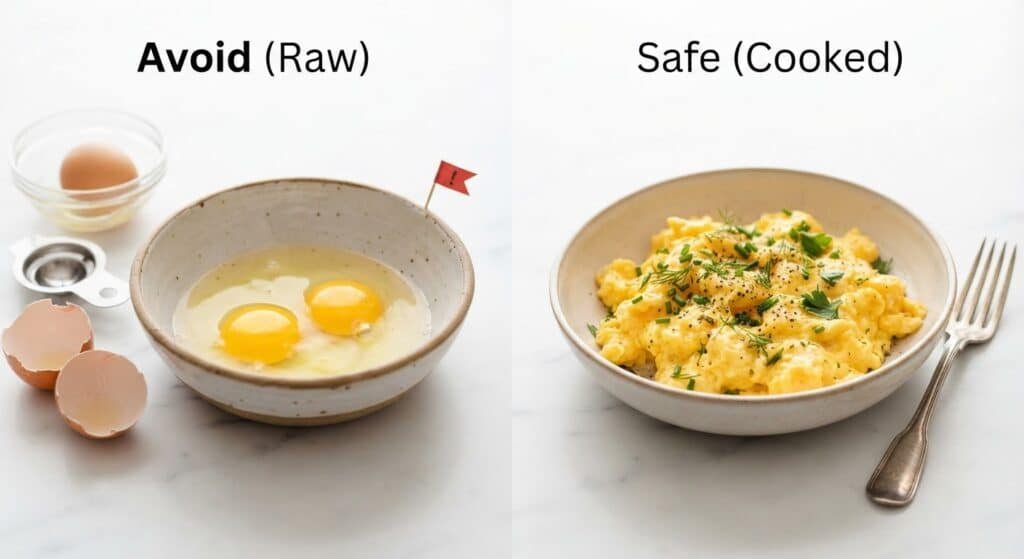
Food safety remains important throughout pregnancy.
Foods to Avoid
Pregnant women should avoid:
- Alcohol
- Raw or undercooked meat
- Raw or undercooked eggs
- Raw fish and shellfish
- Unpasteurized milk and dairy products
- Unwashed produce
- Certain high-mercury fish
ACOG recommends avoiding fish such as bigeye tuna, king mackerel, marlin, orange roughy, shark, swordfish, and tilefish because of their mercury content.
Fish During Pregnancy
Fish does not need to be eliminated from your pregnancy diet.
Many fish provide protein and omega-3 fatty acids that can be beneficial during pregnancy. ACOG recommends eating 2–3 servings of lower-mercury fish or shellfish per week while avoiding high-mercury varieties.
Caffeine During Pregnancy
Caffeine is found in:
- Coffee
- Tea
- Chocolate
- Cola
- Energy drinks
- Some medications
ACOG recommends limiting caffeine intake during pregnancy to less than 200 mg per day.
Remember that caffeine content varies significantly between beverages.
Pregnancy Food Safety Tips
To reduce foodborne illness risk:
- Wash fruits and vegetables thoroughly.
- Keep raw meat separate from ready-to-eat foods.
- Cook meat, seafood, and eggs thoroughly.
- Use pasteurized dairy products.
- Wash hands before food preparation.
- Refrigerate perishable foods promptly.
- Avoid foods with a higher risk of bacterial contamination.
Second Trimester Exercise and Physical Activity
For many pregnant women with uncomplicated pregnancies, regular physical activity is beneficial.
However, exercise recommendations should be individualized if you have pregnancy complications or have been advised to restrict activity.
Is Exercise Safe During the Second Trimester?
For many women, yes. ACOG recommends regular moderate-intensity physical activity during pregnancy for those without medical or obstetric contraindications. A commonly recommended target is approximately 150 minutes of moderate-intensity aerobic activity per week, spread across several days.
If you were inactive before pregnancy, start gradually rather than suddenly beginning an intense routine.
Best Pregnancy Exercises
Depending on your health and provider’s recommendations, options can include:
- Walking
- Swimming
- Prenatal yoga
- Stationary cycling
- Pregnancy-appropriate strength training
- Pelvic-floor exercises
Walking is particularly practical because it requires little equipment and can be adjusted to your energy level.
Exercises to Avoid or Modify
Avoid activities with a significant risk of:
- Falling
- Abdominal trauma
- Collision
- Overheating
- Injury
You may need to modify exercises as your belly grows.
Always follow your healthcare provider’s advice if you have a high-risk pregnancy or have been instructed to limit physical activity.
Second Trimester Sleep Guide
Sleep can become challenging even when nausea and early-pregnancy fatigue improve.
Common reasons include:
- Growing belly
- Back discomfort
- Heartburn
- Leg cramps
- Frequent urination
- Difficulty finding a comfortable position
- Pregnancy-related anxiety
How Should You Sleep During the Second Trimester?
Comfort is important.
Try:
- Sleeping on your side
- Placing a pillow between your knees
- Using a pregnancy pillow for additional support
- Supporting your abdomen with a small pillow
- Keeping the bedroom cool and comfortable
NHS guidance notes that in early and mid-pregnancy it is generally fine to sleep in the position that is comfortable; after 28 weeks, going to sleep on your side is recommended because it is associated with a lower risk of stillbirth. If you wake on your back, simply turn onto your side rather than becoming anxious.
Pregnancy Sleep Products
Useful comfort items may include:
- Pregnancy pillow
- Body pillow
- Supportive mattress
- Comfortable maternity sleepwear
- Breathable bedding
Products should be chosen for comfort rather than marketed claims about preventing pregnancy complications.
Managing Common Second Trimester Problems
Heartburn and Acid Reflux
Heartburn is common during pregnancy.
Helpful strategies may include:
- Eating smaller meals
- Eating slowly
- Avoiding personal trigger foods
- Remaining upright after eating
- Avoiding large meals close to bedtime
- Asking your healthcare provider about pregnancy-safe medications if needed
Constipation
Pregnancy hormones can slow digestion.
Try:
- Increasing fiber gradually
- Drinking enough fluids
- Eating fruits and vegetables
- Including whole grains
- Staying physically active if permitted
Talk to your healthcare professional before using laxatives or other medications.
Back Pain
As your belly grows, your posture and center of gravity change.
Helpful measures may include:
- Gentle pregnancy-safe exercise
- Supportive footwear
- Avoiding prolonged standing
- Using proper lifting techniques
- Taking regular breaks
- Using pillows to support your body during sleep
Round Ligament Pain
Round ligament pain can feel like a sharp, pulling, or aching sensation on one or both sides of the lower abdomen.
It may happen when:
- Standing quickly
- Rolling over in bed
- Coughing
- Sneezing
- Changing position suddenly
The discomfort is related to stretching of the ligaments supporting the expanding uterus.
Severe, persistent, or unusual abdominal pain should not automatically be assumed to be round ligament pain. Seek medical advice when you are concerned.
Leg Cramps
Leg cramps can become more common as pregnancy progresses.
Try:
- Gentle calf stretches
- Regular movement
- Comfortable footwear
- Adequate hydration
- Stretching before bed
If cramps are severe, persistent, or accompanied by significant swelling or pain in one leg, contact your healthcare provider promptly.
Headaches
Pregnancy headaches may be associated with hormonal changes, dehydration, lack of sleep, hunger, or stress.
Try:
- Drinking water
- Eating regular balanced meals
- Resting
- Reducing known triggers
A severe or persistent headache, particularly when accompanied by vision changes or other concerning symptoms, requires medical evaluation.
Second Trimester Skincare and Body Care
Stretch Marks
Stretch marks can develop as your abdomen, breasts, hips, and other areas expand.
Genetics, skin characteristics, hormonal factors, and the degree of stretching all play a role.
Moisturizing can help relieve dryness and itching, but no cream can guarantee prevention of stretch marks.
Pregnancy-Safe Skincare
Keep your skincare routine simple during pregnancy.
Before using prescription treatments, concentrated active ingredients, or supplements marketed for skin health, ask your obstetrician or dermatologist whether they are appropriate during pregnancy.
Avoid self-prescribing high-dose vitamin A products because excessive vitamin A exposure can be harmful during pregnancy.
Managing Itchy Skin
For ordinary dryness:
- Use a gentle moisturizer.
- Avoid very hot showers.
- Choose mild, fragrance-free products if your skin is sensitive.
- Wear comfortable breathable clothing.
Severe or widespread itching, especially if it is unusual or concentrated on the palms and soles, should be discussed with your healthcare provider.
Second Trimester Dos and Don’ts
Second Trimester Dos
- Attend scheduled prenatal appointments.
- Complete recommended screening and tests.
- Take prenatal vitamins or supplements as prescribed.
- Eat a varied, nutrient-rich diet.
- Stay adequately hydrated.
- Remain physically active if medically appropriate.
- Prioritize sleep and rest.
- Practice good food safety.
- Use seat belts correctly.
- Discuss medications and supplements with your healthcare provider.
- Begin planning for your baby’s arrival.
Second Trimester Don’ts
- Do not drink alcohol.
- Do not smoke or use nicotine products.
- Do not use recreational drugs.
- Do not take medications or herbal supplements without checking first.
- Do not eat high-mercury fish.
- Do not consume raw or undercooked animal products.
- Do not ignore significant bleeding, severe pain, fluid leakage, or other concerning symptoms.
- Do not compare your pregnancy milestones too closely with someone else’s.
ACOG recommends avoiding alcohol, nicotine, marijuana, and other potentially harmful substances during pregnancy.
Can You Travel During the Second Trimester?
For many pregnant women, the second trimester can be a relatively comfortable time for travel. However, whether travel is appropriate depends on your health, pregnancy history, destination, transportation method, and medical advice.
Is the Second Trimester a Good Time to Travel?
Many women prefer traveling during the second trimester because early nausea may have improved while the physical discomfort of late pregnancy has not yet become as pronounced.
Before traveling, discuss your plans with your prenatal care provider if you have complications or concerns.
Pregnancy Travel Checklist
Pack:
- Prenatal records
- Prescribed medications
- Comfortable clothing
- Water
- Nutritious snacks
- Necessary medical supplies
- Comfortable footwear
- Pregnancy pillow for longer stays
- Contact information for your healthcare provider
- Information about nearby medical facilities
Traveling by Car During Pregnancy
Always wear your seat belt.
The lap belt should sit low across your hips and beneath your belly, while the shoulder belt should cross your chest and shoulder.
During long journeys:
- Stop regularly.
- Walk around when safe.
- Stretch your legs.
- Drink fluids.
- Avoid sitting in one position for prolonged periods.
Flying During Pregnancy
Airline policies vary, particularly later in pregnancy.
Before flying:
- Check the airline’s pregnancy policy.
- Consider travel insurance where appropriate.
- Carry relevant prenatal documentation.
- Ask your healthcare provider about flying if you have pregnancy complications.
Work, Daily Life and Self-Care During the Second Trimester
The second trimester does not mean you need to stop normal life. Instead, many daily activities may require small adjustments.
Working While Pregnant
If you work at a desk:
- Adjust your chair for support.
- Keep your feet comfortable.
- Take regular movement breaks.
- Stay hydrated.
- Avoid staying in one position for too long.
If your work involves heavy lifting, prolonged standing, chemicals, radiation, extreme temperatures, or other occupational hazards, discuss appropriate precautions with your healthcare provider and employer.
Managing Household Responsibilities
You do not have to handle every household task alone.
Ask for help with:
- Heavy lifting
- Moving furniture
- Carrying heavy grocery bags
- Physically demanding cleaning
- Tasks involving hazardous chemicals
Listen to your body and take breaks when you need them.
Mental Well-Being
Pregnancy can bring a mixture of excitement and uncertainty.
Helpful strategies include:
- Talking with your partner
- Staying connected with supportive family and friends
- Practicing relaxation techniques
- Getting enough sleep
- Taking gentle walks
- Attending prenatal classes
- Discussing pregnancy concerns with your healthcare provider
There is no requirement to feel happy every day of pregnancy.
Second Trimester Pregnancy Checklist
Use this checklist to stay organized throughout the middle months of pregnancy.
Health Checklist
- Attend prenatal appointments
- Complete recommended prenatal screening
- Schedule or attend the anatomy ultrasound
- Discuss medications and supplements
- Ask questions about symptoms
- Follow your individualized prenatal care plan
Nutrition Checklist
- Eat protein-rich foods
- Include iron-rich foods
- Eat fruits and vegetables daily
- Include calcium-rich foods
- Choose lower-mercury fish when eating seafood
- Stay hydrated
- Limit caffeine as recommended
- Avoid alcohol
Fitness Checklist
- Walk or exercise regularly if medically appropriate
- Practice pregnancy-safe stretching
- Consider pelvic-floor exercises
- Take movement breaks during long periods of sitting
Baby Preparation Checklist
- Research maternity and baby essentials
- Start discussing baby names
- Research hospitals or birth centers
- Consider childbirth education classes
- Review maternity leave plans
- Begin planning your baby budget
- Start researching newborn care
Self-Care Checklist
- Prioritize sleep
- Use comfortable clothing
- Take regular rest breaks
- Stay socially connected
- Make time for enjoyable activities
- Ask for help when needed
Second Trimester Essentials: What Should You Buy?
You do not need to purchase everything for your baby during the second trimester. However, this can be a useful time to identify products that may make pregnancy more comfortable.
Consider:
- Maternity clothes
- Comfortable bras
- Pregnancy pillow
- Supportive footwear
- Large reusable water bottle
- Comfortable sleepwear
- Gentle moisturizer
- Pregnancy journal
- Support belt if recommended by your healthcare provider
For ParentingFinds readers, this section can also connect naturally to detailed product reviews and pregnancy product guides.
Avoid purchasing products solely because they claim to prevent pregnancy complications or guarantee a particular pregnancy outcome.
When to Call Your Doctor During the Second Trimester
Knowing the difference between common pregnancy discomforts and symptoms requiring medical attention is an important part of second trimester care.
Contact your healthcare professional promptly if you experience:
- Vaginal bleeding
- Severe or persistent abdominal pain
- Fluid leaking from the vagina
- Severe or persistent headache
- Vision changes
- Sudden or significant swelling
- Fever
- Painful urination
- Severe vomiting or inability to keep fluids down
- Chest pain
- Significant difficulty breathing
- A concerning change or reduction in fetal movement after you have established a movement pattern
- Any symptom that feels unusual, severe, or concerning
Do not wait for a routine prenatal appointment if you believe something may be wrong.
Pregnancy warning signs can vary depending on your individual health and stage of pregnancy, so follow the emergency instructions provided by your own maternity care team.
Second Trimester Myths vs. Facts
Myth: Morning sickness must completely disappear in the second trimester.
Fact: Many women experience improvement, but some continue to experience nausea or vomiting. Persistent or severe symptoms should be discussed with a healthcare professional.
Myth: You need to eat for two.
Fact: Pregnancy increases nutritional requirements, but it does not mean you need to double your food intake. Focus on nutrient-dense foods and your provider’s individualized recommendations.
Myth: Weight gain during pregnancy is unhealthy.
Fact: Appropriate pregnancy weight gain is expected. The amount recommended depends on factors including pre-pregnancy BMI and individual pregnancy circumstances.
Myth: You should stop exercising during pregnancy.
Fact: Many pregnant women can safely remain physically active. Moderate exercise is generally encouraged when there are no medical or obstetric contraindications.
Myth: Every woman should feel fetal movement at exactly the same week.
Fact: The timing of first noticeable fetal movement varies between pregnancies and individuals.
Myth: You should avoid all fish during pregnancy.
Fact: Many types of fish are nutritious and can provide omega-3 fatty acids. The key is choosing lower-mercury fish and avoiding high-mercury varieties.
Second Trimester FAQ
What is the second trimester of pregnancy?
The second trimester is the middle stage of pregnancy and generally covers weeks 14 through 27. During this period, nausea may improve, the abdomen expands, and fetal movement may become noticeable.
When does the second trimester start?
The second trimester generally starts at 14 weeks of pregnancy.
How many weeks is the second trimester?
The second trimester generally lasts from week 14 through week 27, with the third trimester beginning around week 28.
What are the most common second trimester symptoms?
Common symptoms include a growing belly, breast changes, heartburn, constipation, backache, round ligament pain, leg cramps, headaches, stretch marks, skin changes, mild swelling, and increasing fetal movement.
When can you feel your baby move?
Many pregnant women begin noticing fetal movement during the second trimester. It may occur around 20 weeks, although some women notice movement earlier or later.
Does morning sickness go away in the second trimester?
Morning sickness often improves during the second trimester, but it does not disappear for everyone. Continued severe nausea or vomiting should be discussed with your healthcare provider.
What should I eat during the second trimester?
Focus on a varied diet containing protein, whole grains, fruits, vegetables, iron-rich foods, calcium-rich foods, healthy fats, and other essential nutrients. Continue taking prenatal supplements as recommended by your healthcare professional.
What foods should I avoid during the second trimester?
Avoid alcohol, raw or undercooked animal products, unpasteurized dairy products, high-mercury fish, and foods that have not been handled safely. Limit caffeine to less than 200 mg per day.
How much weight should I gain during the second trimester?
There is no universal target for every pregnant woman. Recommended weight gain depends partly on pre-pregnancy BMI, whether you are carrying one baby or multiples, and your individual health. Your prenatal provider can give you a personalized target.
What tests are done during the second trimester?
Depending on your pregnancy, your provider may discuss genetic screening, blood tests, the anatomy ultrasound, gestational diabetes screening, and other tests based on your health and pregnancy history.
What happens at the 20-week anatomy scan?
The anatomy scan is a detailed ultrasound that evaluates fetal anatomy and development, as well as structures such as the placenta and amniotic fluid. ACOG recommends offering a second-trimester structural ultrasound, ideally between 18 and 22 weeks.
Can I exercise during the second trimester?
Many pregnant women can exercise safely during the second trimester. Walking, swimming, prenatal yoga, stationary cycling, and appropriate strength exercises are common options. If you have pregnancy complications, ask your healthcare provider which activities are appropriate.
Can I travel during the second trimester?
Many women can travel during the second trimester, but safety depends on individual health, pregnancy complications, destination, and transportation. Discuss travel plans with your healthcare provider when appropriate and check airline restrictions before flying.
What is the best sleeping position during the second trimester?
Side sleeping can be comfortable as your belly grows, and pillows can support your abdomen and knees. After 28 weeks, NHS guidance recommends going to sleep on your side. If you wake up on your back, turn onto your side rather than worrying.
What are the warning signs during the second trimester?
Important warning signs include vaginal bleeding, fluid leakage, severe abdominal pain, severe headache, vision changes, significant swelling, fever, chest pain, difficulty breathing, severe vomiting, or concerning changes in fetal movement after movement patterns have been established. Contact your healthcare provider promptly if you experience these symptoms.
Second Trimester at a Glance
| Question | Quick Answer |
|---|---|
| When does the second trimester start? | Around week 14 |
| When does the second trimester end? | Around week 27 |
| How many months is it? | Approximately months 4–6 |
| What happens to the baby? | Rapid growth, continued organ and nervous-system development, and increasing movement |
| What happens to your body? | Your belly grows, symptoms may change, and fetal movement may become noticeable |
| What is a key appointment? | The anatomy ultrasound, commonly performed around 18–22 weeks |
| What should you eat? | A varied diet containing protein, iron, folate, calcium, iodine, choline, vitamin D, and other nutrients |
| Can you exercise? | Many women can continue moderate physical activity when medically appropriate |
| Can you travel? | Many women can, although individual medical circumstances should be considered |
| What should you watch for? | Bleeding, severe pain, fluid leakage, severe headache, vision changes, breathing problems, and other concerning symptoms |
Final Thoughts: Making Your Second Trimester Easier
The second trimester can be an exciting stage of pregnancy because your baby is growing rapidly and your pregnancy may begin to feel more tangible. For many women, early pregnancy symptoms improve, energy returns, and fetal movement eventually becomes one of the most memorable parts of the experience.
At the same time, second trimester pregnancy brings new challenges, including heartburn, constipation, back pain, round ligament discomfort, changing sleep patterns, and a growing body.
The best second trimester survival guide is not about following a perfect routine. It is about maintaining regular prenatal care, eating a balanced diet, staying active when medically appropriate, getting adequate rest, practicing food safety, preparing gradually for your baby, and knowing when to seek medical advice.
Most importantly, remember that pregnancy does not follow one identical timeline. Your symptoms, body changes, appetite, energy levels, fetal movement, and emotional experience may differ from another pregnant woman’s—and that does not automatically mean something is wrong.
Use this guide as a practical starting point, but rely on your own obstetrician, midwife, or other qualified maternity-care professional for advice specific to your pregnancy.
Medical disclaimer: This article is intended for general educational purposes and does not replace individualized medical advice, diagnosis, or treatment. Pregnancy symptoms and recommendations can vary based on your health, pregnancy history, and medical circumstances. Always contact your healthcare professional when you have concerns about your pregnancy.