

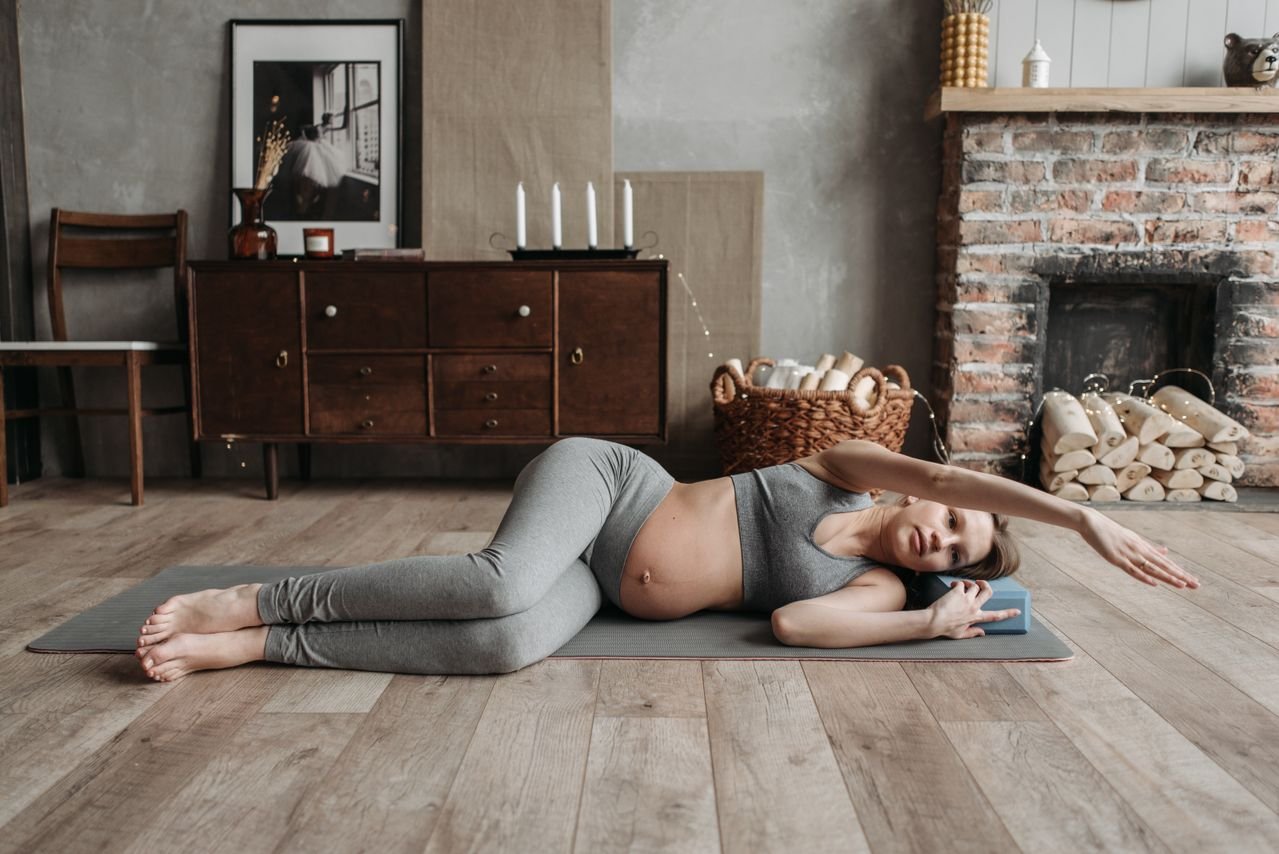
Pregnancy brings many physical and emotional changes, but staying physically active can be a helpful part of a healthy pregnancy when there are no medical restrictions. You do not need a gym membership or complicated equipment to stay active. Many easy pregnancy exercises you can do at home include walking, gentle strength exercises, pelvic-floor exercises, mobility movements, and pregnancy-safe yoga.
The best pregnancy exercises at home are exercises that feel comfortable, can be adapted as your body changes, and match your fitness level and stage of pregnancy. If you were already active before pregnancy, you may be able to continue many of your usual activities with appropriate modifications. If you were not exercising before pregnancy, it is better to start gradually rather than suddenly beginning strenuous workouts.
This trimester-wise pregnancy exercise guide explains simple prenatal exercises at home, including first-trimester, second-trimester, and third-trimester pregnancy workouts, along with exercises to avoid and a simple weekly pregnancy exercise routine.
Quick answer: For many women with an uncomplicated pregnancy, safe pregnancy exercises can include walking, gentle strength exercises, pelvic-floor exercises, mobility work, and pregnancy yoga. The intensity and movements should be modified as pregnancy progresses and according to your healthcare provider’s advice.
Benefits of Exercise During Pregnancy
Regular physical activity can help you stay mobile and maintain strength as your body changes. Exercise does not need to be strenuous to be beneficial, and even short periods of activity can contribute to your overall weekly movement. NHS guidance suggests building toward around 150 minutes of moderate activity each week when appropriate.
Helps Maintain Strength and Mobility
As your belly grows and your weight distribution changes, everyday movements can feel different. Gentle pregnancy fitness exercises can help you maintain functional strength and mobility.
Simple exercises such as supported squats, wall push-ups, walking, and gentle mobility movements can be incorporated into a pregnancy workout at home without requiring heavy equipment.
May Help With Pregnancy-Related Back Discomfort
Backache is common during pregnancy as your body changes. Gentle abdominal-strengthening and pelvic-mobility exercises may help some women manage everyday back discomfort. NHS guidance includes gentle back and pelvic exercises as part of pregnancy exercise advice.
However, exercise should not be used to push through significant or worsening pain. If you experience persistent or severe pain, speak with your healthcare provider.
Supports Pelvic-Floor Strength
The pelvic floor supports the bladder, bowel, and reproductive organs and comes under additional strain during pregnancy and childbirth.
Pelvic-floor exercises during pregnancy, often called Kegel exercises, can help strengthen these muscles. NHS guidance recommends pelvic-floor exercises for pregnant women and provides a routine involving both quick and slower contractions.
Supports Mental Well-Being
Pregnancy can be physically and emotionally demanding. Gentle movement, walking, stretching, and prenatal yoga can provide an opportunity to move your body, relax, and take a break from the daily routine.
Exercise should complement—not replace—adequate sleep, nutrition, rest, and appropriate prenatal care.
Helps Prepare the Body for Labour and Recovery
Maintaining overall strength and mobility can help you cope with the physical demands of pregnancy and everyday activities. Regular physical activity can also help you stay conditioned for labour and the postpartum period.
However, there is no single pregnancy exercise that can guarantee a vaginal or “normal” delivery.
How Much Exercise Is Recommended During Pregnancy?
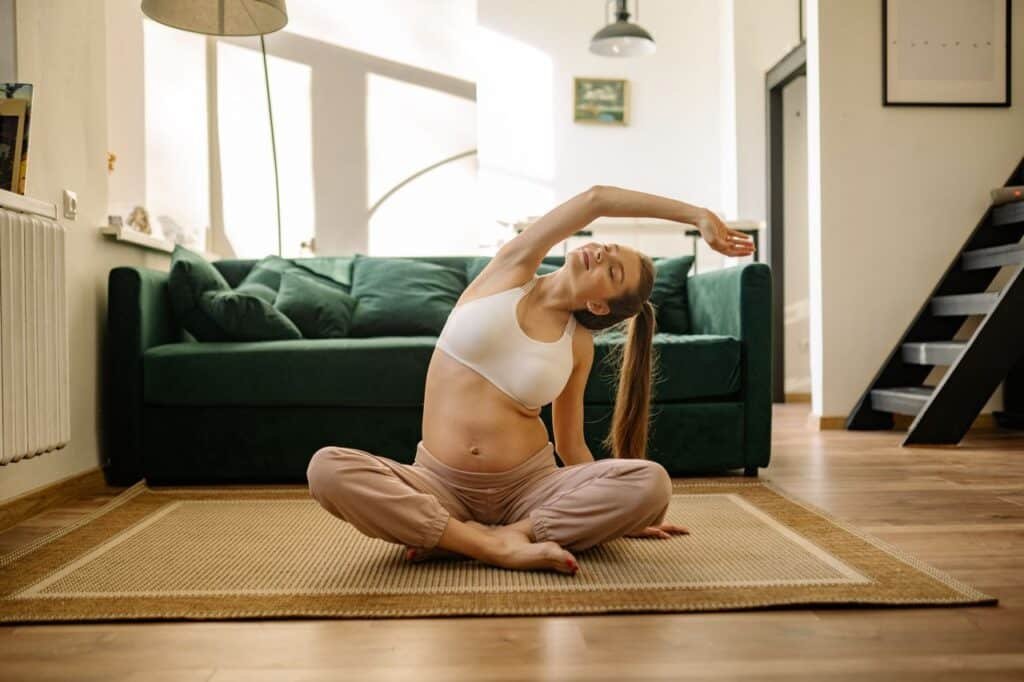
For many women with an uncomplicated pregnancy, a useful general target is 150 minutes of moderate-intensity physical activity per week. This does not mean you need to complete a 150-minute workout.
You can divide your activity into shorter sessions. For example:
- 10-minute brisk walks
- 20–30 minute walks
- Short strength-training sessions
- Gentle prenatal yoga
- Pelvic-floor exercises
- Mobility exercises throughout the day
If you are currently inactive, starting with around 10 minutes of daily activity and gradually increasing your activity can be a practical approach. NHS guidance notes that even shorter periods of activity can be beneficial.
Use the Talk Test
One simple way to judge moderate intensity is the talk test.
You should generally be able to have a conversation while exercising. If you become so breathless that talking comfortably is difficult, slow down and reduce the intensity.
Remember, pregnancy is not the time to prove how hard you can exercise. Your goal is to stay active while remaining comfortable and safe.
Easy Pregnancy Exercises You Can Do at Home
You can create an effective pregnancy workout for beginners at home using simple movements and little or no equipment.
Walking
Walking is one of the easiest pregnancy exercises at home or outdoors.
You can:
- Walk around your home
- Walk on a treadmill if you already use one safely
- Take a short walk outside
- Break one longer walk into several shorter walks
If you were not exercising before pregnancy, walking can be an easy way to gradually become more active.
Pelvic-Floor Exercises
Pelvic-floor exercises during pregnancy can be done almost anywhere.
To perform a basic pelvic-floor contraction:
- Sit or lie comfortably in a supported position.
- Gently tighten the muscles around your pelvic floor.
- Imagine you are trying to prevent passing urine or gas.
- Hold the contraction comfortably.
- Relax completely.
- Continue breathing normally.
Avoid repeatedly practicing pelvic-floor exercises while actually urinating. If you are unsure whether you are using the correct muscles, ask a pelvic-health physiotherapist or healthcare professional for guidance.
Pelvic Tilts
Pelvic tilts are a gentle mobility exercise that can be included in a pregnancy exercise routine.
A simple standing version involves:
- Stand with your back against a wall.
- Keep your knees slightly soft.
- Gently draw your abdominal muscles inward.
- Flatten your lower back toward the wall.
- Hold briefly and release.
- Repeat slowly.
NHS pregnancy guidance includes wall-supported pelvic tilts as an option.
Cat-Cow or Gentle Back Mobility
Get onto your hands and knees with your hands underneath your shoulders and knees underneath your hips.
Slowly:
- Gently round your back.
- Return to a comfortable neutral position.
- Move slowly without forcing your range of motion.
- Repeat several times.
This can be a useful gentle mobility exercise, particularly when your back feels stiff.
Bodyweight Squats
Squats can be modified throughout pregnancy.
For a beginner-friendly version:
- Stand in front of a sturdy chair.
- Keep your feet comfortable and stable.
- Bend your knees and hips as if you are going to sit.
- Lower only as far as comfortable.
- Return to standing.
You can use the chair for support and balance.
Supported Lunges
If lunges feel comfortable, use a wall or sturdy chair for balance.
Take a small step forward, bend your knees slightly, and return to your starting position. You do not need to perform deep lunges.
If your balance changes or lunges cause pelvic or back discomfort, choose another lower-body exercise instead.
Modified Prenatal Yoga
Pregnancy yoga at home can combine gentle movement, stretching, breathing, and relaxation.
Choose prenatal-specific routines rather than general advanced yoga classes. Avoid pushing your flexibility, deep twists, or positions that feel uncomfortable.
As pregnancy progresses, you may need to modify positions and avoid prolonged flat-on-your-back exercise.
Standing Leg Lifts
Standing leg lifts can provide gentle lower-body strengthening.
Hold onto a stable surface and slowly move one leg to the side or slightly backward. Keep your torso steady and avoid swinging the leg.
Arm and Shoulder Exercises
Simple upper-body movements can also be included in a prenatal exercise routine.
For example:
- Wall push-ups
- Gentle arm raises
- Shoulder rolls
- Light resistance-band exercises if you already use them safely
Keep the resistance light enough that you can maintain good form and breathe comfortably.
First Trimester Pregnancy Exercises
The first trimester can bring fatigue, nausea, breast tenderness, and changing energy levels. Therefore, your first trimester pregnancy workout may look very different from your usual fitness routine.
You do not need to force yourself to exercise on days when morning sickness or exhaustion is severe.
What Changes During the First Trimester?
During early pregnancy, some women feel almost normal while others experience significant fatigue or nausea.
Your pregnancy exercises at home in the first trimester should therefore be flexible.
If you were already active, you may be able to continue familiar activities while adjusting intensity when needed. If you were previously inactive, start gradually rather than suddenly beginning a strenuous program.
Best Exercises for the First Trimester
Good options can include:
| Exercise | Beginner Duration/Reps | Main Benefit |
|---|---|---|
| Walking | 10–30 minutes | Cardiovascular fitness |
| Pelvic-floor exercises | Short daily sessions | Pelvic-floor strength |
| Supported squats | 8–12 reps | Lower-body strength |
| Wall push-ups | 8–12 reps | Upper-body strength |
| Gentle mobility | 5–10 minutes | Mobility |
| Prenatal yoga | 10–20 minutes | Relaxation and mobility |
Simple First-Trimester Home Workout
Try this example first trimester pregnancy workout for beginners if your healthcare provider has cleared you for exercise:
- 2–3 minutes of gentle marching or walking
- 8–10 supported squats
- 8–10 wall push-ups
- 8–10 gentle pelvic tilts
- Several minutes of comfortable walking
- Pelvic-floor exercises
- Gentle breathing and cool-down
The routine can be shortened on days when you are tired.
Second Trimester Pregnancy Exercises
The second trimester often brings a noticeable change in your body shape and balance. Your second trimester pregnancy workout should account for your growing belly and changing centre of gravity.
How Your Exercise Routine May Need to Change
You may need to:
- Reduce the range of certain movements
- Use a chair or wall for balance
- Avoid exercises that cause discomfort
- Choose more stable positions
- Take more frequent breaks
- Modify exercises as your belly grows
You should also avoid prolonged exercise lying flat on your back, particularly after 16 weeks, according to NHS guidance.
Best Second-Trimester Exercises
Some options for pregnancy exercises at home during the second trimester include:
- Walking
- Supported squats
- Wall push-ups
- Standing side leg raises
- Pelvic tilts
- Gentle hands-and-knees mobility
- Prenatal yoga
- Pelvic-floor exercises
Second-Trimester Home Workout Example
A simple 20–25-minute pregnancy workout at home could include:
5 minutes: Gentle warm-up and walking
10–15 minutes: Supported squats, wall push-ups, standing leg lifts, and gentle mobility
5 minutes: Slow walking and breathing
Finish with pelvic-floor exercises if they are part of your routine.
If any movement causes pain, pressure, dizziness, or discomfort, stop and choose a gentler alternative.
Exercises and Positions to Modify in the Second Trimester
As your pregnancy progresses, prolonged flat-on-your-back exercise should be avoided. NHS guidance explains that the growing bump can put pressure on a major blood vessel and may make some women feel faint or dizzy.
Instead, choose standing, seated, side-lying, or hands-and-knees variations where appropriate and comfortable.
Third Trimester Pregnancy Exercises
By the third trimester, the focus of your third trimester pregnancy workout may shift from building fitness to maintaining comfortable movement, strength, and mobility.
Your growing belly, reduced balance, fatigue, and pelvic pressure may make some exercises harder than they were earlier.
Exercise Goals in the Third Trimester
Your goals can include:
- Maintaining gentle mobility
- Staying physically active
- Supporting everyday strength
- Practicing pelvic-floor exercises
- Maintaining comfortable posture
- Using breathing and relaxation exercises
- Preparing your body for everyday physical demands
There is no need to exercise through exhaustion.
Best Third-Trimester Exercises
Some third trimester pregnancy exercises at home include:
- Gentle walking
- Supported squats
- Pelvic tilts
- Cat-cow or hands-and-knees mobility
- Standing side leg raises
- Gentle prenatal yoga
- Pelvic-floor exercises
- Breathing and relaxation exercises
Third-Trimester Home Workout Example
A gentle routine might look like:
5 minutes: Slow walking and warm-up
5–10 minutes: Supported squats and standing mobility
5 minutes: Gentle back and pelvic mobility
Several minutes: Pelvic-floor exercises and relaxed breathing
Adjust the duration based on how you feel that day.
When to Reduce the Intensity
You may need to reduce exercise intensity or duration when:
- You feel unusually tired
- Your balance becomes difficult
- An exercise causes discomfort
- You feel pelvic pressure
- You become excessively breathless
- Your healthcare provider recommends a change
The goal of 9 month pregnancy exercises is not to push harder. Gentle movement that feels comfortable may be more appropriate as your due date approaches.
Pregnancy Exercise Routine: A Simple Weekly Plan
A simple daily pregnancy exercise routine does not have to be complicated.
Here is an example of a flexible weekly pregnancy exercise plan:
| Day | Activity |
|---|---|
| Monday | 20–30 minutes walking + pelvic floor |
| Tuesday | Gentle strength + mobility |
| Wednesday | Walking + gentle stretching |
| Thursday | Prenatal yoga + pelvic floor |
| Friday | Walking + gentle strength |
| Saturday | Mobility + easy walking |
| Sunday | Rest or gentle movement |
You can shorten or modify this plan based on your energy, symptoms, fitness level, and healthcare provider’s recommendations.
The general goal is regular movement rather than perfection. NHS guidance notes that if you cannot manage 30 minutes of activity, doing some activity is still better than none.
10-Minute Pregnancy Workout for Busy Moms-to-Be
If you have a busy schedule, a 10 minute pregnancy workout at home can be an easy way to add movement to your day.
1 Minute: Warm-Up
Try:
- Shoulder rolls
- Gentle marching
- Arm movements
2 Minutes: Walking or Marching
Walk around your home or march gently in place.
2 Minutes: Supported Squats
Use a sturdy chair for support and perform slow, comfortable squats.
2 Minutes: Wall Push-Ups
Stand facing a wall and perform controlled wall push-ups.
1 Minute: Pelvic Tilts
Use a wall-supported standing pelvic tilt if comfortable.
1 Minute: Gentle Mobility
Perform comfortable shoulder, back, and hip movements.
1 Minute: Breathing and Cool-Down
Slow your movements and take comfortable breaths.
This quick pregnancy workout can be repeated or extended when you have more time and energy. It should not replace individualized medical advice.
Pregnancy Exercises for Common Pregnancy Discomforts
Certain pregnancy exercises for back pain and other common discomforts may help you stay mobile, but exercises should always be adapted to your symptoms.
Exercises for Pregnancy Back Pain
Gentle options may include:
- Pelvic tilts
- Hands-and-knees back mobility
- Gentle walking
- Supported strengthening exercises
NHS guidance includes gentle abdominal-strengthening and pelvic-tilt exercises as options that may help with pregnancy-related backache.
If pain is severe, persistent, sudden, or accompanied by other concerning symptoms, speak with your healthcare provider.
Exercises for Tight Hips
Gentle hip mobility can help you maintain comfortable movement.
Try slow hip movements, supported standing exercises, or pregnancy-safe yoga. Avoid forcing a stretch or trying to achieve your pre-pregnancy flexibility.
Exercises for Swollen Legs and Feet
Gentle walking and frequent movement can be useful ways to avoid staying in one position for too long.
Simple ankle movements while seated may also be comfortable for some women.
Sudden or significant swelling, particularly when accompanied by other symptoms, should be discussed with your healthcare provider.
Exercises for Pelvic-Floor Strength
Pelvic floor exercises for pregnant women are an important part of prenatal fitness.
A basic routine can include both quick contractions and slower contractions, with complete relaxation between repetitions. NHS guidance recommends regular pelvic-floor exercises during pregnancy.
If you experience pelvic pain, pressure, or difficulty correctly engaging or relaxing the pelvic floor, consider speaking with a pelvic-health physiotherapist.
Exercises to Avoid During Pregnancy
Although many forms of movement can be appropriate during pregnancy, some activities carry additional risks.
High-Fall-Risk Activities
Avoid or carefully reconsider activities where falling could cause injury, especially as your balance changes.
Examples can include:
- Horse riding
- Skiing
- Gymnastics
- Certain cycling activities
- Other activities with a significant fall risk
NHS guidance recommends caution with activities that could cause a fall.
Contact Sports
Avoid sports where there is a significant risk of being hit in the abdomen.
Examples include:
- Martial arts
- Kickboxing
- Football
- Rugby
- Other contact sports
Scuba Diving
Scuba diving is not considered safe during pregnancy because of risks associated with decompression and gas embolism.
Prolonged Exercise Lying Flat on Your Back
Avoid exercises that require you to lie flat on your back for prolonged periods, particularly after 16 weeks.
Exercising in Excessive Heat
Pregnancy can make overheating a concern. Avoid strenuous exercise in very hot conditions, stay hydrated, and choose cooler times of day when exercising outdoors.
What About Running During Pregnancy?
Running during pregnancy can be appropriate for women who were already experienced runners, provided they remain comfortable and have no medical restrictions.
However, pregnancy is generally not the time to suddenly start a strenuous running program if you were previously inactive. NHS guidance specifically advises women who are new to running not to take it up during pregnancy.
Walking or another low-impact activity may be a more suitable starting point for beginners.
What About Planks and Ab Exercises?
Your core does not need to be ignored during pregnancy, but abdominal exercises may need to be modified as your pregnancy progresses.
Instead of automatically following your usual pre-pregnancy abdominal workout, consider gentle pregnancy-appropriate core and mobility exercises.
Avoid prolonged flat-on-your-back exercises later in pregnancy, and stop any movement that causes discomfort, pain, dizziness, or unusual pressure.
A prenatal physiotherapist can help you choose appropriate core exercises for your stage of pregnancy.
What About Squats During Pregnancy?
Squats can often be included in a pregnancy exercise routine, especially when modified for comfort and balance.
A supported squat using a sturdy chair can be a good beginner option.
Keep the movement controlled and avoid going deeper than feels comfortable. As your belly grows, you may need to widen your stance or reduce your range of motion.
If squats cause pelvic pain, back pain, pressure, or another concerning symptom, stop and ask your healthcare provider for advice.
How to Exercise Safely During Pregnancy
Following a few basic precautions can make your safe pregnancy exercises more comfortable.
Always Warm Up and Cool Down
Start with gentle movements and gradually increase your activity. Finish by slowing down rather than stopping abruptly. NHS guidance recommends warming up before exercise and cooling down afterward.
Stay Hydrated
Keep water nearby and drink regularly.
Avoid Overheating
Do not push through excessive heat or exhaustion. Choose a cool, well-ventilated environment for pregnancy exercises at home.
Wear Comfortable Clothing and Supportive Shoes
Choose clothing that allows you to move freely and footwear that provides comfortable support.
Listen to Your Body
Pregnancy fitness is not about competing with your pre-pregnancy self.
If something doesn’t feel right, stop or modify the movement.
Increase Activity Gradually
If you were previously inactive, start with short periods of activity and build gradually. NHS guidance recommends starting with manageable activity such as a 10-minute daily walk rather than suddenly beginning strenuous exercise.
Tell Your Trainer You Are Pregnant
If you attend an exercise class or work with a trainer, make sure they know that you are pregnant and how many weeks pregnant you are.
When Should You Stop Exercising and Contact Your Doctor?
Stop exercising and seek medical advice if you experience concerning symptoms during or after exercise.
These may include:
- Vaginal bleeding
- Fluid leakage
- Significant dizziness or fainting
- Chest pain
- Severe or unusual shortness of breath
- Severe abdominal or pelvic pain
- Regular painful contractions
- Other symptoms that feel unusual or concerning
Some pregnancy complications and medical conditions may also require specific exercise restrictions.
If you are unsure whether a particular symptom is normal, do not try to exercise through it. Contact your doctor, midwife, or maternity care team.
Who Should Talk to a Doctor Before Exercising?
Although physical activity is generally encouraged during an uncomplicated pregnancy, not every pregnancy is the same.
Talk to your healthcare provider before starting or changing an exercise program if you:
- Have a pregnancy complication
- Have been advised to restrict physical activity
- Have a significant medical condition
- Have experienced concerning pregnancy symptoms
- Were previously inactive and want to begin vigorous exercise
- Are uncertain whether a specific exercise is appropriate for you
Your OB-GYN or maternity care provider can help determine which safe exercises for pregnant women at home are suitable for your individual situation.
Frequently Asked Questions About Pregnancy Exercises
What are the best exercises during pregnancy?
For many women with an uncomplicated pregnancy, good options include walking, pelvic-floor exercises, gentle strength training, mobility exercises, and prenatal yoga. The best exercise is one that is appropriate for your pregnancy, fitness level, and comfort. Always follow individualized medical advice when restrictions apply.
Can I exercise at home while pregnant?
Yes, many women can safely exercise at home during pregnancy when their healthcare provider has not advised activity restrictions. Walking, gentle strength exercises, pelvic-floor exercises, mobility work, and prenatal yoga can all be adapted for home use.
How many minutes should I exercise during pregnancy?
A commonly recommended target is around 150 minutes of moderate-intensity activity each week for women with uncomplicated pregnancies. This can be divided into shorter sessions, such as 10-minute periods of activity. If you are new to exercise, start gradually.
Can I do squats while pregnant?
Squats can often be included during pregnancy if they feel comfortable and your healthcare provider has not advised otherwise. Supported squats using a chair can make the exercise easier for beginners and may provide additional balance.
Is walking enough exercise during pregnancy?
Walking is an excellent form of physical activity during pregnancy and can be a practical starting point for beginners. You can combine walking with gentle strength, mobility, and pelvic-floor exercises to create a more varied pregnancy exercise routine.
Can I do yoga during pregnancy?
Prenatal yoga can be a gentle way to combine movement, stretching, breathing, and relaxation. Choose pregnancy-specific routines and avoid positions that cause discomfort. As pregnancy progresses, some positions may need to be modified.
Are Kegel exercises safe during pregnancy?
Pelvic-floor or Kegel exercises are generally recommended during pregnancy. They can help strengthen the pelvic-floor muscles, which are under additional strain during pregnancy and childbirth. If you have pelvic pain or difficulty performing them correctly, seek professional guidance.
Which exercises should be avoided during pregnancy?
Activities with a significant risk of falling or abdominal impact, contact sports, scuba diving, and prolonged flat-on-your-back exercise later in pregnancy should be avoided or modified. Exercising in excessive heat should also be avoided.
Can I exercise during the first trimester?
Many women can continue or begin appropriate exercise during the first trimester. If you were previously inactive, start gradually rather than suddenly beginning strenuous exercise. Fatigue and nausea may also mean that you need to shorten or modify workouts.
What exercises are best during the second trimester?
Walking, supported squats, wall push-ups, pelvic tilts, gentle mobility exercises, prenatal yoga, and pelvic-floor exercises can be useful options. As your belly grows, modify exercises for balance and comfort and avoid prolonged flat-on-your-back positions.
What exercises can I do in the third trimester?
Gentle walking, supported squats, pelvic tilts, hands-and-knees mobility, standing leg exercises, prenatal yoga, pelvic-floor exercises, and breathing exercises may be appropriate. Your exercise routine should become more flexible as fatigue, balance changes, and your growing belly affect movement.
Can exercise help with normal delivery?
Exercise can support general fitness, strength, mobility, and preparation for the physical demands of pregnancy and labour. However, no particular pregnancy exercises for normal delivery can guarantee a vaginal birth. Your mode of delivery depends on many factors beyond exercise.
Can exercise reduce pregnancy back pain?
Gentle mobility and strengthening exercises may help some women manage pregnancy-related back discomfort. Pelvic tilts and gentle abdominal/back exercises are among the movements included in NHS pregnancy exercise guidance. If your pain is severe or persistent, consult your healthcare provider.
Can I start exercising if I wasn’t active before pregnancy?
In many uncomplicated pregnancies, women who were previously inactive can begin with gentle activity and gradually build up. Walking for short periods can be a practical starting point. Avoid suddenly starting strenuous exercise, and discuss your plans with your healthcare provider if you have any concerns.
Is a 10-minute pregnancy workout enough?
A 10-minute pregnancy workout is a useful way to add activity when you are short on time. It may include walking, gentle squats, wall push-ups, mobility, and pelvic-floor exercises. You can gradually build more activity throughout the day or week as comfortable. NHS guidance notes that even 10-minute periods can contribute to the recommended weekly activity.
Final Takeaway
You do not need an elaborate gym routine to stay active during pregnancy. Simple pregnancy exercises at home can fit into your everyday routine and can be adapted as your body changes.
Walking, gentle strength exercises, pelvic-floor exercises, mobility work, and prenatal yoga are practical options for many women with uncomplicated pregnancies. The most important thing is to choose movements that feel comfortable, avoid high-risk activities, stay hydrated, and adjust your routine as your pregnancy progresses.
Whether you’re looking for first trimester exercises, second trimester exercises, third trimester exercises, pregnancy exercises for beginners, pregnancy exercises for back pain, or a simple daily pregnancy exercise routine, consistency and comfort matter more than intensity.
Most importantly, pregnancy is not a competition. Listen to your body and follow your OB-GYN or maternity care provider’s recommendations—especially if you have a high-risk pregnancy, medical condition, pregnancy complication, or any concerning symptoms.