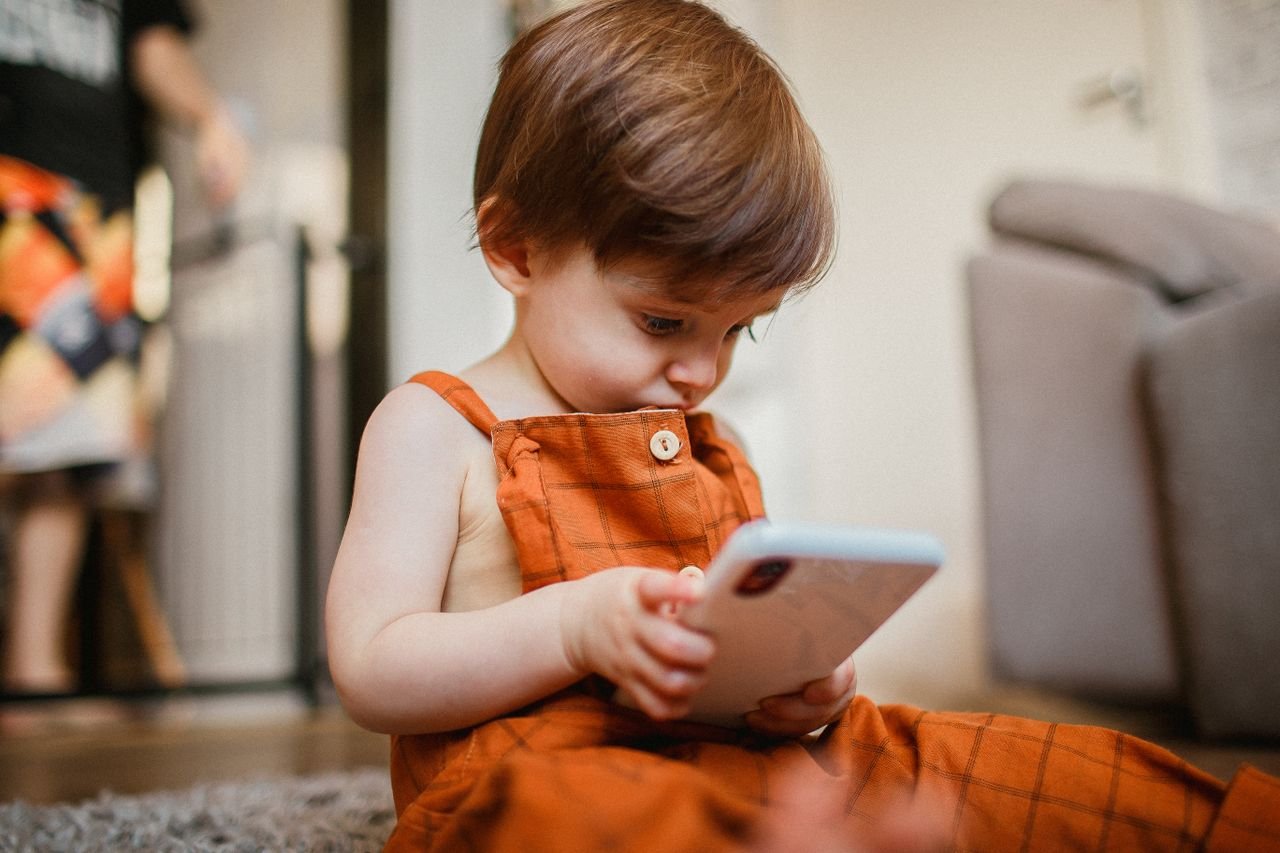

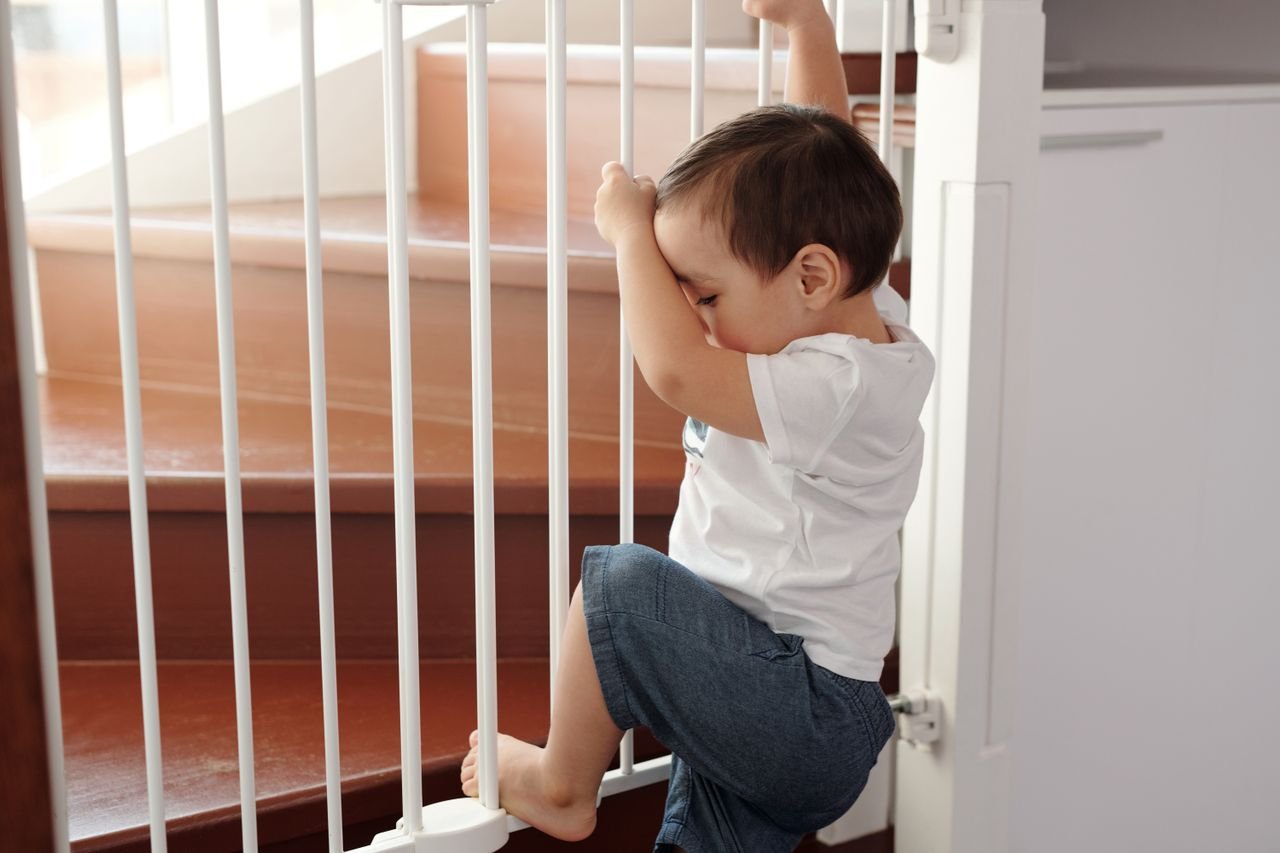
Your home may feel completely safe to you, but once a baby starts rolling, crawling, pulling up, and walking, ordinary household objects can become potential hazards. A low table can become a climbing platform, a handbag can contain medicines, a balcony chair can become a step, and a tiny button battery can become a serious choking and ingestion hazard.
That is why childproofing your home should be an ongoing process rather than something you do once and forget.
A good childproofing checklist helps you identify risks before your baby encounters them. The goal isn’t to make your home completely risk-free—something that isn’t realistic—but to reduce preventable hazards and create a safer environment for babies and toddlers to explore.
The American Academy of Pediatrics recommends paying attention to hazards throughout the home, including falls, furniture tip-overs, electrical outlets, cords, medicines, cleaning products, small objects, windows, and household chemicals.
This room-by-room babyproofing checklist covers the most important areas of your home, including the living room, nursery, kitchen, bathroom, stairs, balcony, playroom, utility area, and several spaces that are especially relevant to Indian homes.
When Should You Start Childproofing Your Home?
Should You Babyproof Before Your Baby Crawls?
Yes. Ideally, start babyproofing your home before your baby becomes mobile.
You don’t need to install every possible safety product when your baby is a newborn. Instead, identify the major hazards first and gradually add safeguards as your child’s abilities change.
Once babies start crawling, they can suddenly reach electrical outlets, cords, drawers, low shelves, bathroom doors, kitchen cabinets, and objects on the floor.
AAP guidance recommends taking additional precautions before or as soon as a child begins crawling or walking, particularly around poisonous substances, medicines, small objects, and other household hazards.
Childproofing by Developmental Stage
| Child’s stage | Main child safety concerns |
|---|---|
| Newborn | Safe sleep, changing surfaces, cords |
| Rolling | Falls from beds and changing surfaces |
| Crawling | Sockets, cabinets, small objects, stairs |
| Pulling to stand | Furniture, sharp edges, drawers |
| Walking | Kitchen, bathroom, doors and windows |
| Climbing | Furniture, balconies, windows and shelves |
The important point is that childproofing by age is not enough. Two children of the same age may have very different mobility and climbing abilities.
Recheck your home whenever your child learns a new skill.
Whole-Home Childproofing Checklist
Before going room by room, use this quick baby safety checklist throughout the house.
Electrical Safety
- ☐ Cover accessible unused electrical outlets with appropriate child-safety devices.
- ☐ Keep electrical cords out of reach.
- ☐ Secure loose wires against walls or behind furniture.
- ☐ Keep chargers and power strips inaccessible.
- ☐ Keep electrical appliances away from water.
Outlet protection and keeping electrical cords out of children’s reach are recommended components of home safety guidance.
Furniture & Tip-Over Safety
- ☐ Anchor dressers, bookcases, TV units and other potentially unstable furniture.
- ☐ Secure televisions.
- ☐ Keep heavy objects on lower shelves.
- ☐ Don’t place tempting toys or electronics on top of furniture.
- ☐ Check furniture regularly for stability.
Children may climb, pull themselves up, or use furniture to reach an attractive object. Furniture and TV tip-overs can cause severe injuries, so anchoring furniture is one of the most important parts of childproofing your home.
Windows & Fall Prevention
- ☐ Use appropriate window guards or safety devices where necessary.
- ☐ Keep chairs, beds and other climbable furniture away from windows.
- ☐ Don’t rely on mosquito screens to prevent falls.
- ☐ Keep window cords inaccessible.
- ☐ Check windows regularly as your child grows.
A window screen is not designed to prevent a child from falling. CPSC guidance recommends appropriate window guards or safety devices and emphasizes keeping such devices properly installed and maintained.
Doors & Finger Safety
- ☐ Use finger-pinch protection where necessary.
- ☐ Secure doors leading to hazardous areas.
- ☐ Consider door locks or knob covers for restricted spaces.
- ☐ Make sure adults can still open safety devices quickly during an emergency.
Fire & Emergency Safety
- ☐ Install working smoke alarms.
- ☐ Install carbon monoxide alarms where appropriate.
- ☐ Test alarms regularly.
- ☐ Keep a suitable fire extinguisher accessible to adults.
- ☐ Have a family emergency and evacuation plan.
CPSC recommends smoke alarms on every level and in/near sleeping areas, along with carbon monoxide alarms near sleeping areas.
Living Room Childproofing Checklist
The living room is often where babies spend much of their day, making it one of the most important areas to babyproof.
Main Living Room Hazards
Watch for:
- TV tip-over
- Furniture tip-over
- Sharp corners
- Glass tables
- Electrical sockets
- Loose wires
- Floor lamps
- Small decorative objects
- Blind and curtain cords
- Remote controls
- Batteries
Living Room Checklist
- ☐ Anchor your TV and TV unit.
- ☐ Secure bookshelves and cabinets.
- ☐ Remove unstable furniture from areas where your toddler plays.
- ☐ Cover or eliminate dangerous sharp edges where appropriate.
- ☐ Consider replacing easily breakable glass furniture.
- ☐ Cover accessible electrical outlets.
- ☐ Hide or secure cables.
- ☐ Keep remotes and batteries away from children.
- ☐ Secure floor lamps.
- ☐ Remove small decorative objects.
- ☐ Keep plants that may be harmful out of reach.
Don’t underestimate furniture tip-over risks. Even furniture that feels heavy and stable to an adult can become dangerous when a toddler repeatedly pulls on drawers, shelves, or handles.
Baby’s Bedroom & Nursery Safety Checklist
Your nursery should be designed around both sleep safety and everyday movement.
Crib and Sleep Area
- ☐ Use an appropriate infant sleep product.
- ☐ Use a firm, flat sleep surface appropriate for the product.
- ☐ Keep the baby’s sleep area free of unnecessary objects.
- ☐ Keep cords away from the crib.
- ☐ Keep furniture securely anchored.
- ☐ Keep windows and blind cords inaccessible.
CPSC recommends using infant sleep products that meet applicable mandatory standards and placing babies on a firm, flat sleep surface on their backs, alone in the sleep area without added items.
Changing Table Safety
- ☐ Never leave your baby unattended on an elevated changing surface.
- ☐ Keep changing supplies organized and accessible to the caregiver.
- ☐ Keep medicines, creams and other potentially harmful products away from the baby.
- ☐ Consider changing the baby on a safe floor-level surface when appropriate.
A baby who cannot roll today may become surprisingly mobile tomorrow, so don’t assume you can safely step away for “just a second.”
Nursery Checklist
- ☐ Secure furniture.
- ☐ Secure windows.
- ☐ Keep cords away from the crib.
- ☐ Keep small objects out of reach.
- ☐ Secure toy storage.
- ☐ Check smoke alarms.
- ☐ Install a CO alarm where appropriate.
- ☐ Keep medicines and cosmetics inaccessible.
- ☐ Keep furniture away from windows.
Parents’ Bedroom & Family Bed Safety
Many babies spend time in an adult bedroom, particularly in Indian households where parents may keep the baby’s cot or crib close to their own bed.
Check for:
- ☐ Risk of falling from the adult bed.
- ☐ Gaps between mattresses and walls.
- ☐ Chargers and electrical cords.
- ☐ Medicines on bedside tables.
- ☐ Cosmetics and personal-care products.
- ☐ Jewellery and other small objects.
- ☐ Remote controls.
- ☐ Coins and other choking hazards.
Never assume an adult bed is safe simply because your baby isn’t crawling yet. Mobility can change rapidly.
Kitchen Childproofing Checklist
The kitchen deserves special attention because it combines heat, sharp objects, electricity, chemicals, glassware and potentially dangerous appliances.
Major Kitchen Hazards
- Hot oil
- Hot water
- Pressure cooker
- Gas stove
- LPG-related equipment
- Stove knobs
- Knives
- Glassware
- Cleaning products
- Sharp utensils
- Electrical appliances
- Hot vessels
- Floor-level cooking
Kitchen Safety Checklist
- ☐ Restrict your baby’s access while cooking.
- ☐ Use rear burners when possible.
- ☐ Turn pan handles inward.
- ☐ Keep hot food and drinks away from counter edges.
- ☐ Keep knives and sharp utensils locked away.
- ☐ Use cabinet and drawer locks where necessary.
- ☐ Store cleaning products securely.
- ☐ Keep matches and lighters inaccessible.
- ☐ Keep LPG equipment inaccessible to children.
- ☐ Unplug appliances when appropriate.
- ☐ Never leave a child unattended around cooking appliances.
- ☐ Don’t place hot vessels on the floor where a crawling baby can reach them.
India-Specific Kitchen Hazards
A babyproofing Indian home checklist should consider hazards that are particularly common in Indian kitchens.
These can include:
- Pressure cookers and escaping steam
- Gas stoves
- LPG cylinders and regulators
- Hot vessels placed on the floor
- Floor-level cooking
- Open kitchen shelves
- Electric kettles
- Water dispensers
- Mixer-grinders
- Extension boards
If your kitchen opens directly into the living room, consider using a safety gate or another suitable barrier to limit access during cooking.
Bathroom Childproofing Checklist
Bathrooms can contain several serious hazards in a very small space.
Main Bathroom Risks
- Drowning
- Slippery floors
- Hot water
- Toilets
- Buckets
- Medicines
- Razors
- Cosmetics
- Cleaning products
- Electrical appliances
Bathroom Checklist
- ☐ Never leave a baby or toddler alone around water.
- ☐ Empty buckets immediately after use.
- ☐ Keep bathroom doors secured when appropriate.
- ☐ Store medicines in a locked location.
- ☐ Keep razors and grooming tools inaccessible.
- ☐ Use appropriate non-slip measures.
- ☐ Check water temperature before bathing your child.
- ☐ Keep toiletries out of reach.
- ☐ Keep electrical appliances away from water.
- ☐ Consider a toilet lock for mobile toddlers.
Why Buckets Are a Serious Child Safety Hazard
For many Indian families, buckets are a normal part of daily bathing and household routines. However, an open bucket containing water can become a drowning hazard for a young child.
Never assume that a small amount of water is harmless. Empty buckets and containers immediately after use and keep them inaccessible to young children.
Staircase Childproofing Checklist
Falls from stairs can happen in seconds, especially once a baby begins crawling or walking.
Stair Safety Checklist
- ☐ Install a properly fitted safety gate.
- ☐ Use a hardware-mounted gate at the top of stairs when appropriate.
- ☐ Consider a gate at the bottom as well.
- ☐ Keep toys and clutter off stairs.
- ☐ Check gaps in railings and balusters.
- ☐ Keep stairways well lit.
- ☐ Check for slippery surfaces.
- ☐ Regularly inspect the gate’s locking mechanism.
CPSC recommends safety gates that meet applicable child-safety standards and specifically advises using screw-mounted gates at the top of stairs. Pet gates should not be substituted for child safety gates.
A useful practical rule is to choose a gate that adults can open easily but a child cannot dislodge.
Balcony & Window Safety Checklist
For families living in apartments, balcony safety for babies deserves special attention.
Balcony Hazards
- Wide railing gaps
- Chairs near railings
- Stools
- Plant stands
- Low parapets
- Climbable furniture
- Unsecured balcony doors
- Objects that can be dragged near railings
Balcony Checklist
- ☐ Keep furniture away from railings.
- ☐ Secure balcony doors.
- ☐ Inspect railing gaps.
- ☐ Use appropriate safety netting or guards where needed.
- ☐ Don’t rely on mosquito screens.
- ☐ Keep windows secured.
- ☐ Move climbable objects away from windows and balconies.
- ☐ Regularly inspect balcony safety devices.
CPSC recommends window guards and safety netting where appropriate for preventing falls from windows and balconies, and specifically warns that window screens should not be relied upon to prevent falls.
Dining Area & High Chair Safety
When babies begin eating solids, the dining area becomes another important part of your child safety checklist.
- ☐ Use an age-appropriate high chair.
- ☐ Use the restraint system correctly.
- ☐ Check that the high chair is stable.
- ☐ Keep it away from tables, counters and other surfaces your child can push against.
- ☐ Don’t allow your child to climb onto dining chairs.
- ☐ Keep hot food and drinks away from edges.
- ☐ Avoid tablecloths that a child can pull.
- ☐ Keep choking hazards away from younger children.
Children should eat while seated and supervised rather than walking, running, playing or lying down with food in their mouths.
Playroom & Toy Storage Safety
A playroom may look safe because everything is designed for children, but toys themselves can create hazards.
Check For
- Small toy parts
- Button batteries
- Magnets
- Broken toys
- Loose pieces
- Long cords
- Heavy toys
- Unsecured toy storage
Toy Safety Checklist
- ☐ Choose age-appropriate toys.
- ☐ Remove broken toys immediately.
- ☐ Keep toys with small parts away from younger children.
- ☐ Check battery compartments.
- ☐ Store magnets securely.
- ☐ Keep heavy objects low.
- ☐ Inspect toys regularly.
Button batteries deserve special attention because they can cause severe internal injuries if swallowed. They are found in many everyday items such as remotes, key fobs, watches, toys and electronic accessories.
Laundry Area & Utility Space
The laundry and utility area is easy to overlook when childproofing your home, especially when it is separate from the main living area.
Checklist
- ☐ Lock laundry detergents away.
- ☐ Keep detergent packets inaccessible.
- ☐ Secure cleaning chemicals.
- ☐ Keep irons unplugged and inaccessible when not in use.
- ☐ Secure washing-machine controls where necessary.
- ☐ Keep buckets inaccessible.
- ☐ Secure electrical cords.
- ☐ Prevent unsupervised access to the utility area.
Cleaning products and laundry products should remain in their original containers and be stored out of sight and reach, preferably in locked storage.
Pooja Room / Prayer Area Safety for Indian Homes
A childproofing checklist for Indian homes should not overlook the pooja room or prayer area.
Potential hazards can include:
- Diyas
- Incense sticks or agarbatti
- Camphor
- Matchboxes
- Oil lamps
- Small religious objects
- Electrical lamps
- Cords
- Low shelves
Pooja Room Checklist
- ☐ Keep flames inaccessible.
- ☐ Store matches and lighters securely.
- ☐ Never leave a lit diya unattended.
- ☐ Keep camphor away from children.
- ☐ Move small objects above your child’s reach.
- ☐ Keep electrical cords secured.
- ☐ Restrict access during rituals involving flames.
Inverter, Battery & Storage Area Safety
Many Indian homes have inverter systems, batteries or dedicated utility spaces.
Checklist
- ☐ Keep children away from inverter and battery areas.
- ☐ Secure access to the area.
- ☐ Keep wires protected.
- ☐ Prevent children from touching battery terminals.
- ☐ Keep tools and chemicals inaccessible.
- ☐ Don’t allow children to play near electrical equipment.
If the inverter or battery system is in a cupboard or utility area, make sure the area remains appropriately ventilated according to the manufacturer’s installation requirements while preventing child access.
Garage, Balcony, Terrace & Outdoor Areas
Garage Safety
Keep children away from:
- Cleaning chemicals
- Petrol and other fuels
- Tools
- Sharp objects
- Small hardware
- Vehicle areas
Terrace Safety
- ☐ Lock terrace access.
- ☐ Check parapets and railings.
- ☐ Remove climbable furniture.
- ☐ Prevent access to water tanks and other hazardous equipment.
Garden Safety
- ☐ Store pesticides and fertilizers securely.
- ☐ Lock gardening tools.
- ☐ Identify potentially harmful plants.
- ☐ Don’t leave sharp tools outside.
Medicine, Cleaning Products & Poison Safety
Poison prevention should be part of every baby safety checklist.
Keep potentially harmful products:
Out of sight + out of reach + preferably locked.
This includes:
- Prescription medicines
- Over-the-counter medicines
- Vitamins
- Supplements
- Cleaning products
- Laundry detergents
- Toilet cleaners
- Bleach
- Cosmetics
- Insecticides
- Pesticides
- Alcohol
- Nicotine products
Don’t assume a child-resistant cap makes a medicine completely childproof. AAP recommends keeping medicines in their original containers and storing them in locked cabinets or containers, out of sight and reach of children.
Never transfer cleaning chemicals or other hazardous substances into food or drink containers.
Also remember that a handbag, backpack or visiting relative’s luggage can contain medicines. This is particularly important when grandparents, relatives or guests visit.
Choking Hazard Checklist for the Entire Home
Babies and toddlers naturally explore by putting objects into their mouths. That makes small objects one of the most important hazards to identify when you babyproof your house.
Look for:
- Coins
- Buttons
- Beads
- Small toy parts
- Batteries
- Magnets
- Screws
- Pen caps
- Jewellery
- Small pieces of food
- Medication
- Broken household items
AAP recommends regularly checking floors for small objects such as coins, beads, buttons, pins, medicines and batteries.
Try the Floor Test
Get down on your hands and knees and look around your home from your child’s height.
Ask yourself:
“If my child found this object, could they put it in their mouth?”
This simple exercise can reveal hazards that adults routinely overlook.
Childproofing Checklist for Renters
You don’t need to own your home to make it safer.
No-Drill Childproofing Options
Depending on the hazard and product instructions, renters may use:
- Cabinet locks
- Drawer locks
- Outlet protection
- Cord management
- Door locks
- Finger-pinch protection
- Appropriate temporary barriers
However, don’t assume that a no-drill solution is suitable for every hazard.
For example, furniture and TVs that can tip over may require proper anchoring. CPSC and AAP guidance emphasizes anchoring furniture and televisions to reduce tip-over risk.
If you rent, discuss important safety modifications with your landlord where necessary.
Childproofing Checklist for Grandparents’ House
Grandparents’ homes can contain different furniture, medicines, appliances and routines from the child’s primary home.
Before a baby or toddler spends time there, check:
- ☐ Medicines are locked away.
- ☐ Electrical cords are secured.
- ☐ Accessible sockets are protected.
- ☐ Furniture is stable and anchored where needed.
- ☐ Stairs have appropriate gates.
- ☐ Balcony and windows are secured.
- ☐ Small objects are removed.
- ☐ Kitchen access is restricted.
- ☐ Buckets are emptied.
- ☐ Cleaning products are locked away.
- ☐ Pooja/fire hazards are secured.
AAP also recommends that grandparents prepare their homes before grandchildren visit and pay particular attention to medicines, stairs, kitchens, bathrooms and emergency safety.
How to Childproof Your Home on a Budget
You don’t have to buy dozens of babyproofing products at once.
Prioritize hazards according to the potential severity of the injury.
Must Do First
- Secure stairs.
- Address window and balcony fall risks.
- Anchor unstable furniture and TVs.
- Secure medicines and chemicals.
- Address electrical hazards.
- Restrict access to cooking areas.
- Eliminate accessible water hazards.
- Remove choking hazards.
Do Next
- Add cabinet locks.
- Add drawer locks.
- Manage cords.
- Address sharp edges.
- Add door/finger protection where appropriate.
Nice to Have
- Additional organizers
- Decorative safety accessories
- Non-essential gadgets
- Convenience-focused babyproofing products
The safest purchase isn’t necessarily the product with the most features. Choose products appropriate for the specific hazard, install them correctly and check them regularly.
15-Minute Childproofing Home Safety Audit
Short on time? Do this quick childproofing checklist.
Step 1: Get Down to Crawling Height
Look around your home from your child’s perspective.
Step 2: Scan for Five Things
Look for:
- Small objects
- Cords
- Accessible sockets
- Climbable furniture
- Chemicals or medicines
Step 3: Check High-Risk Areas
Quickly inspect:
- Stairs
- Windows
- Balcony
- Kitchen
- Bathroom
- Nursery
- Living room
Step 4: Test Safety Devices
Check:
- Gates
- Locks
- Furniture anchors
- Window safety devices
- Cabinet latches
- Outlet protection
Step 5: Repeat Regularly
Your home may be safe for a six-month-old but not for a 15-month-old who can climb.
Childproofing should evolve with your child.
Complete Room-by-Room Childproofing Checklist
Use this printable-style room by room babyproofing checklist to conduct a final safety audit.
| Area | Hazard | Safety Fix | Done |
|---|---|---|---|
| Living room | TV tip-over | Anchor TV | ☐ |
| Living room | Sharp edges | Remove/protect hazards | ☐ |
| Bedroom | Furniture | Anchor furniture | ☐ |
| Nursery | Cords | Keep away from crib | ☐ |
| Kitchen | Hot surfaces | Restrict access | ☐ |
| Kitchen | Knives | Lock away | ☐ |
| Bathroom | Water | Empty buckets | ☐ |
| Bathroom | Medicines | Lock away | ☐ |
| Stairs | Falls | Install appropriate safety gate | ☐ |
| Balcony | Falls | Secure balcony/railing access | ☐ |
| Windows | Falls | Use appropriate safety devices | ☐ |
| Playroom | Small parts | Remove choking hazards | ☐ |
| Utility | Chemicals | Lock storage | ☐ |
| Pooja room | Flames | Keep inaccessible | ☐ |
| Inverter area | Electrical equipment | Restrict access | ☐ |
Common Childproofing Mistakes Parents Make
Mistake 1: Waiting Until the Baby Starts Crawling
By the time your baby starts crawling, they may already be able to reach hazards you haven’t noticed.
Mistake 2: Using Furniture as a Barrier Without Securing It
A cabinet or bookshelf shouldn’t become a barrier if your child can climb or pull on it.
Mistake 3: Assuming a Window Screen Prevents Falls
Window screens are not designed to stop a child from falling.
Mistake 4: Leaving Buckets Filled With Water
An accessible bucket can become a drowning hazard for a young child.
Mistake 5: Keeping Medicines “High Enough”
Children can climb. Locked storage is a safer approach than simply placing medicines on a high shelf.
Mistake 6: Forgetting Grandparents’ and Guests’ Bags
A purse, handbag or travel bag may contain medicines, coins, batteries or other hazards.
Mistake 7: Childproofing Once
Your toddler’s abilities change rapidly. A safety setup should be reviewed regularly.
Mistake 8: Buying Safety Products Without Checking Installation
A safety product only helps when it is suitable for the hazard and installed and maintained correctly.
FAQs About Childproofing
When should I start childproofing my home?
Start identifying and addressing major hazards before your baby becomes mobile, ideally before crawling. Reassess the home whenever your child learns new skills such as standing, walking or climbing.
What are the most important things to babyproof first?
Start with the highest-risk hazards: stairs, windows and balconies, furniture tip-overs, medicines and chemicals, electrical hazards, cooking areas, accessible water and choking hazards.
How do I childproof a house for a crawling baby?
Get down to your baby’s level and check for small objects, electrical outlets, cords, accessible cabinets, stairs, medicines, cleaning products and climbable furniture. Secure or remove hazards before your baby can reach them.
How do I babyproof an Indian home?
In addition to standard childproofing, inspect balconies, terraces, pressure cookers, gas stoves, LPG areas, buckets, floor-level cooking, pooja areas, inverter spaces and open storage. These features are common in many Indian homes and should be considered as part of a complete babyproofing Indian home checklist.
What rooms should be babyproofed?
Ideally, every room your child can access should be assessed. Start with the nursery, bedroom, living room, kitchen, bathroom, stairs, balcony and outdoor areas.
Are outlet covers necessary for babies?
Accessible electrical outlets can pose an electrical-shock risk. Appropriate outlet protection can reduce access, but electrical cords and appliances should also be kept out of reach.
How do I make my kitchen safe for a toddler?
Restrict access during cooking, keep hot objects away from edges, use rear burners when possible, turn pan handles inward, secure knives and cleaning products, and keep appliances and cords inaccessible.
How do I make my balcony safe for children?
Secure balcony doors, keep furniture away from railings, prevent children from climbing onto objects near the edge, inspect railing gaps and consider appropriate safety netting or other fall-prevention measures where needed.
Are window screens safe for babies?
No. A window screen should not be treated as a fall-prevention device. Appropriate window guards or other safety devices may be necessary depending on the window and home setup.
How do I prevent furniture from tipping over?
Anchor furniture such as dressers, bookcases and TV units to a suitable wall or structural point according to the manufacturer’s instructions. Keep heavy items low and avoid placing attractive objects where children may try to climb for them.
How can I childproof a rented apartment?
Use suitable temporary safety solutions where appropriate, but don’t compromise on critical hazards. Discuss permanent anchoring or other essential modifications with your landlord when necessary.
How do I make stairs safe for toddlers?
Use an appropriate safety gate at the top of stairs and, where appropriate, the bottom. Gates at the top of stairs should be securely mounted according to safety guidance. Keep stairs clear and check the gate regularly.
How do I make a bathroom safe for a baby?
Never leave a baby unattended around water, empty buckets immediately, lock away medicines and cleaning products, secure razors and cosmetics, keep electrical appliances away from water and address slippery surfaces.
How often should you update your childproofing?
Review your home regularly and whenever your child’s abilities change. A crawling baby, walking toddler and climbing preschooler can interact with the same home in very different ways.
What are the biggest choking hazards at home?
Small objects such as coins, buttons, beads, small toy parts, batteries, magnets and other objects that fit into a child’s mouth can pose choking risks. Regularly inspect floors and low surfaces.
Final Takeaway
You don’t need a perfect home—you need a home where the biggest preventable risks have been identified and addressed.
The best childproofing checklist is one that evolves with your child.
Start with the hazards that could cause the most serious harm: falls, furniture tip-overs, burns, drowning, poisoning, choking and electrical injuries. Then work room by room through your home.
Remember these four principles:
Look. Lock. Secure. Recheck.
Look at your home from your child’s height. Lock medicines, chemicals and other dangerous items. Secure furniture, windows, stairs and other hazards. Then recheck everything as your baby grows.
And finally, childproofing does not replace active supervision. It creates an additional layer of protection when you cannot be watching your child every second.
For parents looking for a babyproofing checklist for Indian homes, the most important step is to adapt general safety guidance to your actual home layout, your child’s developmental stage and the everyday routines your family follows.