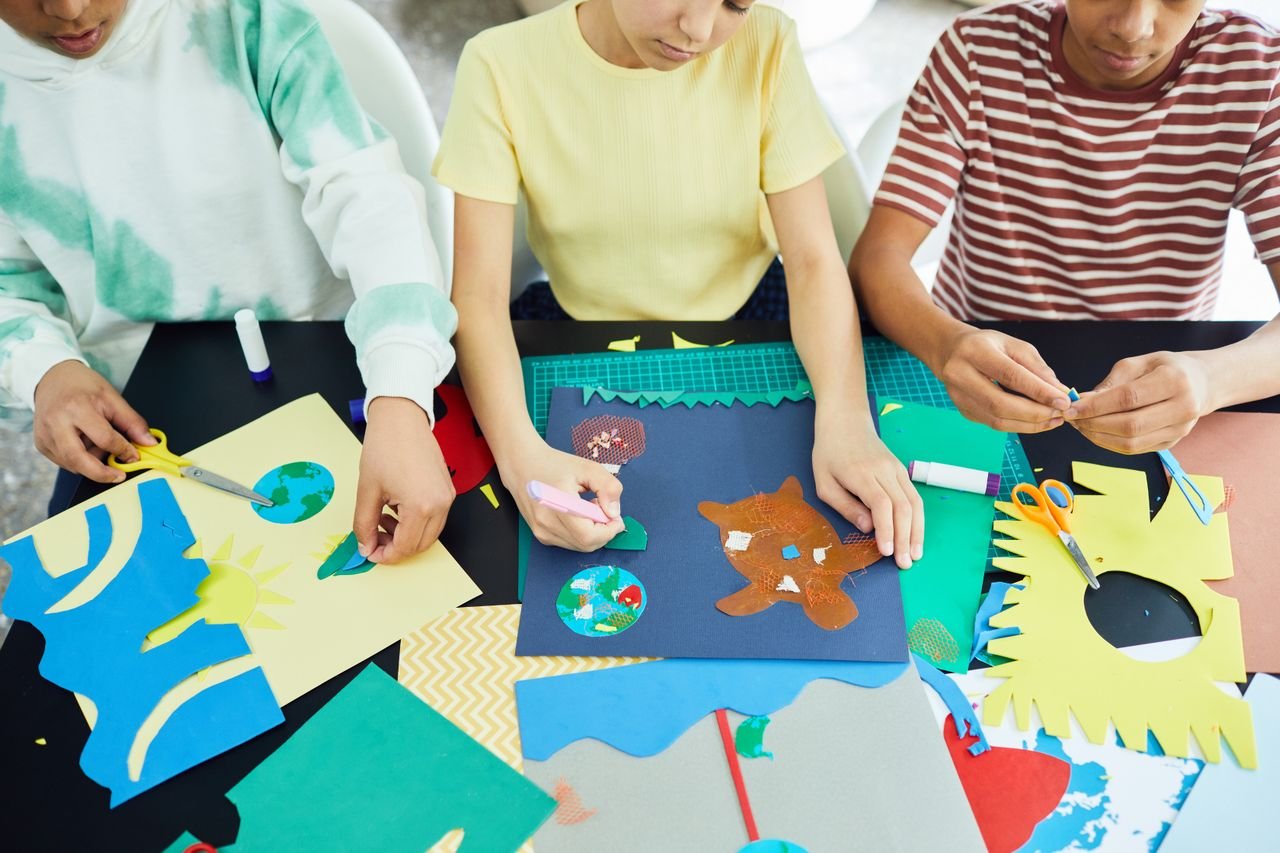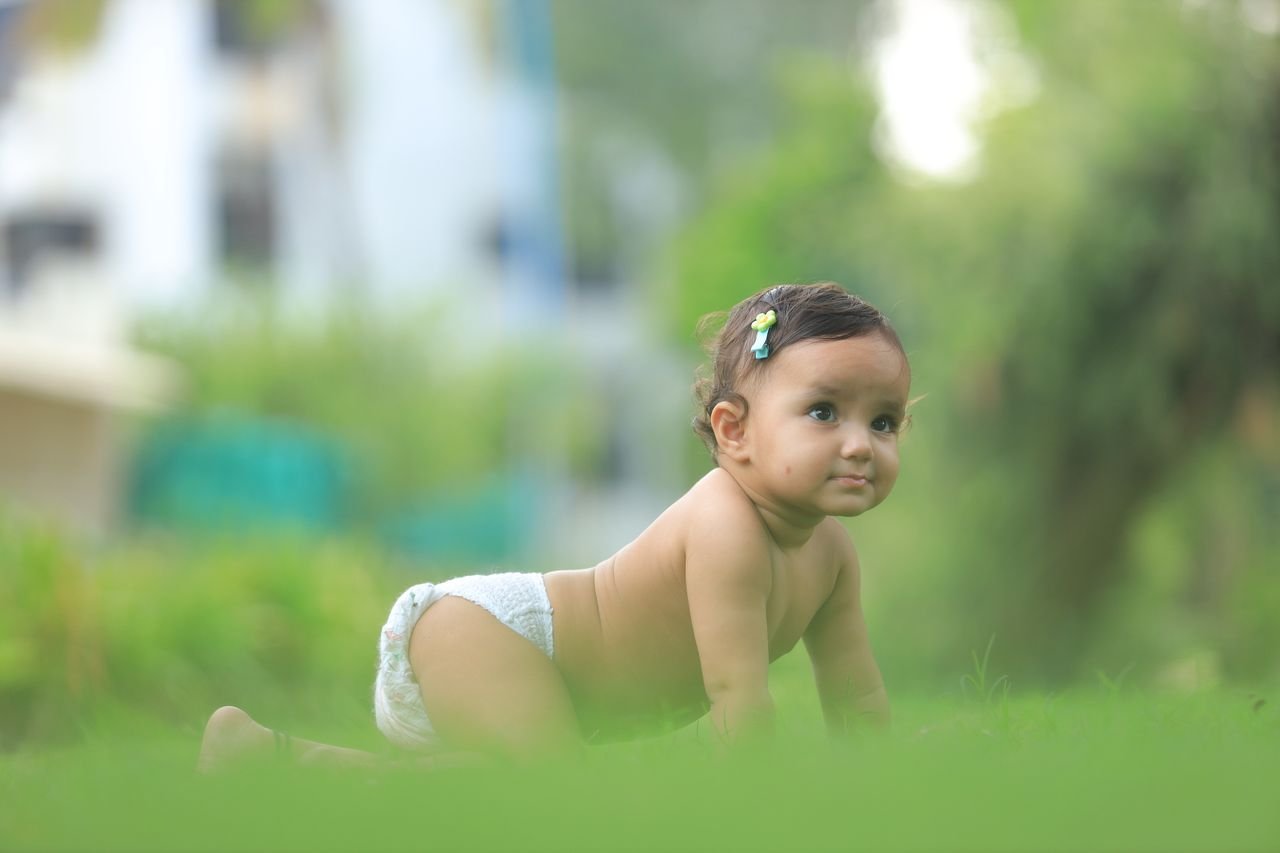

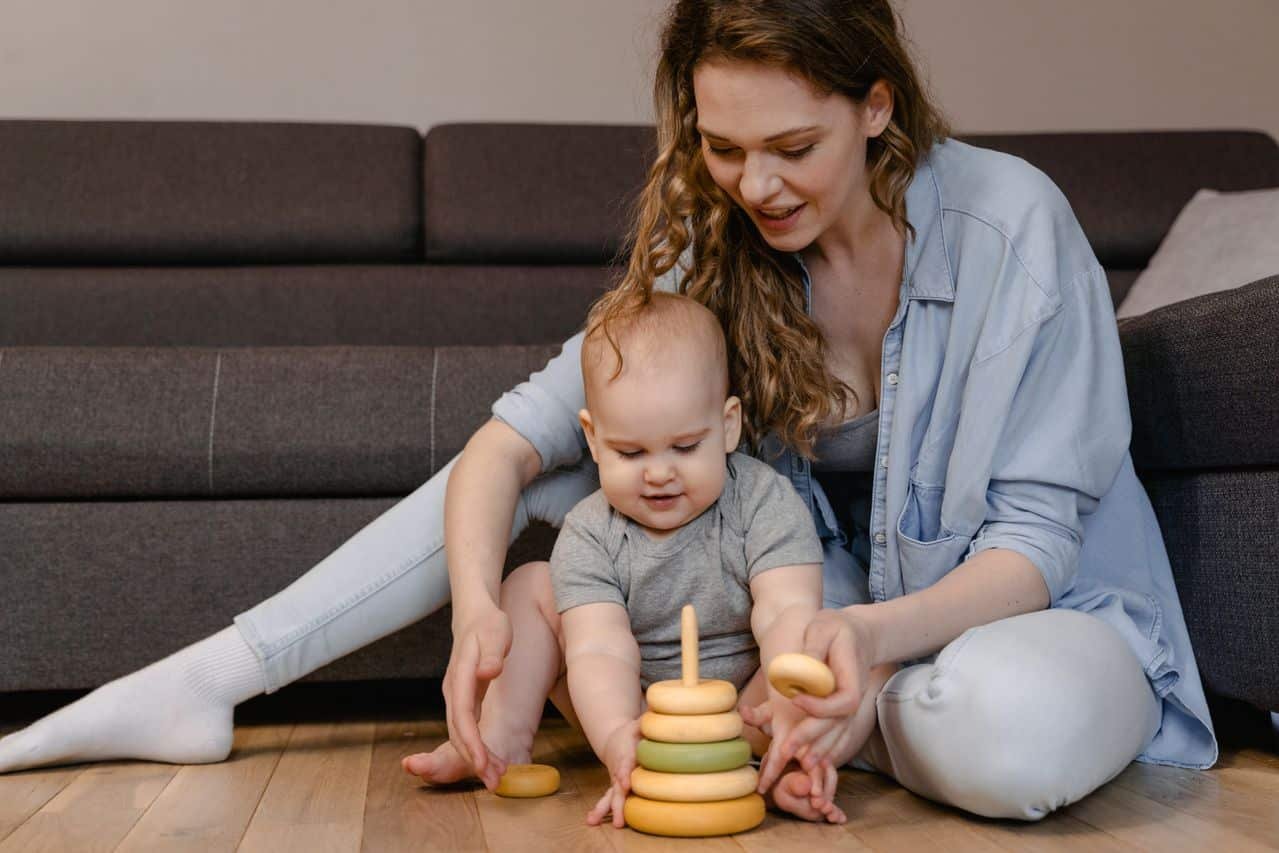
The years from 1 to 3 are filled with remarkable changes. A baby who is just beginning to walk and communicate can gradually become a curious, independent toddler who runs, talks, plays pretend, follows simple instructions, and interacts with other children.
Understanding toddler milestones can help parents recognize how their child is growing across different areas, including physical development, language and communication, cognitive development, and social-emotional skills.
This toddler milestones by age guide covers the major developmental milestones from 1 to 3 years, including 12-month, 15-month, 18-month, 2-year, 30-month, and 3-year milestones. These age points align with milestone resources from the Centers for Disease Control and Prevention (CDC) and the American Academy of Pediatrics (AAP).
Remember that developmental milestones are guidelines, not a competition or a strict deadline. Children develop at different rates. If you have concerns about your child’s development, speak with your pediatrician rather than relying only on an online checklist.
What Are Toddler Developmental Milestones?
Toddler developmental milestones are skills that most children develop around particular ages. They help parents and healthcare professionals understand how a child is progressing in areas such as movement, communication, thinking, and social interaction.
The Four Main Areas of Toddler Development
1. Physical and motor development: This includes walking, running, climbing, jumping, using hands, feeding themselves, and developing coordination.
2. Language and communication: This includes understanding words, using gestures, saying words and phrases, answering questions, and gradually participating in conversations.
3. Cognitive development: This includes learning, remembering, exploring cause and effect, solving simple problems, following instructions, and developing pretend play.
4. Social and emotional development: This includes forming relationships, expressing emotions, developing independence, playing with others, and learning to manage feelings.
The AAP describes developmental milestones in terms of skills children develop through playing, learning, speaking, acting, and moving.
Are All Toddlers Supposed to Reach Milestones at the Same Time?
No. Toddler development does not happen according to an exact timetable.
One child may start walking earlier while another may develop language skills more quickly. A toddler might be physically adventurous but quieter with words, while another child may talk frequently but take longer to master certain physical skills.
Milestone checklists are useful for understanding typical development, but they should not be used to compare one child with another.
The CDC describes its milestones as things that most children—75% or more—can do by a certain age.
Toddler Milestones at 1 Year (12 Months)
At 12 months, many children are transitioning from babyhood into toddlerhood. They may become more mobile, curious, communicative, and interested in interacting with the people around them.
Physical and Gross Motor Milestones
Some common 12 month old milestones include:
- Pulling themselves up to stand
- Cruising while holding furniture
- Taking supported or independent steps
- Moving around to explore their surroundings
- Picking up small objects
- Beginning to drink from a cup with help
Walking does not have to happen exactly on a child’s first birthday. Walking independently is an important milestone, but there is variation in when children achieve it.
Fine Motor Milestones
A 1-year-old may begin to:
- Use a pincer grasp to pick up small objects
- Pick up finger foods
- Put objects into containers
- Take objects out of containers
- Turn pages of a book
- Use toys in purposeful ways
Language and Communication Milestones
Early communication may include:
- Saying “mama,” “dada,” or another special name for a parent
- Waving bye-bye
- Understanding familiar words
- Responding to their name
- Pointing or gesturing
- Using sounds and gestures to communicate wants
At this stage, communication is about much more than spoken vocabulary. Gestures, eye contact, sounds, facial expressions, and understanding language are all part of early communication.
Cognitive Milestones
Common cognitive milestones around this age include:
- Looking for an object after seeing it hidden
- Exploring cause and effect
- Putting objects into containers
- Imitating simple actions
- Exploring new objects
- Beginning to understand how familiar objects are used
Social and Emotional Milestones
A 1-year-old may:
- Enjoy simple interactive games
- Show affection toward familiar people
- Imitate others
- Show preferences for certain people or objects
- Respond differently to familiar and unfamiliar people
- Show excitement through gestures, sounds, or movement
The AAP includes skills such as waving bye-bye, looking for hidden objects, pulling to stand, cruising, and beginning to walk among important milestones around this period.
Toddler Milestones at 15 Months
The 15 month old milestones period often brings noticeable changes in movement, communication, and independence.
Movement and Physical Skills
Your toddler may:
- Take several independent steps
- Walk more confidently
- Begin climbing
- Feed themselves using their fingers
- Improve balance and coordination
- Explore their environment more actively
Language and Communication
At 15 months, a toddler may:
- Attempt additional words
- Understand familiar words
- Point to request something
- Point to show something interesting
- Follow simple instructions
- Use gestures together with sounds or words
Cognitive Skills
Cognitive development may include:
- Using familiar objects appropriately
- Stacking objects
- Exploring how toys work
- Copying everyday activities
- Looking for objects
- Beginning simple problem-solving
Social-Emotional Skills
Your toddler may:
- Show affection
- Imitate other children
- Show favorite toys or objects
- Clap when excited
- Seek attention from familiar caregivers
- Become increasingly independent
Toddler Milestones at 18 Months
The 18 month old milestones stage is an exciting period when many toddlers become increasingly mobile, expressive, and independent.
Physical Development
An 18-month-old may:
- Walk independently
- Climb on and off furniture
- Scribble
- Begin using a spoon
- Drink from an open cup with help
- Carry toys while walking
- Explore different types of movement
Language Development
Your toddler may:
- Say several words
- Understand familiar instructions
- Point to communicate
- Identify familiar objects
- Use gestures alongside words
- Try to imitate words they hear
Language development varies significantly from child to child, so consider communication as a whole rather than focusing only on the number of words.
Cognitive Development
At this age, toddlers may:
- Copy household activities
- Engage in simple pretend play
- Use toys in increasingly purposeful ways
- Explore cause and effect
- Follow familiar routines
- Try simple solutions when something does not work
Social and Emotional Development
An 18-month-old may:
- Move away from a caregiver but check that they are nearby
- Show interest in other people
- Want to do things independently
- Express strong preferences
- Experience frustration and tantrums
- Seek comfort from familiar caregivers
The AAP includes independent walking, scribbling, beginning spoon use, following one-step directions, and pointing to show something interesting among skills expected around 18 months.
Toddler Milestones at 2 Years
The second birthday marks an important stage in child development milestones. Toddlers often become more active, verbal, imaginative, and independent.
Physical and Gross Motor Milestones
Common 2 year old developmental milestones may include:
- Running
- Kicking a ball
- Walking up some stairs
- Climbing
- Improving balance
- Carrying objects while walking
- Becoming more coordinated during active play
Fine Motor Milestones
A 2-year-old may be able to:
- Eat with a spoon
- Build simple structures with blocks
- Turn pages
- Manipulate simple toys
- Use crayons for scribbling and early drawing
- Begin participating in dressing
Speech and Language Milestones
Language can expand rapidly during the second year.
A toddler may:
- Combine two words
- Use an increasing number of words
- Name familiar objects
- Point to body parts
- Follow simple instructions
- Point to pictures in books
- Use gestures and words together
AAP guidance notes that by age 2, many toddlers can say around 50 to 100 words, use several two-word phrases, point to familiar objects and body parts, and follow simple one-step instructions.
So, if you’re wondering “how many words should a 2-year-old say?”, remember that vocabulary counts are only one part of communication. Understanding language, gestures, interaction, and progress also matter.
Cognitive Milestones
A 2-year-old may begin to demonstrate:
- Simple problem-solving
- Pretend play
- Understanding familiar routines
- Combining toys during play
- Following simple instructions
- Beginning to understand simple relationships between objects and actions
Social and Emotional Milestones
At this age, toddlers often:
- Show increasing independence
- Want to do things themselves
- Notice when another person is upset
- Seek reactions from caregivers
- Express strong emotions
- Test boundaries
- Experience tantrums
Tantrums are common during toddlerhood because children are developing independence while still learning how to communicate and regulate strong emotions.
Toddler Milestones at 30 Months (2½ Years)
The 30 month old milestones stage is specifically included in CDC developmental milestone guidance. At 2½ years, children may demonstrate increasingly complex language, pretend play, movement, and social skills.
Language and Communication
A toddler around 30 months may:
- Use around 50 words or more
- Combine words into phrases
- Name things in books
- Use words such as “I,” “me,” or “we”
- Communicate wants and needs more clearly
Cognitive Development
Your child may:
- Engage in pretend play
- Solve simple problems
- Follow two-step instructions
- Recognize at least one color
- Understand familiar routines
- Become increasingly interested in books and stories
Physical Development
Physical milestones for toddlers around this age can include:
- Jumping with both feet
- Turning pages
- Twisting lids or knobs
- Removing some simple clothing
- Running and climbing with greater confidence
- Improving hand-eye coordination
Social Development
A 30-month-old may:
- Play alongside other children
- Begin interacting with other children
- Show off newly learned skills
- Follow familiar routines
- Express preferences more clearly
- Begin practicing cooperation with adults
Toddler Milestones at 3 Years
By age 3, many children become increasingly independent communicators and active participants in family and social life. These 3 year old developmental milestones can include significant advances in language, movement, pretend play, and social interaction.
Physical Milestones
A 3-year-old may:
- Use a fork
- Put on some clothing
- String objects together
- Run and climb confidently
- Jump
- Improve coordination
- Participate more independently in everyday activities
Language and Communication Milestones
Language development becomes increasingly conversational.
A 3-year-old may:
- Have back-and-forth conversations
- Ask “who,” “what,” “where,” and “why” questions
- Name actions in pictures
- Say their first name
- Talk about familiar experiences
- Become understandable to others most of the time
This answers one of the common questions parents have: “What should a 3-year-old be able to do?” Communication is not simply about knowing words; it also involves understanding, answering, asking questions, and participating in conversations.
Cognitive Milestones
Cognitive development at 3 years may include:
- Pretend play
- Simple problem-solving
- Following increasingly complex instructions
- Understanding basic concepts
- Drawing or copying simple shapes with help
- Remembering familiar routines and events
Social and Emotional Milestones
A 3-year-old may:
- Join other children in play
- Become more comfortable separating from caregivers
- Express emotions with words more often
- Begin developing self-regulation
- Show preferences and independence
- Participate in simple cooperative activities
Toddler Milestones by Age: Quick Comparison Chart
| Age | Physical Development | Language & Communication | Cognitive Development | Social-Emotional Development |
|---|---|---|---|---|
| 12 months | Pulls to stand, cruises, may take steps | Uses sounds, gestures, mama/dada | Searches for hidden objects | Enjoys interactive games |
| 15 months | Takes steps, climbs, improves coordination | Attempts words and follows simple directions | Uses objects appropriately | Shows affection and preferences |
| 18 months | Walks, climbs, scribbles | Uses several words and gestures | Simple pretend play | Increasing independence |
| 2 years | Runs, kicks, climbs | Uses words and two-word phrases | Simple problem-solving and pretend play | Expresses strong emotions |
| 30 months | Jumps and improves coordination | Uses phrases and a growing vocabulary | Pretend play and two-step directions | Begins interacting more with children |
| 3 years | Runs, jumps, uses fork | Has back-and-forth conversations | Problem-solving and pretend play | Joins other children in play |
This toddler milestones by age chart is useful as a quick reference, but individual development can vary.
What Skills Should a Toddler Have by Age 3?
By age 3, children are generally developing skills across several areas rather than mastering one specific ability.
Physical Skills
A 3-year-old may be able to:
- Walk and run confidently
- Jump
- Climb
- Use a fork
- Participate in dressing
- Handle simple objects and toys
- Perform more daily tasks independently
Language Skills
Many 3-year-olds are developing the ability to:
- Use increasingly complex phrases
- Ask questions
- Have simple conversations
- Talk about familiar events
- Name objects and actions
- Communicate wants, needs, and feelings
Cognitive Skills
Children may demonstrate:
- Pretend play
- Simple problem-solving
- Memory of familiar routines
- Understanding of basic concepts
- Ability to follow increasingly complex instructions
- Curiosity about how things work
Social Skills
A 3-year-old may:
- Play around and with other children
- Express emotions
- Begin managing feelings with adult support
- Show affection
- Follow familiar routines
- Demonstrate growing independence
How Parents Can Support Toddler Development
Parents do not need expensive toys or elaborate activities to support toddler growth and development. Everyday interactions can create valuable opportunities for learning.
WHO describes nurturing care as including good health and nutrition, safety and security, responsive caregiving, and opportunities for early learning.
Talk, Read and Sing Every Day
Talk to your toddler during ordinary activities.
For example:
- Name foods while preparing meals.
- Describe what you’re doing while getting dressed.
- Ask questions while reading.
- Sing songs together.
- Encourage your child to respond.
- Expand on what your toddler says.
If your child says, “Dog,” you might respond, “Yes, that’s a big brown dog.”
These simple conversations can support vocabulary and communication skills.
Encourage Active Play
Give your toddler opportunities to move every day through activities such as:
- Walking
- Running
- Dancing
- Ball games
- Climbing safely
- Jumping
- Outdoor exploration
Active play helps children practice gross motor skills and coordination.
Encourage Fine Motor Skills
Simple activities can strengthen hand and finger coordination:
- Building with blocks
- Age-appropriate puzzles
- Scribbling
- Play dough
- Sorting objects
- Turning book pages
- Helping with simple household tasks
Always choose activities appropriate for your child’s age and supervise small objects that could present a choking risk.
Encourage Pretend Play
Pretend play supports creativity, communication, problem-solving, and social development.
Try:
- Toy kitchens
- Dolls
- Cars
- Doctor games
- Pretend shopping
- Feeding a stuffed animal
- Playing house
You don’t need to direct every moment. Letting your toddler lead the story can also encourage imagination and communication.
Give Toddlers Small Responsibilities
Toddlers often love being included in everyday tasks.
You can encourage independence by asking your child to:
- Put toys away
- Carry lightweight items
- Put clothes in a basket
- Help set the table
- Choose between two outfits
- Put books back on a shelf
These activities can build confidence while helping children practice practical skills.
Build Social-Emotional Skills
Help your toddler learn to recognize and express emotions.
You can:
- Name feelings: “You look frustrated.”
- Acknowledge emotions without immediately trying to stop them.
- Model calm behavior.
- Offer simple choices.
- Maintain predictable routines.
- Teach simple ways to ask for help.
- Praise effort and appropriate behavior.
Responsive interactions between caregivers and children are an important part of early childhood development.
Toddler Milestones and Screen Time
Screen time is only one part of a child’s daily environment, but toddlers also need plenty of opportunities for real-world interaction.
Whenever possible, make time for:
- Talking with caregivers
- Reading books
- Active play
- Outdoor exploration
- Pretend play
- Hands-on activities
- Social interaction
- Consistent sleep routines
For young children, technology should not replace the everyday interactions that allow them to move, communicate, explore, and learn with other people.
The broader principle is important: early learning happens through interactions with people, places, and objects in a child’s environment.
When Should Parents Be Concerned About Toddler Development?
Parents sometimes worry when their toddler appears behind another child. A difference in one skill does not automatically mean there is a developmental problem.
However, developmental concerns should not be ignored.
Signs That May Need Further Evaluation
Talk with your child’s healthcare professional if you notice concerns such as:
- Loss of previously acquired skills
- Significant difficulty communicating
- Very limited progress over time
- Major difficulty with movement
- Limited social interaction
- Difficulty understanding or following age-appropriate instructions
- Concerns across more than one developmental area
Loss of skills that a child previously had is particularly important to discuss promptly with a healthcare professional.
What If My Toddler Is Behind on One Milestone?
Being behind on one milestone does not automatically mean that your child has a developmental delay.
Instead, consider:
- What skills does your child already have?
- Is your child continuing to make progress?
- Are there concerns in one area or several areas?
- Has your child lost any previously acquired skills?
- What does your pediatrician recommend?
Avoid diagnosing your child based solely on an online milestone checklist.
When to Talk to a Pediatrician
If you’re concerned about your child’s developmental milestones, talk with your pediatrician.
Your healthcare provider can review your child’s developmental history, observe their skills, discuss your concerns, and determine whether developmental screening or further assessment is appropriate.
The AAP recommends using developmental milestones to help families track development and act early when there is a concern.
Toddler Milestones vs. Developmental Delays
It is important to distinguish between normal variation and a potential developmental delay.
A developmental milestone describes a skill that many children achieve around a particular age.
A developmental delay means that a child is developing certain skills more slowly than expected for their age. Determining whether a delay exists requires professional assessment rather than a single checklist.
There can also be differences between children who are developing typically. Some children may walk early but talk later, while others may show stronger language skills before mastering certain physical abilities.
The goal of tracking milestones is not to label a child. It is to notice development, identify concerns when they arise, and help families access support when needed.
WHO emphasizes that children with developmental delays or disabilities also benefit from nurturing care and family-centered support.
Frequently Asked Questions About Toddler Milestones
What are the most important milestones from 1 to 3 years?
The major developmental milestones 1 to 3 years include progress in movement, language, thinking, social interaction, emotional development, and independence. Children typically progress from walking and using simple gestures toward running, talking in phrases, pretend play, problem-solving, and interacting more with other children.
What should a 1-year-old be able to do?
A 1-year-old may pull to stand, cruise along furniture, use gestures, respond to familiar people and words, search for hidden objects, and begin taking independent steps. Children do not all reach these skills at exactly the same time.
What are the 18-month milestones?
Typical 18-month milestones include independent walking, climbing, scribbling, beginning spoon use, following simple directions, using several words, pointing to communicate, and showing increasing independence.
What should a 2-year-old be able to do?
A 2-year-old may run, kick a ball, use a spoon, follow simple instructions, use words and two-word phrases, point to familiar objects and body parts, engage in pretend play, and show growing awareness of other people’s emotions.
What are the 30-month milestones?
At 30 months, many toddlers are developing a larger vocabulary, combining words, engaging in pretend play, following two-step instructions, jumping with both feet, handling simple clothing tasks, and becoming more socially interactive. The CDC specifically includes 30 months as a milestone-checklist age.
What should a 3-year-old be able to do?
A 3-year-old may have simple back-and-forth conversations, ask questions, say their first name, join other children in play, use a fork, put on some clothing, and demonstrate increasingly advanced pretend play and problem-solving.
When should toddlers start talking?
Talking develops gradually. Some toddlers use a few words early, while others develop spoken vocabulary more slowly. What matters is the child’s overall communication, including understanding language, gestures, sounds, words, and social interaction.
If you have concerns about your toddler’s language development or notice a loss of communication skills, discuss them with your pediatrician.
When should toddlers start running and jumping?
Running often develops during the second year, while jumping typically develops later as balance and coordination improve. There is individual variation, so parents should look at overall motor progress rather than expecting one exact age.
How many words should a 2-year-old say?
Vocabulary varies, but AAP guidance notes that many 2-year-olds use approximately 50 to 100 words and several two-word phrases. Communication should be considered more broadly than a word count alone.
Is it normal for toddlers to reach milestones at different times?
Yes. Children can reach milestones at different times. One child may develop physical skills quickly, while another may show stronger language or social skills first. Milestones describe typical development rather than an exact schedule for every child.
What are signs of developmental delay in toddlers?
Potential concerns include losing previously acquired skills, significant difficulties with communication, limited social interaction, major movement difficulties, or little progress in important developmental areas. A pediatrician or qualified developmental professional can assess your child’s individual situation.
When should I talk to a pediatrician about my toddler’s development?
Talk with your pediatrician whenever you have a persistent concern about your child’s development. You do not need to wait until your child reaches the next birthday or milestone-checklist age. Early discussion can help determine whether additional screening or support is appropriate.
Final Takeaway
The journey from 1 to 3 years is full of exciting changes. Your toddler may go from taking those first uncertain steps to running across the room, from using a few words to having conversations, and from parallel play to beginning to interact with other children.
Use toddler milestones as a helpful guide rather than a scorecard. Pay attention to your child’s overall progress, celebrate new skills, and create plenty of opportunities for talking, reading, movement, exploration, pretend play, and connection.
Most importantly, remember that development is not a race. Your child’s journey will have its own pace and personality.
If something about your child’s development concerns you, trust your instincts and talk with your pediatrician. Early attention can help families understand what is happening and access appropriate support when needed.
Early childhood development is strongly influenced by nurturing relationships, responsive caregiving, health, nutrition, safety, and opportunities for early learning.
Medical Disclaimer: This article is intended for general educational purposes and is not a substitute for medical advice, diagnosis, or individualized developmental assessment. Developmental milestones can vary among children. If you have concerns about your child’s development, speak with your pediatrician or another qualified healthcare professional.
Sources: Centers for Disease Control and Prevention (CDC), American Academy of Pediatrics (AAP), HealthyChildren.org, and World Health Organization (WHO).